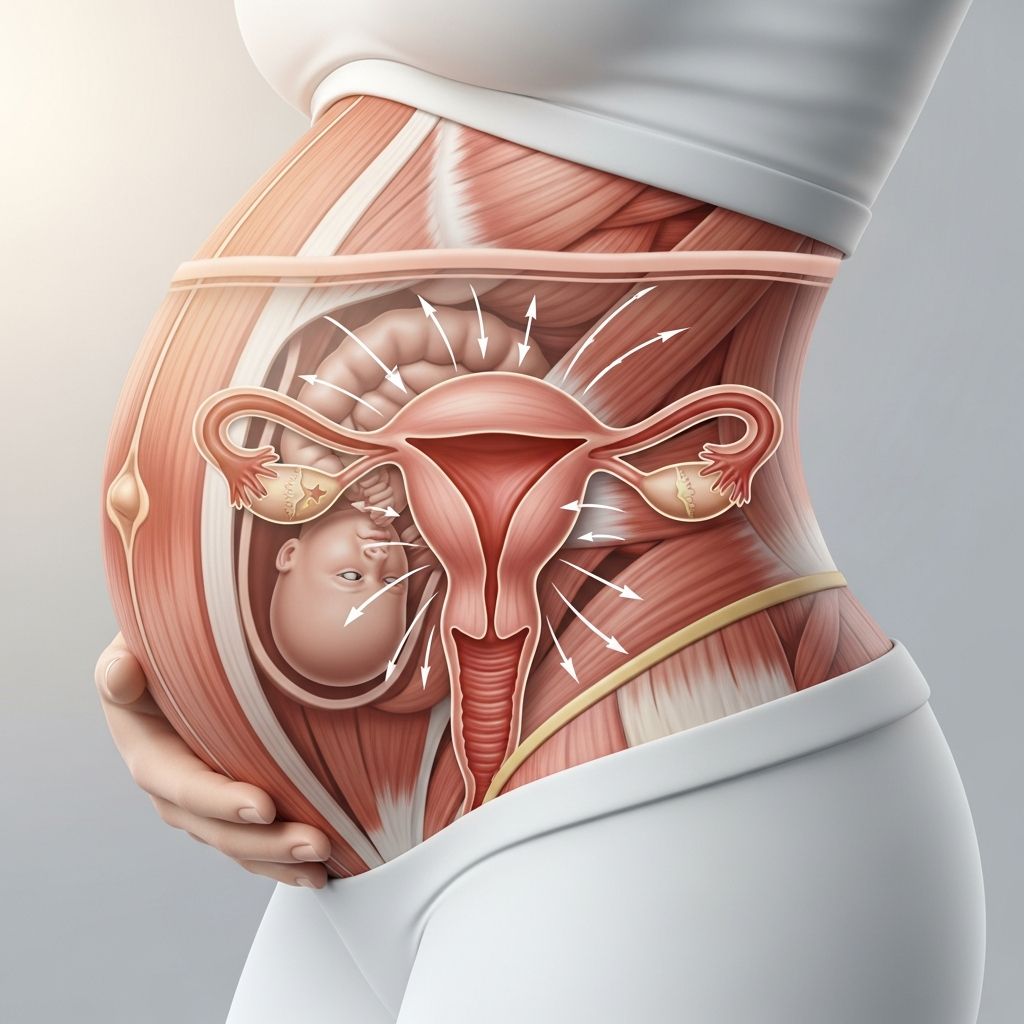
Labor contractions are the rhythmic tightening of the uterine muscles that signal your body is preparing for childbirth. These powerful waves drive the cervix to dilate and efface, paving the way for delivery. Distinguishing between preparatory contractions and those indicating active labor is crucial for timely medical support.
Early Pregnancy Tightenings: The Body’s Practice Runs
During the second and third trimesters, many pregnant individuals notice irregular uterine tightenings known as practice contractions. These sporadic sensations help tone the uterine muscles without advancing labor. They typically emerge around 20-30 weeks but intensify later in pregnancy.
Practice contractions feel like a mild squeezing across the abdomen or lower back, often resolving with hydration, rest, or position changes. Unlike labor contractions, they lack regularity and do not intensify over time.
- Irregular timing: Occur randomly, with no predictable pattern.
- Mild discomfort: Resemble menstrual cramps but fade quickly.
- Position-sensitive: Eases upon walking, lying down, or drinking water.
- No cervical progress: Does not lead to dilation or thinning of the cervix.
These rehearsals prepare the body efficiently. Track them in a journal noting duration, frequency, and triggers to discuss with your healthcare provider at prenatal visits.
True Labor Indicators: When Contractions Mean Business
True labor contractions mark the onset of delivery, characterized by consistency and progression. They systematically dilate the cervix from closed to 10 cm, facilitating the baby’s descent.
Key hallmarks include a predictable rhythm, escalating strength, and persistence regardless of activity. Pain often radiates from the back to the front abdomen, demanding focus.
| Feature | Practice Contractions | True Labor Contractions |
|---|---|---|
| Frequency | Irregular, sporadic | Regular intervals, 5-10 minutes apart, closing in |
| Duration | 20-30 seconds, variable | 45-90 seconds, consistent |
| Intensity | Mild, unchanged | Builds progressively stronger |
| Response to rest/movement | Often subsides | Continues or intensifies |
| Pain location | Front abdomen mainly | Back to front radiation |
This comparison highlights why monitoring patterns is essential. Use a timer app to log start times for accuracy.
Phases of Labor: From Onset to Delivery
Initial Labor: Building Momentum
The first phase, early labor, involves contractions every 5-20 minutes lasting 30-45 seconds. The cervix dilates to about 6 cm amid mild cramping or backache. This stage can span hours to days, especially for first-time parents.
Stay comfortable at home: rest, shower, or time contractions. Accompanying signs like a bloody mucus plug or nesting urges may appear.
Active Labor: Acceleration Toward Birth
Active labor ramps up with contractions every 3-5 minutes, each 45-60 seconds long, dilating the cervix from 6-10 cm. Intensity prevents conversation; back pressure and leg cramps intensify.
Apply the 411 rule: Head to your birth facility when contractions are 4 minutes apart, last 1 minute, for 1 hour. Water may break as a gush or trickle of clear fluid.
- Cervical progress: Rapid dilation signals efficiency.
- Physical demands: Energy bursts and focus are key.
- Support role: Partners provide hydration, massage, and encouragement.
Transition: The Final Push Prep
Transition features contractions 2-3 minutes apart, lasting 60-90 seconds, with minimal respite. Symptoms include nausea, shaking, and an overwhelming urge to push as the baby descends.
This brief, intense phase (30 minutes to 2 hours) transitions to pushing. Emotional swings are normal; breathing techniques help manage.
Accompanying Signals: Beyond Contractions Alone
Contractions rarely occur in isolation. Watch for these confirmatory signs:
- Mucus plug loss: Thick, blood-tinged discharge as the cervix softens.
- Water breaking: Amniotic fluid release, prompting immediate contact with your provider.
- Pelvic heaviness: Baby dropping lower, increasing pressure.
- Lower backache: Persistent due to positioning shifts.
- Diarrhea or fatigue: Hormonal preparations clearing the bowels.
Any green-tinged fluid or foul odor warrants urgent care to rule out complications.
When to Contact Your Healthcare Team
Do not wait for perfection. Premature labor before 37 weeks, contractions under 5 minutes apart, bleeding heavier than a period, or reduced fetal movement demand immediate evaluation.
For full-term pregnancies:
- Contractions 5 minutes apart for 1 hour.
- Water breaks, regardless of contractions.
- Intense pain unrelieved by usual remedies.
- Baby’s movements decrease.
Packing a hospital bag with essentials like ID, insurance, toiletries, and baby clothes ensures readiness.
Managing Discomfort During Contractions
Techniques ease progression:
- Breathing: Slow, deep inhales through the nose, exhales via mouth.
- Movement: Rocking on a birth ball or walking.
- Heat/cold: Warm packs on the back, cool cloths on the forehead.
- Hydrotherapy: Showers or tubs for buoyancy.
- Visualization: Imagine waves cresting and receding.
Discuss pain relief options like epidurals or nitrous oxide with your provider prenatally.
Frequently Asked Questions (FAQs)
Are all contractions a sign of labor?
No, practice contractions mimic labor but do not progress dilation. True ones follow a regular, intensifying pattern.
How long do early labor contractions last?
They span 30-45 seconds, every 5-20 minutes, potentially over 12-19 hours.
What if my water breaks without contractions?
Contact your provider immediately; labor often follows within 24 hours, but monitoring prevents infection.
Can I go to the hospital too early?
Yes, many are sent home if under 4-5 cm dilated. Use the 411 rule to time it right.
Do second pregnancies differ?
Often faster and more intense; prior experience aids recognition.
Preparation Tips for Confident Birthing
Attend childbirth classes, create a birth plan, and build a support network. Apps for contraction timing and relaxation audios enhance readiness. Postpartum recovery planning ensures holistic preparation.
Every labor is unique, influenced by position, health, and interventions. Trust your instincts and medical guidance for a positive experience.
References
- Signs of Labor: When to Go to the Hospital — Gwinnett OBGYN. 2023. https://www.gwinnettobgyn.com/News/signs-of-labor-when-to-go-to-the-hospital/
- 15 signs your body is getting ready for labor — The Mother Baby Center. 2025-08. https://www.themotherbabycenter.org/blog/2025/08/signs-labor-is-near/
- Stages of labor and birth: Baby, it’s time! — Mayo Clinic. 2023. https://www.mayoclinic.org/healthy-lifestyle/labor-and-delivery/in-depth/stages-of-labor/art-20046545
- Contractions and signs of labor — March of Dimes. 2024. https://www.marchofdimes.org/find-support/topics/birth/contractions-and-signs-labor
- Signs of Labor — Northwestern Medicine. 2024. https://www.nm.org/conditions-and-care-areas/womens-health/obgyn/obstetrics/labor-and-delivery/signs-of-labor
- Stages of Labor: What To Expect During Labor & Delivery — Cleveland Clinic. 2024. https://my.clevelandclinic.org/health/body/22640-stages-of-labor