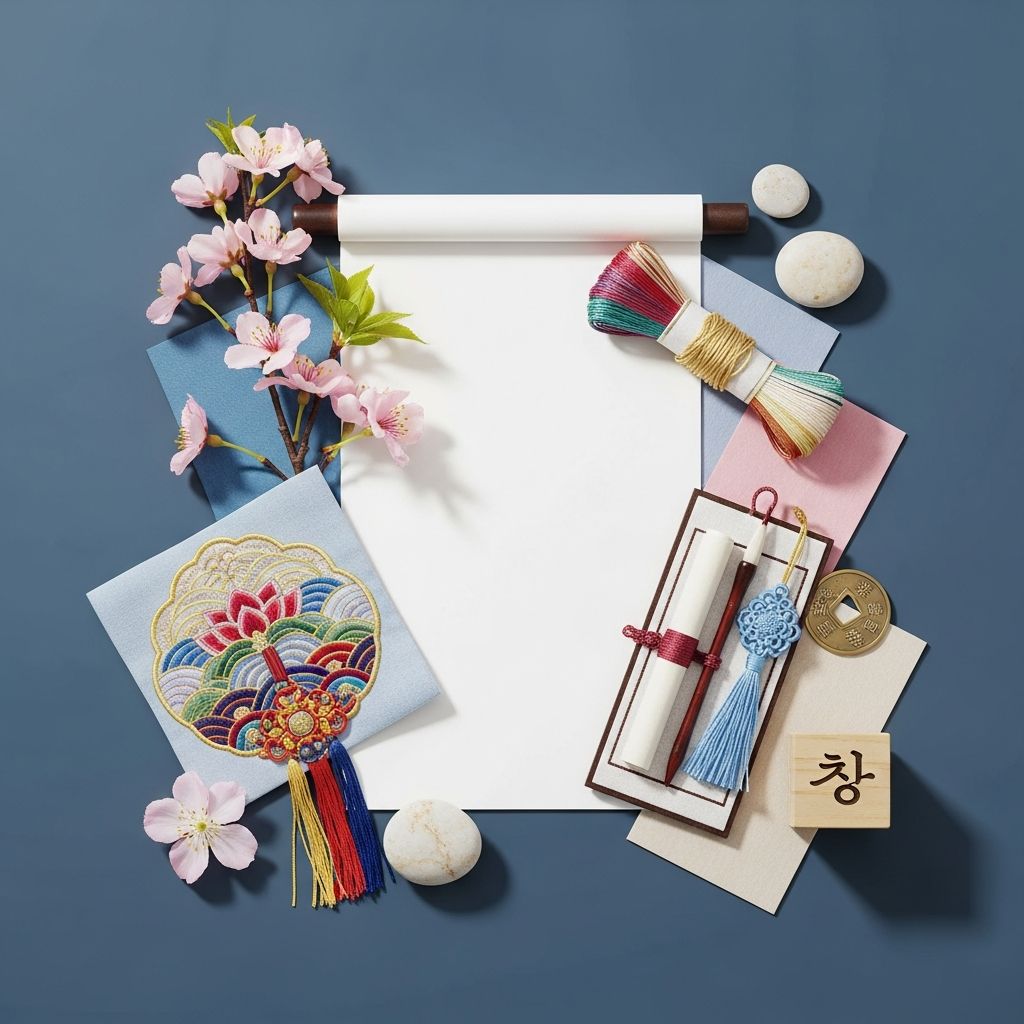
Korean names blend rich cultural heritage with poetic symbolism, often drawing from nature, virtues, and aspirations for the child’s future. Parents select names that resonate harmoniously with family surnames while carrying positive connotations for personality and destiny.
Understanding the Structure of Korean Names
Unlike Western conventions where given names precede surnames, Korean full names place the family name first, followed by a two-syllable given name, creating a rhythmic three-syllable structure. Common surnames like Kim, Lee, and Park precede personal names such as Eun-ji or Min-ho. This order emphasizes clan identity and lineage continuity.
Given names typically consist of two syllables, each derived from hanja (Chinese characters) or native Korean words, imbuing them with specific meanings like ‘wisdom’ or ‘beauty’. Women retain their birth surnames after marriage, preserving individual family ties.
Traditional Naming Practices in Korea
Historically, naming involved consulting saju fortune-tellers who analyzed the child’s birth details—year, month, day, and hour—to recommend auspicious syllables believed to shape destiny and mitigate misfortune. These experts selected characters to balance elemental forces and promote prosperity.
Generational naming, or dollimja, assigns a shared syllable to siblings or cousins of the same generation, fostering family unity. For instance, sisters might share ‘Min’ in Min-ji, Min-ah, and Min-young, with the common element indicating birth order and kinship. This practice, once rigid, now flexes with modern preferences, sometimes applying across genders or being skipped entirely.
Families once relied on elders or jakmyungso naming centers for final choices, combining generational syllables with unique ones tailored to the child’s horoscope. Hanja dominated, with characters like ‘Yong’ (dragon) symbolizing strength or ‘Mi’ (beauty) evoking grace.
Evolution Toward Modern Naming Trends
Globalization has shifted preferences toward native Korean words over hanja, prioritizing ease of pronunciation internationally and phonetic appeal with surnames. Names like Seo-yun or I-seo, featuring soft ‘s’ sounds, topped 2025 popularity lists per government data.
Influences from K-pop idols, celebrities, and cross-cultural marriages inspire choices that bridge worlds, such as English-legal names like Jennie’s. Parents avoid negatively connoted sounds to prevent teasing and seek balanced rhythms, ensuring the name flows naturally. Sibling harmony persists, with shared syllables in consistent positions.
Popular Korean Girl Names and Their Meanings
Girl names often celebrate beauty, nature, and virtues. Here’s a curated selection:
- Areum: Beauty, elegance – A native word evoking timeless grace.
- Sarang: Love – Symbolizes deep affection and warmth.
- Seo-yun: Auspicious blessing – Highly popular for its gentle flow.
- I-seul: Dew drop – Represents purity and morning freshness.
- Ha-neul: Sky – Conveys vastness and freedom.
- Da-som: Love – A sweet, endearing choice.
- Seulgi: Wisdom – Ideal for a thoughtful spirit.
- Bit-na: Shine – Suggests radiance and brilliance.
- Seo-ah: Elegant peace – Trending for its serenity.
- Min-ji: Gentle wisdom – Combines intellect and kindness.
These names pair well with common surnames, creating melodic full names like Kim Seo-yun.
Popular Korean Boy Names and Their Meanings
Boy names emphasize strength, intellect, and harmony. Top inspirations include:
- Eun-woo: Kindness, universe – Favored for its cosmic charm.
- Min-ho: Quick, great – Denotes speed and grandeur.
- Ji-hoon: Wisdom, merit – A strong, scholarly pick.
- Ha-joon: Summer, talent – Evokes warmth and skill.
- Seo-jun: Auspicious, handsome – Popular modern choice.
- Ye-jun: Art, handsome – Artistic and refined.
- Si-woo: Beginning, universe – Symbolizes new horizons.
- Jun-ho: Talented, great – Promises excellence.
- Do-yun: Path, blessing – Guides toward fortune.
- Yong: Dragon – Mythic power and resilience.
| Name | Meaning | Theme |
|---|---|---|
| Eun-woo | Kindness + Rain/ Universe | Nature/Virtue |
| Min-ho | Quick + Great | Strength |
| Seo-jun | Auspicious + Handsome | Modern Popularity |
Nature-Inspired Korean Baby Names
Nature motifs remain enduringly popular, reflecting Korea’s reverence for the environment. Dew (I-seul), morning star (Saetbyeol), sky (Ha-neul), and shining light (Bit-na) capture ethereal beauty. Boys draw from dragons (Yong) or paths (Do), symbolizing life’s journey.
Virtue and Aspirational Names
Parents aspire through virtues: wisdom (Seulgi, Ji), love (Sarang, Da-som), benevolence (Hye-in), and honor (Kyung). These instill hoped-for traits from birth.
Tips for Choosing the Perfect Korean Name
- Consider saju for traditional alignment, or modern apps simulating fortune insights.
- Test pronunciation globally and with your surname for harmony.
- Check popularity data to avoid overused names if uniqueness matters.
- Ensure positive meanings; avoid homophones with negatives.
- Honor family by sharing syllables with siblings.
Frequently Asked Questions
What is a dollimja in Korean naming?
Dollimja is the generational syllable shared by siblings or cousins, marking their cohort and family bond.
Do Koreans use middle names?
No, the two-syllable given name serves as the full personal identifier without middles.
Can parents consult fortune tellers for names?
Yes, saju practitioners remain popular for selecting destiny-influencing names based on birth pillars.
Are hanja still used officially?
Hanja can be registered alongside Hangeul, though many opt for native spellings now.
How do Korean women handle surnames in marriage?
They keep their birth surnames; children take the father’s.
Why Choose a Korean Name?
Korean names offer profound depth, cultural pride, and adaptability in a globalized world. Whether rooted in ancient hanja or fresh native terms, they gift children identities rich in meaning and melody. As trends evolve, these names continue captivating parents worldwide.
References
- From tradition to trend: How Korean names are changing — The Korea Times. 2026-01-14. https://www.koreatimes.co.kr/lifestyle/trends/20260114/from-tradition-to-trend-how-korean-names-are-changing
- How to Name a Baby in South Korea — Postcards & Places. N/A. https://www.postcardsandplaces.com/stories/whats-in-a-name-korea
- Korean Names: What are the Naming Customs in Korea? — Flexiclasses. N/A. https://flexiclasses.com/korean/names/
- Korean name — Wikipedia. N/A. https://en.wikipedia.org/wiki/Korean_name
- An Introduction to Korean Names: Are All Kims the Same? — Asia Society. N/A. https://asiasociety.org/korea/introduction-korean-names-are-all-kims-same
- What’s in a Name? Traditional and Emergent Practices among Korean Immigrants — Smithsonian Folklife. N/A. https://folklife.si.edu/magazine/korean-immigrant-names