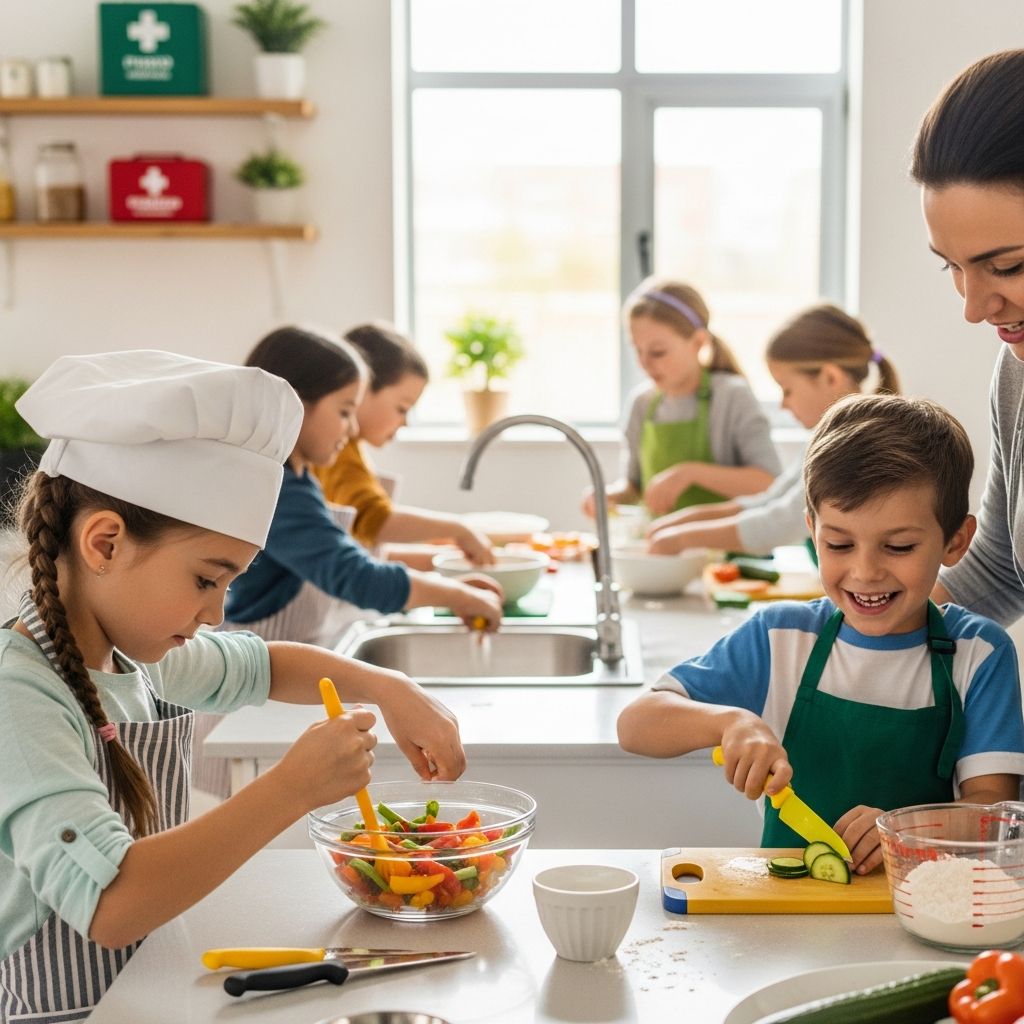
Bringing children into the kitchen offers a wonderful opportunity to teach practical life skills, encourage healthy eating, and create lasting family memories. With proper guidance, kids can learn to prepare meals safely, gaining confidence and responsibility along the way. This guide outlines essential safety measures, age-suited activities, hygiene protocols, and beginner-friendly recipes to ensure every cooking session is enjoyable and hazard-free.
Why Involve Kids in the Kitchen?
Participating in meal preparation helps children develop motor skills, understand nutrition, and appreciate food from farm to table. It also promotes independence, as they learn to follow instructions and measure ingredients accurately. Studies from reliable health organizations emphasize that early exposure to cooking correlates with better dietary choices later in life. Moreover, supervised kitchen time strengthens family bonds through shared accomplishments, like baking cookies or assembling salads.
Parents often worry about risks, but structured involvement minimizes dangers while maximizing benefits. Starting with simple tasks builds a foundation for more complex ones, turning potential chaos into structured fun.
Fundamental Kitchen Safety Rules for Families
Safety forms the cornerstone of any child-involved cooking activity. Always prioritize adult supervision, especially with heat, sharp tools, or electricity. Here are key rules drawn from pediatric and safety experts:
- Constant Oversight: Never leave children unattended near stoves, ovens, or appliances. Even teens need guidance until fully proficient.
- Hand Hygiene: Wash hands with soap for 20 seconds before and after handling food, particularly raw meats or eggs, to prevent bacterial spread.
- Appropriate Attire: Opt for fitted clothing, roll up sleeves, and use oven mitts or potholders for hot items. Avoid loose fabrics near flames.
- Handle Heat Wisely: Turn pot handles inward, use back burners, and keep kids at least three feet from hot surfaces unless assisting directly.
- Sharp Tool Caution: Demonstrate proper grips like the ‘claw’ technique, use child-safe knives, and supervise all cutting.
- Fire and Spill Awareness: Clean spills immediately, test smoke alarms regularly, and know extinguisher use. Cool hot foods before serving.
Implementing these rules creates a secure environment where kids can thrive without fear of accidents.
Age-Appropriate Cooking Tasks: Building Skills Step by Step
Match activities to developmental stages to ensure success and safety. Progress from basic to advanced as confidence grows. The table below summarizes suitable tasks by age group, based on expert recommendations from child health sources.
| Age Group | Recommended Tasks | Safety Notes |
|---|---|---|
| 2-3 Years | Wash vegetables, stir soft batters, tear lettuce, set table | Full supervision; no heat or sharps |
| 4-5 Years | Measure dry ingredients, crack eggs (with help), mix salads, use cookie cutters | Stable surfaces; hand washing emphasized |
| 6-7 Years | Stir on stove (supervised), simple chopping with safe knives, read recipes | Claw grip for knives; mitts for hot pans |
| 8-10 Years | Operate microwave, boil water, bake independently (with check-ins) | Recipe following; emergency drills |
| 11+ Years | Fry safely, use all appliances, plan full meals | Ongoing supervision fading to independence |
This progression teaches sequencing, patience, and precision. For instance, young children delight in rinsing produce under water, feeling involved without risk.
Essential Hygiene and Food Safety Practices
Beyond physical safety, teach food handling to avoid contamination. Separate raw and cooked items using different boards and utensils. Cook meats to safe internal temperatures—use a thermometer to verify, aiming for 165°F for poultry per USDA guidelines. Cool leftovers quickly before refrigerating to halt bacterial growth, especially in rice or pasta.
Encourage kids to check for doneness, like ensuring no pink in burgers or shells in eggs. These habits instill lifelong awareness, reducing foodborne illness risks highlighted in public health reports.
Simple, Fun Recipes to Get Started
Begin with no-cook or low-heat options, scaling up as skills develop. These recipes serve 4 and take under 30 minutes.
No-Bake Energy Bites
Ingredients: 1 cup oats, ½ cup peanut butter, ⅓ cup honey, ½ cup chocolate chips, 1 tsp vanilla.
- Mix all in a bowl (kids can measure and stir).
- Chill 15 minutes, then roll into balls.
- Store in fridge for snacks.
Perfect for ages 4+, teaches measuring without ovens.
Custom Veggie Wraps
Ingredients: Tortillas, hummus, shredded carrots, cucumber slices, spinach.
- Spread hummus (supervised spreading).
- Add washed veggies, roll up.
- Slice with safe knife.
Promotes veggie love and assembly skills for ages 5+.
Cheesy Quesadillas
Ingredients: Tortillas, shredded cheese, optional peppers.
- Adult heats skillet; kids sprinkle cheese on tortilla.
- Fold, flip with spatula (supervised).
- Cut into wedges.
Introduces stovetop for ages 7+.
Fruit Smoothies
Ingredients: Yogurt, banana, berries, milk.
- Peel and chop fruit (safe knives).
- Blend until smooth.
- Pour and enjoy.
Blender fun for ages 6+, emphasizes washing produce.
Common Kitchen Hazards and How to Mitigate Them
Kitchens brim with risks: scalding liquids cause most child burns, followed by cuts and falls. Mitigate by establishing a ‘kid-free zone’ near appliances, using step stools with non-slip grips, and demonstrating first aid—like running cool water on burns. Practice stop-drop-roll and extinguisher use annually.
For microwaves, open doors away from faces to avoid steam. Store cleaners high and locked. Regular reminders reinforce habits without scaring kids.
Overcoming Challenges in Family Cooking
Messes are inevitable—embrace them as learning opportunities. Set cleanup rules: kids who cook, clean. If impatience arises, break tasks into short bursts. Adapt recipes for picky eaters by involving them in choices, boosting willingness to try new foods.
For larger families, assign roles to keep everyone engaged safely. Track progress with a kitchen journal, celebrating milestones like first solo sandwich.
Frequently Asked Questions
What is the minimum supervision needed for kids cooking?
Full adult presence for under 8s near heat or knives; check-ins for older kids. Always prioritize based on task risk.
Can toddlers safely help in the kitchen?
Yes, with tasks like washing veggies or mixing soft doughs under close watch—no appliances involved.
How do I teach knife skills without accidents?
Start with child-safe knives, teach claw grip, cut on stable boards away from body, and supervise every slice.
What if a minor injury occurs?
Cool burns under water 10-20 minutes, apply ointment, seek pediatric care if severe. Demonstrate treatments proactively.
Are there recipes ideal for beginners?
Yes, no-bake bites, wraps, and smoothies build confidence before heat-based dishes like quesadillas.
Long-Term Benefits of Kitchen Involvement
Children who cook regularly show improved math (measuring), reading (recipes), and science (reactions like baking soda rising) skills. They adopt healthier habits, with research indicating home cooks consume more fruits and veggies. As teens, they’re equipped for independence, preparing balanced meals effortlessly.
Expand adventures with seasonal themes, like holiday cookies or summer salads, keeping excitement alive. Over time, this evolves from play to proficiency.
References
- Kitchen Safety 101: Essential Rules Every Kid Should Know — Penniless Parenting. 2024-05. https://pennilessparenting.com/2024/05/kitchen-safety-101-essential-rules-every-kid-should-know.html
- 10 Easy Recipes + Safety Cooking Tips For Kids — Omega Pediatrics. Accessed 2026. https://www.omegapediatrics.com/recipes-safety-cooking-tips-for-kids/
- Cooking Safely Around Kids — Safe Kids Sacramento. Accessed 2026. https://safekidssacramento.org/cooking-safety/
- Cooking with Kids | Skills and Safety in the Kitchen — Healthy SD (County of San Diego). Accessed 2026. https://healthysd.gov/category/nutrition/cooking-with-kids
- Kitchen safety tips for kids — Children’s Health. Accessed 2026. https://www.childrens.com/health-wellness/kitchen-safety-tips-for-kids