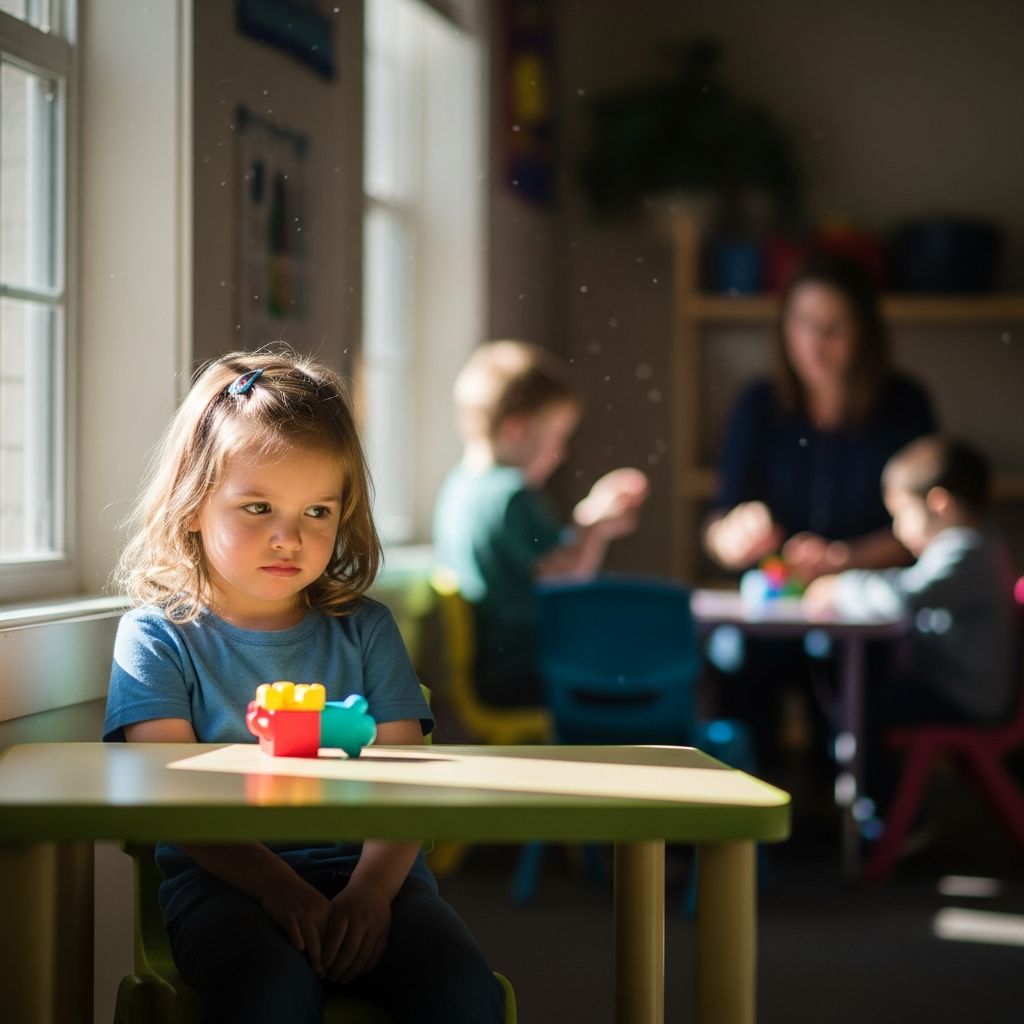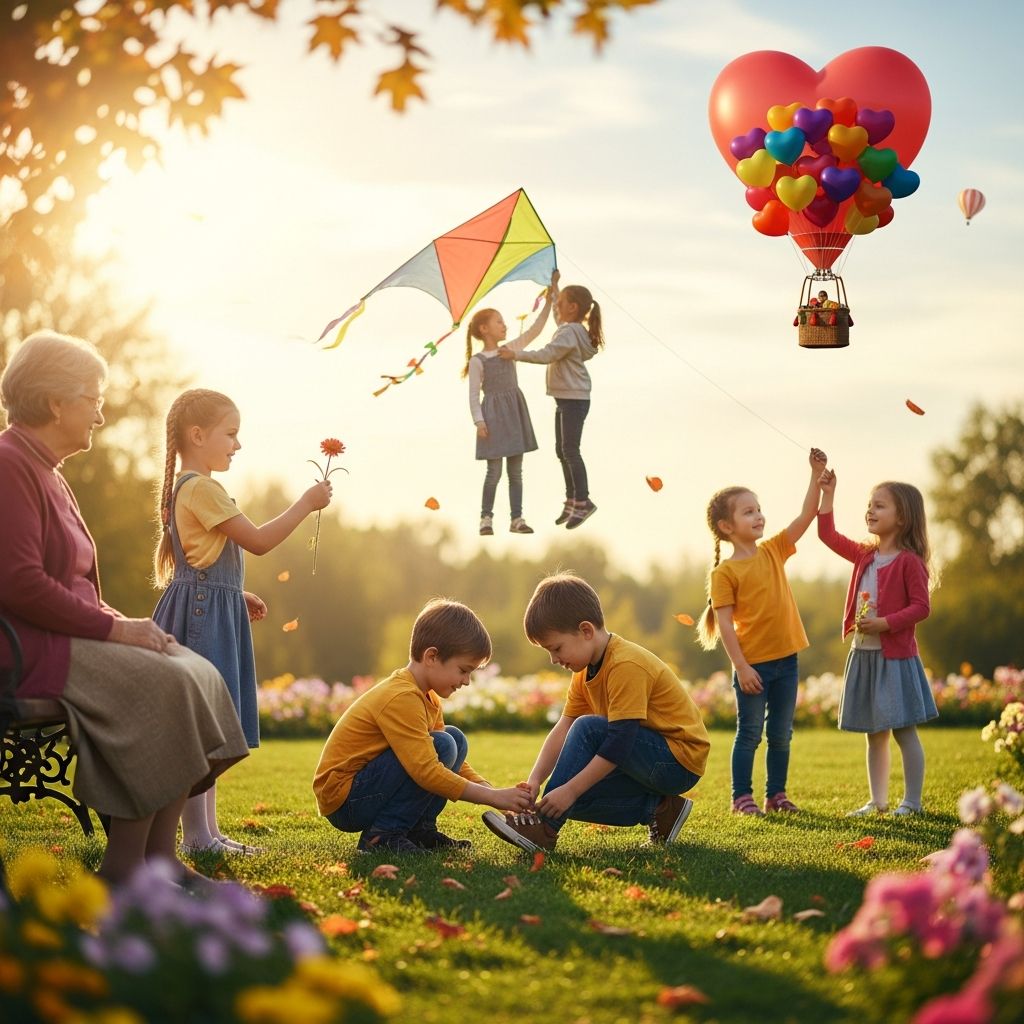
Kindness quotes for kids can be simple phrases, but they carry big ideas about how to treat people, how to handle tough moments, and how to be a good friend. When adults take time to explain these ideas in a warm, age-appropriate way, children begin to see kindness not just as something nice to do, but as part of who they are. Instead of memorizing empty words, kids can learn to connect each quote to real choices they make every day at home, at school, and in their communities.
Why Kindness Matters So Much In Childhood
Children are constantly watching, listening, and copying the behavior of the people around them, which makes early childhood a powerful time to plant the seeds of kindness. When kindness is modeled and talked about at home and in the classroom, kids begin to understand that caring for others is just as important as learning to read or tying their shoes. They learn that kindness is not weakness; it actually takes courage to be gentle, fair, and respectful, especially when others are not.
- Kindness helps kids build strong friendships based on trust instead of fear or competition.
- It teaches children to regulate emotions, notice how others feel, and respond with empathy.
- Acts of kindness, even small ones, boost confidence because kids see that they can make a difference.
Explaining Kindness To Kids In Simple Language
Many children understand that “being kind” means being nice, but they benefit from more concrete examples. Adults can break the idea of kindness into kid-friendly actions they see and do every day, such as sharing toys, including someone who feels left out, or speaking up when a classmate is teased. The more specific the explanation, the easier it is for a child to recognize kindness as it happens and to repeat it later.
One helpful way to talk about kindness is to compare it to a light or a ripple in water. When kids are kind, they brighten someone else’s day, and that person often passes the good feeling on to another person. A single kind choice can travel far beyond what a child can see, which helps them realize that even small gestures are valuable.
How Quotes Help Kids Understand Big Ideas
Children are used to hearing songs, rhymes, and short sayings, so memorable kindness quotes fit naturally into their world. A short, simple phrase is easier to remember than a long lecture, which means it can pop into a child’s mind right when they need it—on the playground, at lunch, or in the backseat of the car. Over time, these phrases become like little signposts that guide kids toward helpful, respectful choices.
Quotes also give adults a starting point for meaningful conversations. A parent can share a short saying at breakfast and then ask a gentle question such as, “When have you seen this happen?” or “How could we do this today?” Children then learn to move from hearing inspiring words to spotting real-life chances to act on them.
Categories Of Kindness Quotes Kids Easily Understand
Not every kindness quote will connect with every child, but some themes are especially powerful and easy to grasp. Organizing quotes by theme can help caregivers and teachers choose the right words for the right moment. Instead of overwhelming children with a long list, adults can focus on one theme at a time until it becomes familiar and comfortable.
| Theme | What It Teaches | Example Focus |
|---|---|---|
| Everyday kindness | Small, simple nice things matter just as much as big actions. | Smiles, sharing toys, taking turns. |
| Empathy | Noticing how other people feel and caring about their feelings. | Listening, checking in, comforting someone. |
| Courageous kindness | Being kind even when it is hard or unpopular. | Standing up to teasing, inviting someone left out. |
| Self-kindness | Treating yourself with the same care you offer others. | Positive self-talk, rest, asking for help. |
| Community kindness | Helping people beyond family and close friends. | Donating, volunteering, caring for shared spaces. |
Kid-Friendly Ways To Explain Popular Themes
Once adults choose a theme, the next step is to put it into language a child can understand without losing the heart of the idea. For everyday kindness, a caregiver might say, “Kindness is what you do when no one asks you to help, but you see a way to make something easier for someone else.” Kids instantly connect this to simple tasks like carrying a bag for a sibling or holding a door open.
For bravery-based kindness, it helps to point out that “brave” is not only about facing scary things like the dark or a loud dog. It can also mean doing the right thing when others are watching—such as asking a group to stop laughing at someone or choosing not to spread a hurtful rumor. Children then start to see that bravery and kindness are teammates rather than opposites.
Turning Quotes Into Daily Rituals At Home
Kindness quotes become more powerful when they are woven into everyday life, instead of saved for rare moments. Families can create small rituals that bring one short saying into focus each day or each week, like a “quote of the morning” or “kindness thought of the day.” Repeating a phrase regularly gives kids a steady reminder that values like respect and compassion are important in this household.
- Write a weekly kindness quote on a whiteboard or sticky note and place it near where your child eats breakfast.
- Repeat the quote together before school, and quickly ask: “How might we live this today?”
- At bedtime, ask kids to share one moment when they saw or used that idea, even in a very small way.
Simple Activities That Bring Quotes To Life
Children remember ideas more deeply when they can touch, draw, and act them out. After introducing a quote, adults can invite kids to create something with it—such as a drawing, a skit, or a mini poster. The physical act of making something helps children move the quote from their ears and eyes into their hands and hearts.
These activities do not need to be complex or Pinterest-perfect. The goal is connection, not perfection. When the atmosphere is playful and relaxed, kids feel safe asking questions, trying out new behaviors, and even making mistakes as they learn what kindness looks like in real life.
Hands-On Ideas For Different Ages
- Preschoolers: Draw pictures of kind actions they have seen (sharing blocks, hugging a friend, helping tidy up).
- Early elementary: Make a “kindness coupon” book with simple promises such as helping set the table or reading to a younger sibling.
- Older elementary and tweens: Keep a kindness journal where they copy a quote and write a few lines about how it showed up in their day.
Using Kindness Quotes In The Classroom
Teachers can use kindness quotes as gentle anchors for classroom culture. A short quote at the beginning of the day or displayed near the board can remind students that learning is not just about grades, but also about how they treat one another. When a conflict arises, a teacher can point back to the quote as a shared value rather than making it a personal criticism.
Classrooms that use kindness language regularly often see improvements in cooperation, fewer minor conflicts, and more willingness to include different classmates in projects or games. It also encourages children to see themselves as part of a small community where everyone’s feelings and needs matter.
Teaching Kids That Kindness Is A Choice
One of the most empowering lessons kids can learn from kindness quotes is that kindness is a choice they can make again and again. They will not always feel like sharing or being patient, and they will not always get kindness in return. But they can still choose to respond with respect and care, within healthy boundaries.
This idea is especially helpful when children feel powerless—perhaps when they cannot control someone else’s behavior or when a situation feels unfair. Reminding them, “You always control how kind you choose to be” gives them a sense of agency and direction even in tricky moments.
Balancing Kindness With Healthy Boundaries
Teaching kindness does not mean telling kids to accept hurtful behavior or never say no. Healthy kindness includes protecting themselves and others from harm. Adults can explain that being kind does not require letting someone take advantage of them, copy their work, or speak to them in a cruel way.
Children benefit from hearing that sometimes the kindest choice is to walk away, seek help from a trusted adult, or set a firm but respectful boundary. When kids understand this, kindness becomes a strong and safe way of being, not a habit that leaves them feeling used or ignored.
Kindness Quotes As Tools For Emotional Regulation
Many kids struggle with big feelings like anger, jealousy, and frustration. A well-chosen quote can become a calming phrase they whisper to themselves when emotions run high. Over time, this kind of simple self-talk can help them pause before reacting, think about the impact of their words, and choose a response that matches the kind of person they want to be.
Adults can model this by sharing how a short, positive phrase helps them stay calm, such as repeating, “Take a breath and choose kind” when they feel irritated. Kids watching this in real time start to realize that even grown-ups need gentle reminders to act in line with their values.
Helping Kids Notice Invisible Acts Of Kindness
Children often notice obvious acts of kindness, like giving a gift, but may miss the quieter forms—such as listening patiently, keeping a promise, or not laughing when someone makes a mistake. Quotes that highlight these subtle acts help kids recognize that kindness lives in everyday choices, not only in grand gestures.
Families and teachers can play a “kindness detective” game, challenging kids to spot hidden kindness in their day. When they see a friend help someone pick up dropped papers or a sibling comfort a pet, they can connect it back to the quote of the day, reinforcing the idea that kindness is all around them.
Making A Family Or Classroom Kindness Board
A kindness board is a simple visual tool that keeps quotes and real-life examples in one shared place. It can be a corkboard, poster, or section of a wall where kids and adults pin short sayings, drawings, or notes describing acts of kindness they have seen or received. Over time, the board becomes a colorful record of the community’s values and the children’s growth.
To get started, pick one quote to place at the top of the board. Underneath, add sticky notes describing related moments, like “I saw Sam share his markers” or “Grandma called to check on us.” Kids seeing the board fill up begin to understand that kindness is both a belief and a daily practice.
Sample Weekly Kindness Plan For Families
To make all these ideas easier to use, here is a simple example of how one family might organize a week around kindness quotes. This is just a sample; each household can adapt it to their routines, ages, and cultures.
| Day | Focus | Simple Activity |
|---|---|---|
| Monday | Kind words | Everyone gives one genuine compliment at dinner. |
| Tuesday | Helping hands | Kids choose one extra chore or helpful task. |
| Wednesday | Listening | Practice listening without interrupting for five minutes each. |
| Thursday | Self-kindness | Each person names one way to take care of themselves. |
| Friday | Gratitude | Create a short list of people to thank over the weekend. |
| Weekend | Community | Do a small community-minded act, such as picking up litter on a walk. |
Common Mistakes To Avoid When Teaching Kindness
Even with the best intentions, adults sometimes send mixed messages about kindness. One common mistake is using kindness only as a reward system—praising kids when they are sweet but ignoring them when they struggle or are overwhelmed. Children then learn to “perform” kindness to earn approval instead of understanding it as an inner value. Instead, adults can guide kids gently through moments when they fall short, explaining what they could do differently next time.
Another trap is shaming children when they are unkind by labeling them as “mean” or “bad.” This makes kids feel stuck and defensive rather than open to change. A healthier approach is to separate the child from the behavior: “That choice was hurtful, but you can make a kinder choice now.” Quotes about growth and learning can support this message by emphasizing that everyone is still learning how to treat people well.
Frequently Asked Questions About Kindness Quotes For Kids
How many kindness quotes should kids learn?
There is no perfect number of quotes for children to memorize. What matters most is choosing a few that truly resonate with your family or classroom and returning to them often enough that they feel familiar. Focus on quality, not quantity, so that each quote has time to sink in and show up in real behavior.
What if my child thinks kindness is “babyish”?
Some older kids and tweens may roll their eyes at words like “kindness,” especially if they worry about looking too soft in front of peers. It can help to connect kindness to qualities they admire, such as courage, fairness, or leadership. Highlight real-world examples of people who use kindness to solve problems, lead teams, or stand up for what is right, showing that kindness is actually a sign of strength.
Can kindness quotes help with bullying?
Kindness quotes alone cannot solve bullying, but they can support a broader culture of respect and empathy. When kids grow used to hearing and discussing messages about fairness, standing up for others, and treating everyone as important, they are more likely to notice harmful behavior and less likely to join in. Pairing quotes with clear rules, adult support, and practical strategies makes them far more effective.
Should kids also learn about self-kindness?
Yes, self-kindness is crucial, especially for children who put heavy pressure on themselves or feel easily discouraged. When kids practice speaking to themselves gently after a mistake, they are less likely to give up and more likely to try again. Teaching self-kindness also reduces the chance that children will look to others for all their worth and instead build a strong sense of value from within.
How can I keep the topic of kindness from feeling repetitive?
To keep kindness fresh, vary how you present it—sometimes through quotes, other times through stories, role-play, art projects, or games. Involve kids in choosing quotes or inventing their own simple sayings about kindness, which gives them a sense of ownership. When children see that kindness connects to many parts of life, from sports to group projects to online behavior, it feels relevant rather than repetitive.
When adults treat kindness quotes as tools for conversation, reflection, and action, rather than just pretty words, children begin to take them seriously. Over time, these short sayings can become part of a young person’s inner voice, gently steering their choices and helping them grow into thoughtful, compassionate, and confident human beings.