Entering kindergarten marks a pivotal milestone for young children and their families. This transition demands thoughtful preparation to foster confidence, independence, and enthusiasm for learning. Drawing from established early education practices, this guide outlines actionable strategies for parents, caregivers, and educators to ensure a seamless shift from preschool or home to formal schooling.
Building Emotional Foundations for the Big Step
Emotional readiness forms the cornerstone of a successful kindergarten experience. Children who feel secure are more likely to engage positively with new environments and peers. Start by openly discussing the upcoming change in age-appropriate ways, emphasizing excitement over fear.
- Share personal school stories to normalize mixed feelings, highlighting positive outcomes from challenges.
- Use play scenarios with toys or puppets to simulate school days, practicing greetings, sharing, and problem-solving.
- Acknowledge emotions like nervousness, validating them while introducing coping tools such as deep breaths or talking to a teacher.
These approaches help children process anxiety, building resilience essential for daily school interactions.
Mastering Daily Routines at Home
Consistent home routines mirror classroom structures, reducing surprises on day one. Implement a predictable schedule weeks in advance to acclimate your child.
| Time of Day | Activity | Purpose |
|---|---|---|
| Morning | Wake-up, dress, breakfast, backpack prep | Promotes independence and punctuality |
| Afternoon | Snack, playtime, homework slot | Balances energy and introduces structure |
| Evening | Dinner, bath, storytime, bedtime | Ensures restful sleep for focus |
Include a special goodbye ritual, like a hug or high-five, to signal departures positively and reinforce your return. Predictable patterns enhance self-regulation, a key kindergarten skill.
Cultivating Self-Reliance Skills
Kindergarten teachers value children who handle personal needs independently. Prioritize self-help abilities to boost your child’s self-esteem and ease teacher burdens.
- Practice dressing, including zippers, buttons, and shoes without assistance.
- Teach hygiene routines: handwashing, toileting, and nose-blowing.
- Encourage cleanup after play, sorting toys into bins.
- Follow simple multi-step instructions, like “Put on shoes, grab backpack, line up.”
These skills foster a sense of agency, allowing focus on learning rather than basics.
Academic Prep Through Fun Exploration
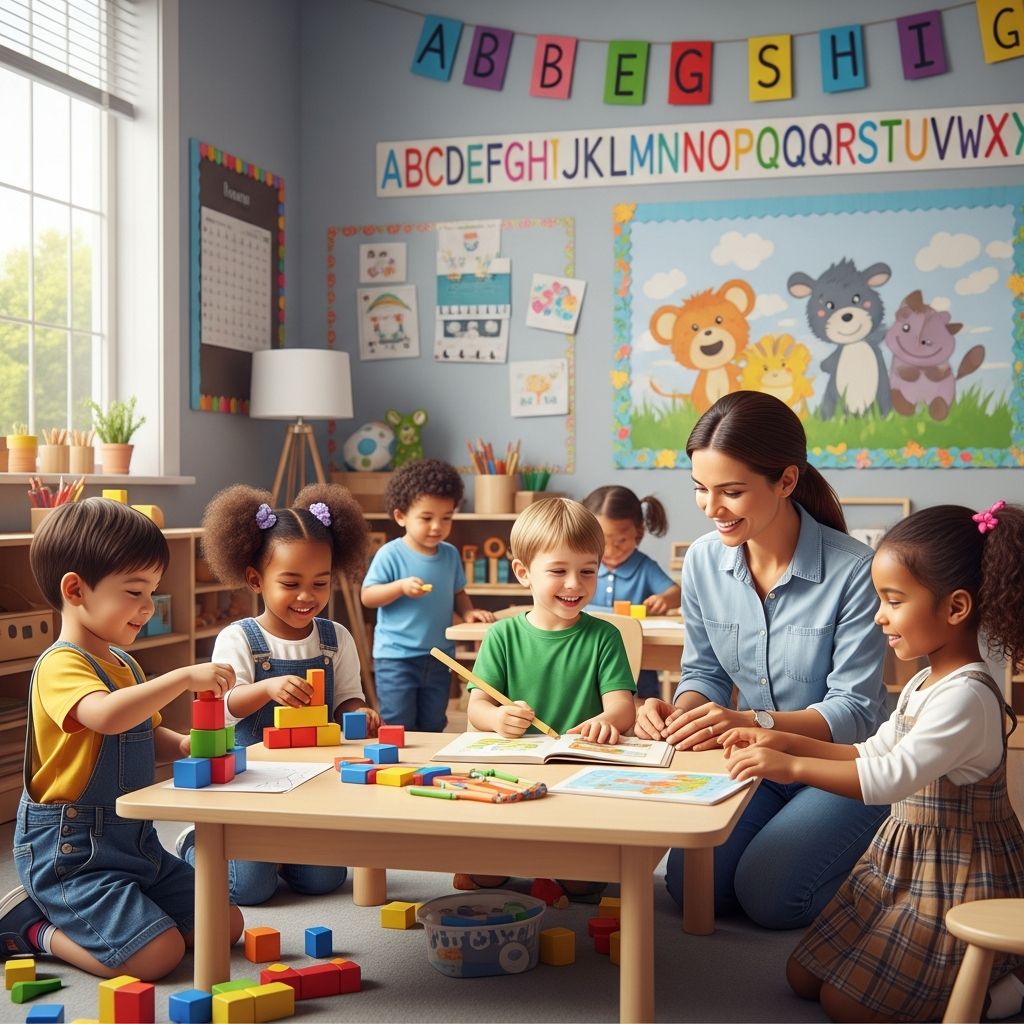
Kindergarten readiness emphasizes holistic growth over drills. Integrate foundational concepts via play to spark natural curiosity.
- Literacy: Read daily, pointing to words, discussing stories, and encouraging retells.
- Math: Count objects, sort shapes, compare sizes during games.
- Social Studies/Science: Explore community roles or nature through outings and questions.
Hands-on activities align with evidence-based curricula, supporting cognitive development without pressure.
School Familiarization Tactics
Pre-exposure to the school environment demystifies the unknown. Leverage available opportunities for immersion.
- Attend open houses, orientations, or playground visits.
- Schedule teacher meet-and-greets to discuss your child’s traits and needs.
- Take photos of the building, classroom, and bus stop for a ‘school book’ to review together.
- Arrange playdates with future classmates using class lists if provided.
These steps create familiarity, easing first-day jitters.
Strengthening Family-School Partnerships
Active family involvement bridges home and school. Collaborate early to align supports.
- Prepare a one-page summary of your child’s strengths, interests, challenges, and routines.
- Inquire about special services or IEPs if applicable, ensuring continuity.
- Attend transition workshops or parent nights offered by programs.
- Maintain open communication via notes, apps, or emails post-enrollment.
Two-way partnerships enhance outcomes, with families reinforcing school learning.
Navigating Special Needs and Challenges
Children with unique requirements benefit from proactive planning. Advocate thoughtfully.
- Review preschool records and share with kindergarten staff.
- Discuss accommodations like sensory breaks or dietary needs upfront.
- Connect with support teams for therapies or evaluations.
Early advocacy ensures tailored support, promoting inclusion.
Health and Wellness Essentials
A healthy child thrives in school. Update records and instill habits.
- Complete immunizations, physicals, and dental checks.
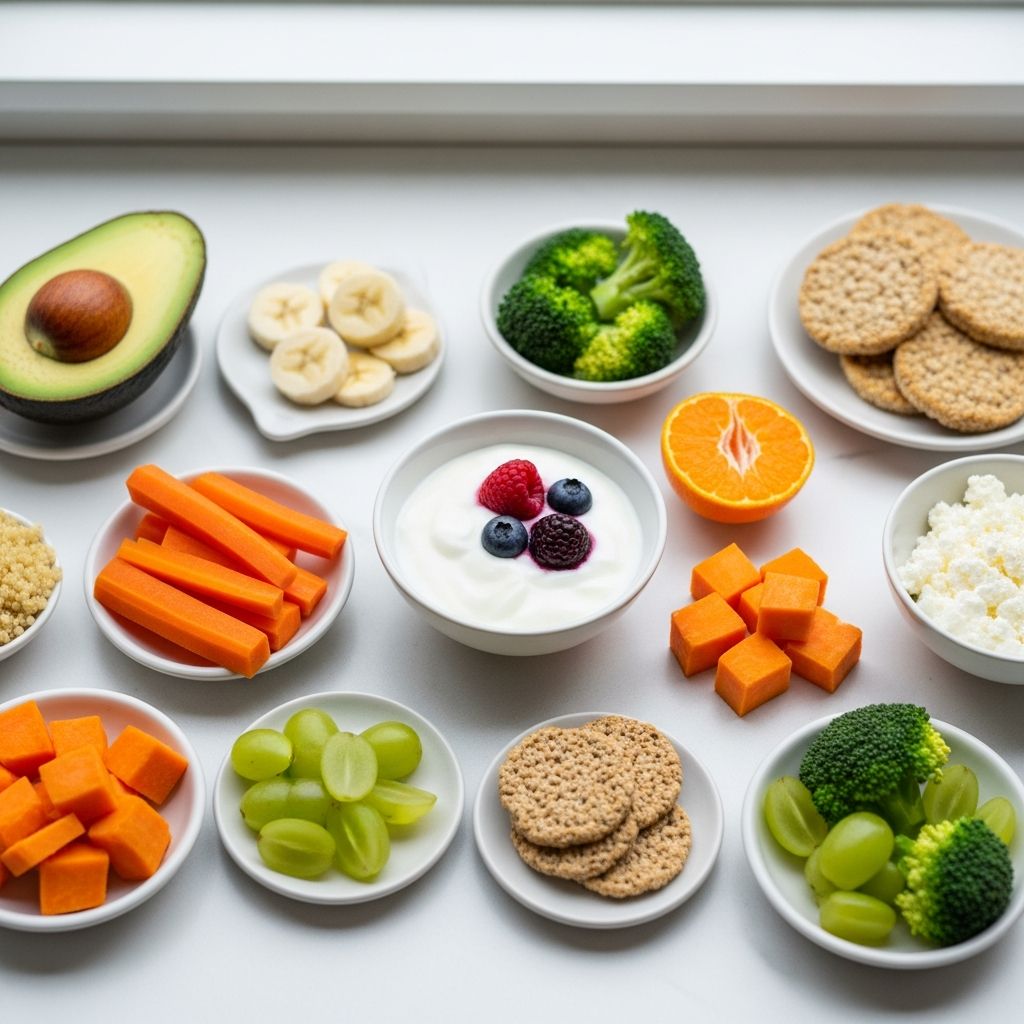
- Pack nutritious snacks, water, and labeled supplies.
- Teach germ prevention: coughing into elbows, hand sanitizer use.
Wellness underpins attendance and engagement.
Long-Term Success Strategies
Beyond day one, sustain momentum. Monitor adjustment and adjust as needed.
- Debrief daily: highs, lows, new friends.
- Balance school with play and rest; limit extracurriculars initially.
- Celebrate milestones like first art project or making a friend.
Consistent support yields lasting confidence.
Frequently Asked Questions
What if my child cries on the first day?
Reassure with your return promise; most settle quickly. Inform teachers of patterns for comfort strategies.
How early should routines start?
Two to four weeks prior allows adjustment without rush.
What books help prep for school?
Titles like ‘The Kissing Hand’ or ‘Llama Llama Misses Mama’ normalize feelings through stories.
Signs of transition stress?
Watch for sleep changes, clinginess, or regression; consult pros if persistent.
Role of preschool teachers?
They provide portfolios and insights, easing handoffs.
This guide equips you for a positive kindergarten journey, blending expert insights for optimal preparation.
References
- Getting Kindergarten Readiness Right: 7 Strategies for a Meaningful Transition — Teaching Strategies. 2023. https://teachingstrategies.com/blog/7-meaningful-strategies-for-supporting-a-positive-transition-to-kindergarten/
- Top Ten Tips for the Transition to Kindergarten — William James College. 2023. https://www.williamjames.edu/centers-and-services/forensic-and-clinical-services/yfps/tips-for-parents/top-ten-tips-kindergarten.html
- Expert Tips for Preparing Child for Kindergarten — Start Early. 2023. https://www.startearly.org/post/ready-for-kindergarten-10-tips/
- 12 Ways to Help a Child Make the Transition to Kindergarten — Harvard Health Publishing. 2013-08-16. https://www.health.harvard.edu/blog/12-ways-to-help-a-child-make-the-transition-to-kindergarten-201308166611
- Getting Ready for School: Smooth and Successful Transitions Tip Sheet — New York State Education Department. 2023. https://www.nysed.gov/sites/default/files/programs/early-learning/smooth-and-successful-transitions-tip-sheet.pdf
- Transitioning to Kindergarten: A Toolkit for Early Childhood Educators — American Federation of Teachers. 2023. https://www.aft.org/earlychildhood/resources/transitioning-kindergarten-toolkit-early-childhood-educators