Understanding Your Child’s Nail Structure and Growth Patterns
Children’s nails differ significantly from adult nails in composition and growth rate. Pediatric nails are considerably more delicate and require specialized attention to prevent damage and infection. Fingernails grow at a faster pace than toenails, which means they require more frequent maintenance and attention. Understanding these biological differences is essential for parents seeking to establish appropriate nail care routines that protect their child’s developing hands and feet.
The nail bed in children is particularly sensitive to external trauma and chemical exposure. Unlike adult nails that have developed protective barriers through years of use, young nails are still forming their protective layers. This vulnerability means that improper trimming techniques or exposure to harsh chemicals can cause lasting damage. Parents should recognize that what works for adult nail care may not be suitable for children.
Why Maintaining Healthy Nails Matters for Children
Clean, properly maintained nails serve as a protective barrier for sensitive fingertips and toes. When nails grow too long, they become harboring grounds for bacteria, fungi, and other microorganisms that can trigger infections and compromise hand hygiene. Long nails are more prone to breakage, which creates entry points for pathogens and increases infection risk significantly.
Beyond infection prevention, maintaining healthy nails contributes to your child’s overall hygiene education. Teaching children to care for their nails instills lifelong habits that support personal wellness. Additionally, well-maintained nails reduce the likelihood of your child using their nails to scratch others or themselves, preventing accidental injuries and the spread of germs through scratched skin.
Selecting the Right Tools for Safe Nail Trimming
Using appropriate tools is fundamental to safe nail care. Children’s nail care requires specialized equipment designed specifically for smaller hands and more delicate nails. Adult-sized clippers can be difficult to control when working with tiny fingers and may cause accidental injury.
Essential Nail Care Tools for Children
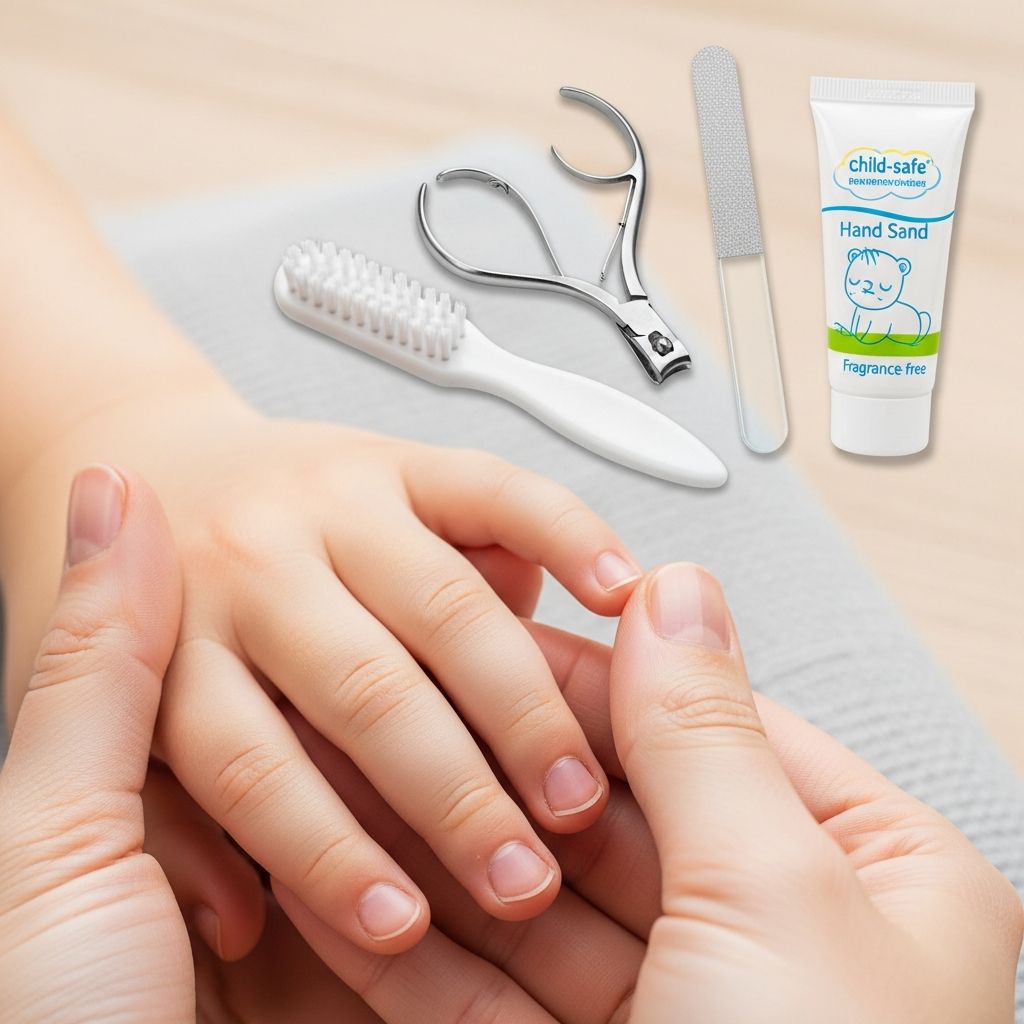
- Baby nail clippers with blunt edges and safety features
- Soft emery boards or nail files designed for gentle smoothing
- Blunt-nosed toenail scissors for safer cutting
- Soft-bristled nail brushes for gentle cleaning
- Moisturizing creams formulated for sensitive skin
When selecting clippers, prioritize safety features such as rounded edges and secure gripping mechanisms. Blunt-nosed scissors are preferable to sharp instruments when trimming toenails, as accidental slips are less likely to cause serious injury. Soft emery boards allow for smoothing edges without the harshness of metal files, which can cause splitting and peeling.
Step-by-Step Techniques for Trimming Fingernails
Successful nail trimming begins with preparation. Soften your child’s nails by soaking their hands in warm, soapy water for several minutes. This process makes nails more pliable and easier to cut cleanly without splitting or cracking. If your child is resistant to the soaking process, frame it as a fun activity you do together.
Proper Trimming Methodology
- Soak hands in warm water for 3-5 minutes to soften nails
- Dry hands completely with a soft towel
- Hold the clippers at a 45-degree angle to the nail
- Cut straight across the top of the nail, avoiding curves
- Leave a small white margin beyond the fingertip for protection
- Use a soft file to gently smooth any rough edges
- Never cut nails too short, as this increases infection risk
The direction of cutting is crucial for preventing common problems. Always cut straight across the nail rather than following a curved pattern. Curved cuts can encourage ingrown nails, particularly in the toenails. The small white margin that extends slightly beyond the fingertip serves as protective padding and prevents the nail from cutting into the nail bed during growth.
Toenail Trimming: Special Considerations
Toenails require different care than fingernails due to their thickness and the protective footwear that surrounds them. Toenails grow more slowly than fingernails and don’t require trimming as frequently. However, when trimming is necessary, extra care must be taken to prevent ingrown nails.
The arch of a child’s developing foot makes toenail trimming challenging. Consider trimming toenails after bath time when they’re softest, or when your child is calm and cooperative. Some parents find it easier to trim toenails when their child is sleeping, though this approach requires careful attention to avoid startling them awake.
Preventing Ingrown Toenails
- Always cut toenails straight across, never curved
- Do not cut nails too short or flush with the skin
- Ensure shoes provide adequate space for toe movement
- Avoid socks that are too tight or restrictive
- Check toenails regularly for signs of redness or swelling
- If ingrown nails develop, soak the foot in warm water and massage gently
If an ingrown toenail develops despite preventive measures, do not attempt to remove it yourself. Instead, use warm soaks and gentle massage to relieve discomfort while allowing shoes and socks to be less restrictive. If the condition persists or shows signs of infection, consult a pediatric healthcare provider for professional treatment.
Making Nail Care a Fun Family Activity
Resistance to nail trimming is common in young children. Transforming nail care into an enjoyable experience increases cooperation and makes the process smoother for everyone involved. Children often respond better when they feel involved and entertained during grooming tasks.
Consider making nail care a bonding activity where you and your child participate together. Parents can trim their own nails in view of their child, demonstrating that the process is safe and normal. Singing favorite songs, telling stories, or using gentle tickling during the process can distract from any anxiety your child might have about the clippers.
Teaching Children to Maintain Their Own Nails
As children mature, gradually introduce them to nail care responsibilities. Teaching proper nail hygiene early establishes habits that will serve them throughout their lives. Start by explaining why clean nails matter and demonstrating proper cleaning techniques.
Nail Hygiene Skills to Teach
- Washing hands thoroughly after outdoor play and before eating
- Using a soft brush to gently clean under nails
- Drying hands completely after washing
- Avoiding nail-biting and picking habits
- Moisturizing nails and cuticles regularly
- Keeping shoes and socks appropriately fitted
Educate your child about the dangers of nail-biting and picking. These habits can damage the nail bed, introduce bacteria, and create entry points for infection. Explain that keeping nails properly trimmed naturally reduces the temptation to bite them. Positive reinforcement works better than punishment when establishing these habits.
Addressing Nail-Biting and Picking Behaviors
Nail-biting is a common habit in children and can become habitual if not addressed. Beyond the infection risk, frequent nail-biting prevents nails from growing properly and can lead to deformed nail beds. Understanding the underlying cause helps address the behavior more effectively.
Children may bite their nails due to stress, boredom, anxiety, or simply out of curiosity. Keeping nails neatly trimmed makes the habit less appealing since there’s nothing to bite. Encouraging alternative activities and providing positive reinforcement when your child refrains from nail-biting proves more effective than harsh criticism or punishment.
Selecting Safe Nail Products for Children
If your child desires nail polish or other nail products, choosing safe options is essential. Many conventional nail polishes contain harmful chemicals that can damage delicate pediatric nails and expose young children to unnecessary toxins.
Safe Product Selection Guidelines
| Product Type | Safe Options | Avoid |
|---|---|---|
| Nail Polish | Water-based, non-toxic, kid-friendly formulas | Traditional polishes with formaldehyde and toluene |
| Polish Remover | Non-acetone, gentler formulations | Acetone-based removers that dry nails |
| Application Frequency | Special occasions or limited use | Daily or frequent application |
| Supervision Level | Always supervised by adults | Unsupervised access to products |
When using nail polish on children, ensure adequate ventilation and apply it in well-aired spaces. Limit polish use to special occasions rather than regular maintenance. This approach reduces cumulative chemical exposure while still allowing your child to enjoy the fun and creative aspects of nail decoration.
Moisturizing and Maintaining Nail Health
Dry nails become brittle and break easily, creating opportunities for infection. Regular moisturizing protects the nail and surrounding cuticles from drying and cracking. Establishing a daily moisturizing routine is as important as regular trimming in maintaining healthy nails.
Apply gentle hand lotion or specialized cuticle oil to your child’s nails and cuticles every evening, particularly after bathing when skin is most receptive to moisture absorption. This practice not only protects nail health but also serves as a calming bedtime routine. Choose unscented or mildly scented products to avoid irritation of sensitive skin.
Preventing Infections and Recognizing Warning Signs
Proper nail care significantly reduces infection risk, but awareness of warning signs ensures early intervention when problems develop. Parents should regularly inspect their child’s nails and surrounding skin for any changes or concerning symptoms.
Signs of Potential Nail Infections
- Redness or warmth around the nail or cuticle
- Swelling of the finger or toe
- Pus or discharge from under the nail
- Discoloration or dark streaks in the nail
- Pain or tenderness when touching the nail
- Separation of the nail from the nail bed
If you notice any of these signs, consult your child’s healthcare provider. Early treatment prevents complications and ensures your child remains comfortable. Do not attempt to treat serious nail infections at home, as improper treatment can worsen the condition or allow it to spread.
Adapting Nail Care for Different Ages
Nail care needs and techniques vary significantly across childhood developmental stages. Infants require different approaches than toddlers, who differ from school-age children and adolescents.
For infants, nail care focuses on preventing self-scratching injuries. Keep fingernails very short and smooth to minimize the risk of accidental scratches. Trimming during sleep is often easiest when the infant cannot move suddenly and cause injury.
Toddlers and preschoolers begin to understand basic instructions but may resist the trimming process. Make the experience as positive and quick as possible while maintaining safety. School-age children can start learning to participate in their own nail care under supervision, gradually building independence and responsibility.
Frequently Asked Questions
How often should I trim my child’s fingernails?
Fingernails typically need trimming every 1-2 weeks, depending on growth rate. Regular inspection helps determine when trimming is necessary. Toenails grow more slowly and may only need trimming every 3-4 weeks.
What should I do if my child has an ingrown nail?
Begin with warm soaks and gentle massage. Ensure shoes and socks are not too tight. If redness, swelling, or drainage persists, contact your child’s healthcare provider for professional evaluation and treatment.
Is nail polish safe for young children?
Non-toxic, water-based nail polishes are safer alternatives to traditional formulas. Limit use to special occasions and ensure proper ventilation. Always supervise application and removal.
How can I stop my child from biting their nails?
Keep nails neatly trimmed to reduce the appeal of biting. Encourage alternative activities and provide positive reinforcement. Identify and address underlying stress or anxiety that may contribute to the behavior.
Are there tools specifically designed for children’s nails?
Yes, child-sized clippers, soft emery boards, and blunt-nosed scissors are designed specifically for pediatric use. These tools are safer and more effective than adult-sized alternatives.
What moisturizer is best for my child’s nails?
Choose gentle, unscented hand lotions or specialized cuticle oils formulated for sensitive skin. Avoid products with strong fragrances or harsh chemicals. Apply after bathing for maximum absorption.
References
- Nail Care: Fingers and Toes — American Academy of Pediatrics (HealthyChildren.org). 2025. https://www.healthychildren.org/English/ages-stages/baby/bathing-skin-care/pages/Nail-Care-Fingers-and-Toes.aspx
- Healthy Habits: Nail Hygiene — Centers for Disease Control and Prevention (CDC). 2025. https://www.cdc.gov/hygiene/about/nail-hygiene.html
- Finger and Toenail Care for Kids — Nationwide Children’s Hospital. 2025. https://www.nationwidechildrens.org/family-resources-education/700childrens/2025/05/finger-and-toenail-care-for-kids
- Tips For Safe Toenail Care For Kids — Rocky Mountain Foot and Ankle Center. 2025. https://www.rockymountainfootandanklecenter.com/blog/tips-for-safe-toenail-care-for-kids
- Kids’ Nail Care Tips: Essential Tips for Healthy and Hygienic Nails — Lacquer Nails FL. 2025. https://lacquernailsfl.com/kids-nail-care-tips/