Keeping children’s nails healthy is a simple yet vital part of daily hygiene that supports overall well-being and boosts confidence. Proper care prevents infections, reduces injury risks, and turns grooming into an enjoyable activity. This guide offers practical advice drawn from pediatric and dermatological recommendations to help parents and kids maintain strong nails effortlessly.
Why Nail Health Matters for Growing Kids
Children’s nails grow quickly and are prone to issues like dirt buildup, breakage, or infections due to active play and developing hygiene habits. Healthy nails protect fingers and toes from harm, aid fine motor skills, and reflect good nutrition. Neglect can lead to painful conditions, but consistent routines make care fun and effective.
**Key Benefits of Good Nail Care:**
- Reduces bacteria traps under nails, lowering infection chances.
- Prevents ingrown toenails from improper trimming or tight shoes.
- Discourages habits like biting through neat, attractive nails.
- Promotes self-esteem with clean, polished looks.
Mastering Safe Trimming Techniques
Trimming is the cornerstone of kids’ nail care. Do it after baths when nails soften for easier cutting. Use baby clippers or blunt scissors for safety, cutting straight across fingernails and toenails to avoid ingrown edges. File rounded corners gently with a soft emery board or child-safe file.
| Nail Type | Trim Frequency | Best Shape | Tools |
|---|---|---|---|
| Fingernails | Every 1-2 weeks | Straight across, rounded tips | Baby clippers, emery board |
| Toenails | Every 2-4 weeks | Straight across | Blunt scissors, file |
For infants, trim during sleep to minimize movement. Supervise older kids until age 9-10, teaching them proper angles to prevent cuts.
Daily Hygiene Routines for Sparkling Nails
Clean nails daily during hand washing, scrubbing under edges with a soft brush to remove debris. Dry thoroughly to prevent fungal growth. Apply moisturizer to nails and cuticles post-wash, using products with aloe or natural oils for hydration.
**Quick Daily Checklist:**
- Wash hands with soap, focusing on nail tips.
- Pat dry completely.
- Moisturize cuticles nightly.
- Inspect for dirt or damage.
Nutrition supports nail strength: include biotin-rich foods like eggs, nuts, and bananas in meals.
Choosing Safe Nail Products for Little Hands
Kids’ skin reacts strongly to chemicals, so select non-toxic, water-based polishes free of formaldehyde and toluene. Opt for plant-based formulas that peel off easily without removers. Use gentle, acetone-free removers if needed, or soak in soapy water.
Nourish with cuticle oils containing coconut or vitamin E. Kid-safe tools include small clippers and buffers designed for delicate nails.
Fun and Creative Nail Activities
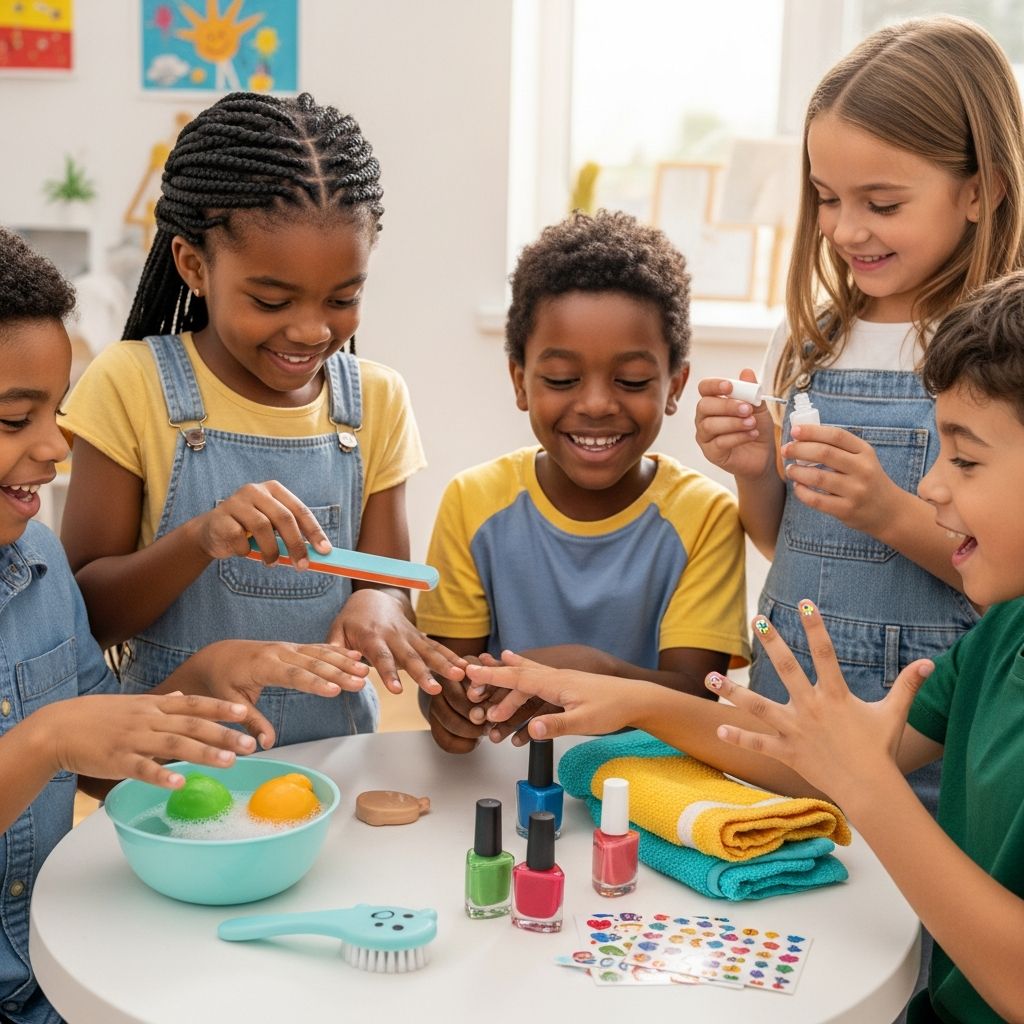
Transform care into playtime with at-home spa sessions. Soak hands in warm soapy water, trim, buff, then apply color. Add stickers or glitter for designs like animals or stars—easy for small hands.
**Step-by-Step Kid Manicure:**
- Soak hands 5 minutes.
- Trim and file smoothly.
- Apply base coat.
- Polish with 2 thin layers.
- Top coat and dry.
- Decorate with stickers.
These activities build fine motor skills and bonding moments.
Stopping Bad Nail Habits Early
Nail biting affects many kids, damaging beds and inviting germs. Keep nails short, apply bitter-tasting polishes, or use fun designs as deterrents. Positive reinforcement and stress-relief alternatives like fidget toys help.
Thumb sucking similarly warps growth; consult pediatricians for strategies. Deep pressure activities, like squeezing stress balls, calm sensory needs.
Spotting and Treating Common Nail Problems
Watch for signs like yellowing (fungus), redness (infection), or curling (ingrown). Soak affected areas in warm water; seek doctors for persistent issues. Tight shoes cause many toenail woes—ensure roomy fit.
| Problem | Symptoms | Home Fix | When to See Doctor |
|---|---|---|---|
| Ingrown Nail | Pain, swelling | Soak, loose shoes | No improvement in 2 days |
| Fungal Infection | Thick, brittle | Keep dry, antifungal | Spreading or painful |
| Biting Damage | Short, jagged | Moisturize, cover | Infection signs |
Building Lifelong Nail Care Habits
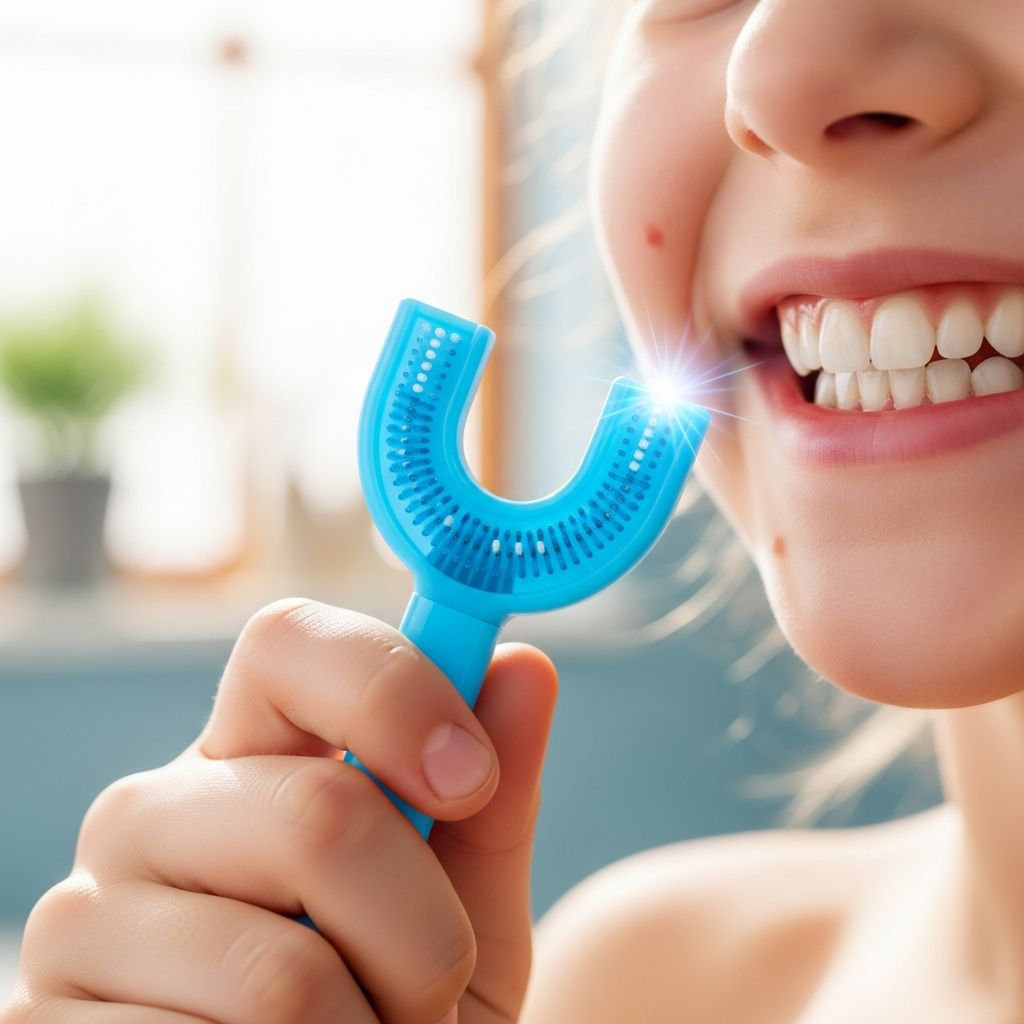
Start young with routines tied to brushing teeth. Demonstrate, then let kids try under supervision. Praise efforts to encourage independence. By teens, they’ll maintain hygiene naturally.
Protect during chores with gloves and limit polish to special occasions to avoid dryness.
Frequently Asked Questions (FAQs)
Q: How often should I trim my child’s nails?
A: Trim fingernails every 1-2 weeks and toenails every 2-4 weeks, or as needed to keep them short and clean.
Q: What polish is safe for kids with allergies?
A: Choose water-based, hypoallergenic, non-toxic brands without harsh chemicals like toluene.
Q: How to stop a child from biting nails?
A: Keep nails trimmed, use fun polishes or stickers, and offer alternatives like chew toys or rewards.
Q: Can kids get nail fungus?
A: Yes, especially toenails; keep feet dry, wear breathable shoes, and treat early with doctor advice.
Q: Best time to trim baby nails?
A: After bath or during sleep using baby tools to avoid scratches.
References
- Finger and Toenail Care for Kids — Nationwide Children’s Hospital. 2025-05-01. https://www.nationwidechildrens.org/family-resources-education/700childrens/2025/05/finger-and-toenail-care-for-kids
- Nail Care: Fingers and Toes — American Academy of Pediatrics (HealthyChildren.org). 2023-01-15. https://www.healthychildren.org/English/ages-stages/baby/bathing-skin-care/Pages/Nail-Care-Fingers-and-Toes.aspx
- Your Nails (for Kids) — Nemours KidsHealth. 2024-08-20. https://kidshealth.org/en/kids/your-nails.html