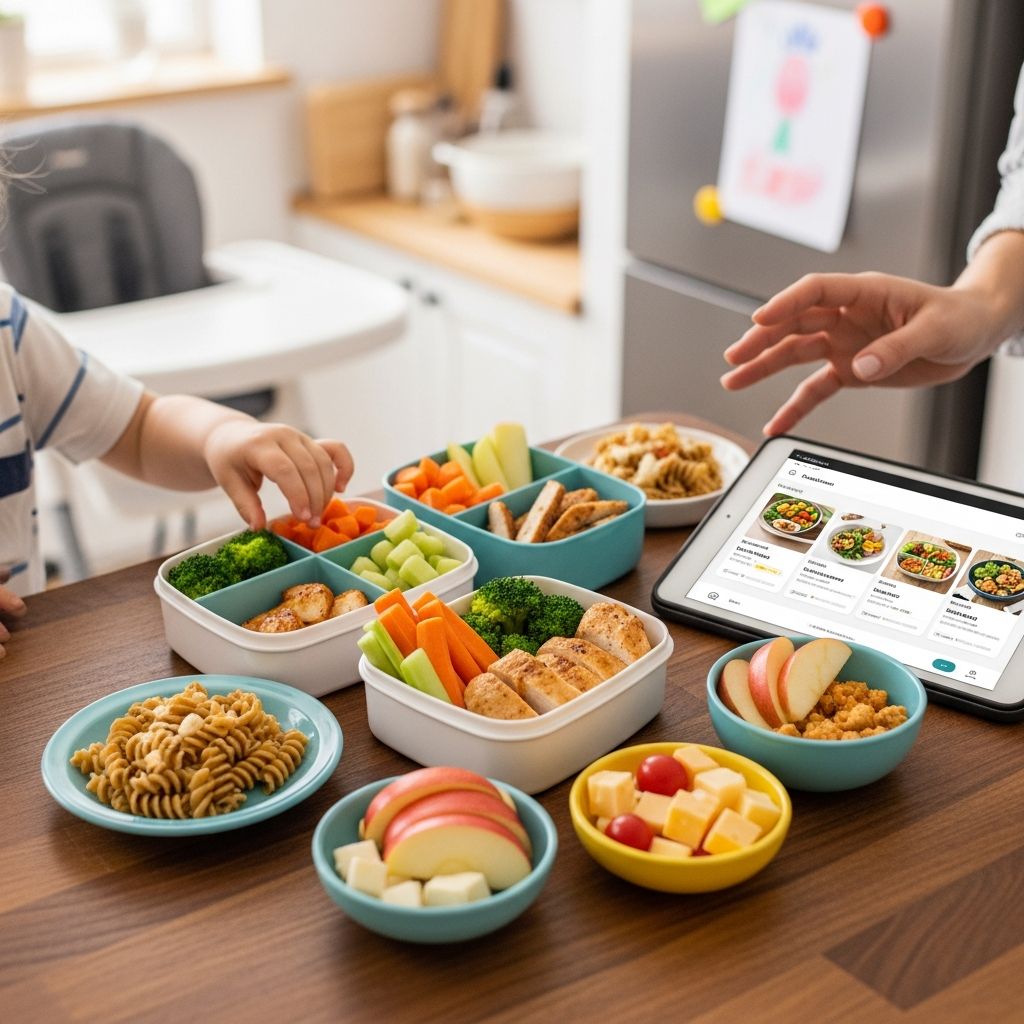
Managing meals for kids can feel like a second full-time job: planning, shopping, prepping, cooking, and cleaning up, all while trying to keep nutrition, budget, and picky preferences in balance. Meal delivery for kids has exploded in popularity because it promises to take away a big chunk of that work without sacrificing quality or taste. This guide walks you through how these services work, what to watch for, and how to decide if they are right for your family.
Why Parents Are Turning to Kids’ Meal Delivery
Children’s meal delivery services have moved beyond novelty and into everyday life for many families. They are designed to simplify mealtimes while still offering variety and nutrition tailored to young eaters.
- They reduce the time spent shopping, chopping, and planning.
- They offer convenient access to balanced meals that are usually dietitian- or chef-designed.
- They can introduce kids to new flavors in a low-effort, low-stress way.
Types of Meal Delivery Options for Kids
Not all meal delivery services for kids are the same. Understanding the main formats will help you pick a style that fits your schedule, cooking comfort level, and children’s ages.
1. Ready-to-Heat Kids’ Meals
These are fully prepared, pre-portioned meals that you store in the refrigerator or freezer and heat up in just a few minutes. They are ideal for busy evenings, childcare handoffs, or when cooking simply isn’t realistic.
- Minimal prep: usually just heat in the microwave or oven.
- Portion sizes sized for babies, toddlers, or older kids.
- Useful as backup options for nights when plans change.
2. Meal Kits for Families with Kids
Family-friendly meal kits arrive with pre-measured ingredients and simple recipes you cook at home. Many services label certain recipes as “kid-friendly” or “family favorites” with milder flavors and simple textures.
- Encourages cooking skills and family involvement in the kitchen.
- Less food waste because ingredients are portioned for each recipe.
- Good compromise for parents who still enjoy cooking but want to skip meal planning.
3. Baby and Toddler-Specific Plans
Some companies cater specifically to babies and toddlers, offering purees, finger foods, and small-portion meals with soft textures and simple ingredient lists. These are designed for early eaters who are learning to chew and self-feed.
- Stage-based options for babies transitioning from purees to more complex textures.
- Smaller portions and softer foods tailored to younger children’s needs.
- Frequent inclusion of vegetables and iron-rich ingredients.
4. Add-On Snacks and Lunch Items
Beyond full meals, many services offer snack boxes, lunch components, or side dishes that can round out what you already cook at home. These can help parents upgrade lunchboxes or after-school snacks without more prep time.
- Snack packs, smoothies, and bars focused on fewer artificial ingredients.
- Portable options for school, daycare, and activities.
- Easy swaps for less nutritious packaged snacks.
Key Benefits of Kids’ Meal Delivery
Parents often sign up for convenience, but the advantages go well beyond a faster dinner. Used thoughtfully, a good kids’ meal service can support long-term healthy habits and reduce family stress.
- Time savings: Less planning, shopping, and cleanup means more time to connect with kids or rest.
- Consistency: Regularly having balanced meals on hand makes it easier to avoid last-minute takeout.
- Exposure to variety: Pre-planned menus often introduce vegetables, whole grains, and global flavors slowly and repetitively in a kid-friendly way.
- Built-in portion control: Individual meals can provide reasonable portions appropriate to a child’s age.
- Stress reduction: Simplified mealtimes can defuse nightly power struggles and decision fatigue.
Potential Drawbacks to Consider
While these services can be valuable tools, they are not perfect. Understanding the trade-offs helps you decide whether to commit, combine with home cooking, or use them as an occasional backup.
- Cost: Per-meal prices are generally higher than cooking from scratch with groceries.
- Packaging waste: Individual trays, ice packs, and boxes can add up unless the materials are recycled or reused.
- Limited personalization: Even with filters, some kids’ preferences or allergies may be hard to accommodate fully.
- Menu fatigue: If your child is picky, they might gravitate to the same few meals repeatedly.
What to Look For in a Kids’ Meal Delivery Service
Not all services that claim to be “kid-friendly” offer the same quality, nutrition, or convenience. Use the criteria below as a checklist when you evaluate different companies.
| Factor | Questions to Ask | Why It Matters |
|---|---|---|
| Nutrition quality | Are vegetables, whole grains, and protein present in most meals? | Supports growth, energy, and healthy long-term habits. |
| Ingredients | Are there artificial colors, flavors, or preservatives? | Simple ingredient lists are easier to understand and trust. |
| Allergy and diet options | Can you filter for common allergens (dairy, nuts, gluten, soy)? | Essential for safety and comfort for sensitive kids. |
| Age appropriateness | Are textures and portion sizes labeled by age range? | Ensures younger kids can safely chew and older kids feel satisfied. |
| Menu variety | How often do meals rotate and introduce new options? | Reduces boredom and expands kids’ palates over time. |
| Preparation time | How long from fridge/freezer to table? | Must realistically fit into your family’s schedule. |
| Price and value | How does the per-meal cost compare to your usual groceries? | Helps you decide whether to use it full-time or as a supplement. |
| Shipping and sustainability | Are boxes recyclable or reusable? Are there shipping fees? | Lowers environmental impact and avoids surprise costs. |
| Flexibility | Can you skip weeks, pause, or adjust the plan easily? | Important for vacations, schedule changes, or budget shifts. |
Matching Meal Delivery to Your Child’s Age
Your child’s age and feeding stage significantly affect which style of service will be most helpful. While every kid is unique, the guidelines below can serve as a starting point.
Babies Learning to Eat (Around 6–12 Months)
At this stage, parents are often juggling breastmilk or formula with the introduction of solids and new textures. Services that offer purees and very soft finger foods can support this transition.
- Look for simple, single-ingredient or short-ingredient-list purees.
- Prioritize iron-rich options like meats, beans, or fortified grains.
- Choose soft, graspable finger foods cut into safe shapes.
Toddlers (1–3 Years)
Toddlers are often enthusiastic one day and suspicious eaters the next. They need meals that are soft enough to chew, easy to pick up, and flavorful without being too spicy.
- Favor meals with a mix of familiar favorites and small portions of new foods.
- Opt for bite-sized components that encourage self-feeding.
- Check sodium and added sugar levels to avoid overly processed options.
Preschool and Early Elementary (4–8 Years)
Kids at this age usually have more established preferences but can also enjoy helping choose and prepare meals. Family-style kits or larger individual portions can work well.
- Involve your child in selecting weekly menu items online.
- Encourage simple kitchen tasks: stirring, sprinkling cheese, arranging toppings.
- Gradually introduce more complex flavors and textures alongside familiar sides.
Tweens (9–12 Years)
Older kids often have busier schedules and growing appetites. Meal delivery can support independence by giving them meals they can safely heat and assemble themselves.
- Check portion sizes and consider adding extra sides if your child is very active.
- Teach safe reheating and basic food safety rules.
- Let them customize meals with simple add-ons like extra veggies, cheese, or sauces.
Budgeting for Kids’ Meal Delivery
Cost is one of the biggest factors when deciding whether to commit to a subscription. A little planning can help you fit a meal service into your budget without overspending.
- Compare the per-meal price to your typical grocery spending for kids’ meals.
- Decide whether you will use the service for all meals, only dinners, or just a few nights each week.
- Watch for introductory discounts, but also look at the regular, ongoing price.
Strategies to Make It More Affordable
If full-time use feels too expensive, you can still benefit from kids’ meal delivery by combining it with other approaches.
- Use services only for weeknights and cook more from scratch on weekends.
- Order fewer fully prepared meals and bulk up plates with simple sides like frozen vegetables, fruit, or rice.
- Rotate between different companies or plans when promotions are available, as long as your child adapts well to change.
Allergies, Intolerances, and Dietary Preferences
Families managing allergies or dietary restrictions must pay extra attention to labels and kitchen practices. Many kids’ meal delivery providers offer tools to help with this, but policies vary widely.
- Review allergen statements carefully and check whether meals are produced in shared facilities.
- Look for clear icons or filters for dairy-free, gluten-free, nut-free, or vegetarian options.
- If necessary, contact customer support to confirm how cross-contact is managed.
How to Introduce Meal Delivery to Picky Eaters
Parents of selective eaters sometimes worry that pre-prepared meals will go untouched. A thoughtful transition strategy can make kids more open to trying new dishes from a box.
Step-by-Step Approach
- Start with familiar flavors: Choose meals similar to foods your child already enjoys, such as pasta, chicken, or mild tacos.
- Pair with safe sides: Serve new main dishes alongside “safe” foods your child reliably eats, like fruit or bread.
- Use tasting language: Encourage one or two bites without pressuring them to finish everything.
- Offer control: Let your child help pick next week’s meals or toppings for delivered dishes.
- Repeat exposure: Reintroduce previously rejected meals after a few weeks; repeated, low-pressure exposure often pays off.
Blending Meal Delivery with Home Cooking
Kids’ meal services do not have to replace home cooking. Many families find the best balance by treating them as one tool among many to make food easier and healthier.
- Reserve delivered meals for your busiest nights and cook simpler dishes on calmer days.
- Use prepared mains with homemade sides, such as roasted vegetables or salads.
- Turn kits into learning moments, teaching kids basic knife skills or measuring.
Sample Weekly Plan Using Kids’ Meal Delivery
To help visualize how a service might fit into real life, consider this example of a hybrid schedule that uses both delivered meals and simple home-cooked options.
| Day | Plan | How It Helps |
|---|---|---|
| Monday | Delivered ready-to-heat kids’ meals | Easy start to the week after a busy day. |
| Tuesday | Family-friendly meal kit cooked together | Builds skills and creates a shared activity. |
| Wednesday | Simple homemade one-pot dish | Stretches the budget and uses pantry items. |
| Thursday | Delivered meals plus extra steamed veggies | Fast dinner on a busy activity night. |
| Friday | Fun food night (pizza or build-your-own bowls) | Flexible way to use up remaining kit ingredients. |
Practical Tips for Getting the Most from Your Subscription
Once you sign up, a little organization will help you avoid waste and get maximum value from each shipment.
- Unpack boxes as soon as they arrive and store items according to the instructions.
- Check use-by or best-by dates and jot a simple meal schedule on the fridge.
- Freeze meals you don’t plan to use right away, if the service allows it.
- Keep basic sides on hand (rice, bread, frozen vegetables, fruit) to stretch smaller portions.
- Note which meals your child loves or refuses so you can adjust future orders.
Frequently Asked Questions About Kids’ Meal Delivery
Are kids’ meal delivery services healthy?
Many services emphasize balanced nutrition, but healthfulness varies widely. Look for meals that include vegetables, whole grains, and quality proteins more often than refined starches and added sugars. Reading nutrition labels, scanning ingredient lists, and checking sodium levels will give you a clearer picture than marketing claims alone.
Can kids’ meal delivery replace all home cooking?
In theory, you could rely entirely on delivered meals, but most families find a middle ground works best. Using meal delivery as a support system—rather than a complete replacement—gives kids exposure to home-cooked favorites, cultural dishes, and family recipes while still easing the weeknight workload.
How many meals per week should I order?
The right number depends on your schedule, budget, and how much you enjoy cooking. Some parents start with two or three dinners a week to cover their busiest days, then adjust up or down based on how often the meals are eaten, how full the freezer gets, and overall satisfaction.
What if my child doesn’t like the meals?
Almost every family experiences some trial and error. Begin with familiar flavors, consider splitting one meal between two younger children for low-risk taste tests, and be prepared to try a different brand or plan if the first one is not a match. Many companies allow you to update future orders quickly if certain recipes are a clear miss.
Is kids’ meal delivery environmentally friendly?
Shipping and packaging do create a footprint, but some services use recyclable or compostable materials and plan routes to reduce waste. You can lessen the impact by reusing ice packs, recycling boxes and trays when possible, and consolidating your orders so shipments are less frequent.
Final Thoughts: Making Mealtime Work for Your Family
Kids’ meal delivery is not a magic solution, but it can be a powerful tool. When chosen carefully and used flexibly, it can reduce stress, support healthier eating, and free up energy for the parts of parenting that matter most—listening, playing, and simply being together at the table, however that table is set.