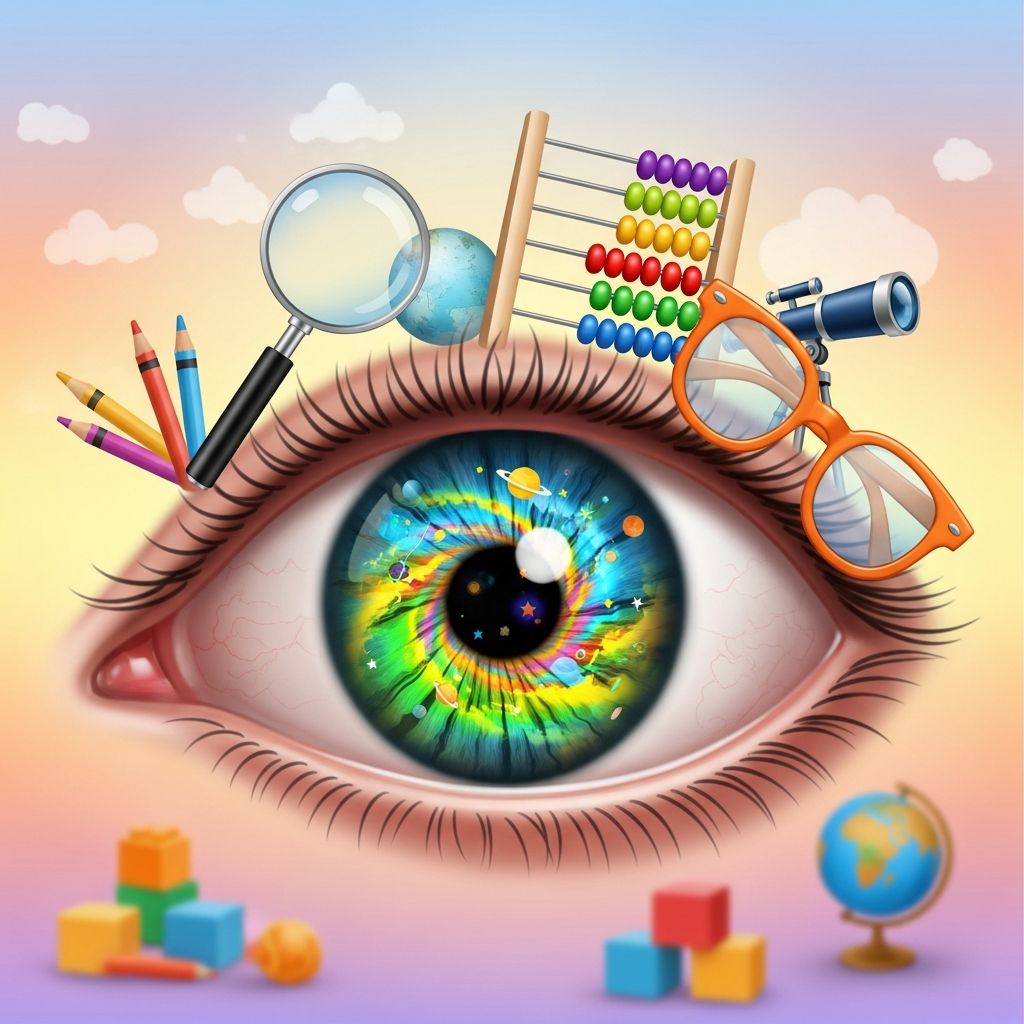
Your eyes help you read, play, explore, and recognize the people you love. They are small, delicate, and incredibly powerful, which makes taking care of them very important. This guide will help you understand how eyes work, why vision sometimes gets blurry, and what you can do every day to keep your eyes safe and strong.
Why Your Eyes Matter So Much
Eyes are one of your main ways of understanding the world. They help you see colors, shapes, movement, and the faces of your friends and family. When your eyes work well, everything from schoolwork to sports becomes easier and more enjoyable.
- Most of what you learn in school uses your eyes, like reading, writing, and looking at the board.
- Good vision helps you stay safe when crossing the street, riding a bike, or playing games.
- Healthy eyes help you enjoy hobbies like drawing, video games, and watching movies.
Meet the Main Parts of Your Eye
Each eye is like a tiny camera. Every part has a job that helps create a clear picture in your brain. You do not feel most of the work happening because your eyes are busy every second you are awake.
| Eye Part | Where It Is | Main Job |
|---|---|---|
| Cornea | Clear front surface of the eye | Bends (focuses) light as it enters the eye. |
| Pupil | Black-looking opening in the center | Lets light in, like a doorway for light. |
| Iris | Colored ring around the pupil | Controls how big or small the pupil is. |
| Lens | Behind the iris and pupil | Fine-tunes focus so things look sharp close up or far away. |
| Retina | Thin layer at the back of the eye | Changes light into signals that go to your brain. |
| Optic nerve | Behind the eyeball | Carries signals from the eye to the brain, where images are formed. |
How Seeing Actually Works
Seeing is a teamwork project between your eyes and your brain. Light bounces off objects around you, enters your eyes, and is turned into messages your brain can understand. This happens so quickly that it seems instant.
- Light reflects off things like books, balls, or trees and travels into your eye.
- It passes through the cornea, pupil, and lens, which bend the light so it focuses on the retina.
- The retina sends signals through the optic nerve to your brain.
- Your brain flips and sharpens the image so you see it clearly and right side up.
Near, Far, and In Between: Common Vision Problems
Sometimes, the eye does not focus light perfectly. This can make things look blurry, either up close or far away. Many kids have vision problems, and wearing glasses or contacts can often make things much clearer.
- Nearsightedness: You see nearby things clearly, but faraway objects (like the board at school) look blurry.
- Farsightedness: Distant objects look clearer than close ones, so reading or doing homework up close may be hard.
- Astigmatism: The eye is shaped more like a football than a perfect ball, so vision can be blurry both near and far.
An eye doctor can test your vision and, if needed, give you a prescription for glasses or contacts so the light focuses properly on your retina.
Clues That Your Eyes Need Help
Kids do not always know that their vision is not normal because blurry sight can feel “normal” if it has always been that way. Paying attention to how you feel when you use your eyes can reveal important clues.
- Squinting or tilting your head to see the board or TV.
- Sitting very close to the screen when watching shows or playing games.
- Frequent headaches, especially after reading or doing homework.
- Rubbing your eyes a lot, even when you are not tired.
- Losing your place while reading or needing to use your finger to track words all the time.
- Avoiding reading or complaining that your eyes “hurt” or “feel tired.”
If you notice any of these signs, tell a parent, teacher, or another trusted adult so they can help you schedule an eye exam.
What Happens During a Kid-Friendly Eye Exam
Going to the eye doctor is usually quick, painless, and sometimes even fun. The eye care professional wants to make sure you can see clearly and that your eyes are healthy inside and out.
- Question time: You or your parent may be asked about headaches, squinting, or trouble seeing the board.
- Reading charts: You read letters, numbers, or symbols on a chart to check how clearly you see at different distances.
- Lens testing: You look through a special tool while the doctor switches lenses and asks which one makes letters look sharper.
- Health check: Lights and special instruments are used to look at the front and inside of your eyes.
- Next steps: If you need glasses or other care, the doctor explains what will help your eyes the most.
Glasses, Contacts, and Other Vision Helpers
If your vision is blurry, glasses or contact lenses can bend light so that it lands in exactly the right place on your retina. This makes the world look sharp and clear again. Plenty of kids wear glasses, and they come in many fun styles and colors.
- Glasses are easy to wear, simple to clean, and can become a cool part of your style.
- Contact lenses sit directly on your eye and may be an option when you are older and ready for extra cleaning and care steps.
- Special treatments may be used for certain conditions, like patching one eye to help a weaker eye grow stronger.
Double Trouble: When Eyes Don’t Work Together
In some kids, the eyes do not point in exactly the same direction or one eye is weaker than the other. Eye doctors can often treat these problems best when they are found early.
- One eye may drift inward, outward, up, or down while the other eye looks straight.
- A weaker eye may not send strong signals to the brain, which can affect how clearly you see.
- Treatments can include glasses, patching, eye exercises, or special eye drops, depending on what the doctor finds.
Everyday Habits That Protect Your Eyes
Small daily choices can make a big difference to your eye comfort and long-term vision. Think of these habits as a “care routine” for your sight.
- Give your eyes breaks: Every 20 minutes of reading or screen time, look at something far away for about 20 seconds.
- Blink often: Blinking keeps your eyes moist and comfortable, especially when you are staring at a screen.
- Read with good lighting: Use a lamp or sit near a window so you are not reading in dim light.
- Wear the right glasses: If you have a prescription, use your glasses when you are supposed to.
- Sleep enough: Rested eyes feel less dry, itchy, and tired during the day.
Screen Time: Fun and Safe for Your Eyes
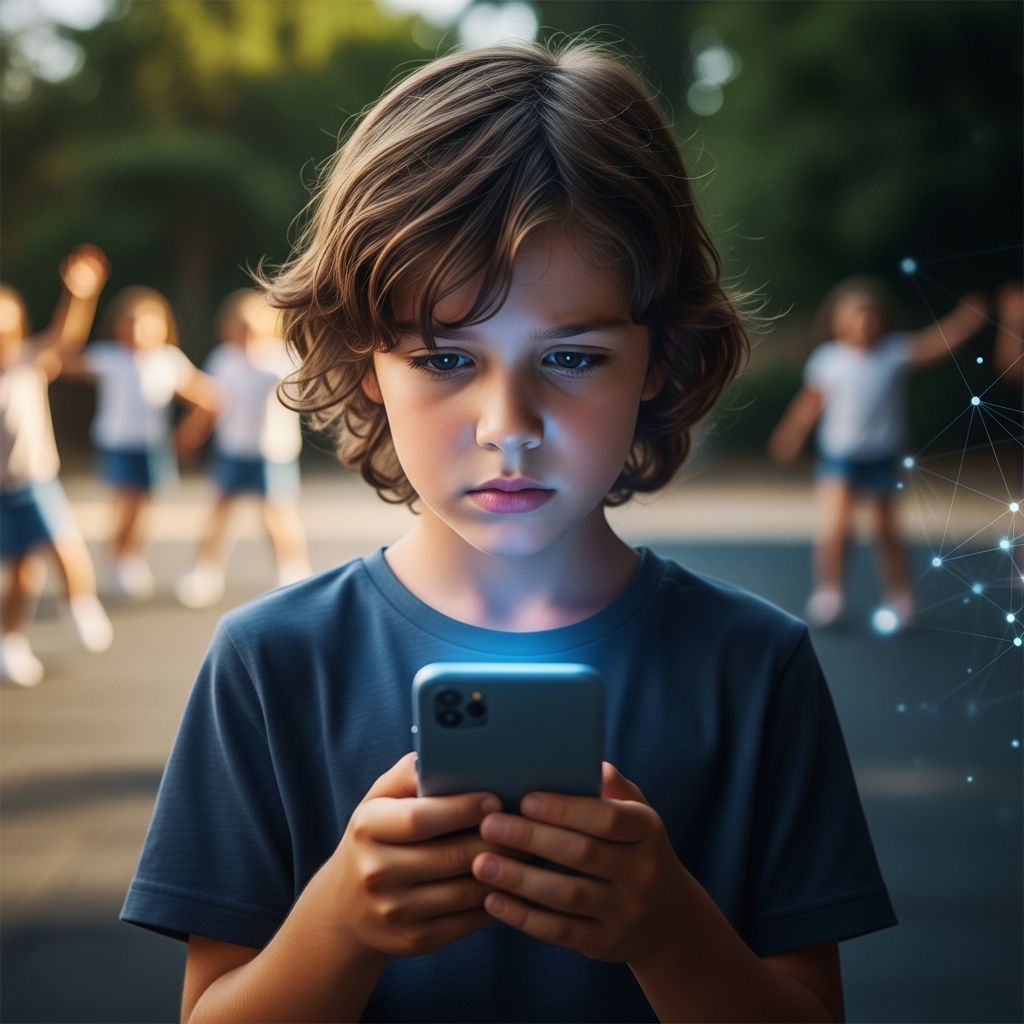
Tablets, computers, and phones are part of everyday life, but long screen sessions can make your eyes feel dry, tired, or sore. You do not have to give them up, but you can learn to use them in eye-friendly ways.
- Keep screens about an arm’s length away from your face when possible.
- Avoid using screens in a totally dark room; turn on a small light instead.
- Take short movement breaks so your whole body—and your eyes—can relax.
- Ask adults to help you follow healthy screen time limits that fit your age.
Sun, Sports, and Safety Gear
Your eyes need protection just like your skin and your head do. Bright sunlight and fast-moving sports can put your eyes at risk if you are not careful. The good news is that simple gear can make a huge difference.
- Sun safety: Wear sunglasses that block most UV rays and a hat with a brim when you are outdoors on bright days.
- Sports protection: Use protective sports goggles or a helmet with a face shield for activities like baseball, basketball, hockey, or biking.
- No dangerous play: Avoid pointing sharp objects near anyone’s face, even as a joke.
Clean Hands, Happy Eyes
Your hands touch many things during the day, including germs and dust. When those hands rub your eyes, they can spread infection or irritate delicate eye tissues. Keeping your hands clean and away from your eyes helps prevent many common problems.
- Wash your hands before touching your eyes, your face, or your glasses.
- Try not to rub your eyes; use a clean tissue if they itch or water a lot.
- Never share eye makeup or eye drops, even with friends or family.
When Eyes Get Red, Itchy, or Watery
Sometimes eyes feel uncomfortable or look different. This can happen from allergies, infections, or just being very tired. Paying attention to these changes and telling an adult helps you get help quickly if needed.
- Red or pink eyes that are painful or make yellow or green gunk need medical attention.
- Allergies can cause itchiness, tearing, and swollen eyelids, especially at certain times of the year.
- Burning or dryness can happen after long periods of screen time or not blinking enough.
If your eyes suddenly hurt a lot, your vision changes quickly, or bright light bothers you more than usual, ask an adult to get help from a doctor right away.
Food That Feeds Your Eyes
Healthy eyes are not just about what you look at; they are also about what you eat. Certain foods give vitamins and nutrients that support your vision and help keep your eyes working well as you grow.
- Colorful fruits and vegetables, like carrots, sweet potatoes, spinach, and oranges.
- Foods with healthy fats, such as fish, nuts, and seeds (if your family eats them and you are not allergic).
- Plenty of water to stay hydrated, which helps keep your eyes comfortable.
Fun Eye-Friendly Challenges
Turning eye care into a game can make healthy habits easier to remember. Try a few simple challenges and track how often you complete them during the week.
- Blink challenge: During a 10-minute screen session, remind yourself to blink gently and fully instead of staring.
- Outdoor time goal: Aim to play outside safely for a while each day, with sun protection when needed.
- 20-20 break game: Every 20 minutes of near work, look at something far away and count slowly to 20.
Frequently Asked Questions About Kids’ Eyes
Do all kids need eye exams?
Yes. Even if things look clear to you, regular eye checkups help catch problems early, sometimes before you notice any symptoms. Your doctor or eye specialist can tell your family how often you should come in based on your age and health.
Is it bad if I wear someone else’s glasses?
Trying a friend’s or parent’s glasses for fun can make things look strange or give you a headache. Glasses are made for one person’s eyes, so it is best to only wear the pair that has been prescribed for you.
Can looking at screens damage my eyes forever?
Normal screen use with breaks usually does not cause permanent damage, but it can make your eyes feel dry or tired. Using good habits like taking breaks, sitting at a sensible distance, and blinking often helps your eyes feel better.
Will I have to wear glasses forever once I start?
Some kids need glasses only for a certain time, while others wear them most of their lives. Your need for glasses can change as you grow, so your eye doctor will explain what is best for you at each visit.
Can I still play sports if I wear glasses?
Absolutely. Many kids play sports safely with glasses or special sports goggles. Some even prefer goggles because they protect their eyes from balls, flying objects, or accidental bumps.
Growing Up With Healthy Eyes
Your eyes are with you every step of the way as you grow, learn, and explore. When you understand how they work and what they need, you can make smart choices that keep them clear and comfortable. If you ever have questions or notice changes in your vision, talking to a trusted adult and an eye doctor is the best way to protect your amazing eyes for the future.