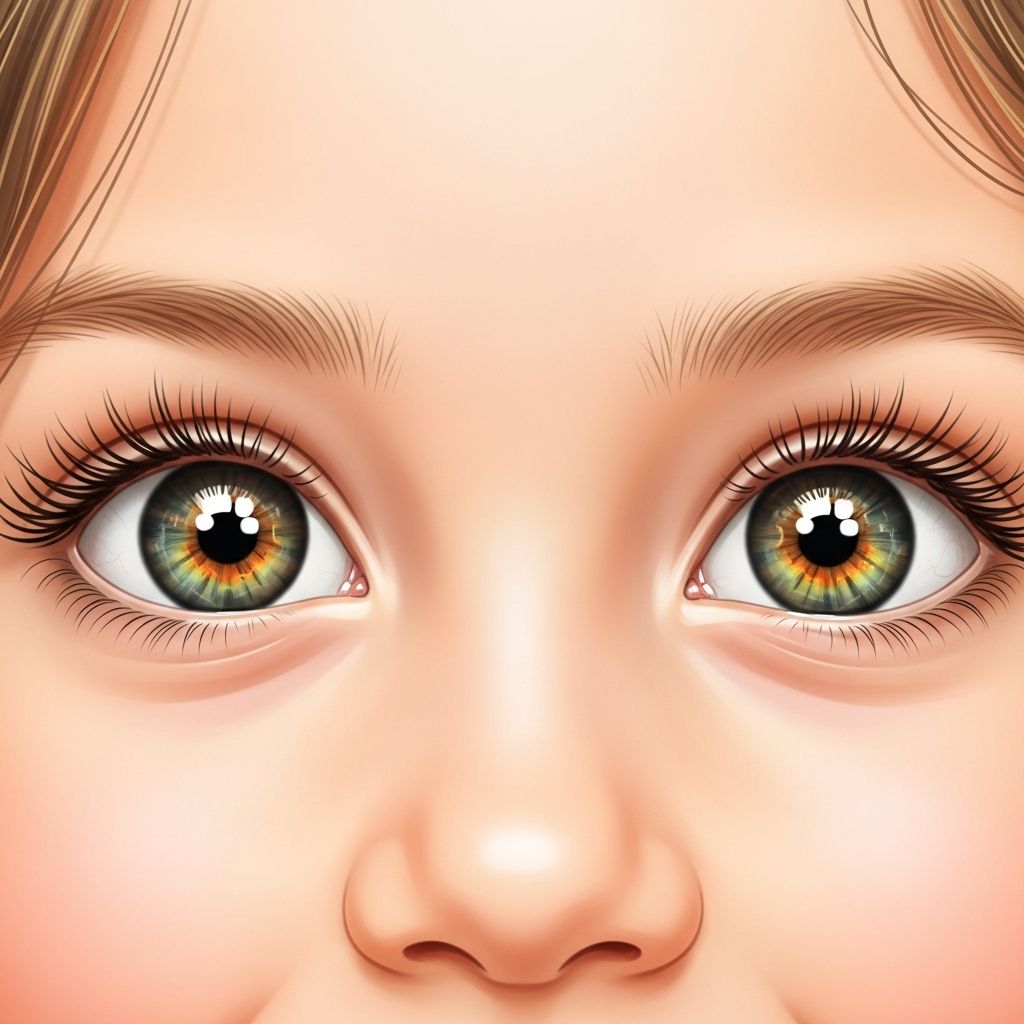
Your eyes are like super cameras that help you see the world in color, catch a ball, read books, and spot your friends across the playground. But just like any cool gadget, they need care to work their best. This guide explains how eyes do their magic, what can go wrong, and simple ways to keep them healthy.
How Do Your Eyes Work?
Imagine your eye as a magic ball filled with light-bending tricks. Light from the sun, a screen, or a toy bounces into your eye through the clear front part called the **cornea**. It then passes through the pupil, which is like a adjustable window controlled by the colored iris. A lens inside focuses the light onto the retina at the back, turning it into signals your brain understands as pictures.
- Cornea and lens team up to bend light rays perfectly for sharp images.
- Retina cells – rods for low light and cones for colors – capture the scene.
- Optic nerve races the info to your brain faster than you can blink!
Fun fact: You blink about 15-20 times a minute to keep eyes wet and clean, like tiny windshield wipers.
Common Eye Adventures Kids Face
Kids’ eyes grow fast, so glitches can pop up. About 1 in 4 school kids has a vision issue needing help, like trouble seeing up close or far away.
| Issue | What Happens | Why It Matters |
|---|---|---|
| Farsightedness (Hyperopia) | Blurry near stuff, like books or phones. | Can cause headaches, tired eyes, or mix-ups with crossed eyes. |
| Nearsightedness (Myopia) | Far things look fuzzy, like the board. | Screens too much speeds it up; outdoors slows it. |
| Lazy Eye (Amblyopia) | Brain ignores one eye, making it weak. | Fix early or it sticks forever. |
| Crossed Eyes (Strabismus) | Eyes don’t team up on one spot. | Messes with depth and learning. |
Color confusion hits over 12% of boys, mixing reds and greens like muddy browns. These aren’t scary – glasses, drops, or exercises often fix them if caught soon.
Screen Time and Your Peepers
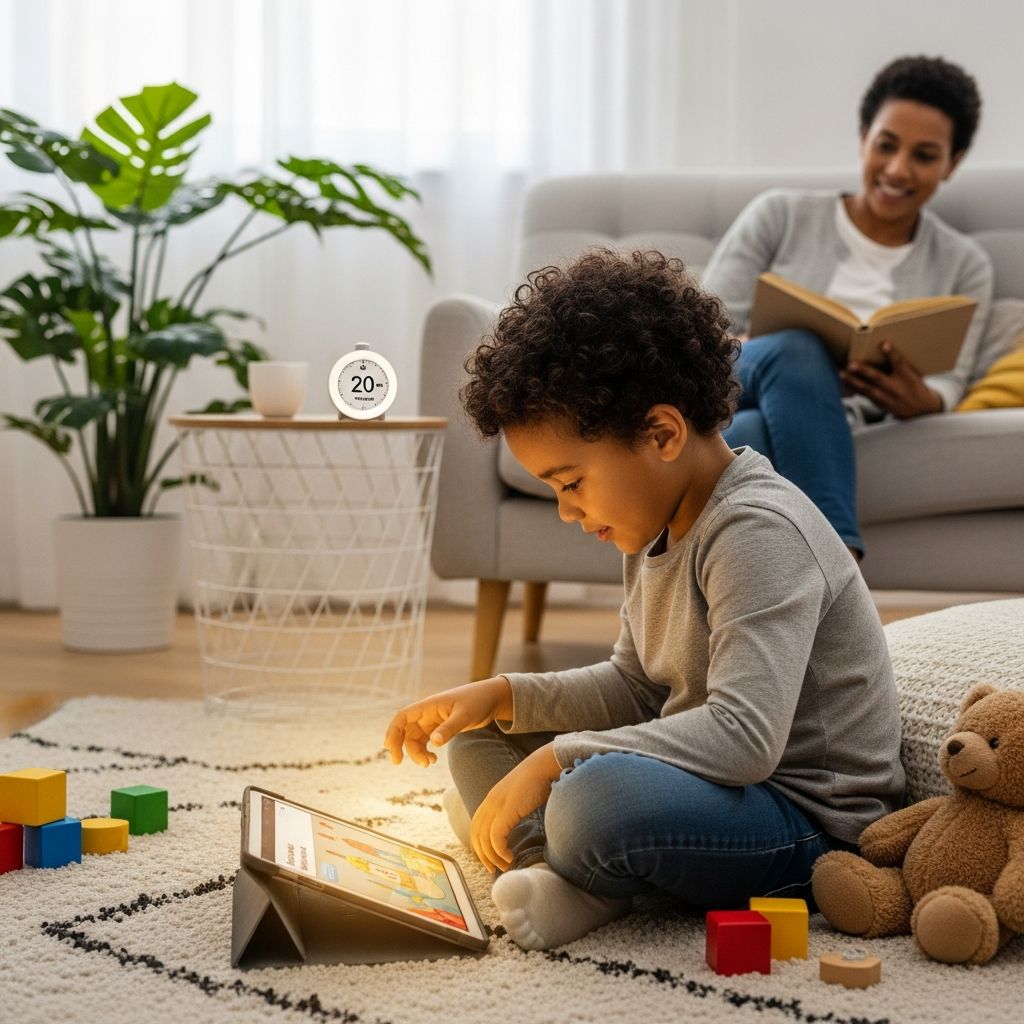
Screens are fun for games and videos, but staring too long strains eyes. Too much close-up work boosts myopia risk, especially post-pandemic with extra device time. Follow the **20-20-20 rule**: every 20 minutes, look 20 feet away for 20 seconds.
- Push back from screens – hold at arm’s length.
- Mix in outdoor play; sunlight helps prevent fuzzy distance vision.
- Dim lights match screen glow to cut glare.
Get 9-12 hours of sleep nightly so eyes recharge – tired ones ache more.
Sports, Play, and Eye Safety Champs
Sports rock, but they’re top cause of kid eye hurts, especially baseball or hockey where balls fly fast. Good news: 90% of injuries stop with gear!
- Wear **polycarbonate goggles** for contact games or racquets.
- Skip sharp toys; store cleaners high up.
- Sunglasses block UV rays that harm over time.
If something splashes in, rinse with water 15 minutes and rush to a doctor – chemicals burn bad.
Why Eye Checkups Are Your Secret Weapon
School screenings miss up to 80% of problems; full exams by eye docs catch 270+ issues, even if you don’t complain. Start at 6 months, then yearly.
Vision ties to learning – fuzzy sight leads to wrong labels like ADHD when it’s just eyes. Exams spot diseases like cataracts from viruses too.
- Infants: Check for light response.
- Preschool: Test colors, tracking.
- School age: Read charts, team-up skills.
Caring for Glasses or Contacts Like a Pro
Got specs? Clean daily with soap, no shirts! Contacts need super clean hands – kids’ infections come from skimping hygiene.
- Wash hands before touch.
- Never sleep in them unless doc says.
- Replace on schedule; toss old solution.
Parents, watch teens start contacts – guide till habits stick.
Fun Eye Facts to Wow Friends
- Humans see millions of colors thanks to three cone types.
- Sharks’ eyes glow; owls see super far.
- Your eyeballs stay same size from birth, but nose grows!
- Blink speed? 100-150 miles per hour.
Frequently Asked Questions (FAQs)
Q: How often should kids get eyes checked?
A: From 6 months, then before school and yearly – catches hidden problems early.
Q: Can too many screens hurt my eyes forever?
A: They raise myopia risk, but breaks, outdoors, and checkups keep them safe.
Q: What if I rub my eyes a lot?
A: Could mean allergies, dry eyes, or need glasses – tell a grown-up for a check.
Q: Are eye injuries common in sports?
A: Yes, #1 cause, but goggles prevent most – always wear them!
Q: Why do some kids see no colors right?
A: Color blindness, common in boys, from cone glitches – tests find it for school help.
Quick Tips for Super Vision Daily
Eat carrots (vitamin A boost), play outside, blink often, and cheer checkups. Your eyes power adventures – keep ’em shining!
References
- Healthy Eyes for Life: 10 Facts for School Children — Optometrists.org. 2023. https://www.optometrists.org/childrens-vision/vision-for-school/healthy-eyes-for-life-10-facts-for-school-children/
- Keeping children’s vision in focus — American Optometric Association (AOA). 2023-10-12. https://www.aoa.org/news/clinical-eye-care/public-health/keeping-childrens-vision-in-focus
- Facts About Children’s Vision — Prevent Blindness. 2024. https://childrensvision.preventblindness.org/facts-about-childrens-vision/
- Keep an Eye on Your Child’s Vision — Centers for Disease Control and Prevention (CDC). 2024-08-15. https://www.cdc.gov/vision-health/prevention/youth-vision-problems.html
- Vision and Eye Health — National Association of School Nurses (NASN). 2023. https://www.nasn.org/nasn-resources/practice-topics/Vision-health
- NEI for Kids — National Eye Institute (NEI), NIH. 2024. https://www.nei.nih.gov/eye-health-information/healthy-vision/nei-for-kids