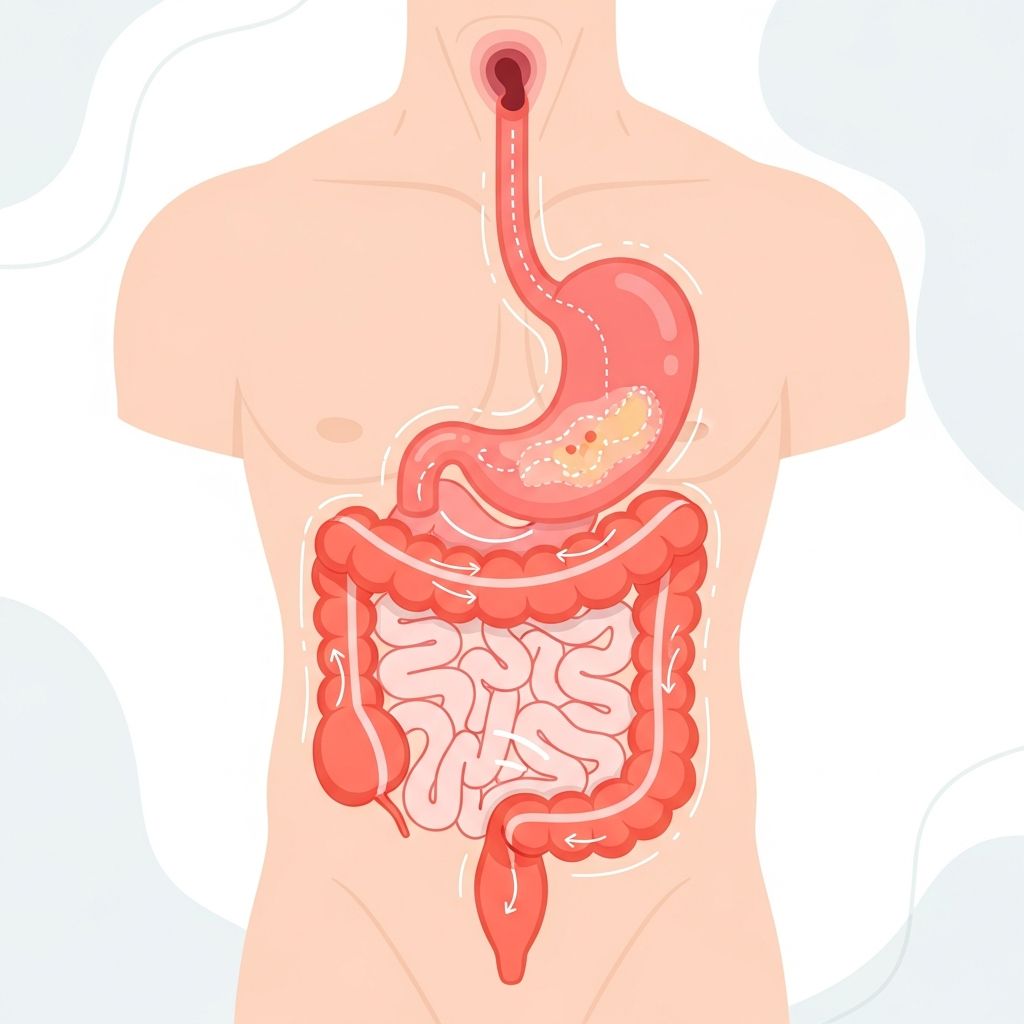
The digestive system is your child’s built-in food-processing factory. It turns meals and snacks into energy, growth, and strong immunity, while quietly getting rid of what the body no longer needs.
Why Digestion Matters for Growing Bodies
Every organ, muscle, and brain cell in your child’s body depends on nutrients that come from digestion. A healthy digestive system helps kids grow, stay active, fight infections, and focus at school.
When digestion isn’t working well, children may feel tired, cranky, or complain of tummy aches, constipation, or changes in appetite. Understanding the basics helps parents spot problems early and support better habits at home.
The Big Picture: Main Parts of the Digestive System
The digestive system is made up of a long tube plus a few powerful helper organs. Food travels through the tube, while helpers add juices and substances that break it down into tiny pieces the body can use.
The Digestive “Highway”
- Mouth: Where chewing and the first step of digestion begin.
- Throat (pharynx) and esophagus: A muscular pathway that carries swallowed food down to the stomach.
- Stomach: A stretchy, muscular sac that mixes food with powerful digestive juices.
- Small intestine: A long, narrow tube where most nutrients are absorbed into the bloodstream.
- Large intestine (colon): A wider tube that absorbs water and prepares waste for removal.
- Rectum and anus: The final section where stool is stored and then passed out of the body.
The “Helper” Organs
- Salivary glands: Release saliva into the mouth to moisten food and start breaking down starches.
- Liver: Produces bile, which helps digest and absorb fats.
- Gallbladder: Stores bile and releases it when fatty foods arrive in the small intestine.
- Pancreas: Produces enzymes that break down carbohydrates, proteins, and fats, and also makes hormones such as insulin.
Step-by-Step: Your Child’s Digestive Journey
From the moment food enters the mouth until it leaves the body, it goes through several organized steps. Each step prepares the food so that nutrients can be taken in and waste can be removed.
1. First Stop: Mouth and Chewing
Digestion begins even before the first bite, when the smell and sight of food trigger the release of saliva. As your child chews, teeth cut and grind food into smaller pieces while the tongue helps move it around.
- Saliva moistens food so it is easier to swallow.
- Natural chemicals in saliva start breaking down starches in bread, pasta, rice, and other grains.
- Good chewing gives the stomach and intestines less work to do later.
2. Swallowing and the Food Slide
Once food is chewed and formed into a small, soft ball, the tongue pushes it to the back of the mouth for swallowing. A flap of tissue in the throat helps guide food away from the airway and into the esophagus.
- The esophagus is a muscular tube that connects the throat to the stomach.
- Wavelike muscle movements gently push food downward, even if your child is lying down or upside down.
- A ring of muscle at the bottom of the esophagus opens to let food enter the stomach and then closes to prevent it from flowing back up.
3. The Stomach: Mixer and Holding Tank
The stomach acts like a combination of storage room and blender. It can stretch to hold a meal, then uses strong muscles to churn food together with acidic juices.
- Stomach juices contain acid and enzymes that break down proteins like those in meat, eggs, and dairy.
- The churning action turns solid food into a thick, soupy mixture.
- A small valve at the lower end of the stomach controls how quickly this mixture moves into the small intestine.
4. Small Intestine: Nutrient Superhighway
The small intestine is where most of the real “fuel extraction” happens. Despite its name, it is very long; it just has a smaller width than the large intestine. Here, food is mixed with juices from the intestine itself, the pancreas, and the liver.
- Enzymes from the pancreas help break large molecules of carbohydrates, fats, and proteins into much smaller units.
- Bile from the liver (stored in the gallbladder) helps turn large fat droplets into tiny ones that are easier to absorb.
- The inner surface of the small intestine is covered with tiny finger-like projections that increase surface area for nutrient absorption.
As the food mixture moves forward, nutrients such as sugars, amino acids, fatty acids, vitamins, and minerals pass through the intestinal wall into nearby blood vessels. Blood then carries these nutrients to the liver and the rest of the body.
5. Large Intestine: Water Saver and Waste Manager
By the time the leftovers reach the large intestine, most nutrients are already absorbed. What remains is mostly water, fiber, and other material that the body cannot use.
- The large intestine absorbs water and certain salts, helping keep your child’s body well hydrated.
- Helpful bacteria in the colon break down some remaining substances and produce certain vitamins.
- As water is removed, the waste material changes from a liquid to a more solid stool.
Stool is stored in the rectum until nerves signal that it is time for a bowel movement. The muscles around the anus then relax to allow stool to leave the body.
Digestive System at a Glance
The table below summarizes the major organs involved in digestion and what each one contributes.
| Organ | Main Role | Key Actions |
|---|---|---|
| Mouth | Starts digestion | Chews food, mixes with saliva, begins starch breakdown |
| Esophagus | Transports food | Uses muscle waves to move food to the stomach |
| Stomach | Mixes and breaks down | Stores food temporarily, churns, adds acid and enzymes for proteins |
| Small intestine | Absorbs nutrients | Uses enzymes and bile to finish digestion and move nutrients into blood |
| Large intestine | Manages water and waste | Absorbs water and salts, hosts helpful bacteria, forms stool |
| Liver | Produces bile | Helps digest fats and processes nutrients coming from the intestine |
| Gallbladder | Stores bile | Releases bile into the small intestine when fatty foods arrive |
| Pancreas | Makes enzymes and hormones | Releases enzymes for digestion and hormones that help control blood sugar |
How Parents Can Support Healthy Digestion
Daily habits play a large role in keeping a child’s digestive system comfortable and efficient. Simple routines at home can lower the chance of constipation, stomach pain, and other common complaints.
Smart Eating Habits
- Offer a variety of fruits, vegetables, whole grains, beans, and nuts appropriate for your child’s age.
- Include fiber-rich foods such as oatmeal, pears, berries, peas, and whole-grain bread to help keep stools soft.
- Encourage children to eat slowly, chew thoroughly, and take breaks between bites.
- Limit heavily processed foods and sugary drinks, which can sometimes upset the stomach or displace more nutritious options.
Fluids and Movement
- Make water easily available throughout the day; proper hydration helps stool move more easily through the intestines.
- Offer milk or fortified alternatives as advised by your pediatrician for bone and overall health.
- Promote daily physical activity, such as walking, playground time, or sports, which can stimulate natural bowel movements.
Bathroom Routines
- Teach your child not to ignore the urge to have a bowel movement, as holding it in can lead to constipation.
- Help younger kids feel relaxed about using the toilet, allowing enough time without pressure.
- Encourage regular handwashing before eating and after using the bathroom to reduce the risk of infections that may cause diarrhea or vomiting.
Common Digestive Symptoms in Kids
Most children experience minor digestive issues from time to time. Parents can often handle mild symptoms at home, but some signs should prompt a call to the doctor.
Typical Mild Issues
- Occasional stomachache: May come from eating too quickly, overeating, gas, or mild constipation.
- Temporary diarrhea: Can follow a viral illness, a new food, or mild food intolerance.
- Gas and bloating: Might be related to certain foods, swallowing air, or a temporary digestive slowdown.
When to Seek Medical Advice
- Severe or persistent stomach pain, especially if it wakes your child at night.
- Frequent vomiting, blood in stool, or black, tar-like stool.
- Ongoing constipation or diarrhea lasting more than a few days.
- Unexplained weight loss, poor growth, or loss of appetite.
- Fever along with tummy pain, vomiting, or diarrhea.
If you are worried or unsure, contact your child’s healthcare provider for personalized guidance.
Frequently Asked Questions About Kids’ Digestion
How long does digestion take in children?
Timing varies with age, the type of food, and your child’s activity level. In general, it can take many hours for food to move from the mouth all the way to the large intestine and be fully processed into stool.
What is a normal bowel movement pattern?
Some children have a bowel movement once a day, while others go every other day. What matters most is that stools are soft, relatively easy to pass, and your child is comfortable.
Why does my child sometimes complain of “butterflies” or queasiness?
The digestive system and the nervous system are closely connected. Stress, excitement, or worry can trigger stomach sensations, including queasiness or the feeling of “butterflies.”
Can food allergies or intolerances affect digestion?
Yes. Food allergies and intolerances can lead to symptoms such as stomach pain, diarrhea, vomiting, gas, or skin reactions. If you suspect a problem food, speak with your child’s doctor before eliminating major food groups.
Should probiotics be used for children?
Probiotics are supplements containing certain types of helpful bacteria. Some children may benefit from them in specific situations, but it is important to discuss options and safety with a pediatrician before starting any supplement.
Key Takeaways for Parents
- The digestive system is an organized pathway that turns food and drink into the nutrients children need to grow, learn, and stay healthy.
- Every major organ, from the mouth to the large intestine, has a different task in breaking down, absorbing, or eliminating food.
- Simple daily habits—balanced meals, enough fiber and fluids, regular activity, and relaxed bathroom routines—go a long way toward keeping kids’ digestion comfortable.
- Knowing what is typical makes it easier to recognize when something is wrong and when to reach out for medical advice.