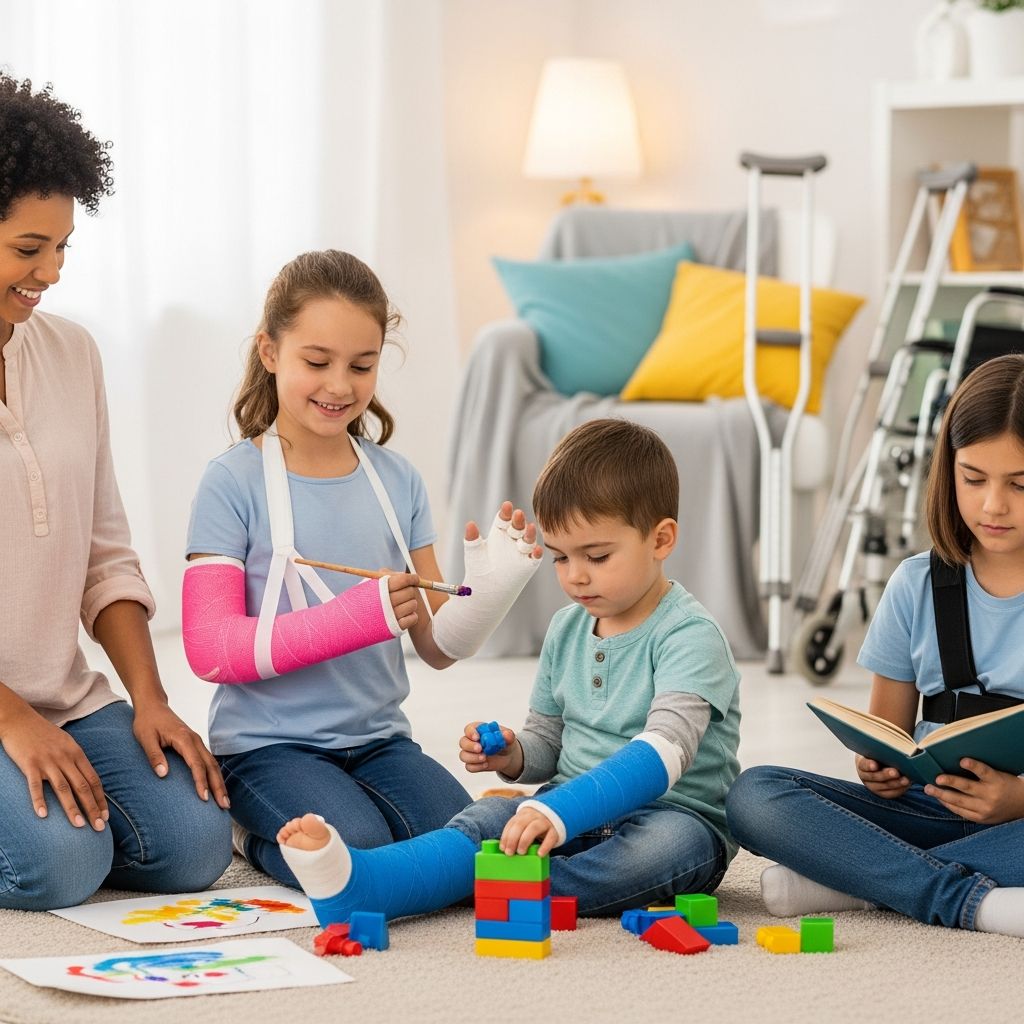
When a child breaks a bone or has a serious sprain, the word “cast” can sound scary. Yet casts and splints are some of the safest, most effective tools doctors use to protect an injured limb so it can heal properly. This guide walks you through what to expect, how to care for a cast at home, and how to keep your child comfortable and safe until the cast comes off.
Why Kids Need Casts and Splints
Casts and splints are devices that hold a bone or joint still while the body repairs itself. By keeping the injured area from moving, they help the bones line up correctly and reduce pain during healing. Children’s bones usually heal faster than adults’, so a well-cared-for cast can make a big difference in how smoothly that process goes.
Doctors may use a cast or splint for a variety of injuries, including simple fractures, more complex breaks after surgery, severe sprains, and ligament injuries near growing bones. The choice between a cast and a splint depends on the type of injury, swelling, and how long the limb needs support.
Main Differences Between Casts and Splints
Parents often use the words “cast” and “splint” interchangeably, but they are not the same. Understanding the differences can help you follow the care instructions your child’s doctor gives you.
| Feature | Cast | Splint |
|---|---|---|
| Purpose | Holds a bone or joint completely still for longer-term healing. | Provides support and limits motion, often for shorter term or early swelling. |
| Coverage | Wraps fully around the injured limb. | Covers only part of the limb and is held in place with bandages or straps. |
| Adjustability | Not adjustable once hardened. | Can usually be loosened or adjusted by a healthcare professional. |
| Use when swelling present? | Often used after major swelling has improved. | Commonly used right after injury when swelling is expected. |
| Material | Typically plaster or fiberglass around a soft padding layer. | Rigid material on one side combined with soft wrap or Velcro straps. |
Types of Casts Kids May Receive
Casts come in different shapes and materials depending on the body part and the type of injury. Your child’s doctor will choose the style that keeps the bone stable while still allowing your child to move safely where possible.
Plaster Casts
Plaster casts are made from gauze strips coated in plaster that are dipped in water and then wrapped around the limb. They take longer to fully harden and are heavier than other types, but they can be shaped very precisely around the injured area, which is helpful for certain fractures.
Because plaster softens and breaks down when wet, this kind of cast must be kept completely dry. That means extra caution at bath time and during wet weather, and careful use of any protective covers your healthcare team recommends.
Fiberglass Casts
Fiberglass casts are lighter, more durable, and more common in children. The material hardens faster, which means your child can usually move around more quickly after the cast is applied. Many kids enjoy that fiberglass comes in various colors and sometimes patterns.
Although some fiberglass casts are designed to tolerate brief splashes, the padding underneath usually is not waterproof. Even if the outside looks dry, water can soak in and stay trapped, raising the risk of skin problems. Always follow the specific “wet” or “dry” instructions you receive, as not all fiberglass casts are the same.
Water-Resistant and Special Casts
Some casts are built with padded layers that resist water, allowing short showers or shallow swimming once the doctor approves. These are often called “water-resistant” or “waterproof-style” casts, but they still have limits and may need extra drying after exposure to water.
There are also specialized casts for unique situations, such as casts used after surgery, casts designed to hold several joints at once, or casts that include removable components. These are less common and usually come with very specific instructions from the orthopedist.
What Happens When a Cast or Splint Is Put On?
Knowing what will happen ahead of time can soothe a child’s fears. The process is usually quick and done in a clinic, urgent care center, or hospital. Parents are often encouraged to stay nearby and help reassure their child during the procedure.
Step-by-Step Overview
- Exam and imaging: The medical team first examines the injury and may order X-rays or other scans to understand the break or sprain.
- Positioning the limb: The injured arm or leg is gently aligned so the bones are in the correct position for healing.
- Soft padding: A layer of cotton-like padding is wrapped around the area to protect the skin and bony spots.
- Applying the material: Plaster or fiberglass strips are placed over the padding and smoothed as they harden.
- Shaping and checking: The clinician shapes the cast or splint to support the limb and then checks circulation and comfort.
During and after the process, the team will ask your child about pain, tingling, or tightness. Encourage your child to speak up honestly, because adjustments can usually be made right away if something feels wrong.
How Long Will the Cast Stay On?
The length of time a child needs a cast or splint depends on age, the bone involved, and how serious the injury is. In general, younger children’s bones heal more quickly because their growing skeleton is very active, but they may still need several weeks of protection.
Follow-up visits allow the doctor to check healing with physical exams and, if needed, new X-rays. If progress is good, the cast may be changed to a smaller one, switched to a splint, or removed entirely once the bone is strong enough.
Daily Cast Care for Parents and Kids
Good cast care protects your child’s skin, prevents infection, and helps avoid re-injury. Turning these steps into a daily routine can make the healing period smoother for the whole family.
Keep the Cast Clean and Dry
- Cover the cast with a plastic sleeve or cast cover before showers or sponge baths, unless your medical team has clearly labeled it water-resistant.
- Wipe around the edges gently with a damp cloth if they look dirty, but do not pour water down into the cast.
- Avoid lotions, powders, or sprays near the edges, as they can soak in and irritate the skin.
Protect the Cast From Damage
- Discourage your child from jumping, climbing, or using the cast as a tool (for example, banging it on things).
- Keep sharp or heavy objects away from the cast that might crack or dent it.
- If the cast has a soft heel or sole, avoid walking on rough surfaces that could wear it down quickly.
Itch Relief Without Damaging the Cast
Itching inside the cast is one of the most common complaints from kids. While it may be tempting to slide objects under the cast to scratch, this can cause serious skin injuries.
- Use cool air from a hair dryer on the lowest, air-only setting directed at the cast opening (never hot air).
- Encourage gentle tapping or lightly rubbing the outside of the cast where it itches.
- Discuss persistent or severe itching with your child’s healthcare provider, especially if you notice any odor or drainage.
Helping Your Child Stay Comfortable
A cast can be awkward and tiring, particularly in the first few days. Small changes in daily routines can go a long way toward keeping your child comfortable and in good spirits.
Positioning and Elevation
- In the first days after the injury, prop the casted limb on pillows so it is elevated above heart level to reduce swelling.
- Change positions regularly so your child does not stay in one posture for too long, which can cause stiffness and soreness.
- Use extra pillows or rolled-up towels to support the limb at night so your child can sleep more comfortably.
Pain Management
Some pain is expected after an injury and when a cast or splint is first applied. Usually, discomfort improves significantly over the first several days.
- Follow dosing instructions for pain medicine exactly as given by the doctor or on the package label.
- Use non-medicine strategies such as distraction, deep breathing, or calm activities like reading and drawing.
- Call the healthcare provider if pain suddenly worsens, does not respond to medicine, or seems out of proportion to the injury.
Activity, Sports, and School With a Cast
Most children can continue many parts of their regular routine while wearing a cast or splint, but certain activities may need to be modified or temporarily stopped. Balancing safety with your child’s need to move and socialize is crucial.
Returning to School
- Speak with teachers and school nurses about the injury and any restrictions your child has.
- Arrange for help carrying heavy items, opening doors, or navigating stairs if your child is on crutches or using a wheelchair.
- Ask about using elevators, changing class locations, or adjusting seating to make room for the cast.
Sports and Playtime
- Avoid contact sports, jumping from heights, and rough play until the doctor clears your child to return.
- Encourage safer alternatives such as board games, crafts, reading, puzzles, or supervised, low-impact play.
- Check with coaches or physical education staff about modifications or temporary exemptions from certain activities.
Warning Signs: When to Call the Doctor
Most casts and splints do their job without problems, but it is vital to know when something might be going wrong. Trust your instincts—if your child seems much more uncomfortable than expected or you notice sudden changes, seek medical advice.
Urgent Symptoms to Watch For
- Toes or fingers that are cold, very pale, bluish, or difficult to move.
- Swelling around the cast that gets worse, especially if the cast feels tighter.
- Severe, increasing pain that does not improve with medicine and elevation.
- Burning, numbness, or tingling that starts or suddenly gets worse.
- Wet padding that does not dry, a strong bad smell, or any drainage from inside the cast.
- Cracks, soft spots, or loose areas in the cast that allow the limb to move more than before.
Call your child’s doctor, clinic, or urgent care center right away if any of these signs appear. Do not try to cut, trim, or repair the cast yourself, as this can lead to more damage or injury.
Cast Removal: What to Expect
Many children worry that removing a cast will hurt. Fortunately, the process is usually quick and painless, although the noise and vibration of the cast saw can be surprising at first. Explaining the steps ahead of time can reduce anxiety.
During Cast Removal
- In a clinic or office, a staff member uses a special saw that vibrates rather than spins, designed to cut through the cast material but not the soft padding.
- The cast is usually cut along both sides, spread apart, and peeled off carefully.
- Scissors or a small tool are then used to remove the padding and any tape or bandages underneath.
Reassure your child that the saw is loud but safe when used properly. Many parents find it helpful to show a short educational video or let the child watch another cast removal first, if available.
After the Cast Comes Off
- The skin may look dry, flaky, or slightly pale, and the limb may feel stiff or weak from being unused.
- A gentle wash with warm water and mild soap, followed by a soft towel dry, usually improves the skin’s appearance quickly.
- Your child’s doctor may recommend simple stretching, exercises, or physical therapy to restore strength and flexibility.
Supporting Your Child Emotionally
Beyond the physical injury, wearing a cast or splint can affect how a child feels about themselves and their daily life. Kids may worry about missing out on games, looking different, or not keeping up at school.
- Validate your child’s feelings by listening and acknowledging that the situation is frustrating or scary.
- Emphasize that the cast is a temporary tool that helps the body heal and that most kids return to normal activities afterward.
- Invite friends and family to sign or decorate the cast (if appropriate) to turn it into something positive and personalized.
Quick Tips for Parents: Do’s and Don’ts
- Do follow all instructions from your healthcare team about activity levels, bathing, and follow-up visits.
- Do check your child’s fingers or toes daily for warmth, color, and movement.
- Do keep a list of questions for each appointment, including concerns about school, sports, or trips.
- Don’t insert objects inside the cast, even if your child complains of itching.
- Don’t trim, cut, or attempt to reshape a cast without medical guidance.
- Don’t ignore drainage, foul odor, or sudden swelling; seek medical advice promptly.
Frequently Asked Questions About Kids’ Casts
Can my child shower or swim with a cast?
This depends entirely on the type of cast and the doctor’s instructions. Many traditional casts must be kept completely dry, which means sponge baths or carefully covered showers only. If your child has a water-resistant system, there will still be rules about how long it can get wet and how to dry it afterward.
Is it normal for my child’s toes or fingers to look slightly puffy?
Mild swelling can be common in the first days after an injury, especially if the limb is kept down for long periods. Elevation and gentle finger or toe movement (if allowed) usually help. However, if swelling worsens, is accompanied by color changes, or your child complains of intense pain or numbness, contact your healthcare provider.
What if the cast gets a little wet by accident?
For small splashes, pat the outside dry with a towel and use cool air from a hair dryer to blow air gently around the openings. If water soaks through to the padding or the cast feels soggy, call your child’s doctor or clinic. The cast may need to be changed to prevent skin problems.
Can my child still travel with a cast?
In many cases, yes, but always check with your child’s doctor first, especially for long car rides or flights. You may need extra padding, more frequent breaks to move and stretch, or documentation of medical needs for airport security. For very recent injuries or casts that seem tight, travel may be delayed for safety.
How do I know when my child is ready to return to sports?
Only your child’s healthcare provider can give a clear answer about returning to sports or heavy physical activity. They will consider the type of injury, the stage of healing, and your child’s strength and range of motion. Even after the cast comes off, there may be a gradual return plan rather than an immediate jump back into full play.
Will the bone be weaker after the cast is removed?
Right after cast removal, the limb may feel stiff and the muscles may be smaller because they have not been used. The bone itself is usually strong enough for the activities allowed by the doctor, but sudden, intense stress before full recovery can increase the risk of re-injury. Gradual strengthening with safe activities and exercises helps restore normal function.
Empowering Parents and Kids During Healing
Casts and splints are powerful tools that give a child’s body the support it needs to repair itself. With clear information, attentive daily care, and open communication with your healthcare team, you can help your child stay safe, comfortable, and confident during the healing process.
By focusing on practical routines, emotional support, and knowing when to ask for help, families can turn a stressful injury into an opportunity to practice resilience and teamwork—and celebrate together when the cast finally comes off.