Bruises are a normal part of growing up, especially for active children who love to run, jump, and explore. At the same time, seeing dark marks on your child’s skin can be worrying if you are not sure what is normal and what might signal a problem. This guide explains in clear, family-friendly language how bruises happen, how they heal, what you can do at home, and when to get medical help.
What Exactly Is a Bruise?
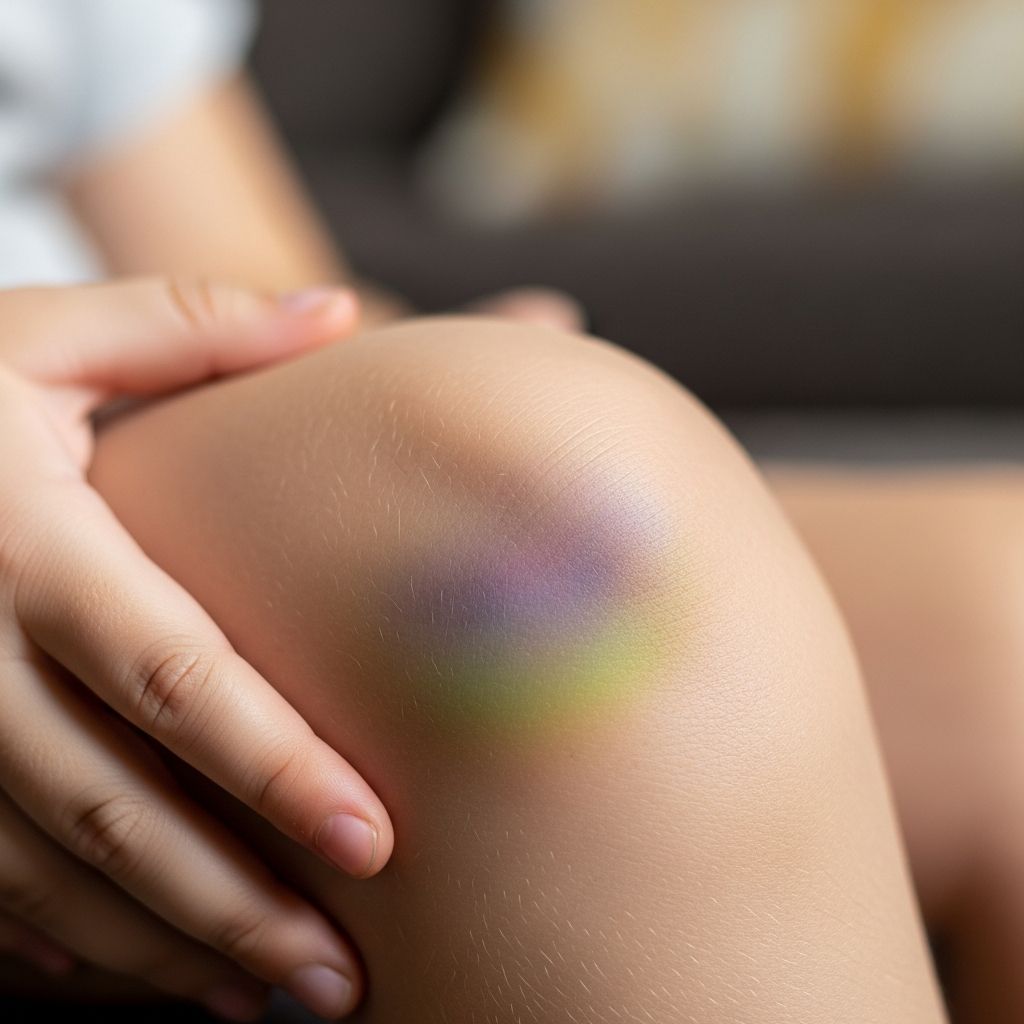
A bruise is an area of skin discoloration that appears when tiny blood vessels under the skin are damaged and leak a small amount of blood into the surrounding tissue. The skin on top usually stays intact, so there is no open cut, but the trapped blood changes the color of the skin in that spot. Bruises are sometimes called “black-and-blue marks,” although they can appear red, purple, green, yellow, or brown as they heal.
Bruises can form almost anywhere on the body. In children, they are most often seen on the shins, knees, elbows, and other bony areas that frequently bump into furniture, playground equipment, or the ground during normal play.
Common Causes of Bruises in Children
Most childhood bruises have simple, everyday explanations. Kids bruise more easily than adults because their tissues are still developing, their coordination is not perfect yet, and they spend a lot of time moving quickly in environments full of hard surfaces.
Typical reasons a child may bruise include:
- Minor falls while running, climbing, or playing sports.
- Bumping into furniture, doors, or playground structures.
- Rough-and-tumble play with siblings or friends.
- Contact from balls, toys, or other objects during games.
These types of bruises tend to appear in places you would expect: on the front of the legs, over the knees and shins, on the forearms, or on the hips where kids commonly bump into things.
Why Some Kids Bruise More Easily
Parents often notice that one child seems to collect bruises more easily than another. This is not always a sign of illness; several normal factors can make bruises show up more often or look more dramatic.
- Activity level: Very active children who are constantly on the move naturally have more chances to bump into things.
- Body build: Children with less body fat over bony areas may show bruises more visibly because there is less padding under the skin.
- Skin tone: Depending on a child’s natural skin color, bruises may be more or less noticeable, but they can still be present even if they are difficult to see at first glance.
- Individual variation: Some children simply bruise more easily than others, just as some kids are more flexible or more prone to scrapes.
Occasionally, frequent bruising can be related to a medical condition, a medication, or a nutritional problem, but this is less common than everyday accidental causes. Later sections explain warning signs that deserve medical attention.
How Bruises Change Color Over Time
One of the most striking things about a bruise is how its color changes as it heals. These changes are normal and reflect the way the body naturally breaks down and reabsorbs the leaked blood under the skin.
While timing can vary from child to child and from one bruise to another, a typical bruise may move through several color stages:
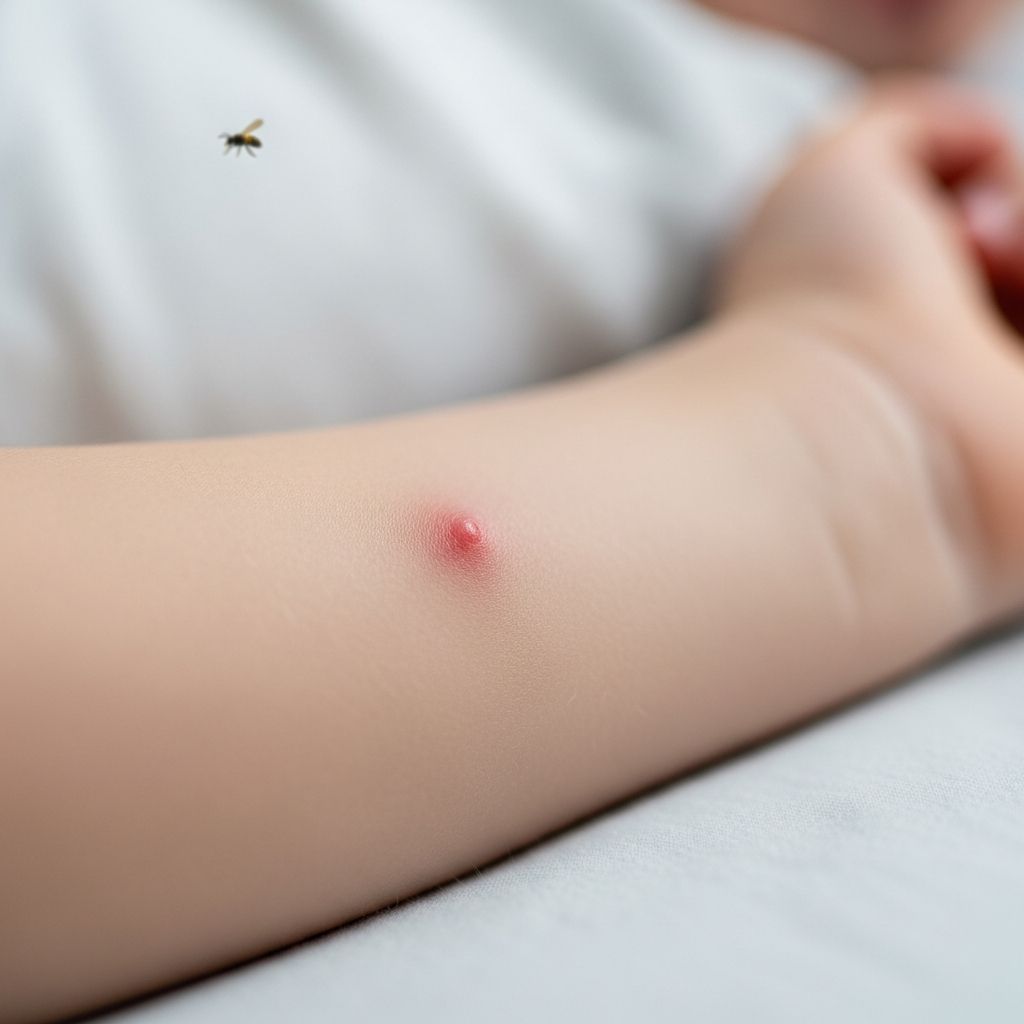
- Fresh injury: The area may look pink or reddish soon after the bump as blood begins to pool under the skin.
- Next couple of days: The bruise usually darkens to a blue, purple, or deep blackish shade.
- Healing stage: As the body breaks down the trapped blood, the bruise can turn green, then yellow or yellow-brown.
Most simple bruises fade over one to two weeks, growing lighter and less tender as they heal. If a bruise is not improving at all or stays very painful, it is reasonable to speak with a healthcare professional.
Types of Bruises You Might Notice
Not all bruises look or feel the same. The size, location, and cause of a bruise can change its appearance and how much it bothers your child.
| Type of bruise | Typical features | Common situation |
|---|---|---|
| Small surface bruise | Coin-sized or smaller, mild tenderness, clear borders. | Minor bump on furniture or fall from standing height. |
| Larger deep bruise | Wider area of discoloration, swelling or firmness, more soreness. | Impact from a sports injury, fall from a bike, or collision during play. |
| Muscle bruise | Pain with movement or pressure, less dramatic color on the surface. | Hit by a ball, hard kick to the leg, or direct blow to a major muscle. |
| Bone bruise (suspected) | Very tender over a bone, pain lasting longer than typical, sometimes following a strong impact. | Hard fall onto a joint or bone; often evaluated by a clinician to rule out a fracture. |
First Steps After Your Child Gets a Bruise
When a child falls or bangs into something and starts to cry, the first job is to stay calm and reassure them. Then you can decide what kind of care is needed. For most minor bruises, simple home care is enough.
- Check the injured area for cuts, obvious deformity, or anything that looks out of place, such as an oddly angled limb.
- Ask your child where it hurts the most and whether they can move the nearby joint or body part.
- If there are no signs of a serious injury, you can begin simple comfort measures at home.
Home Care: How to Help a Bruise Heal
Most bruises do not require special medical treatment. Gentle care at home can reduce pain and swelling and may help the bruise look less intense over time.
- Cold compress: During the first day, place a cool pack or a bag of ice wrapped in a thin cloth on the injured area for about 10–15 minutes at a time. This can help limit swelling and reduce discomfort. Avoid putting ice directly on the skin.
- Rest and elevation: If the bruise is on a limb, encourage your child to rest that part of the body for a short period. Propping the bruised area up on a pillow can help reduce swelling.
- Comfortable clothing: Try to avoid tight waistbands, straps, or gear that presses directly on the bruise while it is sore.
- Pain relief if needed: If your child is uncomfortable, speak with a healthcare professional or follow package directions to choose an age-appropriate pain reliever. Do not give any medication that has not been recommended for your child’s age or health situation.
Massaging or pressing hard on a fresh bruise is not helpful and can actually make the area more painful. As the bruise begins to fade after the first couple of days, gentle warm compresses may feel soothing for some children.
When a Bruise Needs Medical Attention
While most bruises are harmless, some situations call for a medical evaluation. Paying attention to where bruises appear, how often they occur, and how your child feels overall can help you decide when to seek help.
Call a doctor or seek urgent care if:
- The bruise follows a fall from a height, a car accident, or a strong blow and your child seems unusually sleepy, confused, or weak.
- The bruise is near the eye and your child has trouble seeing, moving the eye, or complains of severe eye pain.
- Your child cannot use the nearby joint or limb normally, or you suspect a broken bone.
- The bruised area is very swollen, extremely painful, or still getting larger several hours after the injury.
- Bruises appear suddenly in many areas without a clear reason, or new bruises show up frequently with only very light contact.
In these cases, a healthcare professional can check for problems such as fractures, internal injuries, or blood-clotting issues and recommend the right treatment plan.
Less Obvious Causes of Frequent Bruising
If a child is developing large bruises after only mild bumps or seems to bruise far more than peers, a clinician may consider less common causes. These can include blood-clotting disorders, low levels of certain blood cells, medication side effects, or vitamin deficiencies.
Signs that might prompt a doctor to look more closely include:
- Easy nosebleeds, bleeding gums, or bleeding that takes a long time to stop from minor cuts.
- Bruises in unusual places where accidental bumps are less likely, such as the middle of the back, abdomen, cheeks, or ears.
- Significant tiredness, frequent infections, or weight loss along with increased bruising.
Testing is not always necessary, but if your child’s healthcare provider recommends blood tests or other studies, the goal is to rule out serious problems and, if something is found, start appropriate treatment early.
Helping Kids Cope With the Pain and Fear
A bruise can be more frightening than dangerous, especially for younger children who may be surprised by the sudden pain or by seeing a dark mark appear on their skin. Helping them feel secure can make a big difference in how they handle minor injuries.
- Stay calm, speak gently, and let your child know that bruises are a normal part of being active.
- Explain in simple terms that the color on the skin is a sign of the body fixing itself on the inside.
- Offer distractions such as a favorite toy, book, or quiet activity while applying ice or resting.
- Let older children participate in their care by holding the ice pack, arranging pillows, or helping to track how the bruise changes each day.
Preventing Bruises Where Possible
No parent can prevent every bruise, and a life without scrapes and bumps would probably mean a child is not exploring enough. Still, a few safety steps can reduce the number and severity of bruises children get during everyday activities.
- Home safety: Secure loose rugs, keep walkways clear of clutter, and use corner protectors on low furniture if your child is still unsteady on their feet.
- Sports gear: Encourage protective equipment such as shin guards, knee pads, helmets, and properly fitting shoes for sports or wheeled activities.
- Supervision: Young children benefit from close supervision on stairs, playgrounds, and other areas where falls are more likely.
- Healthy habits: A balanced diet with adequate vitamins and minerals, regular physical activity, and good sleep all support tissue and blood vessel health.
Nutrition and Skin Health
The strength of blood vessels and the body’s ability to heal are influenced in part by nutrition. Children who eat a wide variety of foods generally receive the nutrients they need for healthy skin and connective tissue.
- Vitamin C–rich foods, such as citrus fruits, berries, bell peppers, and tomatoes, support the formation of collagen, which helps maintain strong blood vessels.
- Leafy greens, beans, and other nutrient-dense foods contribute important vitamins and minerals that assist normal blood clotting and tissue repair.
- Enough protein from sources like lean meats, eggs, dairy products, and plant proteins also helps the body rebuild tissues after injury.
If you have concerns about your child’s diet or growth, discussing them with a healthcare provider or a pediatric dietitian can help you create a plan that meets your child’s needs.
Frequently Asked Questions About Kids and Bruises
Is it normal for my active child to always have some bruises?
Many healthy children who are very active, especially those who play sports or spend a lot of time outdoors, often have a few small bruises at any given time. These are usually on the shins, knees, or elbows and reflect normal bumps from play. As long as your child seems well, the bruises have clear explanations, and they fade over time, this pattern is generally considered normal.
Can I tell how old a bruise is just by looking at the color?
Although bruises tend to move from reddish to blue or purple, then to green and yellow as they heal, it is not possible to determine the exact age of a bruise based only on its color. Many factors influence how quickly a bruise changes, including the depth of the injury, the location on the body, and individual differences in healing. Color changes are helpful for seeing that a bruise is getting better, but they are not a precise clock.
Should I be worried if my child rarely remembers how a bruise happened?
Children, especially school-age kids, can be so focused on play that they do not notice or remember every bump. It is common for a child to discover a bruise later and have only a vague idea of what caused it. What matters more is the overall pattern: whether the bruises are in expected locations, whether your child is otherwise healthy, and whether new bruises appear without any plausible explanation.
Can bruises leave permanent marks?
Routine bruises do not usually cause permanent marks or scars. As the body reabsorbs the leaked blood, the discoloration fades and the skin returns to its usual appearance. In rare situations involving severe trauma, deeper tissue damage, or underlying medical conditions, some long-term skin changes can occur, but this is not typical for everyday childhood bruises.
Are creams or special ointments necessary for bruises?
Most bruises improve without any special creams or ointments. Cold compresses, rest, and time are usually all that is needed. Some over-the-counter products claim to speed bruise healing, but their benefits are often modest and not essential. It is best to speak with a healthcare professional before using any product if your child has allergies, sensitive skin, or other medical conditions.
Key Takeaways for Parents
Bruises are a very common part of childhood and, in most cases, are signs of ordinary bumps and tumbles rather than serious illness. Understanding why they form, how they change color, and how to care for them at home can make these minor injuries much less stressful for the whole family.
- Most bruises from normal play are harmless and fade on their own in a week or two.
- Simple steps—such as applying a cold compress, resting the injured area, and watching for improvement—are usually enough.
- Unusual patterns, very painful or large bruises, or bruises accompanied by other concerning symptoms deserve prompt medical attention.
By combining calm reassurance with sensible care and knowing when to ask for help, parents can support their children as they explore the world—even when a few bruises appear along the way.