Designing Spaces Where Children Thrive: A Comprehensive Guide to Bedroom Transformation
A child’s bedroom represents far more than just a place to sleep. It serves as a personal sanctuary, a creative laboratory, and a growing canvas that evolves alongside your child’s developing interests and personality. Whether you’re working with a compact space or have room to spare, thoughtful design choices can transform an ordinary bedroom into an environment that nurtures imagination, supports learning, and encourages healthy development. This guide explores practical and imaginative approaches to creating bedrooms that children love while maintaining functionality and age-appropriate design principles.
Establishing a Reading Retreat Within the Bedroom
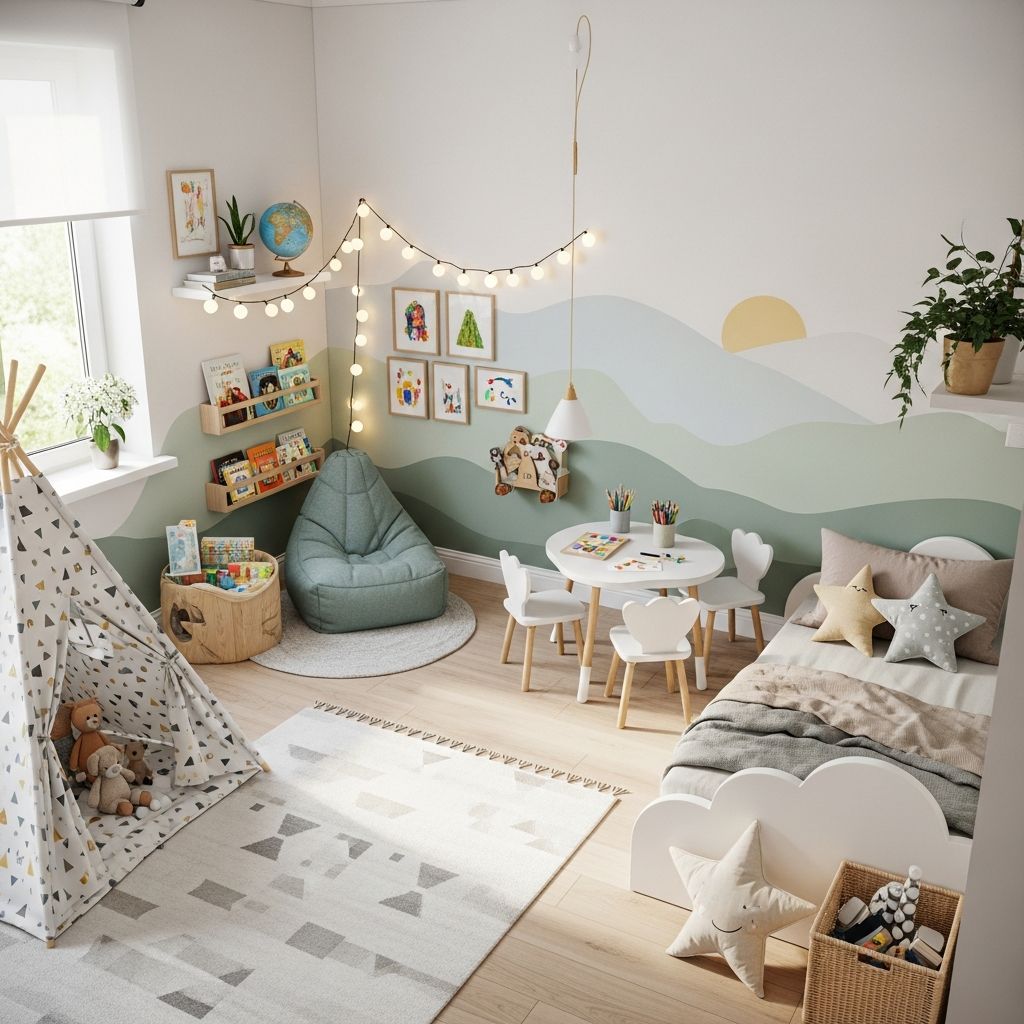
Creating a dedicated reading corner establishes a cozy refuge that encourages literacy and quiet contemplation. Position comfortable seating—whether a bean bag chair, floor cushions, or a small upholstered bench—in a corner or under a window where natural light filters through. Add a small bookshelf at child height, making books easily accessible and inviting. Layer soft textures with blankets and pillows to create an inviting atmosphere. This designated space signals to children that reading is a valued activity worthy of its own special place.
The reading nook becomes more appealing when it feels distinct from the rest of the room. Consider using a bookshelf or low partition to define the space visually. Incorporate adjustable lighting such as a clip-on lamp or small pendant light to accommodate reading at different times of day. Personal touches—a small side table for beverages, decorative elements reflecting the child’s interests, and age-appropriate book selections—transform this corner into a destination rather than an afterthought.
Building an Indoor Adventure Zone
Children possess an innate desire for exploration and imaginative play. Creating an indoor adventure space fulfills this need within the safety of a bedroom. Construct a tent-like structure using a simple frame or drape fabric over furniture to establish a campsite aesthetic. Include sleeping bags or cushions inside to make the space genuinely usable for daytime play or sleepovers with friends.
This adventure zone can expand with thoughtful additions. Hang string lights or lanterns to create ambient lighting that transforms the space. Add nature-themed decorative elements such as printed forest scenes or animal figurines. A portable storage box containing camping props, flashlights, or storytelling materials keeps the experience fresh and engaging. As children grow, this flexible space easily transitions into a reading fort, study hideaway, or creative project headquarters.
Creating an Interactive Wall Installation
Transform a bedroom wall into a dynamic display surface that evolves with your child’s interests and accomplishments. Unlike traditional static wall décor, an interactive installation invites participation and change. This approach might include a pegboard system for hanging collections, a cork or fabric board for displaying artwork and photographs, or a chalkboard surface where drawings and messages can be created and erased repeatedly.
An interactive wall serves multiple developmental purposes. It celebrates your child’s achievements by displaying artwork, certificates, and creative projects. It provides a creative outlet for artistic expression without requiring permanent changes to the room. It teaches organizational skills as children decide how to arrange and display their items. Consider dividing the wall into zones—one area for rotating artwork, another for photographs, and perhaps a third for achievement displays. This structured approach prevents overwhelming visual clutter while maintaining the sense of personalization.
Establishing a Functional Study Environment
As children progress through their education, having a dedicated workspace within the bedroom becomes increasingly important. A study station needn’t be elaborate or occupy significant square footage. A simple desk positioned near natural light, paired with an ergonomic chair and proper storage for supplies, creates an effective learning environment. Ensure the workspace feels separate from play and sleep areas to help children mentally transition into focus mode.
The effectiveness of a study space depends on thoughtful organization. Install floating shelves above the desk for frequently needed materials, keeping the desktop surface relatively clear for active work. Use drawer organizers or desktop caddies to store writing implements, papers, and reference materials. Consider adding a bulletin board or whiteboard above the desk for visual organization of assignments, schedules, or motivational reminders. Adequate task lighting—either from a desk lamp or supplemented by overhead fixtures—reduces eye strain and supports concentration during homework or creative work.
Transforming the Ceiling Into a Dreamscape
The ceiling represents an often-overlooked opportunity for bedroom transformation. Painting the ceiling in a soft color, applying glow-in-the-dark elements, or creating a mural extends visual interest upward and can significantly impact the room’s atmosphere. A pale sky blue evokes serenity, while a deeper navy creates a cozy, intimate feeling. Glow-in-the-dark paint applied in constellation patterns transforms the ceiling into a personalized planetarium.
Hanging elements further enhance the ceiling experience. Paper lanterns, removable fabric drapes, or hanging paper butterflies add three-dimensional interest without permanent installation. String lights or fairy lights create gentle ambient lighting that supports relaxation and sleep. These ceiling treatments particularly benefit rooms with limited floor space, as they draw the eye upward and create an illusion of greater vertical dimension. The key to successful ceiling design is ensuring the additions remain age-appropriate and don’t create a cluttered or overwhelming visual effect.
Selecting Window Treatments That Define the Space
Window treatments do far more than provide privacy and light control—they fundamentally shape a room’s aesthetic character. Beyond standard curtains, consider options that combine functionality with design impact. Roller shades featuring patterns or prints offer clean lines while adding visual interest. Cafe-style curtains that cover only the lower half of the window maintain privacy while allowing natural light to enter the upper portion. Layered treatments combining sheer panels with solid drapes provide flexible light control and design depth.
Strategic use of bold patterns or colors in window treatments allows you to introduce visual interest without overwhelming the entire room. If walls are painted in neutral tones, patterned curtains become a focal point that anchors the room’s design scheme. Conversely, if walls feature busy wallpaper or paint techniques, simpler window treatments maintain visual balance. Motorized or easy-to-operate systems enable children to adjust their own light and privacy levels, fostering independence and a sense of control over their personal space.
Incorporating Natural Elements and Living Plants
Bringing nature into a bedroom creates a calming environment while teaching children about plant care and environmental stewardship. Hardy, low-maintenance plants suit bedrooms better than finicky varieties. Spider plants, pothos, and snake plants thrive in moderate light conditions and tolerate inconsistent watering—ideal characteristics for young plant caretakers. Succulents provide visual interest with minimal maintenance, though avoid varieties with sharp spines in rooms for younger children.
Hanging planters position greenery at eye level and utilize vertical space efficiently. Macrame plant hangers add textural warmth while displaying trailing varieties beautifully. For children with plant care responsibilities, establish simple watering schedules and create visual reminders. Display plants in containers that complement the room’s color scheme. Beyond aesthetics, caring for plants teaches responsibility and provides regular opportunities for gentle, nurturing activities that many children find calming and rewarding.
Maximizing Storage Through Dual-Purpose Furniture
Storage challenges intensify as children accumulate belongings, yet effective storage need not consume excessive space or money. Dual-purpose furniture solves multiple problems simultaneously. Beds with integrated drawers provide sleeping surfaces while concealing seasonal clothing, extra bedding, or toy storage beneath. Storage ottomans serve as seating, footrests, or impromptu tables while housing items inside. Benches placed at the foot of beds combine seating surfaces with storage compartments.
Vertical storage maximizes limited floor space in compact rooms. Floor-to-ceiling shelving units organize books, display items, and store containers without consuming additional footprint. Hanging organizers mounted on closet doors or walls utilize wall space for frequently accessed items. Rolling storage bins on casters provide mobile organization that children can easily relocate as their room configurations change. Strategic storage prevents clutter while teaching children to maintain organized spaces independently.
Lighting Design: Setting Mood and Functionality
Thoughtful lighting design dramatically impacts a bedroom’s atmosphere and functionality. Layered lighting—combining overhead fixtures, task lighting, and ambient options—allows flexibility for different activities and times of day. Overhead fixtures provide general illumination, while desk lamps or reading lights support focused activities. Accent lighting such as string lights, wall sconces, or small lanterns creates ambiance for relaxation.
Modern lighting solutions offer energy-efficient options with adjustable color temperatures. Warm-toned lights promote relaxation and better sleep quality, making them ideal for bedtime use. Cooler tones support daytime activities and study sessions. Dimmable fixtures allow children and parents to adjust lighting intensity based on current needs. Wall-mounted sconces beside the bed reduce dependence on nightstands while providing convenient reading light and reducing the risk of bedside lamp tipping.
Personalizing Through Themed Collections and Display
Children develop passionate interests that shift and evolve throughout their childhood. Rather than fighting these interests, embrace them through thoughtful display strategies that honor current passions while remaining flexible for future changes. Collections—whether sports equipment, artwork, hobby items, or memorabilia—gain prominence when displayed intentionally rather than scattered throughout the room.
Display options should remain removable or adaptable to accommodate changing interests. Pegboards accommodate hanging collections with flexibility to rearrange as the collection evolves. Cork or fabric boards display flat items and rotate seasonally. Floating shelves at varying heights create visual interest while displaying three-dimensional objects. Frame artwork and meaningful items to elevate their presentation. This approach teaches children that their interests matter while maintaining the room’s visual coherence.
Color Selection and Pattern Integration
Color psychology influences mood and behavior, making thoughtful color selection essential for bedroom design. Soft, muted tones promote calm and relaxation, supporting better sleep quality. Cool colors like blues and greens evoke tranquility, while warm neutrals like taupes and soft grays provide soothing backgrounds. Brighter or more saturated colors work better as accents through textiles, artwork, or furniture rather than wall paint.
Pattern integration adds personality while maintaining visual balance. Small-scale patterns generally feel less overwhelming than large prints, though this depends on room size and overall design scheme. Mixing complementary patterns—such as stripes with florals or geometric designs with organic shapes—creates visual interest when colors remain coordinated. Patterned textiles like bedding, curtains, or throw pillows offer pattern flexibility; changing these items seasonally refreshes the space without permanent commitment.
Creating Spaces That Evolve With Your Child
The most successful children’s bedrooms prioritize flexibility and adaptability. Avoid overly thematic designs that feel dated quickly or mismatched with a child’s developing personality. Instead, choose foundational design elements—furniture scale, color palette, and basic layout—that accommodate evolution. This approach allows the room to transition from toddler-appropriate design through school years and into teenage space without requiring complete overhauls.
Neutral wall colors, timeless furniture pieces, and adaptable storage systems provide stable foundations for seasonal updates and interest shifts. Allow children increasing input into design decisions as they mature, fostering ownership of their personal space. Temporary elements—removable wallpaper, artwork displays, decorative textiles—enable frequent refreshes without major investment or damage.
Frequently Asked Questions
How can I update a child’s bedroom on a limited budget?
Focus on low-cost changes with maximum impact: rearrange furniture to create new layouts, repaint one accent wall, swap out bedding and throw pillows, add string lights or paper decorations, and display artwork on gallery walls. Many transformations require only creativity and effort rather than significant spending.
What lighting is best for supporting children’s sleep?
Warm-toned light (typically 2700K color temperature) promotes melatonin production and better sleep. Dimmable lights allow gradual brightness reduction before bedtime. Avoid bright overhead lighting in the hour before sleep, instead using soft accent lighting or nightlights for evening activities.
How do I balance personalization with a timeless design that ages well?
Select neutral foundational elements—paint colors, major furniture pieces, flooring—that won’t feel dated. Express current interests through changeable items like artwork, textiles, and decorative accessories that you can update seasonally or as interests evolve.
What storage solutions work best for small bedrooms?
Vertical storage maximizes limited floor space. Use wall shelving, hanging organizers, under-bed storage containers, and dual-purpose furniture like storage benches or beds with built-in drawers. Rolling bins allow flexible placement while maintaining organization.
How can I encourage my child to maintain an organized room?
Design storage systems at child height for easy access and responsibility. Create visual organization systems using labeled containers or color-coding. Establish simple maintenance routines. Involve your child in design decisions so they feel ownership and investment in maintaining their space.
References
- 17 Style Upgrades to Transform your Kids’ Room — Manhattan Toy Company. Retrieved April 2026. https://www.manhattantoy.com/blogs/play-talk/17-style-upgrades-to-transform-your-kids-room
- 13 Unique Decor Ideas for Kids Bedrooms — Nesting With Grace. Retrieved April 2026. https://nestingwithgrace.com/13-unique-decor-ideas-for-kids-bedrooms/
- Ten Kids Rooms We Love — Studio McGee. Retrieved April 2026. https://studio-mcgee.com/ten-kids-rooms-we-love/