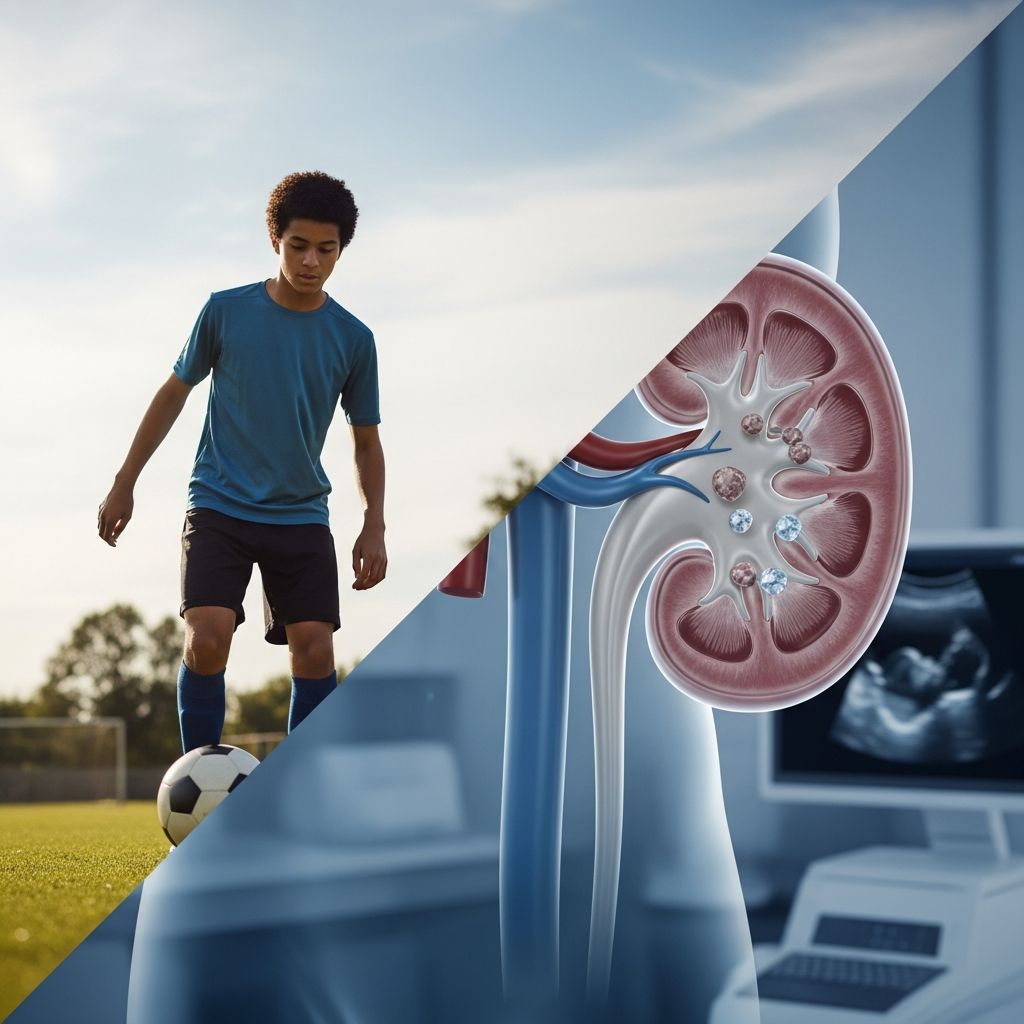
Kidney stones affect more teenagers today than ever before, with cases tripling since 1990, particularly among those aged 12-17. These hard mineral deposits form in the kidneys and can cause intense pain as they travel through the urinary tract.
The Growing Problem of Kidney Stones Among Youth
Over the past few decades, kidney stones have shifted from being primarily an adult issue to one increasingly seen in children and adolescents. Data shows a sharp rise, with teens aged 14-18 facing a risk up to 10 times higher than younger kids. This trend links to modern lifestyles, including higher consumption of processed foods and reduced physical activity.
Factors driving this increase include obesity, diabetes, and dietary habits like excessive salt and sugar intake. Teens on special diets, such as ketogenic plans for seizure control, also face elevated risks. Genetic predispositions play a role too, with family history heightening susceptibility.
How Kidney Stones Develop in the Body
Kidney stones form when substances like calcium, oxalate, or uric acid in urine become too concentrated, crystallizing into solid masses. Normally, urine contains inhibitors that prevent this, but dehydration or metabolic imbalances disrupt the process. Stones typically originate in the kidney and may move into the ureter, causing blockages.
Dehydration is a key trigger; teens who don’t drink enough fluids produce less urine, allowing minerals to bind. High-sodium diets exacerbate this by pulling water from the body, while low citrate levels—found in citrus fruits—fail to neutralize stone-forming crystals.
Main Types of Stones Affecting Adolescents
Understanding stone composition guides treatment and prevention. Here’s a breakdown:
- Calcium Oxalate Stones: Most prevalent in teens, formed from dietary excesses like salt, animal proteins, and sugars. Low calcium intake paradoxically increases risk by allowing more oxalate absorption.
- Calcium Phosphate Stones: Linked to alkaline urine from certain medications or conditions, less common but notable in youth with metabolic issues.
- Uric Acid Stones: Result from high-purine diets or acidic urine, often tied to obesity or diabetes.
- Cystine Stones: Rare, genetic (cystinuria), causing lifelong recurrence from excess cystine in urine.
- Struvite Stones: Infection-related, larger and faster-growing, though rarer in teens.
| Stone Type | Common Causes | Key Prevention |
|---|---|---|
| Calcium Oxalate | High salt/sugar, low fluids | Balanced diet, hydration |
| Calcium Phosphate | Alkaline urine, meds | Acidify urine via diet |
| Cystine | Genetic cystinuria | High fluid intake, meds |
| Uric Acid | Acidic urine, purines | Alkalinize urine, low-purine foods |
This table summarizes types for quick reference, based on pediatric nephrology insights.
Recognizing the Signs: Symptoms to Watch For
Kidney stones provoke dramatic symptoms as they irritate tissues or block urine flow. Teens often describe:
- Severe, wave-like pain starting in the back or side, radiating to the abdomen or groin.
- Blood in urine (hematuria), turning it pink or red.
- Nausea, vomiting, and frequent urgent urination needs.
- Burning during urination or fever/chills if infection develops.
- In younger teens, abdominal pain without back involvement.
Untreated blockages can swell kidneys (hydronephrosis), risking permanent damage. Seek immediate care for unrelenting pain or fever.
Diagnosis: Tests That Confirm Kidney Stones
Doctors start with a history covering diet, hydration, family background, and symptoms. Physical exams check for tenderness. Key tests include:
- Urine analysis for blood, crystals, pH, and infection.
- Blood work to assess kidney function, calcium, and uric acid levels.
- Imaging: Ultrasound (preferred for kids to avoid radiation), X-rays, or CT scans to pinpoint stone size/location.
- 24-hour urine collection to measure volume, citrate, oxalate, and other factors for recurrence risk.
A pediatric nephrologist may oversee complex cases, especially with genetic suspicions.
Treatment Options for Teen Kidney Stones
Small stones (<5mm) often pass naturally with hydration (6-8 glasses daily) and pain relief like ibuprofen. Hospitalization aids severe cases with IV fluids and anti-nausea meds.
For larger stones:
- Shock Wave Lithotripsy (ESWL): Non-invasive sound waves fragment stones for passage.
- Ureteroscopy: Scope removes or lasers stones from ureter.
- Percutaneous Nephrolithotomy: Surgery for very large stones via kidney incision.
Medications target types: thiazides for calcium stones, allopurinol for uric acid, or potassium citrate to boost inhibitors. Side effects require monitoring.
Preventing Recurrence: Lifestyle and Diet Changes
Prevention focuses on diluting urine and balancing minerals. Teens should:
- Drink 2-3 liters daily, more for cystine stones; add lemon juice for citrate.
- Reduce salt (<2,300mg/day), limit sugary drinks and animal proteins.
- Increase fruits/veggies for natural citrate; maintain normal calcium intake.
- Exercise regularly to combat obesity; avoid sedentary periods.
- Follow 24-hour urine-guided plans from dietitians.
Genetic conditions like primary hyperoxaluria or medullary sponge kidney need specialized care.
Risks and Complications If Ignored
Repeated stones heighten chronic kidney disease risk. Blockages cause infections or hydronephrosis, potentially scarring kidneys. Early intervention via nephrologists prevents long-term issues.
Frequently Asked Questions (FAQs)
Can teens prevent kidney stones with diet alone?
Yes, reducing salt, staying hydrated, and eating citrate-rich foods like oranges significantly lowers risk, though meds may be needed for genetic cases.
Do all kidney stones require surgery?
No, most small ones pass with fluids and pain management; procedures target larger or stubborn stones.
Is family history a major factor?
Absolutely—genetic links increase odds, especially for cystine or oxalate disorders.
How much water should a teen drink daily?
Aim for 6-8 eight-ounce glasses, or more if active or in hot weather, unless medically restricted.
Can obesity cause kidney stones in teens?
Yes, it promotes insulin resistance and acidic urine, favoring uric acid stones.
This FAQ section addresses common teen concerns for quick access.
References
- Kidney Stones in Children & Teens — National Kidney Foundation. 2023. https://www.kidney.org/kidney-topics/kidney-stones-children-teens
- Kidney Stones (for Teens) — Nemours KidsHealth. 2024-01-15. https://kidshealth.org/en/teens/kidney-stones.html
- Kidney Stones in Children and Teens — American Academy of Pediatrics HealthyChildren.org. 2023-05-10. https://www.healthychildren.org/English/health-issues/conditions/genitourinary-tract/Pages/Kidney-Stones-in-Children-and-Teens.aspx
- A Handbook of Pediatric Kidney Stones — Texas Children’s Hospital. 2023-10-20. https://www.texaschildrens.org/sites/default/files/Kidney_Stones_102016_0.pdf
- Treatment & Prevention for Kidney Stones in Children — National Institute of Diabetes and Digestive and Kidney Diseases (NIDDK). 2024-08-01. https://www.niddk.nih.gov/health-information/urologic-diseases/kidney-stones-children/treatment-prevention
- All About Kidney Stones — Nationwide Children’s Hospital. 2023. https://www.nationwidechildrens.org/family-resources-education/family-resources-library/all-about-kidney-stones