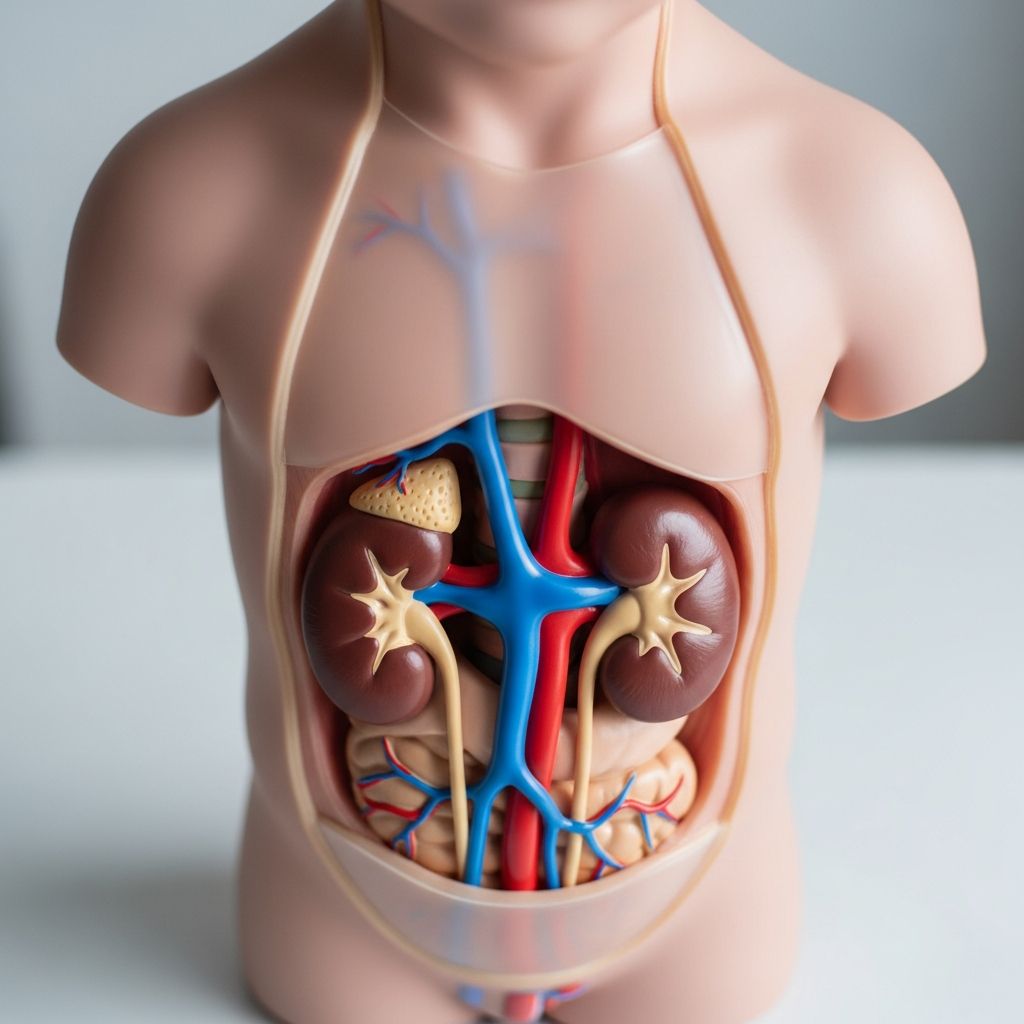
Kidney disorders in children encompass a range of conditions that impair the organs’ ability to filter waste, balance fluids, and support growth. These issues can arise from birth defects, infections, or genetic factors, often progressing silently until advanced stages. Early detection through routine check-ups is crucial for preserving kidney function and enabling normal childhood activities.
The Vital Role of Kidneys in Growing Bodies
The kidneys, fist-sized organs positioned near the spine below the ribcage, perform over a dozen essential tasks daily. They filter approximately 200 liters of blood to produce urine, removing toxins while retaining vital nutrients. In children, kidneys also regulate blood pressure, activate vitamin D for bone health, and produce hormones that stimulate red blood cell formation. Disruptions in these functions can stunt growth, delay puberty, and heighten risks for heart complications, making vigilant monitoring essential during developmental years.
During fetal development, kidneys form early, and abnormalities like underdevelopment can manifest as lifelong challenges. Healthy kidneys adapt to a child’s expanding body, but diseases compromise this adaptability, leading to imbalances in electrolytes, fluids, and minerals that affect overall vitality.
Common Origins of Kidney Problems in Youth
Kidney conditions in children stem from diverse sources, categorized into congenital, acquired, and systemic types. Congenital issues, present at birth, include renal agenesis (missing one or both kidneys), hypoplasia (underdeveloped kidneys with fewer filtering units called nephrons), and dysplasia (malformed kidney tissue). These structural flaws reduce filtering capacity from infancy.
Genetic disorders passed from parents contribute significantly, with over 60 identified conditions. Polycystic kidney disease causes cysts to proliferate, enlarging kidneys and impairing function. Alport syndrome damages kidney filters and may affect hearing and vision. Other examples are Fabry disease, primary hyperoxaluria, and distal renal tubular acidosis.
Acquired causes involve infections or obstructions. Urinary tract blockages or reflux force urine backward, scarring delicate tissues. Severe infections like those from E. coli can trigger hemolytic uremic syndrome, where damaged red blood cells clog filters. Post-streptococcal glomerulonephritis follows throat or skin infections, with immune responses attacking kidney glomeruli.
Glomerular diseases, affecting the kidney’s tiny filters, are prominent in older children. Nephrotic syndrome, where glomeruli leak protein, often results from minimal change disease (visible only under electron microscope), focal segmental glomerulosclerosis (scarring select glomeruli), or membranoproliferative glomerulonephritis (immune deposits damaging membranes). In teens, diabetes and uncontrolled hypertension emerge as key culprits.
Systemic conditions like lupus nephritis, an autoimmune attack on kidneys, and traumas such as dehydration or injury from accidents reduce blood flow, precipitating acute injury.
Recognizing Warning Signs Early
Many kidney disorders advance without initial symptoms, especially in mild stages. As damage accumulates, noticeable changes appear. Edema, or swelling in the face, hands, feet, ankles, or legs, signals fluid retention due to poor filtration.
Urine alterations are critical indicators: foamy urine from proteinuria (excess protein), pink/cola-colored from hematuria (blood), or shifts in frequency/volume, including bedwetting in previously dry children. Appetite loss leads to nausea and growth delays, while fatigue stems from anemia or toxin buildup.
- Physical cues: Puffiness, poor height/weight gain, frequent headaches from hypertension.
- Behavioral shifts: Tiredness, concentration difficulties impacting school performance.
- Other flags: High blood pressure, bone pain from mineral disorders.
Parents should track these alongside family history of kidney issues, prompting timely medical evaluation.
Diagnostic Approaches for Accurate Assessment
Diagnosis begins with non-invasive tests. Blood work measures creatinine and estimates glomerular filtration rate (eGFR) to gauge filtering efficiency and stage disease progression. Urine analysis detects protein, blood, or infections via simple samples.
Imaging like ultrasound visualizes kidney size, shape, cysts, or blockages without discomfort. In complex cases, a kidney biopsy samples tissue for microscopic analysis of damage type. Genetic testing via blood or saliva identifies inherited mutations.
Pediatric nephrologists oversee evaluations, coordinating with multidisciplinary teams for holistic insights. Routine screenings for at-risk children, such as those with recurrent UTIs, are recommended.
Potential Health Complications to Watch
Beyond kidney impairment, disorders spawn secondary issues affecting quality of life. Anemia reduces oxygen transport, causing exhaustion. Cardiovascular risks escalate with hypertension and fluid overload. Growth falters due to nutrient malabsorption and hormone deficits.
| Complication | Description | Impact on Child |
|---|---|---|
| Anemia | Low red blood cells | Fatigue, pallor, weakness |
| Hypertension | Elevated blood pressure | Headaches, heart strain |
| Growth Delay | Stunted height/weight | Puberty delays, self-esteem issues |
| Bone Disorder | Mineral imbalance | Fractures, pain |
| Electrolyte Issues | Potassium/sodium shifts | Muscle cramps, arrhythmias |
Cognitive challenges and incontinence may arise, underscoring comprehensive management needs.
Treatment Pathways: From Medications to Advanced Interventions
Treatment targets underlying causes and symptom control. Medications manage blood pressure (ACE inhibitors), correct anemia (erythropoietin), and balance electrolytes. Dietary adjustments limit protein, sodium, potassium, and phosphorus to ease kidney workload, often with dietitian guidance.
For end-stage failure, dialysis bridges to transplant. Hemodialysis filters blood in clinics via machines; peritoneal dialysis uses the abdominal lining at home, training families to perform exchanges. Peritonitis risk necessitates strict hygiene.
Kidney transplantation offers optimal restoration, with donor kidneys enabling near-normal function. Post-transplant immunosuppressants prevent rejection, alongside lifelong monitoring. Many recipients resume sports and school.
Daily Management and Lifestyle Adaptations
Holistic care optimizes outcomes. Regular nephrologist visits track progress, adjusting therapies. School accommodations via 504 plans or IEPs provide breaks, dietary flexibility, and transport for appointments.
- Nutrition: Balanced, kidney-friendly meals supporting growth.
- Activity: Age-appropriate exercise to combat fatigue and bone loss.
- Emotional support: Counseling for child and family stress.
- Monitoring: Home blood pressure and weight logs.
Vaccinations and infection prevention are vital, given heightened risks.
Long-Term Outlook and Support Networks
With early intervention, many children maintain function into adulthood. Transplants extend life significantly, though recurrence or graft issues require vigilance. Families benefit from support groups, connecting with peers facing similar journeys.
Frequently Asked Questions (FAQs)
Can kidney diseases be prevented in children?
While genetic and congenital types cannot be prevented, managing UTIs promptly, controlling diabetes/hypertension, and prenatal care reduce risks. Routine pediatric check-ups aid early detection.
How does CKD affect school performance?
Fatigue, anemia, and concentration issues can hinder learning, but IEPs ensure accommodations like extended time and quiet spaces.
Is home dialysis suitable for young kids?
Yes, peritoneal dialysis is often ideal for children, allowing flexibility and family involvement with proper training.
What role does diet play in management?
Customized plans limit harmful minerals while promoting growth; consult renal dietitians for personalized advice.
Are transplants successful in children?
High success rates allow active lifestyles; living donors from family improve matches and outcomes.
References
- Children and Teens Chronic Kidney Disease (CKD) — National Kidney Foundation. 2023. https://www.kidney.org/kidney-topics/children-and-teens-chronic-kidney-disease-ckd
- Kidney Disease in Children — National Institute of Diabetes and Digestive and Kidney Diseases (NIDDK). 2024-01-08. https://www.niddk.nih.gov/health-information/kidney-disease/children
- Overview of Kidney Disorders in Children — Stanford Children’s Health. 2023. https://www.stanfordchildrens.org/en/topic/default?id=overview-of-kidney-disorders-in-children-90-P08232
- Chronic Kidney (Renal) Disease — Boston Children’s Hospital. 2024. https://www.childrenshospital.org/conditions-treatments/chronic-kidney-disease
- Kidney Transplant Patient: A Guide for Parents & Caregivers — Northwest Kidney Kids. 2023. https://nwkidneykids.org/p/Kidney-Transplant-Patient-Portland-OR-A-Guide-for-Parents-Caregivers-p75227.asp