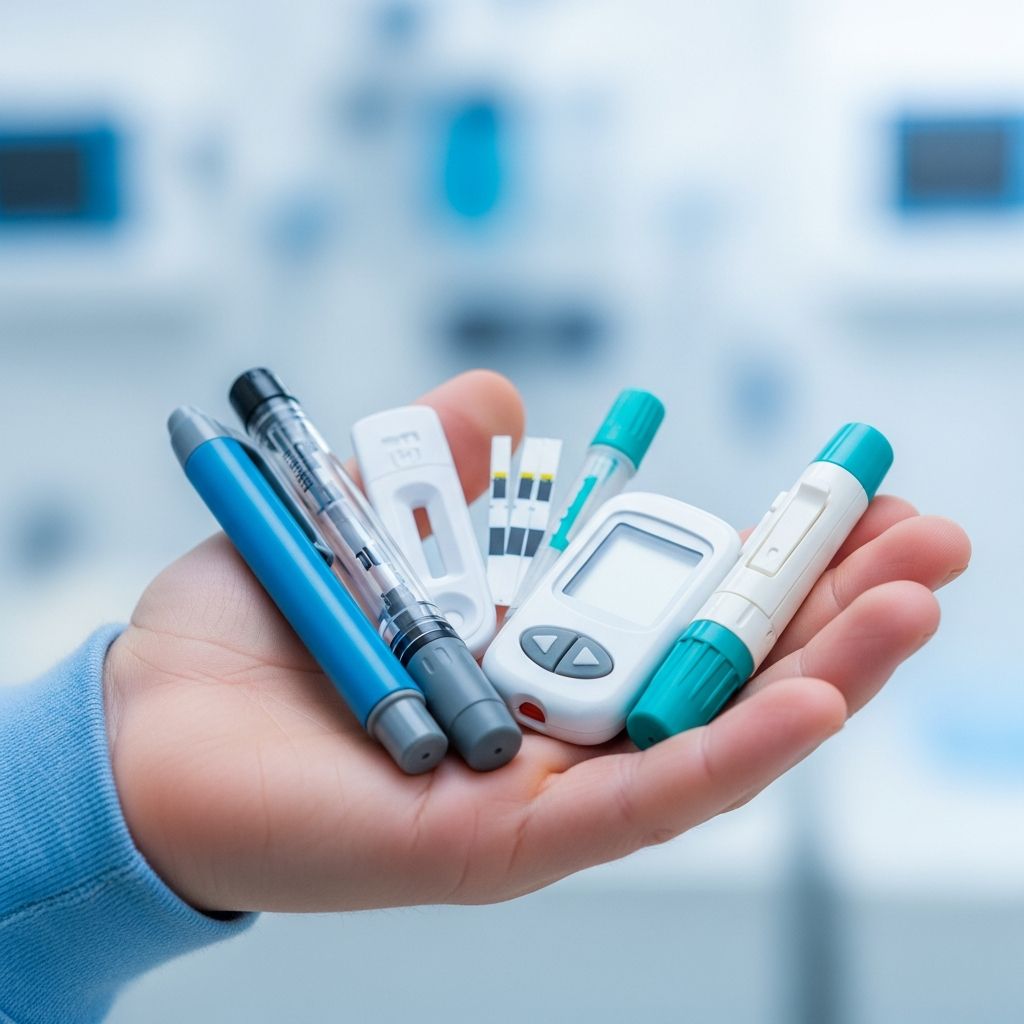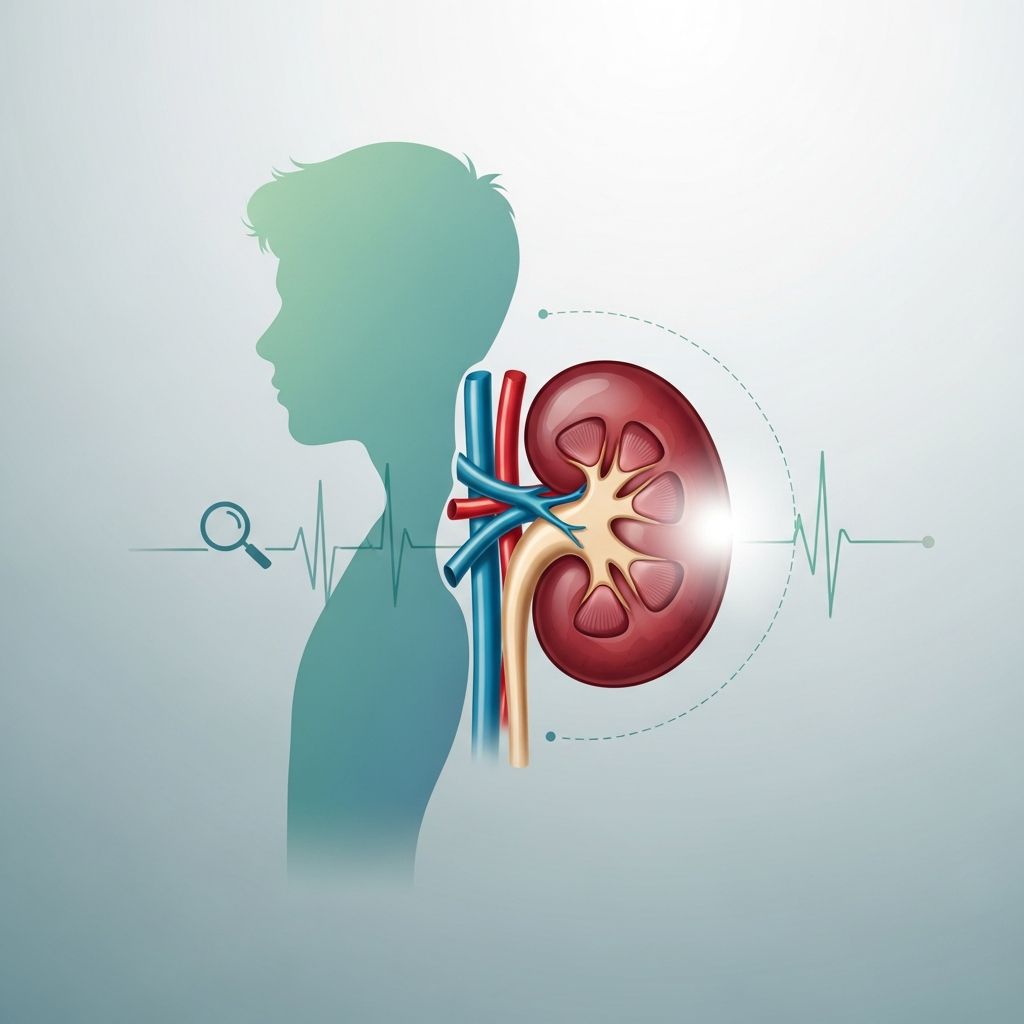
Kidney disease in teenagers can develop silently but impacts growth, energy, and daily life if untreated. Early recognition of signs like swelling or fatigue allows for interventions that preserve function and support normal development.
Understanding the Kidneys’ Role in a Teen’s Body
The kidneys, fist-sized organs located near the lower back, filter waste from blood, regulate fluids, balance electrolytes, and produce hormones for red blood cell production and bone health. In teens, they support rapid growth spurts, puberty changes, and high activity levels by maintaining stable internal conditions.
Daily, kidneys process about 200 liters of blood to produce 1-2 liters of urine, removing toxins like urea while conserving water and nutrients. Hormones such as erythropoietin prevent anemia, and renin helps control blood pressure—crucial during adolescence when bodies undergo significant physiological shifts.
Types of Kidney Problems Affecting Adolescents
Kidney conditions in teens fall into acute and chronic categories. Acute kidney injury strikes suddenly from dehydration or infection, often reversible with prompt care. Chronic kidney disease (CKD) progresses over time, with stages 1-5 based on function loss; stages 1-3 may lack symptoms, while advanced stages demand dialysis or transplant.
- Acute injury: Sudden function drop from trauma, drugs, or illness.
- Chronic CKD: Gradual damage leading to end-stage renal disease (ESRD).
- Structural defects: Congenital issues like small kidneys or blockages.
Common Causes Behind Teen Kidney Challenges
Several factors trigger kidney issues in adolescents. Inherited conditions like polycystic kidney disease cause cysts that impair function, while Alport syndrome damages filters leading to blood in urine and hearing loss.
Infections, especially recurrent urinary tract infections (UTIs), scar kidney tissue; backward urine flow (reflux) strains organs. Diabetes and high blood pressure, increasingly seen in teens due to obesity, top causes—diabetes harms vessels, hypertension overworks filters.
| Cause Category | Examples | Impact on Teens |
|---|---|---|
| Genetic | Polycystic kidney disease, Alport syndrome | Progressive damage, family history key |
| Acquired | Diabetes, hypertension | Rising with lifestyle factors |
| Infectious/Structural | UTIs, reflux, blockages | Often presents with pain or swelling |
| Other | Autoimmune (lupus), toxins/meds | Can accelerate to failure |
Obstructions from enlarged prostate or tumors, rare in teens, and certain medications like NSAIDs in excess also contribute.
Recognizing Early Warning Signs in Teenagers
Early CKD often hides, but clues emerge as function wanes. Swelling (edema) in face, eyes, feet, or ankles signals fluid retention; foamy urine indicates protein leak, bloody or dark urine points to bleeding.
Urination changes—more frequent, nighttime trips, reduced output, or bedwetting resurgence—flag issues. Fatigue from anemia, poor appetite, nausea, and growth delays affect school and sports. High blood pressure causes headaches; dry itchy skin, muscle cramps, and sleep troubles follow.
- Puffiness around eyes or limbs
- Changes in urine color, foam, or volume
- Constant tiredness or weakness
- Headaches and concentration issues
- Loss of appetite and nausea
In children and teens, stunted growth and poor school performance heighten concern, as kidneys influence nutrient use and hormone balance.
Diagnosis: How Doctors Assess Teen Kidney Health
Diagnosis starts with blood tests for creatinine and glomerular filtration rate (GFR), staging CKD—normal GFR over 90, stage 5 under 15. Urine tests detect protein (albumin), blood, or infection; imaging like ultrasound reveals size, cysts, or blockages.
Kidney biopsy, a minor procedure, examines tissue under microscope for damage cause. Blood pressure monitoring and growth charts aid evaluation. Routine screens for at-risk teens (family history, diabetes) catch issues early.
Treatment Pathways for Managing Kidney Disease
Treatment targets cause and slows progression. Blood pressure and diabetes control via meds like ACE inhibitors protect kidneys; diet limits salt, protein, potassium to ease workload.
Advanced CKD requires dialysis—peritoneal (abdominal fluid exchange) or hemodialysis (machine filters blood)—or transplant, where a donor kidney replaces failed ones. Transplants restore near-normal life but need lifelong immunosuppressants.
Supportive care addresses anemia (erythropoietin injections), bone health (vitamin D), and growth (hormone therapy). Lifestyle: hydration, exercise, avoiding nephrotoxic drugs.
Potential Complications and Long-Term Effects
Untreated CKD risks heart disease from vessel stiffening, hyperkalemia threatening heart rhythm, acidosis weakening bones, and fluid overload causing breathlessness. Anemia reduces oxygen delivery; immune changes increase infections; puberty delays impact self-esteem.
Teens face school absences, sports limits, and mental health strains—counseling helps. Regular monitoring prevents fractures, strokes, and ESRD.
Lifestyle Adjustments for Thriving with Kidney Issues
Teens with kidney disease can lead active lives. Balanced diet: fresh fruits (low-potassium), veggies, lean proteins; limit processed foods. Exercise like walking or swimming, 30 minutes daily, controls weight and blood pressure.
School accommodations ensure attendance; peer support groups combat isolation. Avoid smoking, alcohol; track meds. Family involvement aids adherence.
Prevention Strategies for Healthy Kidneys
Prevent via healthy weight, balanced diet, hydration. Control blood sugar and pressure if at risk; treat UTIs promptly. Genetic counseling for families with history; annual checks for diabetes teens.
Limit NSAIDs, stay active—habits now protect kidneys lifelong.
Frequently Asked Questions (FAQs)
Can teens recover from acute kidney injury?
Yes, many recover fully with treatment addressing the cause, like fluids for dehydration, unlike chronic cases needing ongoing management.
Does kidney disease affect growth and puberty?
Yes, CKD disrupts hormones and nutrients, slowing growth and delaying puberty; treatments like growth hormone help normalize.
What diet suits teens with kidney problems?
Low-sodium, controlled protein/potassium/phosphorus; focus on fresh foods, consult dietitians for personalized plans.
Is kidney transplant a cure for teens?
It restores function effectively but requires anti-rejection meds; many thrive post-transplant.
How often should at-risk teens get checked?
Every 3-6 months with blood/urine tests, more if progressing.
References
- Chronic kidney disease – Symptoms and causes — Mayo Clinic. 2023-10-12. https://www.mayoclinic.org/diseases-conditions/chronic-kidney-disease/symptoms-causes/syc-20354521
- Warning signs of kidney disease in children — University Health. 2024-05-15. https://www.universityhealth.com/blog/pediatric-kidney-disease
- Children and Teens Chronic Kidney Disease (CKD) — National Kidney Foundation. 2023-11-01. https://www.kidney.org/kidney-topics/children-and-teens-chronic-kidney-disease-ckd
- Chronic Kidney Disease (CKD) — Children’s Hospital of Philadelphia. 2024-02-20. https://www.chop.edu/conditions-diseases/chronic-kidney-disease-ckd
- Kidney Disease in Children — UR Medicine / University of Rochester Medical Center. 2023-08-10. https://www.urmc.rochester.edu/encyclopedia/content?ContentTypeID=90&ContentID=P03111