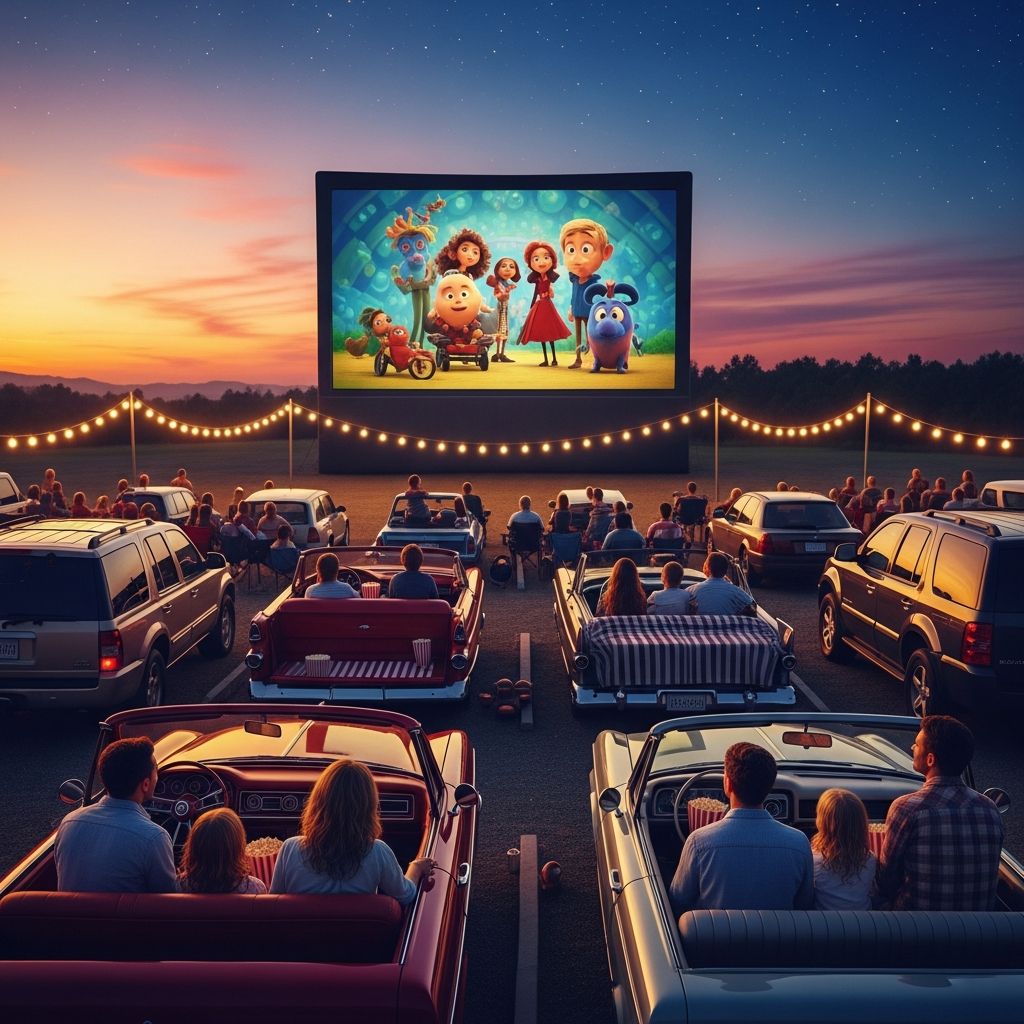
Summer is the perfect time to slow down, escape the heat, and share a good movie together. But if you have kids, you know there is a big difference between a film your child wants to watch on repeat and a movie the whole family genuinely enjoys. This guide will help you find kid-friendly summer movies that are fun for children and watchable (even re-watchable) for adults.
Why Summer Movies Matter for Families
When school is out and routines are looser, screen time can creep up quickly. Thoughtful movie choices can turn passive viewing into a positive family experience that supports connection, language development, and even empathy.
- Shared stories give families a way to talk about feelings, friendships, and challenges.
- Quality films can boost vocabulary and comprehension for younger kids, especially when adults watch and discuss alongside them.
- Co-viewing (adults watching with kids) helps children understand complex themes and manage scary or confusing scenes.
Research from Common Sense Media and academic reviews of children’s media show that what kids watch, and how they watch it, matters more than the sheer amount of screen time.
What Makes a “Parent-Friendly” Kids’ Movie?
Not every animated film or live-action adventure is equal. A parent-friendly kid movie usually checks several boxes:
- Multi-layered humor: Jokes that work for kids on one level and adults on another, without relying on crude or mean-spirited gags.
- Engaging story: A clear plot, real stakes, and characters who grow or learn something.
- Respect for the audience: Films that don’t talk down to children and avoid nonstop noise, chaos, or empty spectacle.
- Reasonable length: Many young kids do better with 90–100 minute runtimes.
- Positive values: Themes like teamwork, courage, empathy, or problem-solving.
Studies of children’s media suggest that strong narratives and meaningful character development support social and emotional learning, especially when an adult helps kids reflect on what they’ve seen.
Age-by-Age Guide to Family-Friendly Summer Movies
Every child is different, but certain types of films tend to work better for specific ages. Use the suggestions below as a flexible guide, and always consider your child’s temperament.
| Age Range | Good Movie Characteristics | Things to Watch For |
|---|---|---|
| 3–5 years | Simple plots Bright, gentle animation Short runtimes (~60–80 minutes) | Avoid intense peril or loud jump scares Limit sarcasm and confusing time jumps |
| 6–8 years | Clear heroes and goals Light adventure or mystery Repetitive, catchy music | Check for bullying played for laughs Talk through fantasy vs. reality |
| 9–12 years | More complex stories Subtle humor and character arcs Themes like friendship, identity, bravery | Be aware of violence, scary creatures, or heavy themes Preview online ratings before watching |
| 13+ years | Deeper, character-driven plots Coming-of-age stories Genres like sci-fi, sports, or historical drama | Check for strong language, sexual content, or substance use Discuss difficult topics openly |
How to Quickly Check if a Movie Is Kid-Friendly
Before you press play, take five minutes to assess whether a film truly fits your family.
1. Look at Official Ratings (But Don’t Stop There)
Most films in the United States use the MPAA rating system (G, PG, PG-13, etc.). These ratings give a broad overview of content but can’t capture every detail. The American Academy of Pediatrics (AAP) encourages parents to look beyond ratings and consider their child’s maturity and personal history—for example, some kids are especially sensitive to scary imagery.
2. Use Detailed Content Guides
Independent non-profits and review platforms often break movies down into categories such as:
- Violence or intense peril
- Language
- Sexual content or innuendo
- Role models and positive messages
- Diversity and representation
This level of detail can help you quickly decide whether a movie is appropriate for your child and whether you want to watch together to provide context.
3. Watch the Trailer with Your Child
One of the easiest ways to predict how a movie will land is to:
- Watch the trailer together.
- Ask your child what they think is happening in the story.
- Check if any scenes already seem overwhelming or confusing.
This also sets expectations: if the trailer feels too intense, you can steer toward a lighter choice before anyone gets invested.
Balancing Fun, Learning, and Safety
The World Health Organization and the AAP emphasize that young children benefit when screen time is limited, high-quality, and supervised. Rather than banning movies entirely, focus on three priorities:
- Quality over quantity: A single well-chosen movie with discussion afterward can be more beneficial than hours of random clips.
- Co-viewing: Sit with your kids during the movie when possible. This improves their understanding and lets you step in if something is upsetting.
- Healthy habits: Turn off other devices, dim the lights just enough to see snacks and faces, and encourage breaks for stretching or bathroom trips.
Types of Summer Movies That Work for Kids and Parents
Instead of chasing the latest release, start by thinking about the type of experience your family wants. Here are categories that usually land well with a range of ages.
1. Light Adventure and Road-Trip Stories
Summer practically begs for adventure plots. These films often feature:
- A journey or quest (literal road trip or imaginative voyage)
- Obstacles that require teamwork
- Colorful locations and varied settings
For parents, adventure movies are easier to sit through because the pacing changes frequently and the stakes (even if cartoonish) keep you engaged.
2. Animal and Creature Comedies
Talking animals, robots, or mythical creatures are staples of children’s films. They tend to work well for mixed-age groups because:
- Creatures can represent big feelings without being too on-the-nose.
- Slapstick humor keeps younger kids laughing.
- Adults can enjoy clever dialogue and visual gags layered into the background.
3. Music-Filled and Dance-Heavy Films
Summer can feel like a long music video in the best way. Films with strong soundtracks are great when:
- Your child loves to sing or move.
- You want something energetic for a daytime watch.
- You’re okay hearing the same songs a dozen times.
Music supports memory and emotional processing in children, making these movies especially impactful.
4. Quiet, Gentle Stories for Hot Afternoons
Not every summer movie need be a wild ride. Slower, visually rich films with minimal peril can be ideal when:
- Younger siblings or easily startled kids are watching.
- Everyone is tired from a camp day, beach outing, or travel.
- You want to encourage calm play afterward (drawing, building, imaginative games).
5. Throwback Picks Parents Loved as Kids
Introducing your children to a movie you loved can be deeply satisfying, but do a quick reality check first:
- Look up the content to see if there are outdated stereotypes or unexpectedly intense scenes.
- Be honest about the pacing; some older movies move more slowly than children are used to.
- Share your memories, then let your child form their own opinion.
Co-viewing research suggests that when adults talk about their own feelings and experiences around a story, kids engage more thoughtfully and ask deeper questions.
Planning a Simple Summer Movie Night
You don’t need elaborate decorations or themed snacks to make movie night feel special. A few small tweaks can turn a basic streaming session into a mini event.
Set a Family “Premiere Time”
- Pick a day and time each week for movie night (for example, Fridays after dinner).
- Let kids help set up pillows, blankets, and seating.
- Silence and put away phones to create a tiny home-theater feeling.
Offer Two or Three Curated Choices
Instead of endless scrolling, pre-select a few good options that fit your kids’ ages and your own tolerance level. Then let children choose from that shortlist. This gives them a sense of control without the chaos.
Keep Snacks Simple and Manageable
- Popcorn in individual bowls to reduce spills and arguments.
- Fruit or crunchy veggies to balance sugary treats.
- Water bottles or lidded cups for younger kids.
Talk (Briefly) Before and After
Research on children’s media use shows that discussion can turn entertainment into learning and build emotional skills. Try quick prompts like:
- “What do you think this movie will be about?” (before)
- “Which character did you like best and why?” (after)
- “Did anything scare you or surprise you?” (after)
- “What would you have done in that situation?” (after)
Handling Common Movie-Time Challenges
When the Movie Is Too Scary
Even a PG film can feel intense to some children. If your child hides, cries, or seems frozen:
- Pause the movie and invite them to sit closer or on your lap.
- Explain calmly what is happening at a level they can understand.
- Offer to skip the scene or stop the movie entirely—model that it’s okay to walk away.
The AAP recommends that parents help children process frightening media and remind them that fictional content is not real.
When Siblings Have Very Different Tastes
- Alternate who chooses the main feature each week, with a clear schedule.
- Use short cartoons or animated shorts as “bonus” content tailored to the child who did not pick the main movie.
- Explain that part of family life is learning to enjoy each other’s favorites sometimes.
When Parents Are Bored Out of Their Minds
If you dread movie night, you are less likely to keep it going. To protect your own sanity:
- Create a personal “no” list of films you simply cannot watch again.
- Introduce your own suggestions: nature documentaries, sports stories, or feel-good comedies that skew slightly older but remain appropriate.
- Use a rating system (stars, stickers, or a family chart) so everyone gets to vote after watching. Over time, you’ll build a list of films that truly work for the whole family.
Sample Summer Movie Mini-Playlists
These themed groupings can help you design a simple movie plan for a weekend or a rainy week.
“Around the World from the Couch”
- Animated or live-action stories set in different countries or cultures.
- Pause occasionally to look at a map together.
- Try a snack or simple recipe inspired by the movie’s setting.
“Creatures and Companions”
- Movies centered on animal friends, robots, or mythical beings.
- Ask kids to invent their own imaginary companion after the film.
- Encourage drawing, LEGO builds, or short stories inspired by what they saw.
“Summer Adventures and Road Trips”
- Stories about travel, camp, or exploring new places.
- Connect movie events to your own family experiences (past vacations, day trips, or local parks).
- Plan a small outing that echoes the film—a nature walk, picnic, or visit to a nearby town.
Frequently Asked Questions (FAQs)
How many summer movies is “too many” for kids?
Health organizations such as the World Health Organization and the American Academy of Pediatrics recommend limiting recreational screen time and prioritizing active play, sleep, and face-to-face interaction, especially for younger children. Instead of counting movies alone, focus on balance across the whole day or week and make sure most viewing is high-quality and supervised.
Are PG-13 movies okay for 10- or 11-year-olds?
It depends on the specific movie and the child. The PG-13 label signals that some material may be inappropriate for children under 13, but it does not automatically mean a film is unsuitable. Check detailed content notes, consider your child’s sensitivity, and ideally watch together so you can answer questions or skip problematic scenes.
Is it better for kids to watch old animated classics or new releases?
Both can be great. Older films sometimes contain outdated stereotypes or unexpected intensity, so preview content before showing them. Newer films may offer more diverse characters and modern themes but can lean heavily on fast pacing and loud action. The key is choosing titles—old or new—that align with your family’s values and your child’s emotional readiness.
How can I tell if a movie is secretly just a long commercial?
If a film is built around specific toys, games, or brands, it may blur the line between story and marketing. Research on children and advertising shows that younger kids often cannot distinguish ads from content, so be cautious with highly merchandised films. Balance these with stories that stand on their own and be transparent with kids about product tie-ins.
My child only wants to rewatch the same movie. Is that a problem?
Repetition is normal and even comforting for many children. They may notice new details each time, and familiar stories can help them process emotions. If the film is age-appropriate and the total screen time stays within healthy limits, repeated viewings are usually fine. You can gently introduce new titles by pairing them with favorites (for example, a short new film followed by a familiar one).
References
- Guidelines on physical activity, sedentary behaviour and sleep for children under 5 years of age — World Health Organization. 2019-04-24. https://www.who.int/publications/i/item/9789241550536
- Children and Advertising — American Psychological Association. 2004-02-20. https://www.apa.org/pi/families/resources/childrens-advertising
- Children and Media Tips: AAP Policy Explained — American Academy of Pediatrics. 2016-10-21. https://www.healthychildren.org/English/family-life/Media/Pages/Where-We-Stand-TV-Viewing-Time.aspx
- Screen Sense: What the Research Says About the Impact of Media on Children Aged 0–3 Years Old — Zero to Three. 2014-05-01. https://www.zerotothree.org/resource/screen-sense-what-the-research-says-about-the-impact-of-media-on-children-aged-0-3-years-old/
- Media and Young Minds — Council on Communications and Media, American Academy of Pediatrics. Pediatrics. 2016-11-01. https://doi.org/10.1542/peds.2016-2591