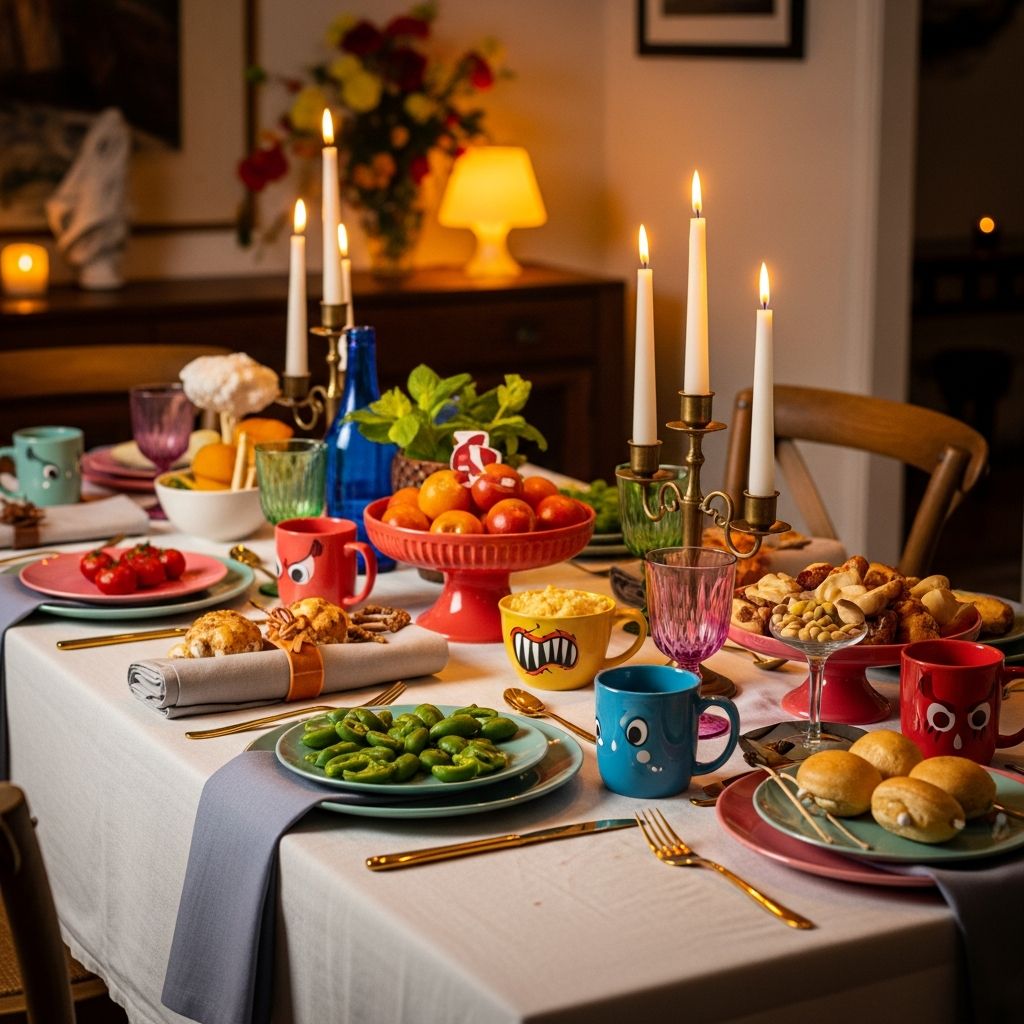
Passover offers a powerful story of freedom, courage, and hope, but for many children, the traditional seder can feel long, abstract, or confusing. This guide shows how to build a family dinner centered on the Ten Plagues that keeps kids active and curious while still honoring the meaning of the holiday.
Why Focus on the Ten Plagues with Kids?
The Ten Plagues are some of the most vivid parts of the Passover story, filled with dramatic imagery that children naturally latch onto. By turning those images into age-appropriate crafts, games, and table rituals, you help kids remember the narrative and connect emotionally to the idea of moving from oppression to freedom.
When children physically handle symbols of the story—frogs, locusts, darkness—they shift from being passive listeners to active participants. This approach gives them a sense of ownership over the seder and makes the evening feel less like a lecture and more like a family adventure.
Planning a Kid-Friendly Passover Dinner
Before diving into craft projects, think about the overall flow of the evening. A child-centered seder balances short explanations with movement, hands-on activities, and plenty of opportunities to ask questions. It also respects attention spans by mixing serious moments with playful ones.
Use the planning steps below as a flexible framework rather than a strict script. Adapt the length and complexity to your children’s ages, interests, and familiarity with the Passover story.
Core Goals for the Evening
- Help kids understand the basic story of slavery to freedom in simple language.
- Introduce the Ten Plagues as symbols, not just scary events.
- Invite every child to lead at least one small part of the evening.
- Keep kids physically engaged with crafts, props, and movement.
Setting the Scene: Décor and Atmosphere
The right environment tells kids that this dinner is special, but also welcoming and fun. Aim for a table that feels festive, colorful, and interactive rather than delicate or untouchable. Involve children in the setup so they arrive already invested in the night.
Choose decorations that reflect the Passover story without being too intense for young children. Frogs, water, stars, and simple images of freedom (like birds or open gates) help keep the mood hopeful rather than frightening.
Easy Décor Ideas Kids Can Help Make
- Paper “river” runner: Lay a strip of blue paper or fabric down the table to represent the Nile and later the Red Sea.
- Freedom banners: Hang simple banners with words like “Hope,” “Courage,” or “Freedom” written and decorated by the kids.
- Story corner: Set up a small side table with children’s books about Passover, toy figures, and a few plush animals used in the story.
Crafting Ten Plagues Napkin Rings
One standout project for a Ten Plagues–themed dinner is creating homemade napkin rings that symbolize each plague. These small, reusable pieces double as table décor and storytelling tools, giving children a tangible way to follow along as you mention each plague during the seder.
You can make all ten plagues as a coordinated set, or choose a smaller selection if time or attention is limited. Younger children often enjoy focusing on the most visual plagues—frogs, hail, locusts, and darkness—while older kids may enjoy the challenge of designing all ten.
Basic Materials (Adjust as Needed)
- Plain cardboard or paper towel tubes cut into rings
- Construction paper or colored cardstock
- Markers, crayons, and colored pencils
- Glue sticks or tape
- Optional: felt, stickers, sequins, and small craft foam shapes
Simple Step-by-Step Process
- Pre-cut the rings: An adult can slice tubes into even sections, one ring per place setting and per plague you plan to feature.
- Assign plagues: With the kids, list the plagues in age-appropriate language, and let each child pick one or more to design.
- Wrap and cover: Have children wrap each ring with colored paper or draw directly on the cardboard.
- Add symbols: Kids draw or glue on symbols that represent their assigned plague—spots for boils, small paper frogs, or black paper for darkness.
- Set the table: Slide rolled napkins through the rings and place them at each seat. During the seder, reference the relevant ring when you talk about a plague.
Ten Plagues Symbol Ideas for Kids
Children often need simple visual cues to remember each plague, especially if Hebrew names and complex explanations feel overwhelming. Using child-friendly symbols keeps the conversation focused on meaning rather than fear or shock value.
The table below suggests gentle, imaginative symbols you can adapt for napkin rings, place cards, or a Ten Plagues centerpiece. Keep the tone light and age-appropriate, especially for preschoolers.
Kid-Friendly Symbol Guide
| Plague | Simple Symbol Idea | Conversation Prompt |
|---|---|---|
| Blood | Blue-and-red striped river or cup | What happens when something we rely on changes? |
| Frogs | Cartoon frog or frog footprints | How would you feel if there were frogs everywhere? |
| Lice or Gnats | Tiny dots or specks | What small things can still cause big problems? |
| Wild Animals | Animal paw prints | What does it mean to feel unsafe? |
| Pestilence (Livestock Illness) | Simple outline of a cow or sheep with a heart | How can we care for animals and nature? |
| Boils | Circle with gentle dot patterns, not gory | What can we do when people or animals are sick? |
| Hail | White balls or cubes falling from a cloud | Have you ever seen a big storm? How did it feel? |
| Locusts | Leaf with little bites taken out | What happens when food runs out? |
| Darkness | Black or dark purple band | How does it feel to be in the dark? Who helps you feel safe? |
| Final Plague | Simple house with a protective mark or glowing door | What does it mean to feel protected at home? |
Interactive Storytelling at the Table
Once your Ten Plagues napkin rings and symbols are ready, use them as storytelling prompts instead of just decoration. Give each child a moment to present the symbol they made and explain what it means in their own words. This transforms the seder from a monologue into a shared conversation.
Pair each plague with a short, gentle reflection question: How would you feel in that situation? Who needs help in the story? What does freedom mean to you? These questions invite empathy and keep the focus on values rather than fear.
Simple Participation Ideas
- Plague parade: As you name each plague, children hold up the corresponding ring or symbol and walk it around the table.
- Question cards: Place small cards under each plate with one question per plague. When the plague comes up, the child reads (or hears) the question and everyone responds briefly.
- Echo reading: Use very short, child-level lines about each plague, and have kids echo them back rhythmically.
Food Ideas Kids Can Enjoy
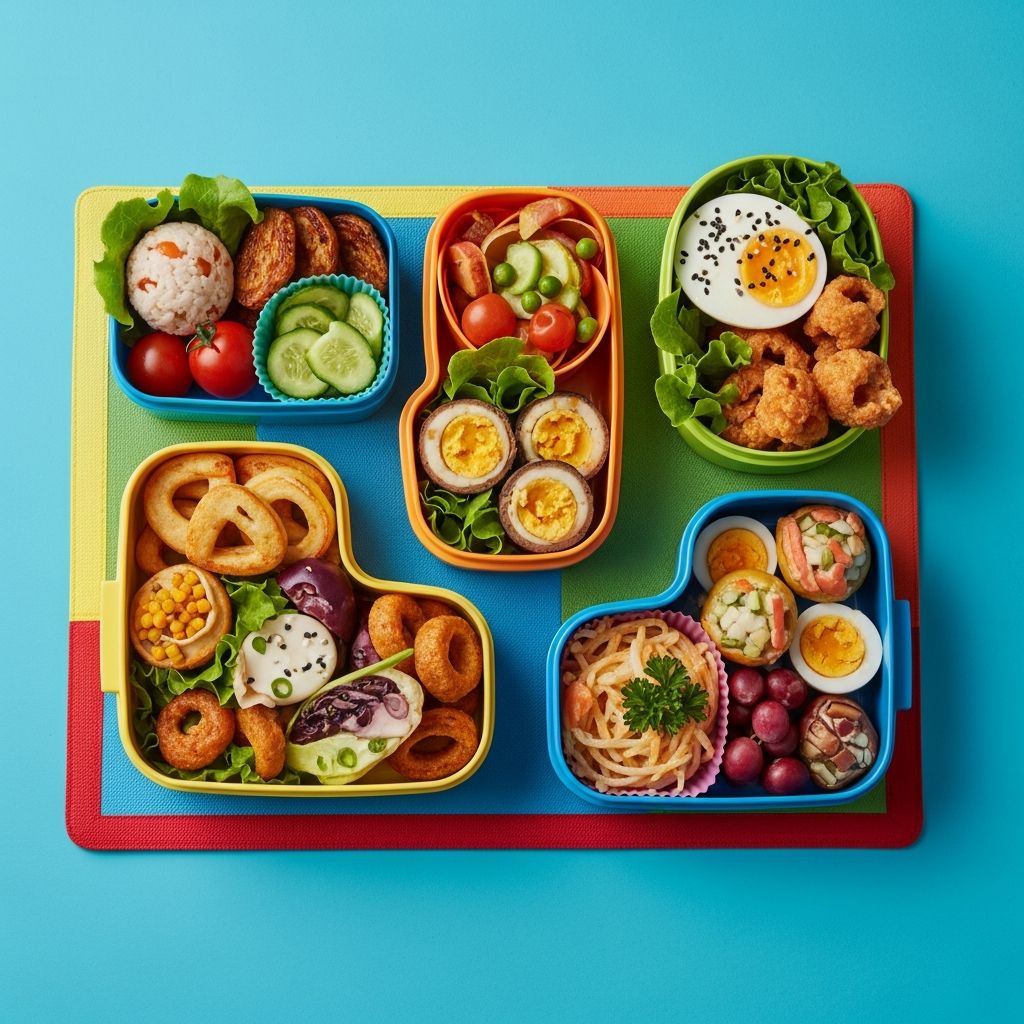
Even a meaningful seder can fall apart if everyone is too hungry or overwhelmed by unfamiliar flavors. A kid-friendly Passover dinner balances traditional foods with a few familiar favorites and playful touches that connect to the plagues and the journey to freedom.
Involve children in preparing at least one dish, whether it is stirring charoset, arranging a vegetable platter, or spreading toppings on matzah. Cooking together helps them feel proud when the food arrives on the table.
Fun, Themed Food Suggestions
- “Frog pond” dip: Green hummus or guacamole served in a low bowl with cucumber “lily pads.”
- “Hail” snacks: Small white popcorn or round crackers served in clear cups.
- Freedom fruit salad: A colorful mix of fruits, emphasizing abundance and sweetness after hard times.
- Matzah shapes: Use cookie cutters (stars, hearts) to make child-sized matzah pieces for dipping.
Balancing Serious Themes with Sensitivity
The Ten Plagues include painful and frightening events, and it is important to acknowledge that the story is serious without overwhelming young listeners. Focus on empathy—how people and animals might have felt, and what it means to stand against cruelty—rather than on graphic detail.
For very young children, you might summarize the final plague in soft language, such as explaining that something very sad happened to the Egyptians, and that this helped convince Pharaoh to finally let the Israelites go. Reassure kids that they are safe at home and that the story is from a faraway time and place.
Age-Appropriate Language Tips
- Use simple words: “mean rules,” “hard work,” “a big leader who would not listen,” “people who wanted to be free.”
- Emphasize helpers: Talk about Moses, Miriam, and others who spoke up for what was right.
- Circle back to freedom: After describing a plague, briefly connect it to the eventual hope and liberation.
Games and Movement Breaks
Long stretches of sitting still can be difficult for children, especially when the conversation includes complex ideas. Plan brief movement breaks tied to the story so kids can reset their energy without feeling like they are “leaving” the seder.
These games can be slipped in between plagues, before the meal, or after the main storytelling portion. Adjust timing to suit your schedule and your children’s energy levels.
Story-Themed Movement Ideas
- Mini “Red Sea” crossing: Lay two blue blankets on the floor with a walkway between them and let kids march through as you narrate the escape from Egypt.
- Animal freeze dance: Play music and call out animals from the story (frogs, sheep, birds). Kids move like that animal until you say “Freeze!”
- Light and darkness game: Dim the lights for “darkness,” then turn them up for “light,” asking kids to share one thing that makes them feel safe in the dark.
Encouraging Questions and Curiosity
Questions are at the heart of Passover, and a Ten Plagues–themed dinner gives kids many chances to wonder, challenge, and imagine. Encourage all questions, even the ones that seem tangential or difficult. Curiosity signals that children are processing the story on their own terms.
You can also model questioning by voicing your own reflections: “Why do you think the story includes so many plagues?” or “What would you have done if you were there?” Showing that adults also wrestle with the story helps kids see that there is no single “right” way to engage.
Simple Tools to Spark Questions
- Question jar: Fill a jar with slips of paper containing open-ended questions related to freedom, fairness, and courage.
- Drawing prompts: Give children paper and crayons and ask them to draw one moment from the story that stands out to them.
- “What if?” cards: Write prompts like “What if you could talk to Pharaoh?” or “What if you were one of the frogs?” and discuss.
Closing the Evening with Hope
After traveling through the Ten Plagues and the journey out of Egypt, help children end the night on a note of hope and gratitude. Emphasize that the story moves from pain to freedom and that families remember it to inspire kindness and justice today.
You might close with a simple family ritual, such as sharing one thing each person is thankful for or one way they hope to help someone else in the coming year. This reinforces the idea that the seder is not just about the past, but about how we choose to live now.
Frequently Asked Questions
How long should a kid-friendly Passover dinner last?
For younger children, aim for 45–90 minutes of focused ritual time, with built-in breaks for movement, snacks, or quick games. Older kids may enjoy a longer seder if they are leading songs, reading parts, or presenting projects like the Ten Plagues napkin rings.
Do we have to include all Ten Plagues?
No. If your children are very young or easily frightened, you can focus on a smaller selection of plagues that are easier to present gently. The key is to communicate the movement from hardship to freedom, not to check every box.
What if our family is new to Passover?
A Ten Plagues–themed dinner can be a welcoming way to start, because it organizes the evening around visual symbols and simple narratives. Consider using a beginner-friendly haggadah or child-oriented picture books alongside your crafts and games.
Can children with different backgrounds participate meaningfully?
Absolutely. Focus on universal themes—freedom, fairness, standing up to injustice, caring for others—and invite kids to make connections to stories and experiences from their own lives. Explain that families around the world retell this story in many ways, and that your version is one heartfelt approach.
How do we keep the evening from feeling chaotic?
Prepare as much as possible in advance: cut craft materials, assign roles, and decide when each activity will happen. During the seder, move thoughtfully between calm moments (storytelling, questions) and active ones (craft presentations, movement games) so children know what to expect.