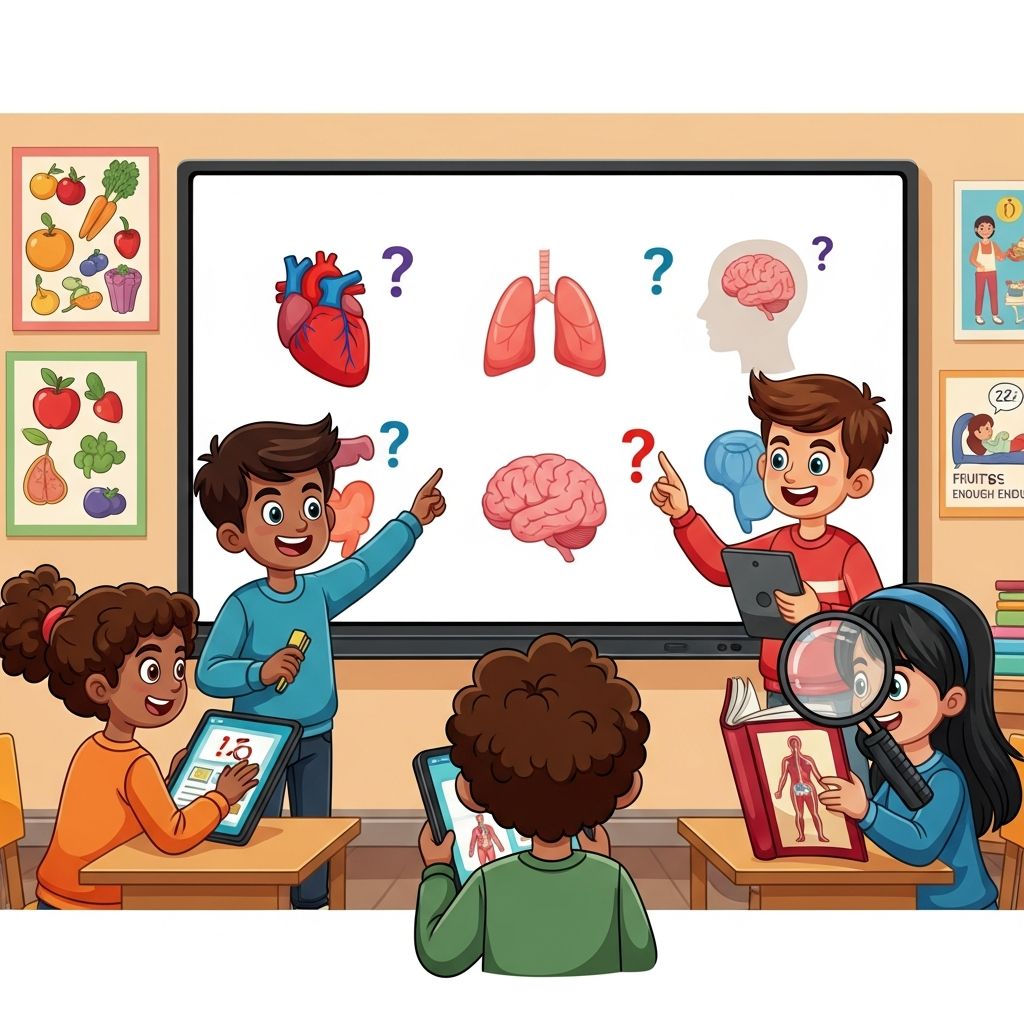
Health quizzes can be a playful way for kids to learn how their bodies work, which habits keep them strong, and what to do when something feels wrong. This guide turns common body questions into easy explanations that children and parents can explore together.
Why Turning Health Into a Quiz Helps Kids Learn
Kids remember information better when they feel curious, challenged, and involved. A quiz format turns facts about the body into little puzzles that make learning feel like a game instead of homework.
Short, simple questions with clear answers help children check what they already know and spot what they still need to learn. When adults talk through the answers, it also opens the door for important conversations about staying safe and healthy.
- Quizzes make serious topics feel less scary and more like a friendly challenge.
- Questions can be matched to a child’s age, so information stays easy to understand.
- Talking about answers builds trust between kids and caregivers around health issues.
Basic Body Facts Every Kid Should Know
Before kids can answer health questions confidently, they need a simple picture of what the body does. Young learners do not need advanced science words; they just need to understand that different parts work together to keep them alive, active, and comfortable.
Explaining the body as a team of helpers makes it easier for kids to see why sleep, food, water, and moving around all matter. Each part of the team has a job, and healthy habits support those jobs.
| Body Part or System | Simple Job Description (Kid-Friendly) |
|---|---|
| Brain | The control center that helps you think, feel, remember, and make choices. |
| Heart and blood | The pump and delivery system that moves oxygen and nutrients around your body. |
| Lungs | The air helpers that bring oxygen in when you breathe and send waste air out. |
| Stomach and intestines | The food breakers that turn what you eat into fuel and building materials. |
| Muscles and bones | The movers and supporters that help you stand up, walk, jump, and play. |
| Skin | The body jacket that protects you, helps control temperature, and lets you feel touch. |
| Immune system | The body guard that helps fight germs and keeps you from getting sick too often. |
Designing a Kid-Friendly Health Quiz at Home
Parents and teachers can build simple question sets that feel playful but still teach important ideas. The key is to use clear language, stick to short questions, and focus on situations kids actually face in daily life.
Instead of asking for scientific names, focus on what children can see, feel, or do. Everyday events like brushing teeth, playing outside, or washing hands are perfect starting points for quiz questions.
Tips for Writing Great Quiz Questions
- Ask one idea at a time so kids are not confused by long, tangled sentences.
- Offer two to four answer choices if you use multiple choice, and keep them short.
- Mix question types: Yes/No, multiple choice, and simple “What should you do?” scenarios.
- Use positive examples, like “What is a healthy snack?” instead of only warning about bad habits.
- Always explain the correct answer in friendly language after the child chooses.
Key Health Topics to Cover With Kids
A well-rounded quiz for children should touch several basic areas of health rather than focusing on only one. That way, kids get a more complete picture of what it means to take care of their bodies.
The following themes can each be turned into short sets of questions. Adults can pick just one theme for a quick game or combine them into a larger quiz challenge.
1. Food and Drink Choices
Children often decide what to eat and drink during school, parties, and playdates. Asking quiz questions about nutrition helps them notice the difference between everyday choices and once-in-a-while treats.
- Test knowledge about fruits, vegetables, water, and sugary drinks.
- Include questions about snacks that give long-lasting energy versus snacks that make kids crash later.
- Ask about breakfast and why it matters for learning and play.
2. Sleep and Rest
Many kids do not realize that the body does important work while they sleep. Quizzes can help them connect bedtime routines to feeling awake, focused, and calm during the day.
- Ask how kids feel after staying up late versus getting enough sleep.
- Include questions about good bedtime habits, like turning off screens early.
- Discuss why the brain and body both need quiet time to recharge.
3. Moving Your Body
Active play keeps muscles, bones, and the heart strong, but not all kids understand that movement is part of health, not just fun. Questions about physical activity can show that short bursts of movement count too.
- Ask about different types of movement: running, dancing, biking, or playground games.
- Include questions about how exercise affects the heart, mood, and energy.
- Talk about taking short breaks from sitting to stretch and move around.
4. Germs, Hygiene, and Staying Well
Kids hear a lot about germs but may not understand how they spread or how to protect themselves. Quiz questions can show how simple habits reduce the chance of catching or sharing illnesses.
- Ask when and how to wash hands, including after using the bathroom and before eating.
- Include questions about covering coughs and sneezes and not sharing certain personal items.
- Discuss why staying home when really sick helps protect friends and classmates.
5. Listening to Body Signals
Children need to know that pain, dizziness, strong sadness, or worries are important messages from the body and mind. A quiz can gently teach them which signals mean “ask an adult for help right away.”
- Ask about what to do if they feel very unwell during school or play.
- Include questions about strong emotions, such as feeling scared or upset most of the time.
- Remind kids that it is always okay to talk to a trusted adult when something feels off.
Sample Quiz Styles You Can Try
There are many ways to format a health quiz so kids stay interested from start to finish. Changing the style from question to question turns the quiz into a game with different levels and surprises.
Adults can pick question styles that fit the child’s reading level and attention span. Younger kids may enjoy pictures, while older kids might like more detailed scenarios.
Yes or No Questions
These are best for very young children or for quick warm-up rounds. Keep them simple and talk about why the answer is yes or no right after the response.
- “Is water a better everyday drink than soda?”
- “Does your body still work hard while you are sleeping?”
- “Should you wash your hands before eating?”
Multiple Choice Questions
Multiple choice works well for kids who can read short answers or listen as an adult reads them aloud. Always limit the number of choices to keep the child from feeling overwhelmed.
- “Which snack will help you stay full longer: chips, candy, or an apple with peanut butter?”
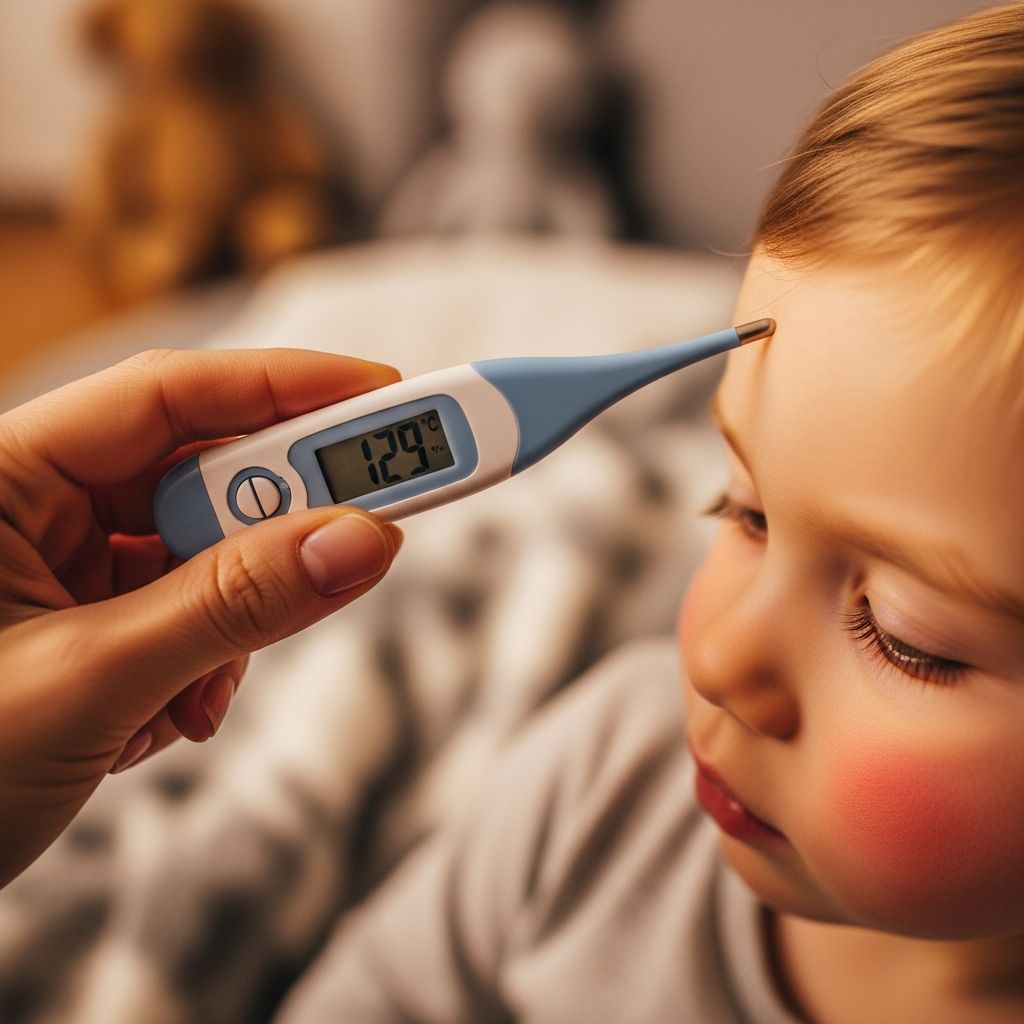
- “What should you do if you have a high fever: go play sports, rest and tell an adult, or ignore it?”
- “Which habit is healthiest before bed: playing video games, drinking a big sugary drink, or reading a book?”
Real-Life Situations
Scenario questions ask kids to imagine what they would do in everyday situations. This style helps children practice decision-making, not just memorizing facts.
- “You cough into your hands at school. What should you do next?”
- “Your friend offers you their water bottle. What is the safest choice?”
- “You feel dizzy and your stomach hurts during a game. What should you tell your coach or teacher?”
Making Health Quizzes Fun and Safe
Health topics can sometimes be sensitive, especially when they involve private body parts, illness, or emotions. Adults should choose quiz questions that are honest but not frightening, and always be ready to give extra comfort or explanation.
It is also important to respect privacy and make sure kids do not feel embarrassed by their answers. The goal is to learn together, not to score or compare children to each other.
- Never shame a child for not knowing an answer; use mistakes as teaching moments.
- Avoid graphic or scary descriptions of illness; keep wording calm and reassuring.
- Remind kids they can always ask to skip a question that makes them uncomfortable.
How Parents and Teachers Can Use Quiz Results
The answers kids give can show which health ideas they already understand and which need more practice. Adults should focus less on scores and more on spotting patterns, such as misunderstandings about germs or fear about going to the doctor.
After the quiz, a relaxed chat can help clear up confusion and give children a chance to share their own questions. This turns the quiz from a one-way test into an ongoing conversation about health and safety.
- Review missed questions together and explain the correct ideas in simple terms.
- Ask kids how they feel about going to the doctor, dentist, or nurse.
- Plan small changes at home or school based on what the child learned.
Practical Health Quiz Ideas by Age Group
Different ages need different levels of detail. Very young children benefit from basic body and hygiene facts, while older children can handle more complex topics like emotions, stress, and digital habits.
Adjusting the quiz makes sure each child feels challenged enough to stay interested but not so challenged that they become frustrated or worried.
For Young Children (About 5–7 Years)
- Focus on body parts, basic hygiene, simple food choices, and playground safety.
- Use pictures, large print, or verbal questions instead of long written quizzes.
- Keep quizzes short: about five to seven questions at a time.
For School-Age Kids (About 8–11 Years)
- Add topics like sleep, exercise, basic germs, and early emotional health.
- Introduce more scenario-based questions to practice making decisions.
- Encourage kids to help write new quiz questions for friends or classmates.
For Preteens and Early Teens
- Include body changes, stress, friendships, screen time, and online safety.
- Allow more open-ended questions where they can explain their thinking.
- Use quizzes as a starting point for deeper talks about choices and boundaries.
Frequently Asked Questions About Kids’ Health Quizzes
Are health quizzes a replacement for medical advice?
No. Health quizzes are only a learning tool and cannot diagnose, treat, or replace care from a doctor or other health professional. They simply help kids understand basic ideas so they can ask better questions during real medical visits.
How often should kids take a health quiz?
There is no fixed rule. Many families or classrooms use small quizzes once a month or when starting a new health topic, such as germs during cold season or safety before summer break.
What if a child becomes anxious while answering health questions?
If a quiz makes a child worried, stop and talk calmly about their feelings. Remove any upsetting questions and focus on reassuring messages that there are adults and doctors whose job is to help keep them safe.
Can older kids create their own health quizzes?
Yes, and it can be a powerful learning exercise. When children write questions for siblings or classmates, they have to think carefully about what matters most and how to explain it in clear, kind language.
What makes a health quiz “kid-safe”?
A kid-safe quiz uses age-appropriate language, avoids scary details, protects privacy, and always encourages children to talk to trusted adults. It focuses on building knowledge, confidence, and good habits rather than fear or shame.
When health information is presented as a friendly quiz, children can explore big ideas about their bodies in small, manageable steps. With the support of caring adults, quizzes become more than a game—they become a fun doorway into lifelong healthy habits.