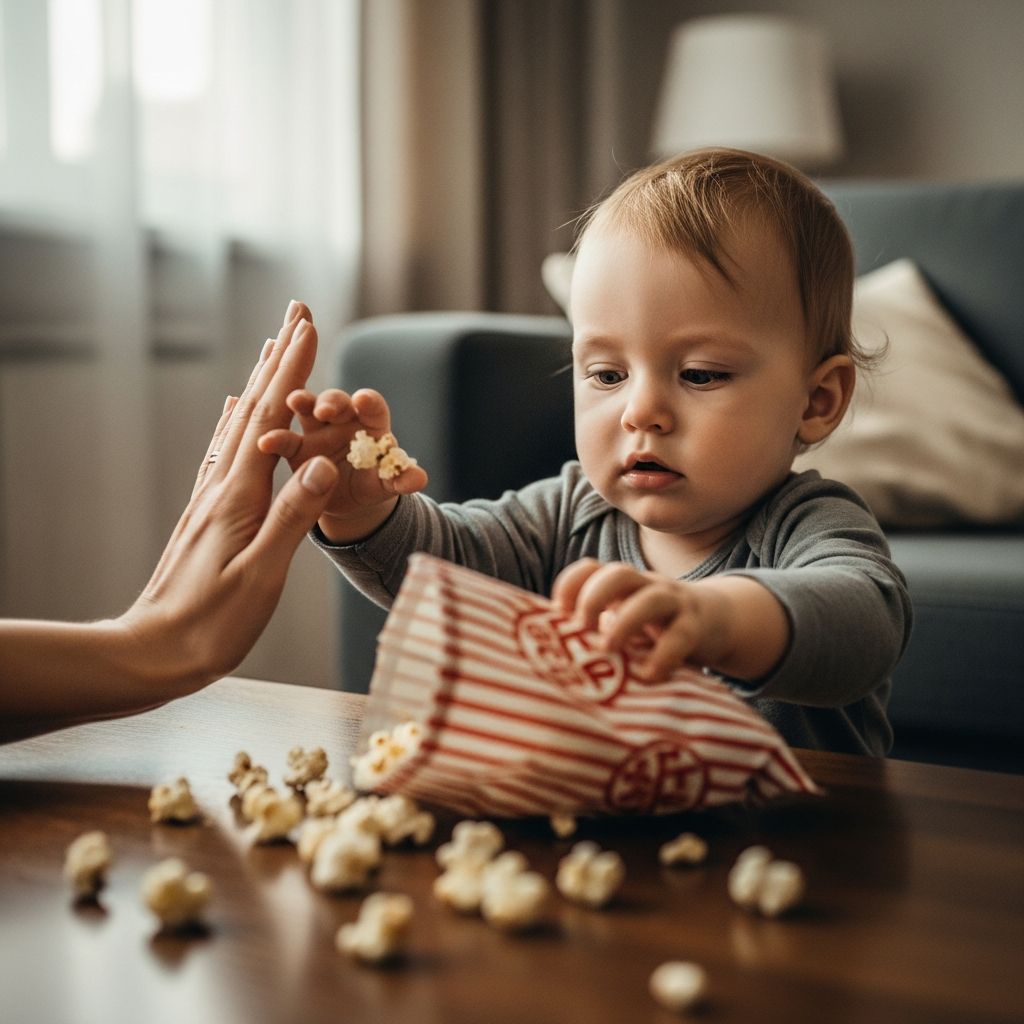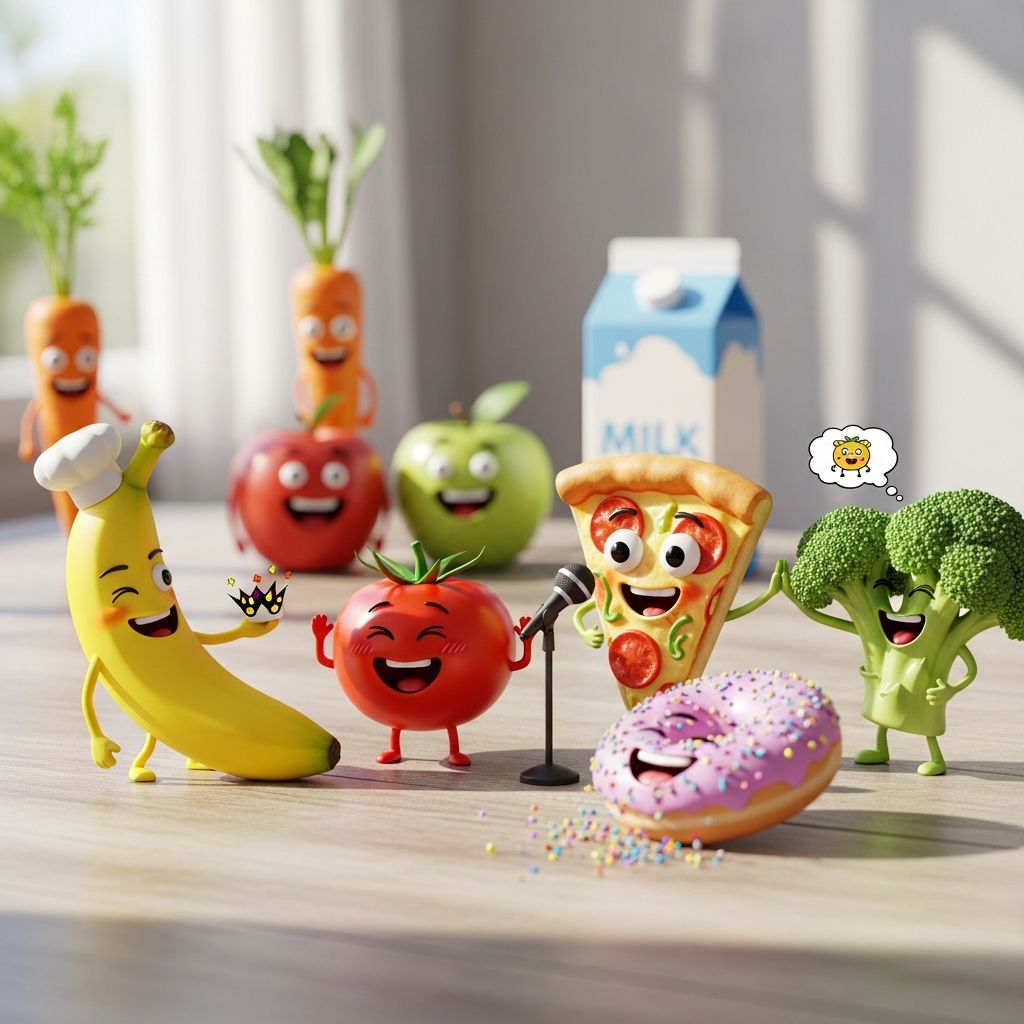
Food and laughter are two of the quickest ways to bring families closer together. When kids get to share a joke at the table, they are not only practicing language and creativity, they are also building memories that can last far longer than the meal itself. This guide is packed with goofy, kid-friendly food jokes, ideas for using them, and a few tips on why laughing over lunch is surprisingly good for everyone.
Why Food Jokes Are Perfect for Kids
Kids naturally love wordplay. Simple puns and knock-knock jokes help them experiment with sounds, meanings, and timing. Researchers have found that humor can support social skills, vocabulary, and even problem-solving, especially when it is shared in a warm, low-pressure setting like a family meal.
- Builds language skills: Jokes often depend on double meanings, which helps kids think flexibly about words.
- Strengthens family bonds: Shared laughter during meals is linked with stronger family connection and better communication.
- Reduces stress: Lighthearted moments can ease school-day tension and encourage kids to open up.
- Encourages creativity: Once they hear a few puns, kids start inventing their own.
Main Types of Kid-Friendly Food Jokes
Food humor for kids usually falls into a few easy-to-use categories. Mixing them keeps things fresh and funny.
| Joke Style | What Makes It Fun | Best For |
|---|---|---|
| Question & Answer | Simple setup and punchline kids can memorize quickly. | Quick laughs at breakfast, lunch boxes, and car rides. |
| Knock-Knock Jokes | Repetitive pattern makes it easy for younger kids. | Preschool and early readers practicing turn-taking. |
| Puns & One-Liners | Short, clever word twists that feel extra silly. | Older kids who like to deliver the “perfect” line. |
| Mini Stories | Very short scenes with a playful surprise ending. | Family dinners when you have a little more time. |
Fruit & Veggie Giggles
Fruits and vegetables make ideal joke stars. They are colorful, familiar, and come with fun shapes and names that are easy to rhyme or twist.
- Use fruit jokes to break the ice when a new veggie appears on the plate.
- Invite kids to give talking roles to items in a salad or snack tray.
- Ask them to invent a silly superhero identity for their favorite fruit.
For instance, a bowl of grapes might turn into a “superhero squad,” each one ready with a tiny, silly line. Encouraging playful thinking around foods may help reduce anxiety around new tastes and encourage curious tasting.
Bread, Pasta, and Pizza Puns
Carb-based foods come with loads of wordplay potential. Words like “toast,” “roll,” “dough,” and “crust” can carry more than one meaning, making them perfect for simple puns kids can grab onto.
- Sandwich jokes make great lunch-box notes.
- Pizza puns are ideal for pizza night traditions.
- Pasta humor gives kids a reason to talk about different shapes and names.
You might invite each family member to create a “house special” joke about their favorite pasta, then vote on which one would make the best pretend restaurant slogan.
Sweet Treats and Dessert Laughs
Desserts show up in a lot of kids’ jokes because they already feel special and exciting. Sprinkles, ice cream, and cupcakes are almost designed for cartoon-style silliness.
- Ask: “If this cookie could talk, what would it complain about?”
- Let kids name their dessert with a punny title, like a TV show or movie.
- Play a game where each person adds one silly line to a dessert story.
Although sweets are fun, experts still recommend limiting added sugars for kids, especially in everyday meals. Humor can stay on the menu even when dessert does not, though—just relocate the jokes to fruit, yogurt, or other everyday foods.
Breakfast, Lunch, and Snack-Time Jokes
Different meals can inspire different styles of humor. Turning this into a pattern can help bring structure and routine to family time, which many parenting experts consider helpful for kids’ sense of security.
Breakfast Chuckles
Morning jokes should be short and energetic. This is a good time for quick one-liners while everyone is still waking up.
- Keep a jar of paper slips with a short joke on each one.
- Let kids draw the “Breakfast Joke of the Day.”
- Rotate who gets to read it out loud in their best dramatic voice.
Lunchbox Laughs
Lunch at school can feel stressful or rushed. A tiny joke, written or printed on a small card, can act as a friendly reminder that home is cheering kids on.
- Write very short question-and-answer jokes so kids can read them quickly.
- Use simple drawings for younger kids who cannot yet read; a smiling banana or a dancing carrot can still deliver a giggle.
- For older readers, challenge them with puns that are slightly trickier to “get.”
Snack & After-School Silliness
After school, kids may be more talkative—and possibly more wiggly. Humor can help them transition from school mode to home mode.
- Ask for a “snack review” in the style of a comedy show.
- Encourage kids to rate snacks on a pretend “giggle scale.”
- Let them invent a new joke each day about something on the plate.
How Food Jokes Support Learning
It may look like pure silliness, but kid-friendly food jokes can support a few important skills:
- Vocabulary growth: Puns rely on knowing that a word can hold more than one meaning, which studies link to more advanced language understanding.
- Social turn-taking: Knock-knock jokes teach when to speak and when to wait, a key social skill.
- Narrative thinking: Short joke stories help kids practice beginning, middle, and punchline, which supports storytelling.
- Confidence: Telling a joke and getting a laugh can boost a child’s sense of competence and belonging.
It is important that adults keep jokes gentle and kind. Experts caution that hurtful teasing or sarcasm can damage trust, especially for younger children who do not yet understand more complex humor.
Creating a Family Food Joke Tradition
You do not need to be a natural comedian to build a fun family routine around food jokes. A few simple habits make a big difference.
1. Start a Joke Notebook
Keep a small notebook or stack of index cards in the kitchen.
- Whenever someone hears a new food joke, they add it.
- Kids can decorate the pages with doodles of the starring foods.
- From time to time, choose a “Greatest Hits” joke to feature at dinner.
2. Make a Rotating Joke Job
Assign one child as the weekly or nightly “Chief Joke Teller.”
- They choose or invent one joke for each shared meal.
- Next week, rotate the job to another family member.
- Adults should participate too—it shows that silliness is for everyone, not just kids.
3. Use Jokes to Ease Tricky Foods
While no joke will magically make picky eating vanish, humor can soften the mood when kids face unfamiliar foods.
- Describe the new veggie as a friendly character with a funny backstory.
- Invite kids to imagine what the food might say about being tasted.
- Avoid pressure; the goal is to build curiosity, not force bites.
Quick Do’s and Don’ts for Food Jokes
- Do keep jokes clean, kind, and easy to understand.
- Do adjust joke complexity to your child’s age and language level.
- Do let kids tell the same favorite joke many times; repetition builds confidence.
- Don’t use humor to tease kids about how much or how little they eat.
- Don’t make jokes that single out a child’s body or appearance.
- Don’t correct every mistake in the punchline—laugh first, coach gently later if needed.
Fun Ways to Present Food Jokes
Once you have a bunch of jokes ready, the next step is to present them in ways that feel playful and special.
- Placemat Puns: Create reusable placemats with printed jokes and blank spaces where kids can write their own in erasable marker.
- Menu of Giggles: On pizza or burger nights, write a pretend restaurant menu that includes a side of jokes.
- Joke Coasters: Stick short food puns on homemade cardboard “coasters” kids can color.
- Story Chain: Start with one food joke and challenge each person to add a new joke that connects somehow to the last one.
Frequently Asked Questions (FAQs)
What age is best for starting food jokes with kids?
Most kids enjoy very simple, repetitive jokes by preschool age, especially knock-knock jokes. As their vocabulary grows in early elementary years, they begin to understand puns and sillier twists on language.
How can I tell if a joke is appropriate?
A good rule is that the joke should not embarrass anyone at the table, should be easy to explain without references to mature topics, and should not make fun of how someone looks, talks, eats, or feels.
My child tells the same joke over and over. Is that normal?
Yes. Repeating a favorite joke is a common way kids practice language and timing. It can be helpful to laugh along, then gently introduce new jokes when they seem ready for a change.
Can jokes really improve family mealtimes?
Research on family meals suggests that relaxed, pleasant conversation—including humor—is linked with better emotional health, healthier eating patterns, and stronger parent–child relationships.
What if my child makes a joke that sounds unkind?
Use it as a teaching moment. Explain that jokes should make everyone laugh, not hurt feelings, and help them rephrase it into something playful and kind instead.
References
- 50 Food Jokes for Kids To Make Meal Time More Fun — We Are Teachers. 2023-03-01. https://www.weareteachers.com/food-jokes-kids/
- Humor in children: Development, benefits, and challenges — Loizou, E. in Early Child Development and Care. 2011-06-01. https://doi.org/10.1080/03004430903271121
- Added Sugars Intake in the United States — U.S. Department of Agriculture & U.S. Department of Health and Human Services, Dietary Guidelines for Americans 2020–2025. 2020-12-29. https://www.dietaryguidelines.gov
- Family Meals and Child Health — Fulkerson, J.A. et al., University of Minnesota / Obesity Reviews. 2014-02-01. https://doi.org/10.1111/obr.12131