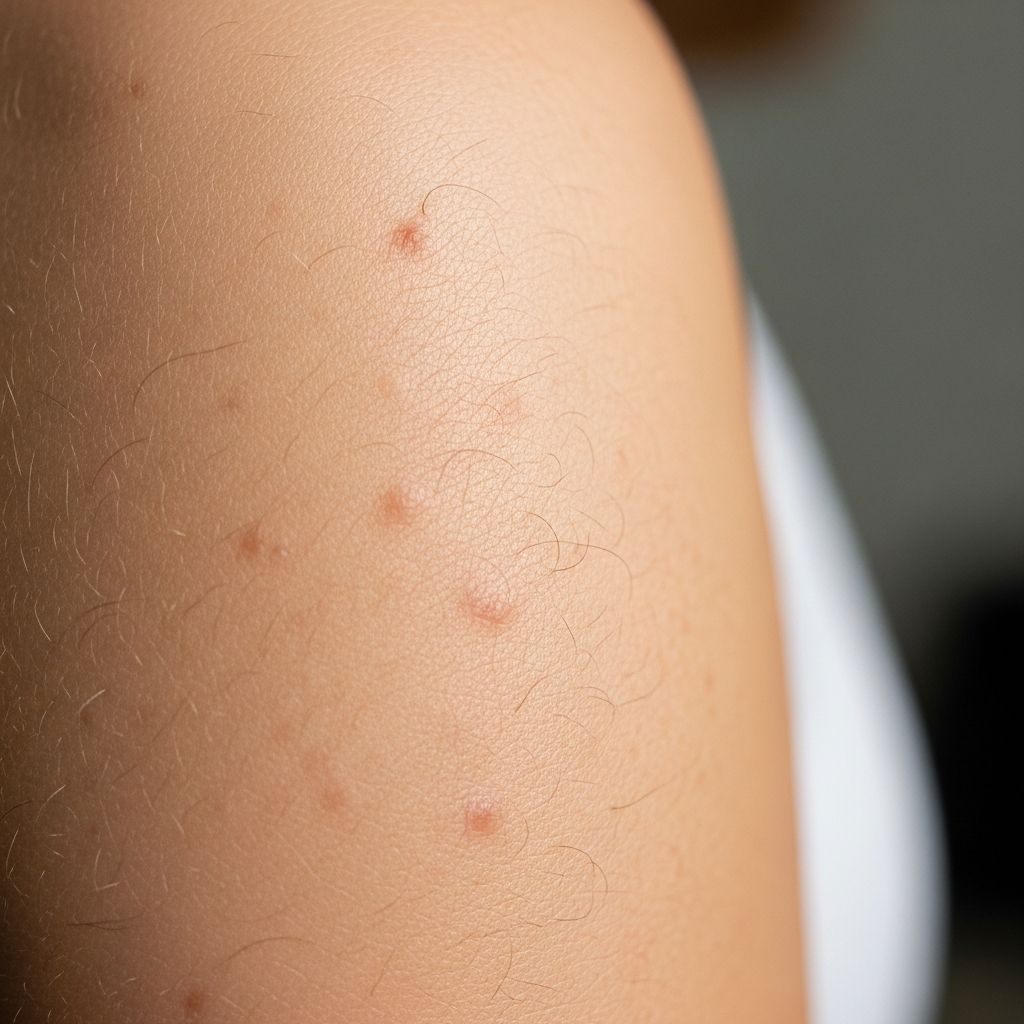
Noticing patches of tiny, rough bumps on your upper arms, thighs, or cheeks can be alarming, especially during the teen years when confidence already feels fragile. Keratosis pilaris (often nicknamed “chicken skin”) is a very common, harmless skin condition that causes these dry, sandpaper-like spots, but it is not dangerous and does not mean your skin is “dirty” or infected.
While keratosis pilaris cannot be permanently cured, there are many gentle ways to soften the bumps, reduce redness, and make skin feel smoother over time. This guide explains what is happening under the surface, how doctors think about the condition, and what you can safely do at home to care for your skin.
What Exactly Is Keratosis Pilaris?
Keratosis pilaris is a skin condition in which small, firm bumps form around hair follicles, often feeling like sandpaper or the skin of a plucked chicken. These bumps are made of a natural protein called keratin, which helps protect the outer layer of your skin but can sometimes build up and clog the tiny openings where hairs come out.
In keratosis pilaris, many follicles in one area become plugged at the same time, creating patches that look dotted or speckled. The bumps can be skin-colored, pink, red, or darker than the surrounding skin, and may be more noticeable on lighter or darker complexions in different ways.
Where on the Body Does It Show Up?
Keratosis pilaris usually appears in places where hair follicles are dense and the skin tends to be dry. Some areas are much more common than others, especially during childhood and the teen years.
- Outer upper arms: This is the classic location where many people first notice the condition.
- Front or sides of the thighs: Bumps here can feel especially rough when skin is dry.
- Cheeks: Some teens develop fine, bumpy patches on the face that can look like constant goosebumps.
- Buttocks: Small, grainy bumps can appear where skin stays covered and rubs against clothing.
The bumps are usually symmetrical, meaning both arms or both thighs have similar areas of roughness. This pattern helps doctors tell keratosis pilaris apart from other rashes that may affect just one side or appear irregularly.
What Do the Bumps Look and Feel Like?
Even though keratosis pilaris can look different from person to person, there are some features that show up again and again. Understanding these details can make it easier to recognize what is going on with your own skin.
- Texture: The skin feels rough or gritty, like sandpaper or tiny beads under the fingertips.
- Size: Each bump is small, often no larger than the head of a pin.
- Color: Bumps may match your skin tone or appear red, pink, or brown depending on your complexion and how irritated the area is.
- Dryness: The surrounding skin often feels dry or flaky, especially in colder months.
- Sensitivity: Some people feel mild itchiness or irritation, while others notice only the texture.
Many teens say the bumps are more of a cosmetic concern than a physical one, because they are usually not painful. Picking or scratching at them, however, can make the area sore, inflamed, and more likely to leave dark marks afterward.
Why Does Keratosis Pilaris Happen?
The bumps in keratosis pilaris come from a build-up of keratin, the protective protein that forms part of the outermost layer of your skin and hair. When too much keratin collects around a hair follicle, it plugs the opening like a tiny cork, forming a firm little bump on the surface.
Experts do not fully understand why some people develop these plugs and others do not, but several patterns and risk factors have been noticed. Understanding these can help you feel reassured that the condition is not your fault and not caused by poor hygiene.
Factors That May Play a Role
- Genetics: Keratosis pilaris often runs in families, so if a parent, sibling, or close relative has similar bumps, you may be more likely to have them as well.
- Dry skin: The condition tends to be more pronounced when the skin is dry or dehydrated, especially in cold or low-humidity environments.
- Other skin tendencies: People who have conditions linked to a sensitive or easily dried-out skin barrier, such as eczema, may notice keratosis pilaris more often.
- Age and hormones: The bumps often appear or worsen during childhood and the teen years, when hormones are changing and oil and moisture levels in the skin are fluctuating.
None of these factors involve dirt or infection, which means scrubbing harder will not fix the condition. In fact, rough cleansing can damage the skin barrier and make the patches look and feel worse.
Is Keratosis Pilaris Harmful?
Keratosis pilaris is considered medically harmless and is not contagious, so you cannot catch it from someone else or give it to friends or family. The condition does not lead to serious internal health problems and rarely causes anything more than mild itch or cosmetic concern.
For many teens, the most challenging part is emotional: feeling self-conscious about wearing short sleeves, shorts, or swimsuits. Knowing how common the condition is, and that it often becomes milder with age, can help ease some of that worry.
How Doctors Diagnose Keratosis Pilaris
Most of the time, a health professional can identify keratosis pilaris simply by looking at and gently feeling the affected skin. The scattered, tiny, follicle-centered bumps combined with dryness and typical locations make the diagnosis fairly straightforward.
In almost all cases, tests, skin scrapings, or biopsies are not necessary. A clinician might ask questions about family history, other skin issues, and seasonal changes in your symptoms to make sure nothing else is going on.
How Keratosis Pilaris Differs from Other Skin Problems
Keratosis pilaris can sometimes be confused with acne, heat rash, or allergic reactions because each can cause bumps. Paying attention to where the bumps are located and whether there is oiliness, pus, or intense itching can help tell them apart.
| Feature | Keratosis Pilaris | Acne | Allergic Rash |
|---|---|---|---|
| Typical areas | Back of arms, thighs, cheeks, buttocks | Face, chest, back, shoulders | Anywhere contact with allergen occurs |
| Type of bumps | Small, dry, rough plugs around hair follicles | Pimples, blackheads, whiteheads, sometimes cysts | Red, itchy spots or welts, often spreading quickly |
| Main sensation | Usually mild or no itch, more textural | Can be tender or sore, sometimes inflamed | Itchy or burning, may sting |
| Cause | Keratin buildup in follicles | Clogged pores with oil and bacteria | Immune response to an irritant or allergen |
If you are unsure which condition you are dealing with, or if the skin is painful, rapidly worsening, or oozing fluid, it is important to see a health professional. Getting a correct diagnosis early on can prevent unnecessary stress and guide you toward the safest care options.
Can Keratosis Pilaris Go Away?
Keratosis pilaris tends to be most noticeable in childhood and adolescence and often becomes less obvious in adulthood. For some people the bumps nearly disappear on their own over time, while others continue to see mild patches that come and go.
Even when the condition improves, flare-ups can happen during dry seasons, after harsh skin care routines, or when the skin barrier is irritated. Consistent, gentle care is usually more effective than any single quick fix.
Daily Skin Care Habits That Help
While there is no permanent cure, smart daily habits can soften bumps, reduce redness, and make skin more comfortable. The goal is to support a strong, hydrated skin barrier while avoiding anything that scratches or dries the area further.
Gentle Cleansing
- Use mild, fragrance-free cleansers rather than strong soaps that strip away natural oils.
- Keep showers warm, not hot; very hot water can dry and irritate already sensitive skin.
- Limit shower time when possible, since long, steamy showers also pull moisture from the skin.
Moisturizing Regularly
Moisturizer is one of the most important tools for managing keratosis pilaris because hydrated skin sheds dead cells more evenly and feels smoother. For best results, aim to moisturize at least once or twice a day, focusing carefully on bumpy areas.
- Apply moisturizer immediately after bathing, while the skin is still slightly damp.
- Look for thicker creams or ointments instead of very light lotions, as they usually lock in more moisture.
- Choose products that are labeled for sensitive or dry skin and avoid strong perfumes or dyes.
Safe Exfoliation
Exfoliation means helping the skin shed dead cells that build up on the surface. Done gently and consistently, it can improve the feel of keratosis pilaris, but overdoing it quickly backfires.
- Avoid rough scrubs or harsh brushes that can scratch the skin and cause redness.
- If using a soft washcloth or loofah, keep pressure light and do not scrub the same area repeatedly.
- Be cautious with any exfoliating products on the face, where skin is thinner and more sensitive.
Common Medical Treatments
In some cases, a health professional or dermatologist may recommend medicated creams or other treatments if the bumps are very rough, red, or bothersome. These options are usually added to, not substituted for, gentle cleansing and moisturizing routines.
- Creams that encourage shedding: Some products contain ingredients that help loosen and remove dead skin cells, allowing plugs to clear more easily.
- Soothing anti-inflammatory creams: Short-term use of certain prescription creams may be suggested to calm redness or itch in more irritated areas.
- Light or laser treatments: In select cases, especially with noticeable redness, specialized light-based therapies may be considered by a dermatologist.
These treatments should always be used under professional guidance, since some active ingredients can cause irritation, peeling, or sensitivity to sunlight. If you are a teen, it is especially important that a parent or guardian and your health provider are involved before starting any strong new product.
Lifestyle Tips to Keep Bumps Calmer
Beyond products, small changes in everyday habits can make keratosis pilaris less noticeable. Focusing on comfort and kindness to your skin often works better than chasing quick but harsh solutions.
- Wear soft, breathable fabrics when possible to reduce friction on bumpy areas.
- Avoid picking or squeezing the bumps, which can lead to dark spots and scarring.
- Use a gentle, broad-spectrum sunscreen on exposed areas to prevent irritation and discoloration from the sun.
- Try a humidifier in very dry environments to add moisture back into the air.
- Drink water regularly and maintain a varied, balanced diet to support overall skin health.
Emotional Side: Confidence and Body Image
It is normal to feel embarrassed or frustrated when skin does not look the way you want, especially in social or sports settings. Remember that keratosis pilaris is common, harmless, and something many people deal with quietly, even if they never mention it.
Building a caring routine for your skin can actually be a form of self-respect, not just a cosmetic chore. If the appearance of your skin is strongly affecting your mood, social life, or self-esteem, talking with a trusted adult, counselor, or health professional can provide extra support.
When to See a Health Professional
Most cases of keratosis pilaris can be managed at home with gentle care and patience. However, certain signs mean it is a good idea to schedule a visit with a clinician for a closer look.
- Bumps that become very red, swollen, painful, or filled with pus.
- Rash that spreads rapidly, itches intensely, or appears infected.
- Uncertainty about whether the bumps are keratosis pilaris, acne, or something else.
- Significant distress about the way your skin looks, affecting daily life.
A professional visit can give you a clear diagnosis, personalized advice, and peace of mind. Bringing a list of products you already use can help your clinician make specific suggestions tailored to your routine.
Frequently Asked Questions About Keratosis Pilaris
Is keratosis pilaris contagious?
No. Keratosis pilaris is not an infection and does not spread from person to person. You can safely share towels or clothing without worrying about giving it to someone else.
Can better hygiene make it go away?
Keeping skin clean is always helpful, but keratosis pilaris is not caused by dirt, so extra scrubbing will not cure it. In fact, rough washing can strip away natural oils and make the bumps feel rougher and more irritated.
Will tanning or sun exposure help smooth the bumps?
Any temporary change in how the bumps look with a tan does not fix the underlying condition and can come with risks such as sunburn and long-term skin damage. It is safer to protect your skin with sunscreen and focus on moisturizers and gentle care.
Can diet cause keratosis pilaris?
There is no single food known to directly cause keratosis pilaris, and many people with very different diets experience the condition. Eating a varied diet with plenty of nutrients supports general skin health, but it will not instantly remove existing bumps.
Is it okay to use acne products on keratosis pilaris?
Some ingredients found in acne products can also be used in managing keratosis pilaris, but they are not always the same strength or formula. Because harsher treatments can irritate dry, sensitive areas, it is best to talk to a health professional before applying strong acne medications to bumpy patches.
Will keratosis pilaris affect my future health?
Keratosis pilaris is generally limited to the skin and does not cause serious internal medical problems. The main impact is usually cosmetic and emotional, which can still be important reasons to seek guidance and support.
Key Takeaways for Teens
- Keratosis pilaris is common, harmless, and often most noticeable during the teen years.
- The bumps come from a buildup of a natural skin protein around hair follicles, not from dirt or poor hygiene.
- Gentle cleansing, daily moisturizing, and avoiding harsh scrubbing can make a big difference over time.
- Medical treatments are available if bumps are very rough or bothersome, but they should be used under professional guidance.
- Your worth and attractiveness are not defined by a patch of bumpy skin, and you deserve compassion from yourself and others.