bullying remains a persistent challenge in schools, online spaces, and even adult interactions. Celebrated singer and mother Kelly Clarkson has openly shared her approach to tackling this issue, emphasizing empowerment from an early age. Her strategies focus on building inner strength, encouraging assertiveness, and cultivating a supportive family environment.
Understanding the Scope of Bullying Today
Bullying affects millions of children and adults worldwide, manifesting in physical, verbal, relational, and cyber forms. According to the U.S. Department of Health and Human Services, about 20% of students aged 12-18 experience bullying, with long-term effects on mental health including anxiety, depression, and low self-esteem.
Clarkson, drawing from her own encounters with harsh criticism during her rise on American Idol, views bullying as an unavoidable part of life that requires proactive responses rather than passive endurance. She stresses that while it’s a widespread problem—often called an epidemic—preparation is key to minimizing its impact.
Empowering Young Children to Speak Out
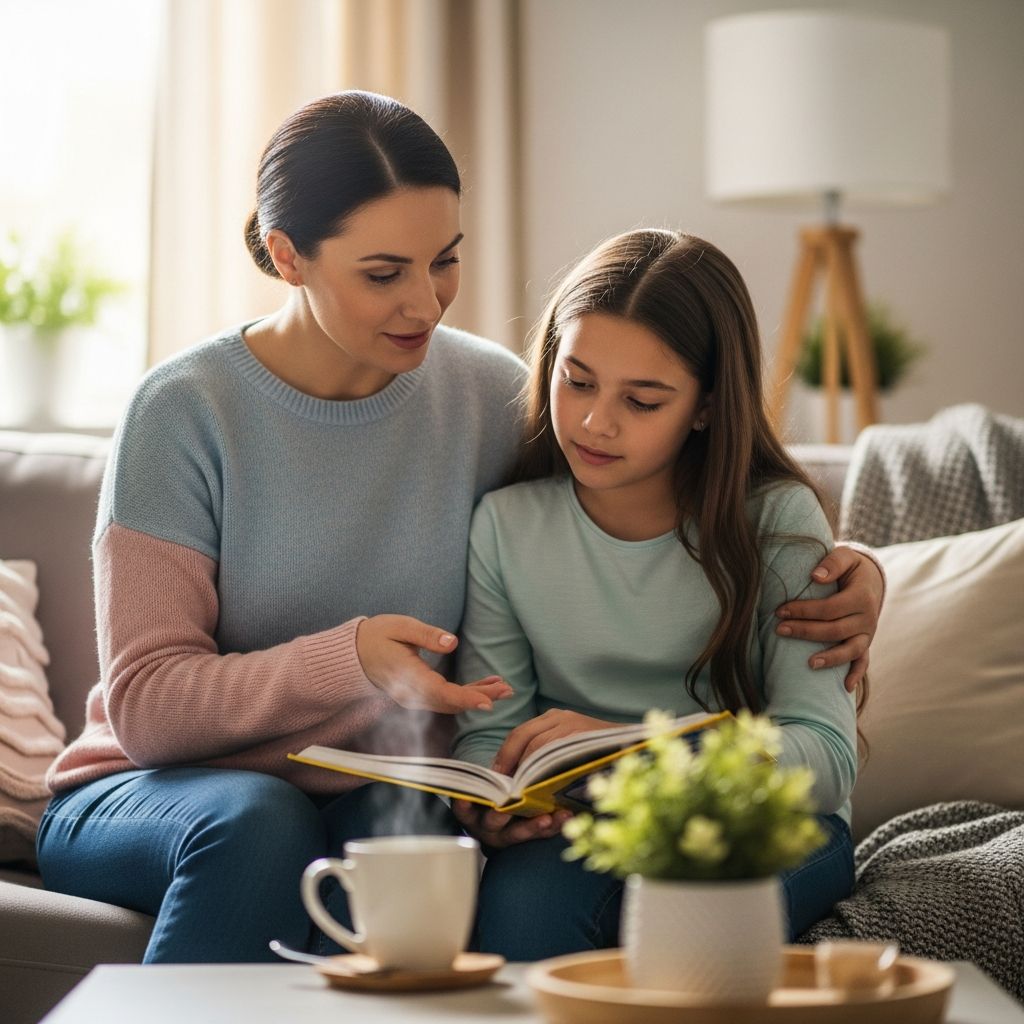
One cornerstone of Clarkson’s philosophy is instilling confidence in toddlers and preschoolers. As a mother to young children, she advises parents to teach kids immediately to voice concerns. ‘Tell mommy if somebody does anything inappropriate. You stand up for yourself,’ she told PEOPLE magazine regarding her daughter starting preschool.
This early training fosters a sense of agency. Clarkson believes starting young molds children into ‘elevated individuals’ who contribute positively to society. Parents can reinforce this by role-playing scenarios, praising assertiveness, and normalizing the idea that speaking up is a strength, not a weakness.
- Practice simple phrases like ‘That’s not okay’ or ‘Stop that’ during playtime.
- Discuss emotions daily to build vocabulary for expressing discomfort.
- Celebrate small victories in standing ground, boosting self-worth.
Teaching Empathy and Allyship
Beyond self-defense, Clarkson encourages kids to support peers. She tells her children to notice and help classmates facing mistreatment, saying, ‘Not only for them, what’s happening to them, but maybe somebody in the class who you notice.’ This dual focus—self-protection and advocacy—creates compassionate leaders.
In practice, parents might ask: ‘What would you do if you saw a friend being picked on?’ Such questions develop emotional intelligence, aligning with research from the American Psychological Association showing empathy training reduces bullying incidents by up to 25% in schools.
Navigating Bullying in the Digital Age
Cyberbullying adds complexity, especially for teens. Clarkson recounts advising her stepdaughter on handling online hate from an adult: ‘Block them or whatever you want to do not to see it.’ She acknowledges, ‘Bullying is gonna happen… There’s no bullying cops,’ urging resilience over futile fights.
| Strategy | For Kids | For Parents |
|---|---|---|
| Block & Report | Use platform tools immediately | Monitor without invading privacy |
| High Road Approach | Ignore and focus on positives | Model calm responses |
| Document Evidence | Screenshot incidents | Consult school or authorities if severe |
This table outlines actionable steps, emphasizing digital hygiene as a first line of defense.
Building Unshakable Self-Esteem
Clarkson’s overarching message is self-reliance. She teaches that external validation can’t dictate happiness: ‘You can’t base your entire existence on how people feel about it.’ For parents, this means prioritizing intrinsic motivation through hobbies, achievements, and unconditional love.
Activities like journaling successes, sports, or arts help children internalize their value. Clarkson, who faced Idol-era bullies now prominent elsewhere, exemplifies rising above by focusing on her path.
Parental Role: Modeling Resilience
Moms and dads must exemplify Clarkson’s advice. She notes it’s ‘crucial’ during formative years, sharing deeper wisdom with teens but basics with little ones. Parents facing adult bullies—workplace or social—can ‘rise above’ by setting boundaries and seeking support networks.
Clarkson refuses silence, even risking backlash, as suppressing voice leads to depression. She urges authenticity: ‘You can’t not be you.’ Families benefit from open dialogues about personal bullying stories, humanizing the issue.
Long-Term Strategies for a Bully-Free Mindset
Sustained efforts yield lasting change. Clarkson envisions kids growing into society-elevators through consistent habits:
- Mindfulness Practices: Breathing exercises to manage anger during confrontations.
- Social Skills Training: Joining clubs to build positive friendships.
- Professional Help: Therapy if bullying persists, normalizing mental health care.
Schools play a role too, with anti-bullying programs proven effective by CDC data, reducing victimization by 15-20%.
Clarkson’s Personal Journey with Adversity
From absent father figures to public scrutiny, Clarkson’s life informs her views. She champions individuality, especially for marginalized groups, wanting to confront ignorance directly but respecting boundaries. Her music, like anthems of empowerment, mirrors this resilience.
In one instance, she surprised bullied kids, motivating them to fight back positively, as seen in viral moments.
Frequently Asked Questions (FAQs)
What should I do if my child is bullied at school?
Listen without judgment, teach them to report to teachers, practice responses, and build their confidence through positive reinforcement. Escalate to administration if needed.
Is it ever okay to fight back physically?
Clarkson advocates verbal assertiveness first. Physical response should be last resort, only in self-defense, and followed by adult involvement.
How can I help my child stand up for others?
Role-play ally scenarios, praise inclusive behavior, and discuss real-life examples from news or books to normalize support.
Does ignoring bullies really work?
Often yes, as bullies seek reactions. Combined with blocking/reporting and adult guidance, it starves negativity while preserving peace.
At what age should I start these conversations?
As early as preschool, Clarkson says, to ingrain habits before challenges peak.
Creating a Supportive Home Environment
Ultimately, Clarkson’s wisdom boils down to proactive parenting. Homes filled with encouragement counteract bullying’s sting. Daily affirmations, family meetings on tough days, and celebrating uniqueness fortify kids.
Parents should self-reflect: Are we modeling victimhood or victory? Clarkson’s no-nonsense style—’steer your ship’—reminds us control lies within.
By integrating these principles, families not only survive bullying but thrive beyond it, raising generations of resilient, empathetic individuals.
References
- Kelly Clarkson Says It’s ‘Crucial’ For Young Kids To Stand Up For Themselves — Scary Mommy. 2017-10-01. https://www.scarymommy.com/kelly-clarkson-kids-self-esteem-bullies
- Q&A: Kelly Clarkson on Why She Won’t Stop Speaking Her Mind — Pride Source. 2017-05-17. https://pridesource.com/article/83733-2
- Kelly Clarkson Talks Motherhood, Shares Advice For Dealing With Bullies — Nicki Swift. 2017-05-18. https://www.nickiswift.com/94387/kelly-clarkson-talks-motherhood-shares-bullying-advice/
- Preventing Bullying — U.S. Department of Health and Human Services. 2024-01-15. https://www.stopbullying.gov/prevention
- Kelly Clarkson Gets Candid About the Cruelty She Faced on ‘Idol’ — Country Living. 2024-11-12. https://www.countryliving.com/life/entertainment/a64380231/kelly-clarkson-american-idol-bullies-voice-coaches/
- Kelly Clarkson Surprises Two 10-Year-Old Motivational Speakers — YouTube (Little Voices Big Dreams). 2018-03-15. https://www.youtube.com/watch?v=E7Ohk_F7ywg