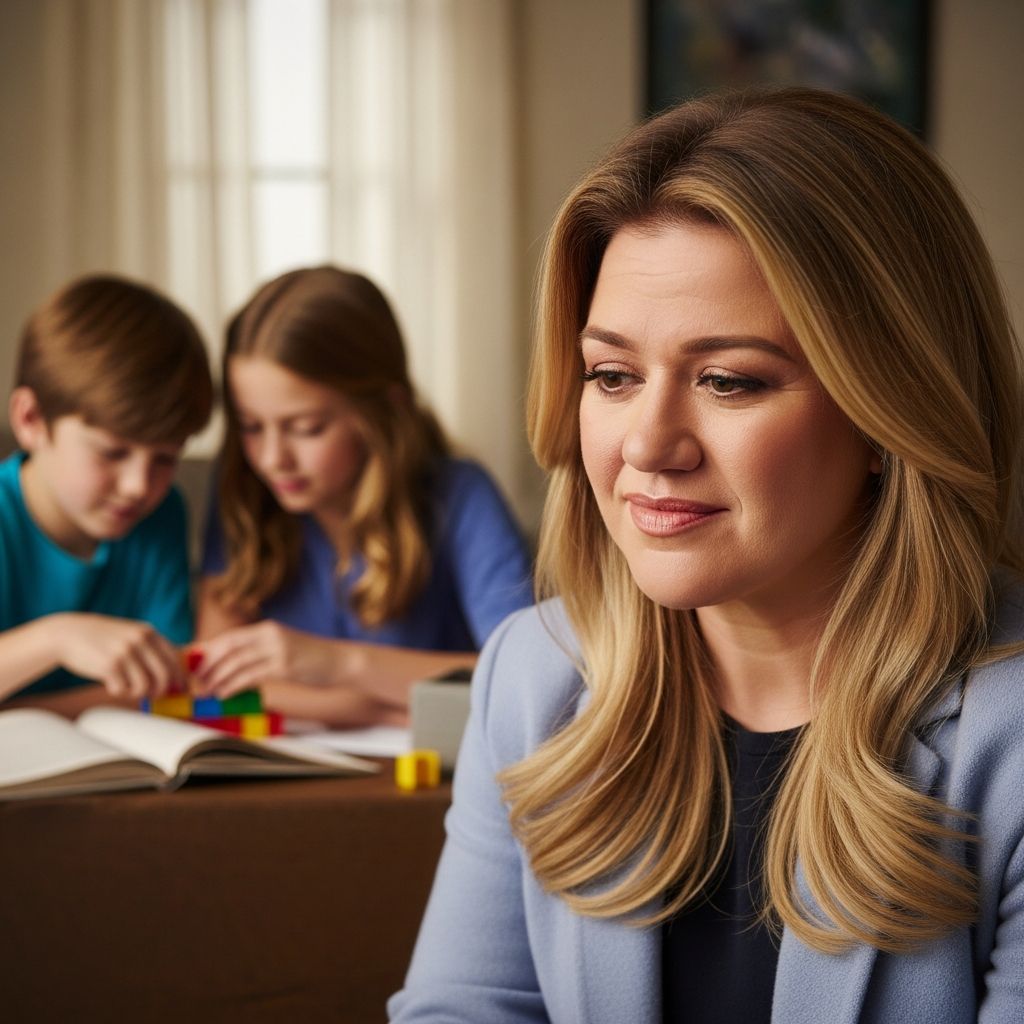
Kelly Clarkson, the Grammy-winning singer and television host, has been candid about the emotional toll of her divorce from Brandon Blackstock. With two young children, River (aged 6) and Remington (aged 4), at the center of this transition, Clarkson has taken proactive steps by introducing professional therapy to help them process their feelings. This approach underscores a growing recognition among parents of the value of mental health support during family upheavals.
Understanding the Impact of Divorce on Young Children
Divorce represents a profound shift for any family, but for young children, it can disrupt their sense of security and stability. Clarkson has emphasized that the change affects not just her own heart but also the “little hearts” of her kids. Research from child development experts indicates that children under 10 are particularly vulnerable to anxiety, behavioral changes, and attachment issues following parental separation. Symptoms may include regression in milestones, such as bedwetting or clinginess, as well as emotional outbursts or withdrawal.
In Clarkson’s case, both she and Blackstock hail from families previously touched by divorce, which informed their decision to act swiftly. By involving child psychologists early, they aim to equip River and Remington with tools to express sadness and adapt healthily. Clarkson shared in interviews that “everyone’s sad, and it’s okay to be sad,” normalizing these emotions while providing structured outlets.
Why Early Therapy Makes a Difference
Enrolling children in therapy preemptively can mitigate long-term effects. Therapists specializing in family transitions use age-appropriate techniques like play therapy for toddlers and talk therapy for school-aged kids. Clarkson noted having “a lot of help as far as therapists or child psychologists ’cause we want to do it right.” This commitment reflects evidence-based practices recommended by organizations like the American Psychological Association, which advocate for interventions that foster resilience.
- Play Therapy: Allows non-verbal expression through toys and art, ideal for Remington’s age.
- Cognitive Behavioral Techniques: Help older children like River identify and reframe negative thoughts about the family split.
- Family Sessions: Promote co-parenting alignment, ensuring consistent messaging to the children.
- Parental Coaching: Guides adults on supporting kids without burdening them with adult conflicts.
These methods not only address immediate distress but also build lifelong coping skills. Clarkson’s blended family includes Blackstock’s older children, Savannah (18) and Seth (13), who may benefit from similar support tailored to adolescents.
Balancing Public Life and Private Protection
As a public figure hosting The Kelly Clarkson Show and coaching on The Voice, Clarkson faces unique pressures. She has deliberately limited disclosures about her marriage’s end to shield her children from media scrutiny. “I’m a mama bear and my kids come first,” she stated, opting to share only personal impacts sparingly. This restraint contrasts her usual openness, highlighting the amplified stress of high-profile divorces where family matters become tabloid fodder.
Experts advise celebrity parents to model healthy boundaries, using therapy to compartmentalize public and private spheres. Clarkson’s strategy—encouraging kids’ private talks with therapists while curating her narrative—sets a positive example for all parents navigating visibility.
Co-Parenting Strategies for Divorce Success
Effective co-parenting post-divorce requires intentional effort. Clarkson and Blackstock prioritize collaboration, consulting professionals to align on child-rearing. Key strategies include:
| Strategy | Benefits | Implementation Tips |
|---|---|---|
| Consistent Routines | Maintains security | Share calendars for school, activities, and holidays |
| Open Communication | Reduces confusion | Use apps like OurFamilyWizard for logistics |
| Neutral Language | Prevents loyalty conflicts | Avoid disparaging the other parent |
| Joint Therapy | Strengthens teamwork | Attend sessions focused on co-parenting skills |
These practices, supported by family law guidelines, help children thrive in two homes. Clarkson’s reliance on her support network of family and friends further bolsters this framework.
The Role of Parental Modeling in Child Resilience
Children mirror parental emotional regulation. By seeking therapy herself and validating her kids’ feelings, Clarkson demonstrates vulnerability as strength. She leans on loved ones, stating, “I have a great family and friends that are there for me.” This modeling teaches emotional literacy—identifying, expressing, and managing feelings healthily.
Studies from the CDC’s Adverse Childhood Experiences (ACEs) framework show that supportive parenting buffers trauma. Divorce counts as an ACE, but proactive measures like therapy can lower associated risks for depression or substance issues later in life.
Common Challenges and How to Overcome Them
Parents often encounter hurdles in prioritizing kids’ therapy:
- Stigma: Normalize mental health as routine check-ups, like dental visits.
- Cost: Explore insurance, sliding-scale clinics, or school counselors.
- Finding the Right Fit: Interview multiple therapists; prioritize those certified in child trauma.
- Child Resistance: Frame sessions as fun “talk time” with engaging activities.
Clarkson’s transparency demystifies these steps, encouraging others.
Long-Term Benefits of Family Therapy
Beyond crisis management, therapy cultivates empathy and communication. For Clarkson’s family, it fosters adaptability amid ongoing changes like custody arrangements finalized post her June filing after seven years of marriage. Longitudinal data from the Journal of Family Psychology reveals that early interventions correlate with better academic performance and relationships in adulthood.
Frequently Asked Questions (FAQs)
What age is best to start therapy for kids during divorce?
Any age, but earlier is better; even preschoolers benefit from play-based support to prevent entrenched issues.
How does Clarkson protect her kids from media attention?
She shares minimally about the divorce publicly, focusing on her personal growth while prioritizing privacy.
Is therapy only for severe cases?
No, preventive therapy builds resilience and normalizes emotional check-ins.
What if co-parents disagree on therapy?
Mediation or court-ordered evaluations can help; prioritize child specialists’ recommendations.
Can therapy improve co-parenting?
Yes, joint sessions teach conflict resolution and unified parenting approaches.
Empowering Parents: Actionable Steps Forward
Inspired by Clarkson’s journey, parents can adopt these steps:
- Assess your children’s emotional cues—changes in sleep, appetite, or behavior.
- Research licensed therapists via Psychology Today or pediatric referrals.
- Prepare kids positively: “This is someone to help us feel better about changes.”
- Monitor progress and adjust as needed.
- Self-care: Therapy for parents enhances effectiveness.
Clarkson’s story illustrates that divorce, while painful, need not define a child’s future when met with compassion and resources.
References
- Kelly Clarkson reveals her kids are receiving therapy amid divorce — Fox News. 2020-10-01. https://www.foxnews.com/entertainment/kelly-clarkson-kids-therapy-divorce-brandon-blackstock
- Kelly Clarkson opens up about divorce and her kids — Motherly. 2020-10-01. https://www.mother.ly/life/kelly-clarkson-kids-therapy/
- Adverse Childhood Experiences (ACEs) — Centers for Disease Control and Prevention. 2024-07-15. https://www.cdc.gov/aces/index.html
- Divorce and Children: An Overview — American Psychological Association. 2023-05-20. https://www.apa.org/topics/divorce-child-custody
- Effects of Divorce on Children — American Academy of Pediatrics. 2022-11-10. https://publications.aap.org/pediatrics/article/150/5/e2022057991/188000