The pelvic floor forms a vital support system in the body, cradling essential organs like the bladder, bowel, and reproductive structures. In children, maintaining these muscles’ strength is crucial for everyday functions such as urination, defecation, and even physical activities. Weak pelvic floors can lead to common issues like constipation, urinary accidents, or discomfort during bowel movements. Introducing Kegel exercises early can significantly enhance these muscles’ resilience, offering long-term health advantages.
Understanding the Pelvic Floor in Children
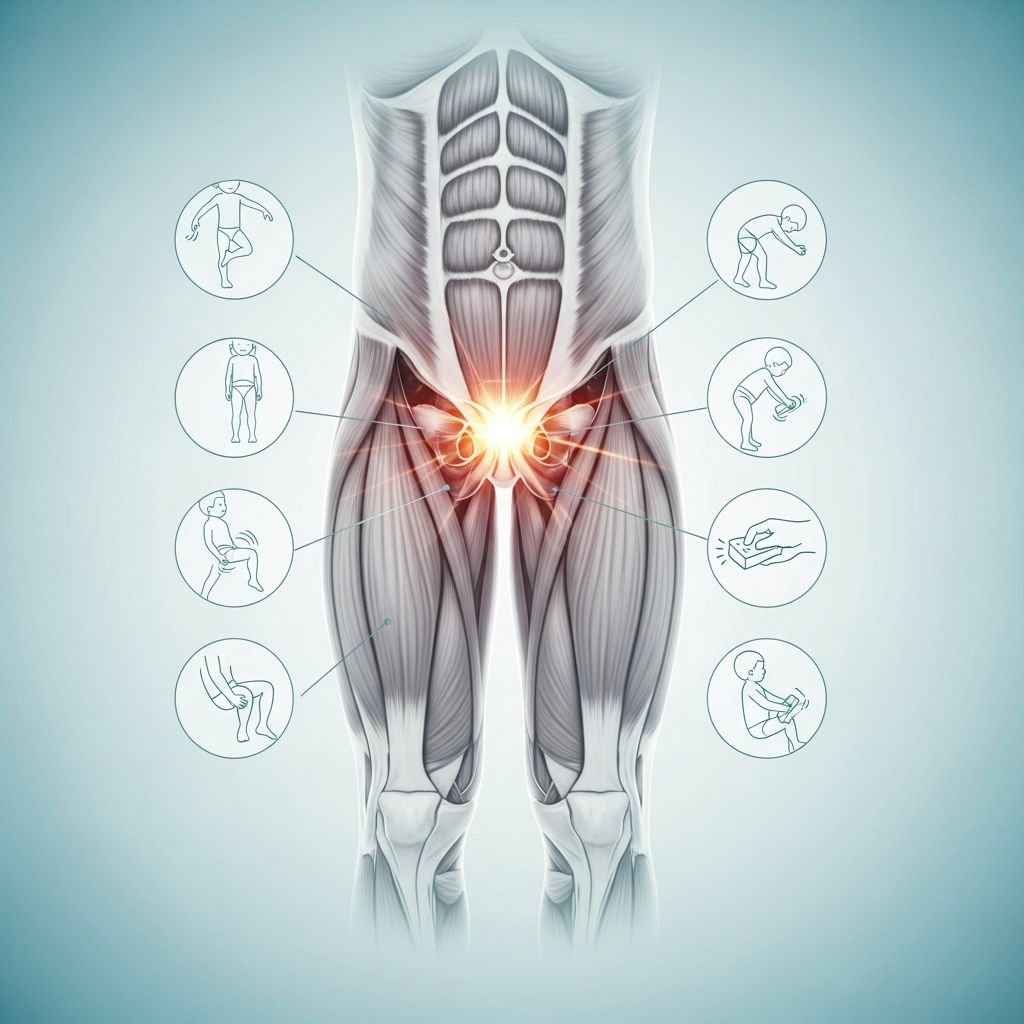
Pelvic floor muscles in kids act like a hammock, holding organs in place and controlling the release of urine and stool. These muscles stretch from the pubic bone to the tailbone, forming a network that supports posture and core stability. As children grow, factors like poor posture, sedentary lifestyles, or improper toilet habits can weaken this area, leading to functional problems. Strengthening them through targeted exercises promotes better coordination and prevents complications.
- Key roles: Regulates bladder and bowel continence, supports organ positioning, aids in sexual health later in life.
- Common weaknesses: Result from constipation straining, urinary tract infections, or delayed potty training.
- Age suitability: Beneficial from toddlerhood onward, with adaptations for different developmental stages.
Research highlights that pelvic floor training improves defecation efficiency in children with constipation, reducing toilet time and pain. Cleveland Clinic experts note these exercises benefit everyone, including kids, by preventing leaks and enhancing control.
Why Children Need Pelvic Floor Training
Functional constipation affects many children, diagnosed via Rome IV criteria, often treated with laxatives and behavioral strategies. However, standard approaches fall short for some, prompting exploration of muscle-focused interventions. Kegel exercises target the pelvic floor and anal sphincter, addressing root causes of straining and incomplete evacuation. A randomized trial showed children combining Kegels with conventional therapy achieved faster defecation (under 5 minutes in 88.4% vs. 37.5%), less abdominal pain, and fewer unsuccessful attempts.
| Outcome | Kegel + Conventional (% Improved) | Conventional Only (% Improved) | P-value |
|---|---|---|---|
| Defecation Time <5 min | 88.4 | 37.5 | 0.001 |
| Incomplete Emptying | Significant reduction | Minimal change | 0.001 |
| Abdominal Pain | Significant reduction | Minimal change | 0.001 |
| Painless Defecation | Improved | Limited | 0.037 |
Beyond constipation, weak pelvic muscles contribute to urinary incontinence, frequent urges, or accidents. Early training fosters healthy potty habits, reduces reliance on aids like enemas, and builds confidence. Physical activity correlates with lower constipation risk in preschoolers, underscoring exercise’s preventive power.
Finding and Activating the Right Muscles
Teaching children to identify pelvic floor muscles starts with familiar sensations. Imagine stopping urine mid-flow or preventing gas escape—these actions engage the correct group. Avoid tightening abdomen, buttocks, or thighs; focus on an internal lift. For young kids, use fun analogies like pretending to hold a balloon between the legs or lifting a marble inside the body.
- Have your child sit or lie comfortably.
- Practice during urination: pause the stream briefly (not repeatedly to avoid issues).
- Feel the squeeze around the bottom and front passages.
- Confirm by inserting a clean finger gently (for older kids with guidance) to sense contraction.
Healthcare providers can demonstrate via biofeedback if needed. UIHC describes these as muscles supporting the urethra, bladder, and rectum, essential for continence.
Step-by-Step Guide to Kegel Routines for Kids
Begin with short, playful sessions to build habit without frustration. Adapt based on age: games for toddlers, structured reps for school-age kids.
Beginner Routine (Ages 4-7)
- Squeeze and hold for 2-3 seconds, relax for equal time.
- Repeat 5 times, 2-3 sets daily (e.g., morning, after school).
- Incorporate into play: during TV time or car rides.
Intermediate Routine (Ages 8+)
- Hold 5 seconds, relax 5 seconds; aim for 10 reps per set.
- 3 sets daily, progressing to standing or active positions.
- Track progress with a sticker chart for motivation.
Perform in any position: lying down for starters, then sitting or standing. Consistency yields results in 6-8 weeks. A sample daily plan:
| Week | Hold/Relax (sec) | Reps per Set | Sets/Day |
|---|---|---|---|
| 1 | 3/3 | 5 | 2 |
| 2-3 | 4/4 | 7 | 3 |
| 4+ | 5/5 | 10 | 3 |
Make it engaging: count squeezes with songs, use apps with animal sounds for contractions, or pair with brushing teeth.
Real-Life Applications and Success Stories
Parents report transformative changes: one child reduced constipation episodes from weekly to rare after 4 weeks of Kegels plus diet tweaks. Clinics like Rady Children’s emphasize strengthening for symptom relief. For urinary issues, home exercises succeed in non-neurogenic lower urinary tract dysfunction. Benefits extend to potty training success and sports performance via core stability.
Potential Pitfalls and Safety Tips
Overdoing Kegels can tighten muscles excessively, causing discomfort—limit to recommended reps. Pain signals wrong technique; consult a pediatrician or physical therapist. Not for acute infections; rule out underlying conditions first. Breathing steadily prevents strain.
- Signs of incorrect form: Back pain, headache, or no sensation.
- When to seek help: Persistent issues despite 8 weeks of practice.
- Professional options: Pelvic floor therapy with biofeedback for complex cases.
Integrating into Family Health Routines
Combine Kegels with high-fiber diets, hydration, and active play. Toilet posture aids like footstools enhance effectiveness. Track symptoms in a journal to monitor gains. Long-term, strong pelvic floors support puberty changes and adulthood wellness.
Frequently Asked Questions
At what age can kids start Kegel exercises?
From age 3-4 during potty training, with simplified versions; full routines suit school-age children.
Do Kegels help with bedwetting?
Yes, by improving bladder control muscles, though combine with other strategies like limiting evening fluids.
How soon do results appear?
Typically 6-8 weeks with daily practice; consistency is key.
Can boys do Kegels too?
Absolutely—benefits bladder, bowel, and future prostate health.
Is professional supervision necessary?
Not always, but ideal for beginners or persistent problems via pediatric pelvic therapy.
References
- A Comparison of the Effect of Kegel Exercises and Conventional Therapy on Functional Constipation in Children — Hajihosseini F et al. 2024-04-24. https://pmc.ncbi.nlm.nih.gov/articles/PMC11091270/
- Kegel Exercises: Benefits, How To & Results — Cleveland Clinic. 2023-11-15. https://my.clevelandclinic.org/health/articles/14611-kegel-exercises
- Pelvic Floor Therapy — Pediatric Healthcare. 2025-07-01. https://pedihc.com/wp-content/uploads/2025/07/Pelvic-Floor-Therapy.pdf
- What Are Kegel Exercises? — Rady Children’s Health. 2024-02-10. https://www.rchsd.org/health-article/what-are-kegel-exercises/
- Pelvic Floor (Kegels) Exercises for Urinary Incontinence — University of Iowa Health Care. 2023-05-20. https://uihc.org/health-topics/pelvic-floor-kegels-exercises-urinary-incontinence
- Home Pelvic Floor Exercises in Children with Non-Neurogenic Lower Urinary Tract Dysfunction — Padilha JF et al. 2022-10-12. https://onlinelibrary.wiley.com/doi/full/10.1002/nau.25060