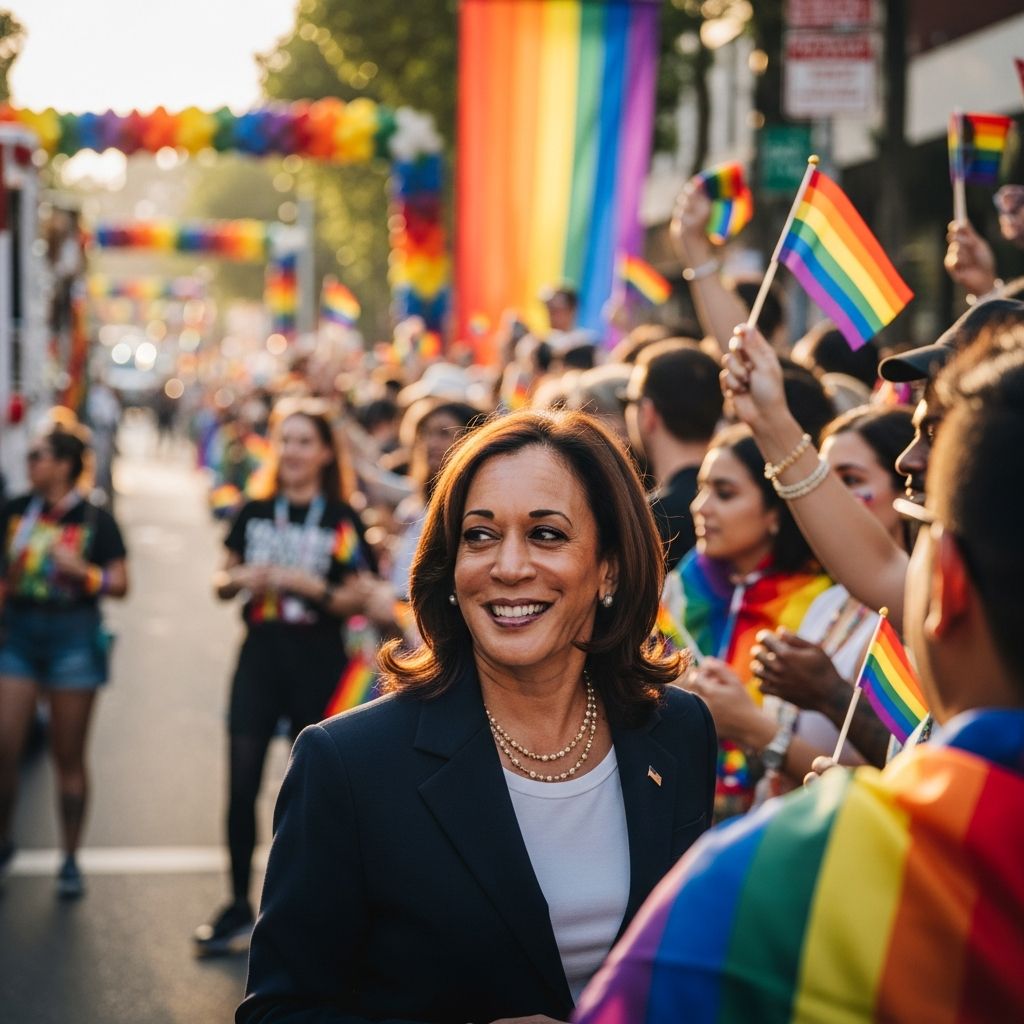
Kamala Harris has long been a visible and vocal supporter of LGBTQ+ communities, participating in Pride events that symbolize joy, resilience, and the ongoing struggle for equality. Her appearances at these gatherings underscore a blend of personal conviction and political strategy, reflecting broader shifts in how public figures engage with social movements.
The Roots of Pride: A Movement Born from Defiance
Pride celebrations trace their origins to moments of bold resistance against systemic oppression. In the late 1960s, marginalized groups within the gay community rose up against routine police harassment, igniting a global call for dignity and rights. These early demonstrations evolved into vibrant parades that today draw millions, serving as both commemoration and call to action.
Understanding Harris’s involvement requires context on this evolution. What began as protests in urban centers like New York and San Francisco has grown into inclusive festivals worldwide, incorporating diverse identities and demands for legal protections, healthcare access, and cultural acceptance.
- Key Milestones: From the first Christopher Street Liberation Day in 1970 to modern iterations marking anniversaries like Stonewall’s 50th.
- Global Reach: Pride now spans continents, adapting to local challenges while maintaining a core message of visibility.
- Cultural Impact: Parades foster community bonds, challenge stereotypes, and influence policy through public spectacle.
Harris’s Journey Through San Francisco’s Iconic Streets
San Francisco stands as a beacon of LGBTQ+ history, its Pride parade a cornerstone event that Harris has embraced repeatedly. As a former district attorney in the area, she immersed herself in the local scene, attending with authenticity rather than mere optics. One notable instance saw her donning a rainbow jacket—a stark contrast to her typical professional attire—marching alongside hundreds of supporters.
This participation wasn’t isolated. Harris joined community breakfasts hosted by groups like the Alice B. Toklas LGBT Democratic Club, signaling solidarity before hitting the streets. Her presence highlighted themes of civil rights progress and the work still ahead, framing Pride as a dual celebration of victories and a platform for future advocacy.
| Event Aspect | Description | Significance |
|---|---|---|
| Attire | Rainbow-colored jacket | Symbol of joyful immersion in community culture |
| Pre-Parade Activity | LGBT Democratic Club breakfast | Builds grassroots connections |
| Participants | Hundreds marching | Demonstrates broad local support |
| Security | Bodyguards, no Secret Service | Reflects pre-nomination status |
Such moments reveal Harris’s comfort in these spaces, leveraging her prosecutorial background to emphasize justice for all, including those historically targeted by law enforcement.
From Local Marcher to National Voice: D.C. Pride Spotlight
Harris’s engagement extended to the national stage during her vice presidency. A surprise appearance at the D.C. Capital Pride Festival captivated attendees, where she addressed crowds from the main platform. This event, amid a festival pulsing with music and activism, amplified her message on federal-level commitments to equality.
Unlike planned political stops, this unannounced visit underscored spontaneity and genuine affinity. It occurred against a backdrop of legislative battles over rights, positioning Harris as a bridge between local festivities and policy influence. Her words resonated, reinforcing Pride’s role in sustaining momentum for protections like marriage equality and anti-discrimination laws.
Why Political Figures Like Harris Matter at Pride
The presence of high-profile politicians at Pride events sparks debate: Is it authentic allyship or calculated campaigning? For Harris, evidence points to consistency. Her record includes sponsoring early same-sex marriage legislation as San Francisco’s DA and pushing federal reforms as senator and VP.
Politicians bring visibility, potentially swaying undecided voters and pressuring lawmakers. Yet critics argue it can overshadow grassroots voices. Harris navigates this by centering community leaders and historical context in her rhetoric.
- Amplification Effect: Media coverage reaches millions, normalizing LGBTQ+ inclusion.
- Policy Linkage: Ties celebrations to tangible gains like Obergefell v. Hodges.
- Risk and Reward: In conservative climates, participation signals courage amid backlash.
Broadening the Conversation: Intersectionality in Pride Politics
Harris’s involvement highlights Pride’s growing intersectionality, weaving in race, gender, and class. As a Black and South Asian woman, she embodies diverse representation, advocating for trans rights, HIV funding, and immigrant LGBTQ+ support. Her speeches often nod to overlapping oppressions, enriching the movement’s scope.
This approach mirrors Pride’s expansion beyond white, cisgender narratives, incorporating Black trans women like Marsha P. Johnson as foundational figures. Harris’s platform thus serves multiple communities, fostering coalitions essential for comprehensive change.
Challenges Facing Modern Pride Events
Despite progress, Pride faces hurdles: commercialization dilutes radical roots, rising anti-LGBTQ+ legislation threatens safety, and internal divisions over corporate sponsorships persist. Harris addresses these by calling for vigilance, as in her pre-parade remarks on unfinished civil rights work.
Post-pandemic recoveries and global authoritarianism add layers, making political allies like Harris vital for funding and legal defenses. Her continued presence reassures amid these tensions.
The Future of Politics and Pride: Lessons from Harris
Looking ahead, Harris’s trajectory—from parade marcher to potential presidential frontrunner—suggests deepening political-Pride ties. As climate change, AI ethics, and rights rollbacks loom, Pride could evolve into platforms for broader progressive agendas.
Young activists draw inspiration from her model: blend joy with justice, visibility with vulnerability. Whether through surprise speeches or steady marching, Harris exemplifies sustained commitment, potentially shaping the 2024 and beyond electoral landscapes.
Pride Participation Impact Overview
| Level | Harris’s Role | Outcomes |
|---|---|---|
| Local (SF) | Marcher, speaker | Grassroots mobilization, hundreds engaged |
| National (D.C.) | Surprise stage appearance | National media boost, policy reinforcement |
| Policy | Legislative advocate | Advancements in marriage, anti-discrimination |
Frequently Asked Questions (FAQs)
What motivated Kamala Harris’s early Pride involvement?
Harris’s roots in San Francisco’s progressive legal scene as DA drove her participation, viewing Pride as essential civil rights terrain.
How has Harris’s Pride role changed over time?
From local marcher to VP surprise speaker, her engagement scaled with prominence while retaining community focus.
Does politician attendance benefit or burden Pride?
It amplifies reach and resources but risks overshadowing origins; balance is key.
What specific LGBTQ+ policies has Harris championed?
Early same-sex marriage support, trans rights, and federal equality acts mark her record.
Why is San Francisco Pride significant for Harris?
As her political home, it represents authentic ties predating national ambitions.
References
- Kamala Harris shows courage enjoying the San Francisco Pride Parade — Los Angeles Blade. 2019-06-30. https://www.losangelesblade.com/2019/06/30/kamala-harris-shows-courage-enjoying-the-san-francisco-pride-parade/
- Kamala Harris speaks at D.C. Pride festival — Washington Blade. 2022-06-13. https://www.washingtonblade.com/2022/06/13/kamala-harris-speaks-at-d-c-pride-festival/