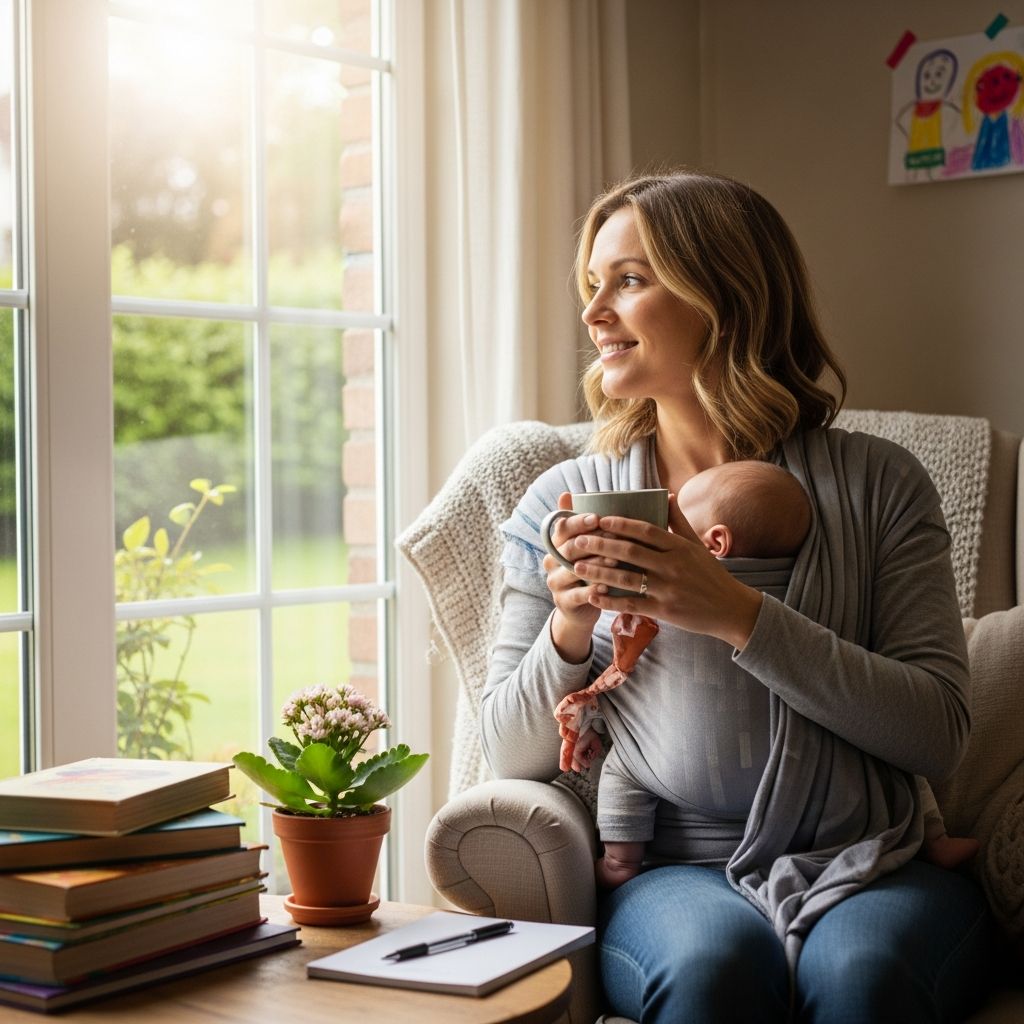
Motherhood brings profound fulfillment alongside relentless demands that can erode personal well-being. Establishing **joy anchors**—simple, repeatable practices—helps mothers reclaim balance, foster resilience, and cultivate lasting happiness. These strategies draw from realistic routines that integrate seamlessly into daily life, emphasizing mental clarity, physical vitality, and emotional grounding without requiring major lifestyle overhauls.
Building a Foundation with Morning Solitude
Starting the day with 10-30 minutes of uninterrupted personal time sets a positive tone, allowing mothers to center themselves before family responsibilities escalate. This solo window can involve sipping coffee in silence, light stretching, or simply sitting with thoughts, reducing morning rush anxiety and enhancing focus throughout the day.
Research from health experts underscores how brief autonomy boosts mood and productivity; for instance, prioritizing this ritual combats the exhaustion common in parenting by signaling self-worth early on. Customize it: on rushed days, shorten to five minutes of deep breathing; on calmer ones, add journaling. Over time, this anchor prevents burnout by creating mental space amid chaos.
Harnessing Breathwork for Instant Calm
Daily breathwork or grounding exercises serve as portable tools for stress reduction, taking mere minutes yet yielding profound effects. Techniques like 4-7-8 breathing—inhale for four counts, hold for seven, exhale for eight—activate the parasympathetic nervous system, lowering cortisol levels and sharpening mental presence.
Mothers can practice during school drop-offs, while kids nap, or even mid-laundry load. Pairing breath with grounding, such as feeling feet on the floor or naming five visible objects, anchors awareness to the present, countering worry spirals about past mistakes or future tasks. Consistent use builds emotional regulation, making it easier to handle tantrums or deadlines with patience.
Infusing Delight into Routine Moments
Elevating ordinary activities with “self-care sprinkles” transforms mundane tasks into sources of joy. Add a favorite playlist to dishwashing, light a scented candle during meal prep, or savor tea mindfully without screens. These micro-enhancements release dopamine, fostering positivity without extra time.
- Aromatic boosts: Use essential oils like lavender for calming during bedtime routines.
- Sensory upgrades: Choose soft fabrics or warm textures for comfort in daily wear.
- Auditory joys: Curate uplifting podcasts for commutes or chores.
This approach reframes chores as opportunities for nurturing, sustaining energy for family interactions.
The Power of Purposeful Movement
Integrating movement, such as 15-minute walks or yoga flows, energizes the body and clears the mind. Walking outdoors combines exercise with nature exposure, which studies link to reduced depression symptoms and improved sleep quality. No gym needed—stroll with a stroller, dance with children, or stretch during TV time.
| Activity | Duration | Benefits |
|---|---|---|
| Brisk Walk | 15-20 min | Endorphin release, vitamin D boost |
| Yoga Stretch | 10 min | Flexibility, stress relief |
| Family Dance | 5-10 min | Bonding, fun energy lift |
Movement anchors physical health, crucial for mothers averaging less than recommended activity levels, enhancing stamina for parenting demands.
Cultivating Hobbies in Hidden Pockets
Nap times or quiet evenings offer prime slots for hobbies like reading, crafting, or puzzles, reigniting personal identity beyond “mom.” Even 15 minutes reading a novel or sketching recharges creativity, combating role fatigue.
Low-pressure pursuits prevent overwhelm: listen to audiobooks during drives or doodle while waiting at appointments. This anchor preserves mental agility, modeling self-nurturance for children and sustaining long-term fulfillment.
Weekly Renewal Rituals
Dedicate one day, like Fridays, to intentional unwind: digital detox, baths, or friend meetups. Unplugging reduces information overload, while baths with Epsom salts ease muscle tension. Structure it loosely:
- Morning: Gratitude listing over breakfast.
- Afternoon: Nature outing or hobby dive.
- Evening: Journal reflections and early bed.
Such rituals provide rhythm, preventing weekly drain and building anticipation for rest.
Prioritizing Rest and Boundaries
Aim for 7-8 hours of sleep via wind-down routines: screen curfews, herbal tea, dim lights. Coupled with boundary-setting—saying no to non-essentials—protects energy.
Journaling clarifies priorities: note gratitudes, vent frustrations, or plan micro-wins. This emotional anchor fosters clarity, reducing resentment and enhancing family relationships.
Hydration, Nutrition, and Skin Rituals
Simple habits like starting days with water, protein-rich breakfasts, and basic skincare routines fuel sustained energy. Hydration improves cognition; skincare boosts confidence via the “layering effect” of self-care.
- Water first: Replaces coffee for steady alertness.
- Balanced meals: Fiber and protein stabilize moods.
- Skincare: Cleanse-moisturize-sun protect in 5 minutes.
Connection and Gratitude Practices
Friend walks or calls combat isolation, while daily gratitudes shift focus to abundance. Listing three appreciations rewires neural pathways for optimism. These social-emotional anchors strengthen support networks, vital for maternal mental health.
Frequently Asked Questions
How do I fit self-care into a chaotic schedule?
Stack practices onto routines: breathe while brushing teeth, walk during lunch breaks, or journal in bed. Micro-moments accumulate without adding time.
What if my kids interrupt my solo time?
Start small, involve them gradually—like family stretches—or use nap/early mornings. Consistency builds their understanding of your needs.
Is breathwork really effective for stress?
Yes, it lowers heart rate and anxiety quickly, backed by mindfulness studies for busy lifestyles.
Can these anchors help with postpartum recovery?
Absolutely—gentle movement, rest, and emotional tools support healing and mood stabilization.
How soon will I notice benefits?
Many report calmer minds within days; sustained practice yields deeper resilience in weeks.
References
- Realistic Self-Care Ideas for Moms — Jessica Massey, Hustle Sanely. 2023. https://www.jessicamassey.com/blog/realistic-self-care-ideas-for-moms
- Busy Moms, These Self-Care Tips Are Just for You — HealthyWomen. 2024. https://www.healthywomen.org/content/blog-entry/busy-moms-these-self-care-tips-are-just-you
- The Ultimate Self-Care Guide for Moms — Peachey Counselling. 2024-01-01. https://www.peacheycounselling.ca/blog/2024/ultimate-self-care-guide-for-moms
- Self-Care Tips for Busy Moms — Carla Thomas Med Spa. 2024. https://www.carlathomasmedspa.com/blog/self-care-tips-busy-moms/
- 50 Free Self-Care Tips For Busy Moms — Diary of an Honest Mom. 2023. https://diaryofanhonestmom.com/blog/50-free-self-care-tips-for-busy-moms/
- How To Practice Self-Care as a Working Mom — SohnMD. 2024. https://sohnmd.com/blog/self-care-tips-for-working-moms/
- The Busy Mum’s Guide to Self-Care — Dr. Tess Browne. 2023. https://drtessbrowne.com/journal/the-busy-mums-guide-to-self-care-how-to-create-time-for-it-when-you-have-none
- Self-care tips for moms — Mayo Clinic Health System. 2024-05-10. https://www.mayoclinichealthsystem.org/hometown-health/speaking-of-health/self-care-tips-for-moms