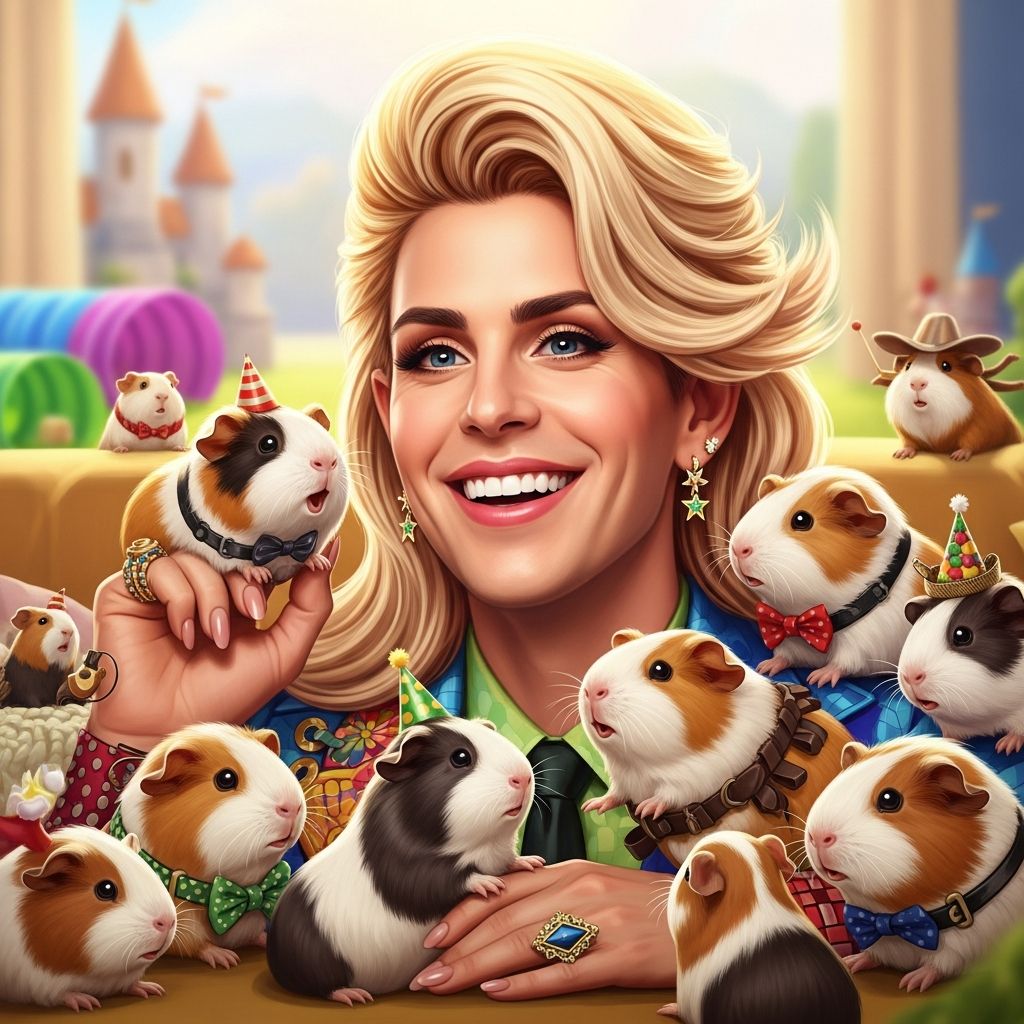
Jonathan Van Ness, beloved for their vibrant energy on Netflix’s Queer Eye, has stepped into the world of children’s literature with a fresh and empowering tale. Their debut picture book, Peanut Goes for the Gold, centers on a spirited nonbinary guinea pig named Peanut who chases dreams in rhythmic gymnastics. This story isn’t just about flips and ribbons; it’s a vibrant celebration of living authentically, no matter how the world tries to box you in.
The Rise of Inclusive Stories in Kids’ Books
Children’s literature has long been a mirror for young minds, reflecting societal values and identities. In recent years, there’s been a noticeable shift toward stories that embrace gender diversity. Books featuring nonbinary characters help children see themselves in pages, fostering empathy and self-love from an early age. Van Ness’s entry into this space brings their signature sparkle, blending humor, heart, and a powerful message of perseverance.
Why does this matter? Research from child development experts highlights how representation reduces feelings of isolation among gender-nonconforming youth. When kids encounter characters who defy traditional gender norms—like Peanut, who uses they/them pronouns—they learn that uniqueness is a strength, not a hurdle. Van Ness, drawing from personal experiences as a nonbinary individual, infuses the narrative with genuine joy, making it accessible for all families.
Meet Peanut: A Gymnastics Prodigy with Flair
At the heart of the book is Peanut, a fluffy guinea pig with big dreams and boundless energy. Peanut discovers a passion for rhythmic gymnastics, twirling ribbons, balancing balls, and leaping hoops with grace. But challenges arise: skeptical coaches question Peanut’s place in a sport often seen as ‘feminine,’ and competitors underestimate the little athlete. Through wit and determination, Peanut proves that talent knows no gender.
The illustrations burst with color, capturing Peanut’s expressive face during triumphs and tumbles. Van Ness’s writing shines in its playful language—rhymes that roll off the tongue and dialogues full of sass. Imagine Peanut squeaking, ‘I’m not a boy or a girl; I’m just me, ready to twirl!’ This direct affirmation normalizes nonbinary identity without heavy-handed lessons, letting the fun lead the way.
Jonathan Van Ness: From TV Icon to Children’s Author
Van Ness first captivated audiences as the grooming expert on Queer Eye, transforming lives with kindness, humor, and unapologetic queerness. Now, they’re channeling that charisma into storytelling for the youngest readers. In interviews, Van Ness shares how creating Peanut Goes for the Gold was a dream project, inspired by a desire to give nonbinary kids heroes who look like them—fuzzy, fabulous, and fierce.
This isn’t Van Ness’s first foray into advocacy. They’ve long championed LGBTQ+ visibility, using their platform to discuss gender fluidity. The book extends this mission to picture books, a medium ripe for change. Parents and educators praise how it sparks conversations about identity in a gentle, entertaining format.
Why Rhythmic Gymnastics? A Perfect Backdrop
Rhythmic gymnastics, with its flowing ribbons, hoops, and balls, demands creativity and precision—qualities Peanut embodies. This Olympic sport, often spotlighted for its artistry, provides a dynamic stage for Peanut’s journey. Van Ness chose it deliberately, highlighting how nonbinary kids can excel in spaces traditionally gendered, challenging stereotypes head-on.
- Key Elements of Peanut’s Routine: Twirling ribbons to express emotions, leaping through hoops symbolizing breakthroughs, and balancing balls for steady self-assurance.
- Lessons Learned: Practice builds confidence; doubters don’t define you.
- Fun Facts: Guinea pigs as protagonists add whimsy, making abstract concepts relatable.
By weaving in real gymnastics techniques, the book subtly educates on discipline while keeping the tone light-hearted.
Impact on Families and Young Readers
Early readers and parents report transformative effects. One review notes a nonbinary child lighting up at seeing ‘they/them’ in print, feeling validated for the first time. For cisgender kids, it builds allyship, teaching respect for diverse identities. Educators incorporate it into diversity curricula, pairing it with discussions on perseverance.
Van Ness emphasizes accessibility: the book’s simple text suits ages 4-8, with visuals engaging even toddlers. It’s a tool for parents navigating their child’s gender exploration, offering scripts for tough talks.
| Aspect | Traditional Books | Peanut Goes for the Gold |
|---|---|---|
| Gender Portrayal | Binary roles dominant | Nonbinary lead with they/them pronouns |
| Message | Often conformity-focused | Authenticity and resilience |
| Fun Factor | Standard adventures | Gymnastics with humor and heart |
| Appeal | Limited diversity | Inclusive for all families |
Broader Trends in Gender-Diverse Children’s Literature
Van Ness joins a wave of authors pushing boundaries. Titles like Julian is a Mermaid and Red: A Crayon’s Story paved the way, using metaphor for gender exploration. Stats show a 400% increase in LGBTQ+ kids’ books since 2015, per publishing reports. Yet gaps remain—nonbinary stories are still underrepresented.
Challenges persist: some markets resist inclusive content, citing ‘parental concerns.’ Van Ness counters this with joy-focused narratives, proving empowerment sells. Sales of Peanut Goes for the Gold reflect demand, hitting bestseller lists quickly.
Practical Tips for Parents Reading with Kids
- Read aloud with enthusiasm to match Van Ness’s energy.
- Pause for questions: ‘How does Peanut feel here?’
- Discuss parallels: ‘What makes you uniquely you?’
- Follow up with activities like ribbon twirling crafts.
- Explore similar books for ongoing conversations.
These steps turn reading into interactive learning, deepening bonds and understanding.
Frequently Asked Questions
What age group is Peanut Goes for the Gold best for?
Ideal for ages 4-8, with engaging illustrations for younger listeners and themes resonating with school-age kids.
Does the book explain nonbinary identity explicitly?
It introduces it naturally through Peanut’s self-description, keeping explanations age-appropriate and story-driven.
Where can families buy the book?
Available at major retailers like Amazon, Barnes & Noble, and independent bookstores; check Goodreads for reviews.
Is rhythmic gymnastics accurately portrayed?
Yes, Van Ness consulted experts to authentically depict routines while adding whimsical guinea pig twists.
How has the book been received?
Overwhelmingly positive, praised for its joy, representation, and fun by parents, kids, and critics.
Looking Ahead: More Stories from JVN?
Van Ness hints at sequels, perhaps Peanut’s next adventure. Their entry signals a brighter future for diverse lit, encouraging other creators. For now, Peanut Goes for the Gold stands as a gem, reminding us all: be bold, be you, and go for the gold.
References
- Peanut Goes for the Gold by Jonathan Van Ness — Goodreads. 2020-01-28. https://www.goodreads.com/book/show/50362917-peanut-goes-for-the-gold
- Queer Eye for the Non-Binary Guinea Pig — RVA Mag. 2020-04-01. https://rvamag.com/queer-rva/queer-eye-for-the-non-binary-guinea-pig.html
- Queer Eye’s Jonathan Van Ness Publishes Picture Book with a Joyful Nonbinary Star — Mombian. 2020-04-13. https://mombian.com/2020/04/13/queer-eyes-jonathan-van-ness-publishes-picture-book-with-a-joyful-nonbinary-star/
- JVN wrote a children’s book—and it features a non-binary guinea pig — Mother.ly. 2020-04-01. https://www.mother.ly/life/jonathan-van-ness-new-childrens-book-celebrates-nonbinary-kids/