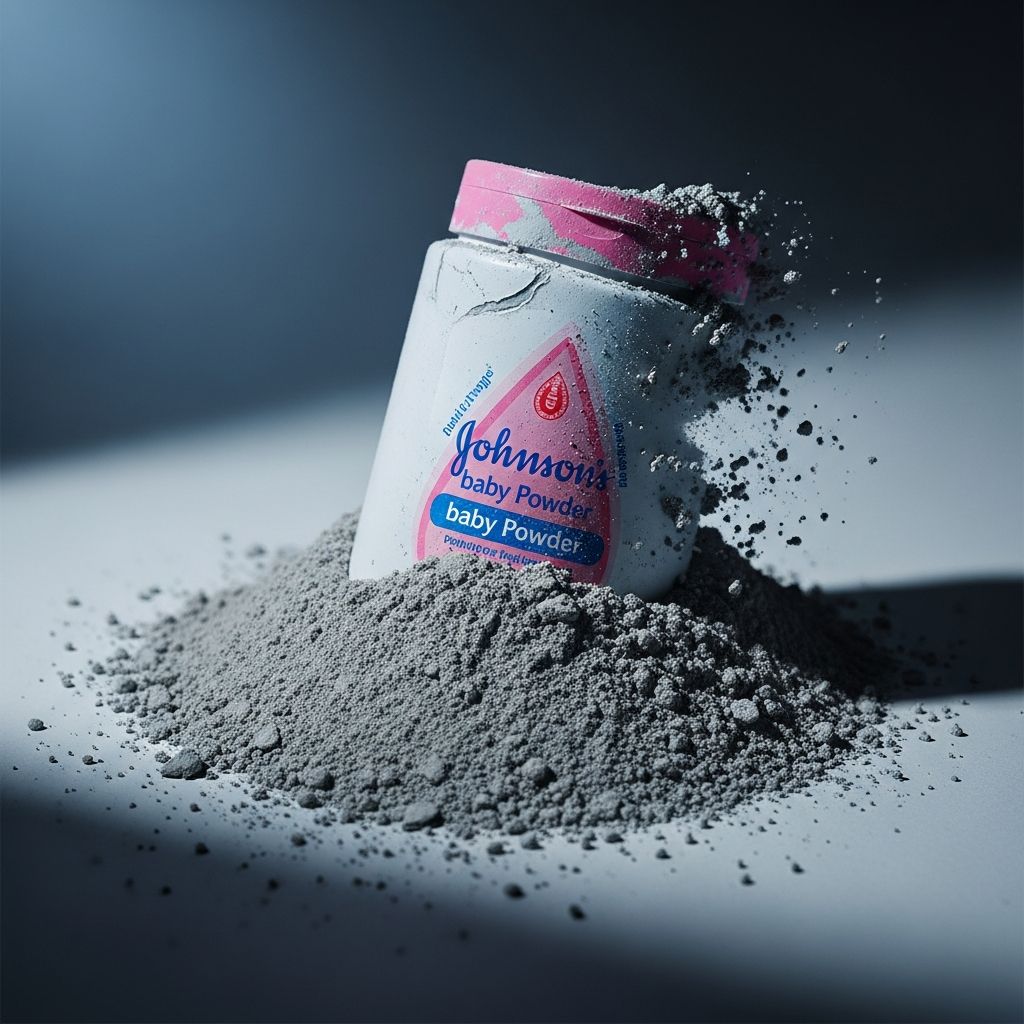
For generations, Johnson’s Baby Powder has been a go-to product in nurseries around the world, symbolizing gentle care for delicate infant skin. However, the talc-based version of this iconic product has faced mounting scrutiny, leading to its discontinuation first in North America and eventually globally. This shift reflects evolving consumer preferences, intense legal pressures, and ongoing debates about product safety.
The Historical Role of Baby Powder in Parenting Routines
Baby powder emerged in the late 19th century as a simple solution for keeping infants dry and comfortable, particularly in humid climates or during diaper changes. Johnson & Johnson introduced its talc-based formula in the 1890s, quickly establishing it as a household essential. Parents relied on it to absorb moisture, reduce friction, and soothe minor irritations like diaper rash.
Over decades, the product became synonymous with the Johnson & Johnson brand, marketed through heartwarming campaigns emphasizing purity and trust. By the mid-20th century, it was a staple in medicine cabinets globally, with annual sales reflecting its widespread appeal. Yet, as scientific understanding advanced, questions arose about the long-term implications of regular exposure to talc, a naturally occurring mineral composed of magnesium silicate.
Talc’s fine, absorbent particles made it ideal for baby care, but its mining process raised concerns. Unlike cornstarch, which is plant-derived and biodegradable, talc is extracted from deposits that can sometimes contain trace impurities. This distinction set the stage for future controversies, prompting parents to reconsider traditional routines.
Why Talc-Based Powder Faced Declining Popularity
The downturn in talc-based baby powder sales began well before official announcements. In North America, consumer habits shifted toward fragrance-free, hypoallergenic alternatives amid growing awareness of potential respiratory risks from inhaling fine powders. Pediatric guidelines increasingly cautioned against airborne particles near infants’ faces, favoring lotions and creams instead.
Johnson & Johnson noted that talc-based Johnson’s Baby Powder accounted for just 0.5% of its U.S. consumer health revenue by 2020, signaling a commercial irrelevance. Globally, preferences varied: in regions like Asia and Latin America, talc remained popular due to cultural norms and climate needs, but even there, cornstarch versions gained traction.
- Key Factors in Decline:
- Changing parental preferences for natural ingredients.
- Increased promotion of powder-free diapering methods.
- Rise of organic and plant-based baby products.
- Heightened scrutiny from health organizations on inhalation hazards.
Safety Concerns: Asbestos Allegations and Scientific Debate
At the heart of the controversy lies talc’s potential contamination with asbestos, a known carcinogen linked to lung diseases like mesothelioma and ovarian cancer. Critics argued that J&J’s talc mines harbored asbestos fibers, which could adhere to powder particles and enter the body via inhalation or genital application.
Scientific studies on talc safety are mixed. Some research, including peer-reviewed analyses, found no causal link between cosmetic talc and cancer, supporting J&J’s longstanding defense. However, other investigations detected asbestos in vintage samples, fueling public distrust. The International Agency for Research on Cancer (IARC) classifies perineal talc use as possibly carcinogenic, though not conclusively for ovarian cancer.
J&J maintained that its product underwent rigorous testing, with decades of global studies affirming safety. Despite this, high-profile lawsuits eroded consumer confidence, amplified by aggressive advertising from law firms.
| Perspective | Supporting Evidence | Counterarguments |
|---|---|---|
| J&J’s Stance | Independent studies confirm no asbestos or cancer risk. | Lawsuits cite contamination in historical samples. |
| Plaintiff Claims | Asbestos detected by labs; links to mesothelioma/ovarian cancer. | Many verdicts overturned on appeal. |
| Regulatory View | IARC: Possible carcinogen for genital use. | No U.S. FDA ban on cosmetic talc. |
Legal Battles: Thousands of Lawsuits Reshape Company Strategy
By 2020, J&J faced over 50,000 lawsuits alleging talc caused cancers, resulting in multi-billion-dollar verdicts, some later overturned. Plaintiffs, often women with ovarian cancer or families of mesothelioma victims, claimed long-term use led to deadly illnesses. J&J settled thousands of cases while defending others vigorously in court.
The legal onslaught coincided with the COVID-19 pandemic, prompting a portfolio review. In March 2020, J&J halted shipments of hundreds of products, including talc powder, to streamline operations. This ‘commercial decision’ permanently ended talc-based sales in the U.S. and Canada, with existing stock sold off gradually.
Shareholders later pushed for a global halt, but executives overruled, extending sales abroad until 2023. Critics decried this as discriminatory, selling a ‘risky’ product in developing markets while phasing it out in wealthier ones.
Timeline of Key Milestones in the Phase-Out
- 1890s: J&J launches talc-based Baby Powder.
- 1980: Cornstarch version introduced as alternative.
- 2010s: Lawsuits surge, alleging asbestos contamination.
- May 2020: U.S./Canada discontinuation announced.
- 2022: Global phase-out pledged despite shareholder opposition.
- 2023: Worldwide sales of talc version end; cornstarch takes over.
Transition to Cornstarch: A Safer Alternative?
J&J pivoted to cornstarch-based powder, available since 1980 and preferred by 75% of U.S. users. Derived from corn, it absorbs moisture effectively without mining risks, though it can clump in humid conditions and potentially feed yeast infections if not used properly.
Availability varies globally: In India (2024), cornstarch stock filled shelves at a premium price, while talc lingered as old inventory. Brazil saw temporary shortages of the alternative, raising supply chain questions. J&J committed to the Baby brand’s future, investing in lotions, oils, and washes.
- Pros of Cornstarch: Plant-based, lower contamination risk, biodegradable.
- Cons: May promote bacterial growth if wet; less silky feel.
Global Disparities: Double Standards in Product Availability
The staggered rollout highlighted inequities. North America ditched talc promptly, but emerging markets continued sales amid protests. In the UK, parliamentarians condemned J&J for withdrawing from affluent regions while exporting elsewhere.
By 2024, audits confirmed talc’s decline: scarce in Brazil, phased out in India. This progression addressed ethical concerns but left questions about corporate accountability.
What This Means for Modern Parents
Today’s caregivers have abundant options: breathable diapers reduce powder needs, while barrier creams prevent rashes effectively. Experts from the American Academy of Pediatrics advise against powders due to choking risks from inhalation.
For those preferring powder, cornstarch or arrowroot varieties from natural brands offer reassurance. The saga underscores the importance of transparency in baby products, empowering parents to make informed choices.
Frequently Asked Questions (FAQs)
Is Johnson’s Baby Powder still safe for babies?
Cornstarch versions remain available and are considered safe by J&J, with no asbestos risks. Avoid all powders if inhalation is a concern; consult pediatricians.
Why did J&J discontinue talc powder worldwide?
Declining sales, litigation, and consumer shifts prompted the 2023 global end to talc-based products, transitioning fully to cornstarch.
Can talc cause cancer?
Studies are inconclusive; IARC notes possible links to ovarian cancer from genital use, but J&J cites evidence of safety. Legal outcomes vary.
What should parents use instead of baby powder?
Opt for cornstarch powder, diaper creams with zinc oxide, or powder-free methods like frequent changes and breathable diapers.
Is cornstarch baby powder better than talc?
It eliminates asbestos worries and is plant-derived, though it requires dry application to prevent clumping or infections.
Lessons from the Baby Powder Controversy
The Johnson’s saga illustrates how science, law, and consumer power intersect to drive change. It prompts brands to prioritize safety innovations and regulators to enforce uniform standards. For parents, it’s a reminder to question traditions and seek evidence-based care.
(Word count: 1678)
References
- Johnson & Johnson Consumer Health announces discontinuation of talc-based Johnson’s Baby Powder in U.S. and Canada — Johnson & Johnson. 2020-05-19. https://www.jnj.com/our-company/johnson-johnson-consumer-health-announces-discontinuation-of-talc-based-johnsons-baby-powder-in-u-s-and-canada
- Johnson & Johnson Ending Sale of Talcum Powder Products in U.S. and Canada — TIME. 2020-05-19. https://time.com/5839391/johnson-johnson-ends-talcum-baby-powder/
- Johnson & Johnson Ends Worldwide Sale of Talc-Based Baby Powder — Asbestos.com. 2022-08-15. https://www.asbestos.com/news/2022/08/15/johnson-johnson-talc-worldwide-sales/
- Auditing J&J’s Phase-Out of Toxic Baby Powder — International Ban Asbestos Secretariat. 2024-02-06. https://www.ibasecretariat.org/lka-auditing-johnson-and-johnsons-phase-out-of-toxic-baby-powder.php