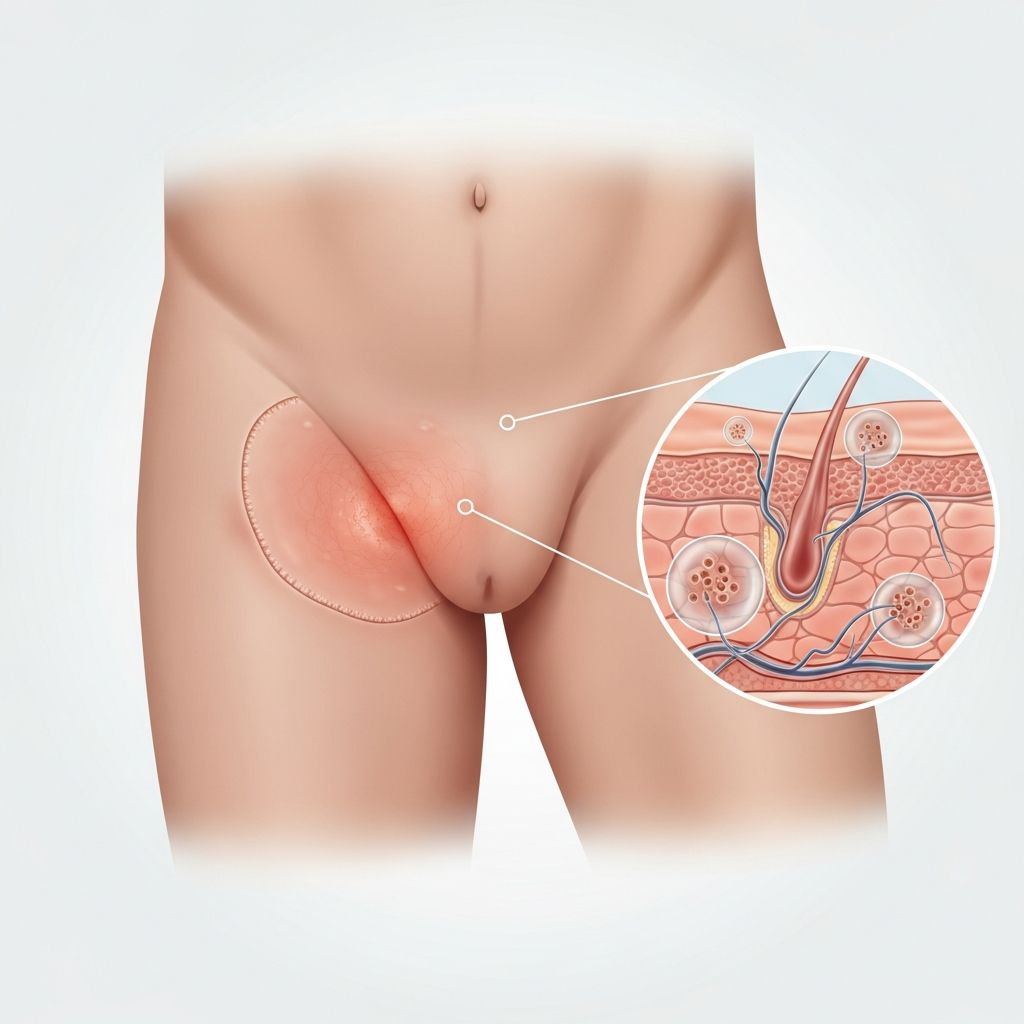
Jock itch can be uncomfortable, embarrassing, and seriously annoying. The good news is that it is very common, usually not dangerous, and almost always treatable with simple steps and medicine you can get at a pharmacy.
This guide explains what jock itch is, how to recognize it, what treatments work, when to see a doctor, and how to stop it from coming back.
What Exactly Is Jock Itch?
Jock itch is the everyday name for a fungal skin infection called tinea cruris. It affects the skin in warm, moist folds around the:
- Groin
- Upper inner thighs
- Sometimes the buttock crease
The fungi that cause jock itch are called dermatophytes, a group of organisms that also cause athlete’s foot and ringworm on other parts of the body. They grow best where it is warm, damp, and often covered by tight clothing or sports gear.
Who Gets Jock Itch?
Anyone can get jock itch, including teens of all genders. It is especially common in people who:
- Play sports or work out often and sweat a lot
- Wear tight underwear, leggings, or sports uniforms for long periods
- Have athlete’s foot or other fungal infections on their feet
- Share towels, clothing, or sports equipment with others
- Are overweight, which can create deeper skin folds that stay moist
- Have weaker immune systems (for example, from certain medical conditions or medicines)
How Jock Itch Starts and Spreads
Jock itch happens when fungus gets on the skin and finds the right conditions to grow. Common ways this can happen include:
- Spread from feet: Rubbing your groin with a towel used on your feet or pulling underwear on over bare feet with athlete’s foot can move fungus from feet to groin.
- Direct skin contact: Close contact sports, shared mats, or skin-to-skin contact with someone who has a fungal infection can spread it.
- Shared items: Using another person’s towel, gym shorts, or equipment that has fungus on it can pass the infection.
- Sweaty, tight clothing: Trapped sweat and friction create irritation and moisture that help fungus grow.
Common Symptoms of Jock Itch
Jock itch usually shows up as a very itchy rash, but the exact look and feel can vary. Typical signs include:
- Itching or burning in the groin or inner thighs
- Red, pink, or brown rash with a noticeable edge or border
- Flaky, scaly, or slightly raised skin around the edges of the rash
- Rash that forms a half-circle or ring-like pattern
- Worsening with sweating, heat, or friction from clothing
The skin in the center of the rash may look more normal while the edges look more inflamed. Scratching can make the skin sore or cracked, and in some cases a bacterial infection can develop in the damaged skin.
Areas Usually Affected
| Area | What You Might Notice |
|---|---|
| Groin folds | Red and itchy, often starting in skin folds where thighs meet the body |
| Inner thighs | Rash may spread downward along the upper legs |
| Buttock crease | Some people notice itching or rash in the crack between the buttocks |
Is It Really Jock Itch?
Not every itchy groin rash is jock itch. Other conditions like eczema, psoriasis, allergic reactions, or yeast infections can look similar. A healthcare professional can usually tell the difference by examining the skin. Sometimes they may scrape a tiny sample of scale and look at it under a microscope or send it to a lab to confirm a fungal infection.
If your rash is very painful, has pus, blisters, or fever, or is not getting better with antifungal treatment, it is important to see a doctor to rule out other causes or additional infections.
How Jock Itch Is Treated
Most mild to moderate cases of jock itch can be treated at home with over-the-counter antifungal products and good hygiene habits. More severe or stubborn infections may need prescription medicine.
Self-Care and Home Treatment
These basic steps are essential for getting rid of jock itch and helping medicine work well:
- Keep the area clean: Gently wash the groin and inner thighs daily with mild soap and water, then rinse well.
- Dry thoroughly: Pat (don’t rub) the skin dry with a clean towel. You can use a hair dryer on a cool or low-heat setting to remove moisture from skin folds.
- Change clothes daily: Put on clean, dry underwear and shorts every day, and change out of sweaty clothes as soon as possible after sports or gym class.
- Avoid tight clothing: Choose loose, breathable cotton underwear and shorts to reduce friction and moisture.
- Do not scratch: Scratching can damage the skin, spread the fungus, and allow bacteria to get in.
Over-the-Counter Antifungal Medications
Antifungal medicines kill or stop the growth of the fungus causing jock itch. Many are available without a prescription as creams, sprays, ointments, gels, or powders. Common active ingredients include:
- Clotrimazole
- Miconazole
- Terbinafine
- Tolnaftate
- Ketoconazole (sometimes available in creams or shampoos)
How to use them effectively:
- Apply a thin layer of medicine to the rash and about 2 cm (a finger-width) beyond the edge of the affected skin.
- Use as directed on the package, often once or twice a day.
- Keep using the medicine for the full recommended time, usually 1–2 weeks after the rash looks better, so the fungus is fully cleared.
Prescription Treatments
Sometimes jock itch is more stubborn or severe. A doctor may prescribe:
- Stronger antifungal creams or ointments, such as those containing econazole or ciclopirox
- Oral antifungal pills like fluconazole, itraconazole, or terbinafine for more resistant infections
- Antibiotics if a bacterial infection has developed from scratching or broken skin
If treatment is not working, your provider may also recheck the diagnosis or test for other skin conditions.
How Long Does Jock Itch Last?
With proper care and treatment, many cases improve noticeably within a few days and clear in about 2 to 4 weeks. However, infections can come back if:
- You stop treatment too soon
- You keep wearing tight, sweaty clothing for long periods
- You do not treat athlete’s foot or other fungal infections at the same time
Preventing Jock Itch
Once you have had jock itch, you will probably want to avoid ever getting it again. These habits can help:
Smart Clothing Choices
- Pick cotton or moisture-wicking underwear instead of heavy, synthetic fabrics.
- Avoid very tight underwear, compression shorts, or leggings for long everyday wear.
- Change out of wet swimsuits and sweaty workout clothes as soon as you can.
Good Hygiene Habits
- Shower after sports, gym class, or heavy sweating.
- Always dry your groin first and your feet last to avoid spreading fungus from your feet to your groin.
- Use a clean towel each time and avoid sharing towels, washcloths, or underwear.
- Wash supportive gear like athletic supporters or compression shorts frequently.
Preventing Recurrence
- If you tend to get repeated infections, consider using an antifungal powder or spray in the groin after bathing, especially in hot, humid weather.
- Treat athlete’s foot promptly so the fungus does not spread to the groin.
- Work toward a healthy weight if you have deep skin folds that tend to stay moist, with guidance from a healthcare professional.
Living With Jock Itch: Comfort and Confidence
Beyond the physical discomfort, jock itch can feel embarrassing. Remember:
- It is a very common infection, especially in active teens.
- It has nothing to do with being “dirty” if you are showering regularly; fungus simply likes sweat and warmth.
- Telling a parent, trusted adult, or healthcare provider early can help you feel better faster and avoid complications.
Frequently Asked Questions (FAQs)
Can jock itch go away without treatment?
Most of the time, jock itch does not fully clear on its own. Keeping the area very clean and dry may help mild cases improve, but in many people the infection lingers or returns unless an antifungal medicine is used.
Is jock itch a sexually transmitted infection (STI)?
No. Jock itch is caused by fungi that like warm, moist skin, not by the bacteria or viruses that usually cause STIs. However, close skin contact (including sexual contact) can spread the fungus, so it is still important to treat it and avoid sharing towels or clothing.
Can girls or women get jock itch?
Yes. Even though the name sounds male, people of any gender can get jock itch if fungus grows in the groin folds. The rash and treatment are similar.
What is the fastest way to feel better?
Start using an over-the-counter antifungal product as soon as you notice symptoms, and keep the area very dry and cool. Wear loose clothing, change out of sweaty clothes quickly, and avoid scratching. If you are not improving within about two weeks, see a healthcare professional.
Q: When should a teen see a doctor about jock itch?
A: Get medical help if the rash lasts longer than two weeks despite using antifungal medicine, keeps coming back, covers a large area, is very painful, has pus or open sores, or if you have fever or feel sick. Also see a provider if you have diabetes, a weakened immune system, or are unsure what kind of rash you have.
References
- Jock itch: MedlinePlus Medical Encyclopedia — MedlinePlus (U.S. National Library of Medicine). 2024-03-26. https://medlineplus.gov/ency/article/000876.htm
- Jock Itch: Causes, Treatment, Prevention — WebMD. 2023-06-21. https://www.webmd.com/men/causes-and-prevent-jock-itch
- Jock Itch: What It Is, Symptoms & Treatment — Cleveland Clinic. 2023-08-22. https://my.clevelandclinic.org/health/diseases/22141-jock-itch-tinea-cruris
- Jock itch – Symptoms and causes — Mayo Clinic. 2023-10-06. https://www.mayoclinic.org/diseases-conditions/jock-itch/symptoms-causes/syc-20353807
- Tinea Cruris (Jock Itch) — Merck Manual Professional Edition. 2024-01-15. https://www.merckmanuals.com/professional/dermatologic-disorders/fungal-skin-infections/tinea-cruris-jock-itch
- Vanquishing jock itch requires a two-phase approach — UCLA Health. 2022-02-15. https://www.uclahealth.org/news/article/vanquishing-jock-itch-requires-two-pronged-approach
- Can Women Get Jock Itch? Symptoms, Causes, Treatment and Prevention — Advanced Gynecology. 2021-05-10. https://www.advancedgynecology.com/blog/can-women-get-jock-itch-symptoms-causes-treatment-prevention