Jock itch is a very common, uncomfortable rash that affects the skin of the groin, inner thighs, and sometimes the buttocks. Although the name makes it sound like a problem only for athletes, anyone who sweats or wears tight clothing can get it, including kids and teenagers.
This guide explains what jock itch is, how to recognize it, when to call your child’s doctor, and what you can do at home to help your child feel better and prevent the rash from coming back.
What Exactly Is Jock Itch?
Jock itch is the everyday name for a fungal skin infection called tinea cruris. It is caused by fungi known as dermatophytes that grow on the outer layers of the skin and thrive in warm, moist, and sweaty areas.
- Medical name: Tinea cruris
- Type of infection: Fungal (not bacterial, not viral)
- Typical location: Groin folds, inner thighs, and skin around the buttocks
- Common in: Teens, athletes, people who sweat a lot, people who are overweight, and anyone wearing tight clothing for long periods
These fungi are the same general group that cause athlete’s foot (tinea pedis) and ringworm on other parts of the body.
Why Do Kids and Teens Get Jock Itch?
The fungi that cause jock itch love environments that are:
- Warm
- Moist
- Covered by tight or non-breathable clothing
That makes the groin area a perfect setting, especially when a child or teen:
- Plays sports and stays in sweaty clothes for a long time
- Wears tight underwear or compression shorts for hours
- Has damp skin after a shower and dresses before fully drying off
- Shares towels or clothing with others who have a fungal infection
- Has athlete’s foot and transfers fungus from the feet to the groin via hands, towels, or clothing
Who Is Most at Risk?
Any child or teenager can develop jock itch, but the following groups are more likely to have it:
- Teen boys and young men (they sweat more around puberty and often wear athletic gear for long periods)
- Athletes in sports like soccer, basketball, wrestling, and running
- Kids with athlete’s foot, ringworm, or other fungal infections on the body
- Children and teens who are overweight and have deeper skin folds that stay moist
- Anyone in hot, humid climates or during warm seasons
- People with weakened immune systems (for example, certain chronic illnesses or medications)
Signs and Symptoms Parents Should Watch For
Jock itch usually starts slowly but can become very bothersome if not treated. Common symptoms include:
- Itching or burning in the groin, inner thighs, or buttock crease
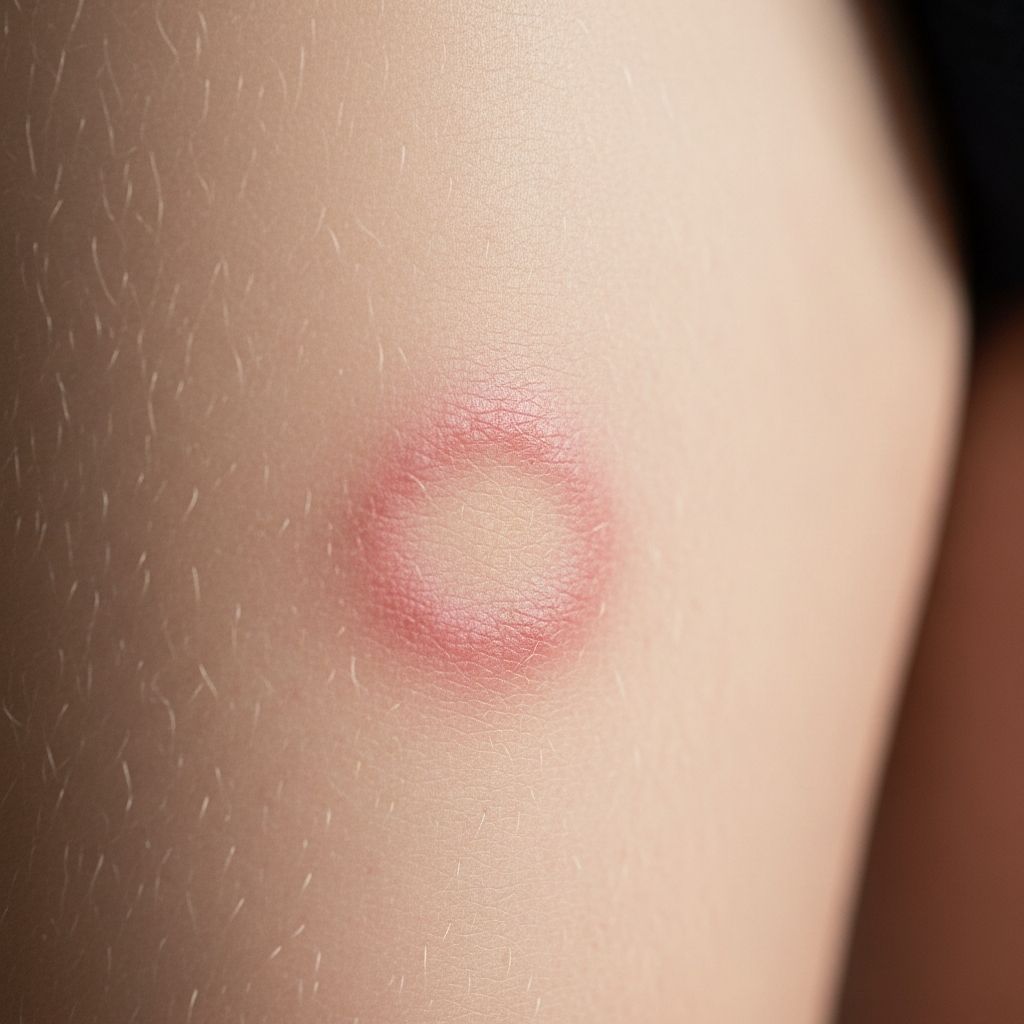
- Red or reddish-brown rash with a clearly defined edge
- Scaly, flaky, or peeling skin around the rash
- Rash in the shape of a curve or partial ring, often with a more normal-looking center
- Dry or cracked skin at the borders
- Worsening discomfort when sweating, exercising, or wearing tight clothes
In some kids, the rash may also sting, especially if the skin is raw or chafed. Scratching can make the skin break open, which raises the risk of a bacterial infection on top of the fungus.
How Jock Itch Differs From Other Rashes
Several skin problems can look similar. Here are a few key differences:
| Condition | Typical Look | Key Clues |
|---|---|---|
| Jock itch (tinea cruris) | Red, scaly rash with a raised, distinct border on inner thighs/groin | Very itchy, often spares genitals themselves, may spread from athlete’s foot |
| Heat rash | Tiny red bumps or blisters | Appears where sweat ducts are blocked; often fades quickly when cooled |
| Contact dermatitis | Red, sometimes blistering rash | Triggered by soaps, detergents, or fabrics; usually matches area of contact |
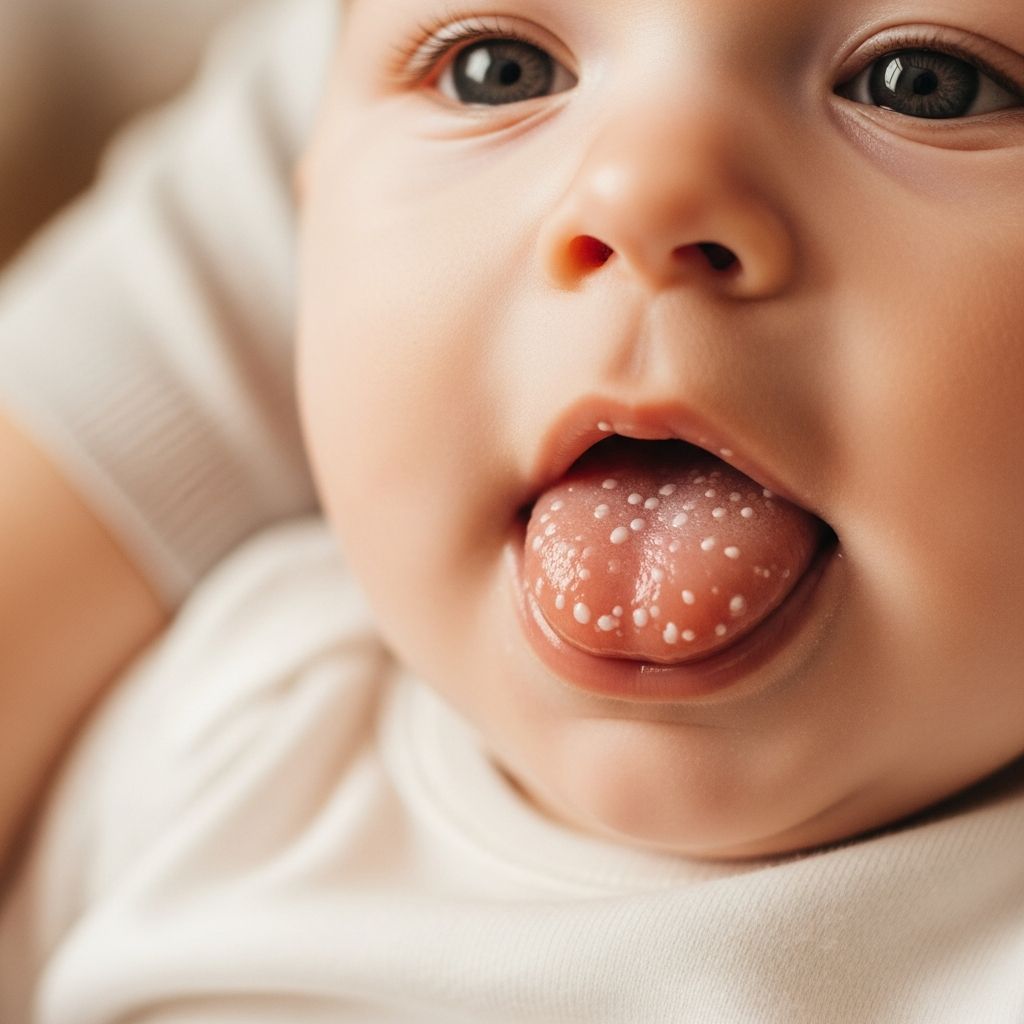
| Yeast rash | Bright red with small “satellite” spots | Common in babies with diaper rash; may involve more of the groin and genital area |
Because these rashes can overlap in appearance, it is always reasonable to ask your child’s healthcare provider for a diagnosis, especially if it’s the first time you are seeing this kind of rash.
Is Jock Itch Contagious?
Yes, jock itch can spread from person to person or from one body part to another.
It can spread:
- Through shared towels, washcloths, or clothing
- By direct skin-to-skin contact with an infected area
- From a child’s feet to their groin if they have athlete’s foot and use the same towel or hands without washing
The fungi also linger in places like locker rooms, public showers, and gym floors, which is why wearing sandals in these areas is important.
How Doctors Diagnose Jock Itch
Most of the time, a doctor or other healthcare provider can diagnose jock itch just by looking at your child’s skin and asking questions.
In some cases, they may:
- Use a skin scraping and look at it under a microscope with a potassium hydroxide (KOH) test to confirm a fungal infection
- Send a small sample to a lab if the rash is severe, keeps coming back, or does not improve with regular treatment
Treatment: How Jock Itch Is Usually Managed
Jock itch almost always responds well to treatment. The two main goals are to:
- Kill the fungus with antifungal medicines
- Keep the area clean and dry so the fungus cannot keep growing
1. Antifungal Medications
Most children and teens can be treated with over-the-counter (OTC) antifungal products, which come as creams, sprays, gels, or powders. Common active ingredients include:
- Clotrimazole
- Miconazole
- Terbinafine
- Tolnaftate
These are usually applied to the rash and a small area of normal skin around it once or twice a day for about 1–2 weeks, or as directed on the package or by your child’s doctor.
If the rash is severe, persists, or keeps returning, a healthcare provider may prescribe:
- Stronger topical antifungals, such as other prescription creams or ointments
- Oral antifungal pills like fluconazole, itraconazole, or terbinafine in older children or teens when appropriate
Always follow your provider’s instructions and make sure the full course of medicine is completed, even if the rash looks better early. Stopping too soon can allow the fungus to survive and cause the rash to come back.
2. Comfort and Skin-Care Measures
Along with antifungal treatment, simple daily steps make a big difference:
- Wash the area gently once or twice a day with mild soap and water, then pat dry
- Dry thoroughly, especially in skin folds; in very humid climates, some people use a cool hair dryer on low setting to reduce moisture
- Wear loose, breathable underwear, such as cotton, and avoid tight elastic bands that rub
- Change clothes and underwear every day and after sports or heavy sweating
- Avoid scratching to reduce the risk of skin breaks and secondary bacterial infections
Your child’s provider may also recommend a zinc oxide–based barrier cream over the treated skin in certain cases to decrease irritation and protect against moisture.
When Jock Itch Needs Extra Medical Attention
Contact your child’s doctor if:
- The rash has not started improving after about 1–2 weeks of proper antifungal treatment
- The rash is very painful, swollen, or has pus-filled bumps (possible bacterial infection)
- Your child has fever along with the rash
- The rash spreads rapidly beyond the groin area
- Your child has a weakened immune system or other chronic illness
Preventing Jock Itch: Everyday Habits That Help
Simple hygiene and clothing choices play a big role in preventing jock itch and in stopping it from coming back.
Daily Tips for Kids and Teens
- Shower after sports or any activity that leads to heavy sweating
- Dry off completely, especially the groin and between the toes
- Use separate towels for the feet and the rest of the body; if one towel is used, dry the groin before the feet
- Wear loose, breathable clothing and cotton underwear rather than tight synthetic fabrics
- Change underwear daily and more often if they get sweaty
- Do not share towels, sports gear, or personal clothing with teammates or siblings
- Wear flip-flops or sandals in locker rooms, public showers, and around pools
For kids or teens who get jock itch repeatedly, doctors may advise using a drying or antifungal powder in the groin area after bathing, even when the rash is gone.
How Long Does Jock Itch Last?
With proper treatment and good hygiene, most cases of jock itch in otherwise healthy people improve noticeably in about 1–2 weeks and may clear fully in about 2–4 weeks.
Without treatment, jock itch usually does not go away quickly on its own and can spread or become more uncomfortable over time.
Helping Your Child Cope
Jock itch can feel embarrassing for kids and teens, especially because it affects a private part of the body. You can support your child by:
- Explaining that many athletes and teens get this and it is not a sign of being dirty
- Encouraging them to tell you early when they notice itching or a rash
- Helping them apply medicine correctly and consistently
- Working together on prevention habits like changing out of sweaty clothes quickly
Frequently Asked Questions (FAQs)
Can girls get jock itch too?
Yes. Even though jock itch is more common in males, girls and women can also get fungal infections of the groin, especially in warm, moist conditions or with tight clothing.
Is jock itch a sexually transmitted infection (STI)?
No. Jock itch is a fungal skin infection, not an STI. It can spread through skin-to-skin contact or shared items like towels, but it is not classified as a sexually transmitted infection.
Can jock itch spread to other parts of the body?
Yes. The same fungi can infect the feet (athlete’s foot), body (ringworm), and sometimes the nails. Scratching or using the same towel or clothes on multiple areas can move the fungus from one area to another.
When can my child return to sports?
Most kids can keep playing as long as the rash is covered, treatment has started, and they follow hygiene steps like showering after practice and changing into clean clothes. Ask your provider for specific advice if the rash is severe.
Are home remedies enough to cure jock itch?
Keeping the area clean and dry is essential, but most cases need an antifungal medicine to fully clear the infection. Home measures alone usually are not enough.
References
- Jock itch: MedlinePlus Medical Encyclopedia — MedlinePlus (U.S. National Library of Medicine). 2023-03-28. https://medlineplus.gov/ency/article/000876.htm
- Jock Itch: What It Is, Symptoms & Treatment — Cleveland Clinic. 2023-11-09. https://my.clevelandclinic.org/health/diseases/22141-jock-itch-tinea-cruris
- Jock Itch: Causes, Treatment, Prevention — WebMD. 2022-09-15. https://www.webmd.com/men/causes-and-prevent-jock-itch
- Vanquishing jock itch requires a two-phase approach — UCLA Health. 2021-09-01. https://www.uclahealth.org/news/article/vanquishing-jock-itch-requires-two-pronged-approach
- Tinea Cruris (Jock Itch) — Merck Manuals Professional Edition. 2023-05-01. https://www.merckmanuals.com/professional/dermatologic-disorders/fungal-skin-infections/tinea-cruris-jock-itch
- Jock itch – Symptoms and causes — Mayo Clinic. 2023-06-01. https://www.mayoclinic.org/diseases-conditions/jock-itch/symptoms-causes/syc-20353807
- Jock Itch: Treatments and Symptoms — GoodRx Health. 2022-07-20. https://www.goodrx.com/conditions/fungal-infection/jock-itch-tinea-cruris-prevention