Reports describing how Jessica Biel’s sons see her as a bit “lame” or uncool, despite her fame and success, have struck a chord with many parents who experience the same thing in far less glamorous circumstances.
Her candid comments about her boys being unimpressed by her career, yet suddenly interested when they learn she knows major stars like John Cena, showcase how kids naturally build their own standards of what counts as “cool.”
This article explores the themes highlighted in that coverage—Biel’s honesty about her kids’ reactions, the contrast between Hollywood and home life, and the reassuring message that even a movie star is just “Mom” once she walks in the door.
Jessica Biel’s ‘Uncool Mom’ Confession
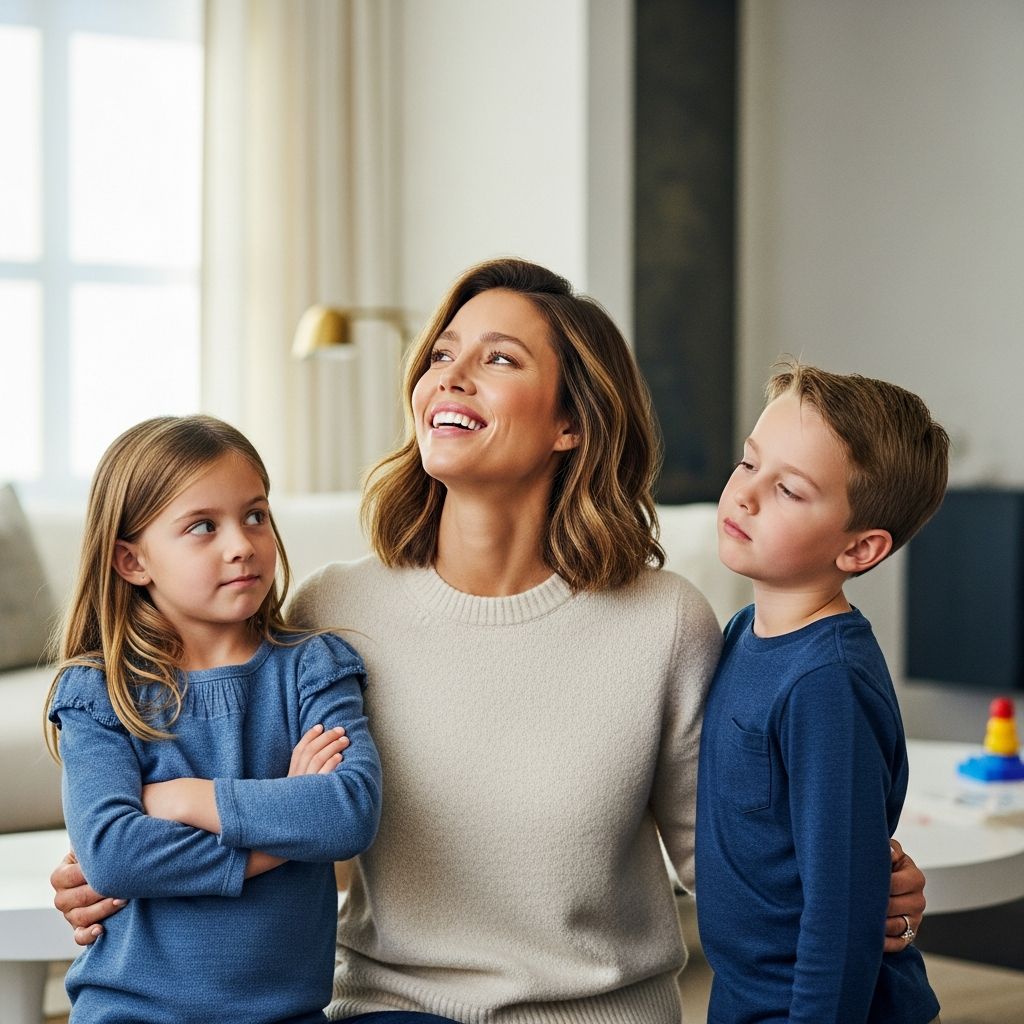
In interviews and coverage of her family life, Jessica Biel has shared that her two sons, Silas and Phineas, do not see her as a glamorous celebrity but instead as a parent who is frequently “lame” in their eyes.
These accounts note that while Biel is an accomplished actress and producer married to fellow star Justin Timberlake, her kids are often far more impressed by pop-culture figures like wrestlers and animated characters than by their own parents’ résumés.
- Her sons reportedly show minimal interest in her projects until they notice a connection to someone they already admire, such as John Cena.
- This reaction mirrors a familiar parenting experience where children value what feels immediate, fun, and peer-approved over adult achievements.
Who Are Jessica Biel’s Children?
Jessica Biel and Justin Timberlake share two sons: their older child, Silas, and younger son, Phineas, who are being raised mostly out of the spotlight, with only occasional, carefully chosen public mentions.
Media coverage emphasizes that the couple prioritizes privacy, but Biel has still given small, relatable glimpses into life with two growing boys, including how their interests, humor, and blunt honesty shape her role as a mom.
- Silas, the older child, is often cited in stories about Biel describing how quickly kids grow into their own personalities.
- Phineas, the younger son, adds to the chaos and fun of a home that is more about daily routines than red carpets.
Fame at Work, ‘Just Mom’ at Home
Coverage of Biel’s interviews underscores a consistent theme: no matter how big the premiere or project, she returns home to a world of snacks, homework, bedtime stories, and occasional eye-rolls.
This contrast highlights how celebrity parents often describe a double life—glamorous and curated in public, ordinary and raw in private—where children function as a powerful equalizer that keeps them grounded.
- Home life centers on routines like school schedules, meals, and playtime, not awards or box office numbers.
- Kids’ indifference to fame unintentionally reminds parents that family identity matters more than public identity.
Why Kids Don’t Care About Your Job
Child-development experts and parenting coverage commonly emphasize that younger kids judge “coolness” based on entertainment, fun, and relatability rather than professional status or financial success.
Reports about Biel’s experience fit this pattern: her sons react enthusiastically to wrestlers, cartoons, and kid-focused franchises, while seeing adult careers—including acting—as distant or abstract concepts.
- Children are more impressed by what they can see, touch, and share with peers, such as games, shows, or sports heroes.
- Abstract adult achievements like awards, titles, or production credits simply do not map onto a child’s social world.
The John Cena Effect
One highly publicized detail is that Biel’s kids became noticeably more engaged when they realized she knows John Cena, a crossover figure from wrestling to film and children’s entertainment.
This anecdote shows how a single, recognizable figure from their own media universe can instantly elevate a parent’s status from “lame” to “kind of cool,” at least temporarily.
| Factor | Why Kids Care |
|---|---|
| Wrestling persona | Colorful costumes, action, and clear heroes make wrestling easy for children to understand and enjoy. |
| Roles in family films | Appearances in kid-friendly movies and shows anchor Cena in their daily entertainment diet. |
| Memes and online clips | Short, funny clips shared among kids make him a familiar and quotable character. |
| Peer validation | Friends often recognize him, turning fandom into a shared social language. |
By contrast, Biel’s serious dramatic roles or behind-the-scenes production work are tailored to adult audiences, so they do little to change her “lame mom” label in her sons’ minds.
Every Parent Feels ‘Uncool’ Sometimes
The idea that even Jessica Biel cannot impress her own kids reassures many parents that feeling uncool is a universal phase, not a personal failure.
This phase is often strongest in middle childhood and early adolescence, when kids experiment with independence and may distance themselves from parents to feel more grown-up.
- Parents’ jokes, clothes, and music can suddenly seem embarrassing instead of comforting.
- Children may use sarcasm or disinterest as a way to test boundaries and define their own tastes.
How Celebrity Parents Use Humor
Coverage of Biel and other celebrity parents frequently notes that they often rely on humor and self-deprecation to handle their kids’ blunt feedback about being “lame.”
This approach models emotional resilience, showing children that adults can laugh at themselves while maintaining clear expectations and boundaries at home.
- Joking about being uncool can diffuse tension when kids roll their eyes at rules or reminders.
- Humor allows parents to validate kids’ feelings without surrendering important limits around screen time, chores, or safety.
Lessons for Everyday Parents
Although very few parents share Biel’s level of fame, the dynamics described in stories about her family echo challenges faced in ordinary households across the world.
From being ignored when talking about work to suddenly becoming interesting because of a single fun connection, many parents recognize these shifts as part of their children’s natural development.
- Kids often prioritize shared fun, not adult achievements.
- Being “uncool” does not prevent a parent from being trusted, loved, or deeply influential.
Staying Connected When You Feel ‘Lame’
Practical advice derived from parenting coverage suggests that building connection with children is less about impressing them and more about showing up consistently, listening, and engaging in what interests them.
Biel’s anecdotes about tuning into what her sons actually enjoy, such as specific shows, sports, or favorite personalities, reflect a broader strategy any parent can use to stay involved in a child’s world.
- Ask about their favorite characters, games, or creators and show genuine curiosity.
- Share occasional overlaps, such as knowing or liking a figure they admire, without trying to dominate the conversation.
Balancing Boundaries and Popularity
Being perceived as “uncool” often intensifies when parents enforce rules that conflict with what is trendy or fun among peers—screen limits, bedtimes, or content restrictions.
Celebrities like Biel, who discuss being firm about providing stability despite their public image, highlight that a parent’s job is not to compete with friends or entertainers but to create a safe, predictable environment.
- Rules may temporarily reduce a parent’s coolness but build long-term trust and security.
- Explaining the reasons for boundaries, in age-appropriate language, preserves respect even when kids disagree.
Coolness vs. Emotional Security
Parenting experts commonly stress that kids ultimately value emotional safety, consistency, and love more than a parent’s ability to impress their friends.
Coverage of Biel and other public figures who open up about the messy, unglamorous parts of parenting underscores that children rarely remember who seemed cool; they remember who listened, protected, and believed in them.
- Kids may forget specific moments of embarrassment, but they retain patterns of support or neglect.
- Parents can accept the short-term label of “lame” in exchange for long-term emotional closeness.
Media, Kids, and Shifting Heroes
The coverage of Biel’s sons loving figures like John Cena reflects the broader influence of media and entertainment giants on children’s developing sense of identity and admiration.
Heroes change quickly as new shows, games, and platforms emerge, which means that parents might feel constantly out of date, but this also gives them opportunities to let kids teach them about new trends.
- Inviting kids to explain why they like a certain character can open up rich conversations about values and feelings.
- Parents can gently guide children to notice qualities like kindness, perseverance, and teamwork in their heroes.
Turning ‘Uncool’ Into a Strength
Biel’s lighthearted response to her kids’ judgment shows how parents can reframe “uncool” as a sign of doing something right: prioritizing safety, authenticity, and responsibility over popularity.
When parents embrace their own quirks and limits, they model self-acceptance, teaching children that worth is not defined by trendiness or external validation.
- Owning dad jokes, mom jeans, or early bedtimes can communicate quiet confidence.
- Children learn to tolerate feeling uncool themselves when they see adults who are comfortable standing out.
Frequently Asked Questions
Do Jessica Biel’s kids really think she’s uncool?
Yes, according to entertainment coverage of her interviews, Biel has openly said that her sons often think she is “lame” despite her career, which she describes with humor and acceptance.
Why are her kids more impressed by John Cena than by her job?
Reports note that her sons react strongly to John Cena because he appears in kid-oriented media they already love, making him feel accessible and exciting in a way that adult careers do not.
Is it normal for kids to think their parents are lame?
Parenting experts commonly describe this as a normal developmental stage, especially in middle childhood and adolescence, when kids try to differentiate themselves and align more with peers.
What can parents do when they feel uncool?
Guidance from family professionals encourages parents to focus on connection, consistency, and empathy, engaging with children’s interests while maintaining clear boundaries around safety and behavior.
Does being uncool affect how much influence parents have?
Research summaries and expert commentary suggest that parents remain highly influential even when kids act dismissive, as long as adults continue to provide stable support, attention, and reliable limits.
Key Takeaways for Parents
- Even highly successful public figures like Jessica Biel experience their children seeing them as uncool, demonstrating how universal this parenting phase is.
- Kids tend to be captivated by figures in their own media world, such as John Cena, rather than by adult careers or achievements.
- Parents do not need to compete for coolness; showing up consistently, setting boundaries, and listening carefully matter far more in the long run.
- Leaning into humor and self-acceptance when kids call them “lame” can actually strengthen the parent-child relationship over time.