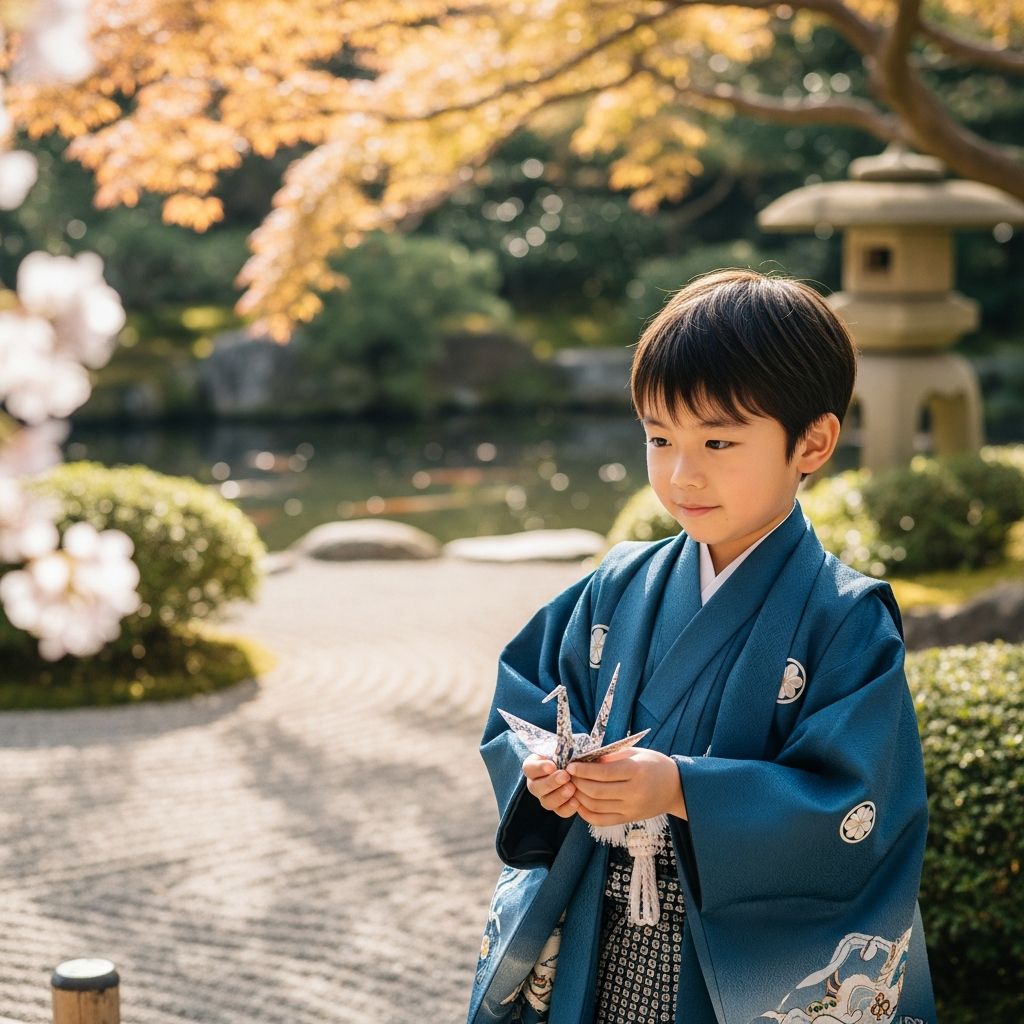
Choosing a Japanese boy name opens the door to a world where sound, symbolism, and aesthetics come together in a single word. Parents often love Japanese names because a short, gentle-sounding name can contain layers of meaning about character, nature, and hopes for the future. This guide offers an original, structured overview to help you navigate that world and discover names that truly resonate.
Why Japanese Boy Names Appeal Globally
Japanese boy names are increasingly popular beyond Japan because they tend to be short, melodic, and packed with symbolic meaning. Many names reference virtues such as courage, honesty, or kindness, while others draw on elements of the natural world like ocean, sky, or forest. For families from any culture, this combination of beauty and depth can be very appealing.
- Names are often built from Chinese characters (kanji), each adding a standalone meaning.
- Many names are two or three syllables, making them easy to pronounce in many languages.
- Parents can highlight values like wisdom, harmony, or strength directly in the name choice.
Understanding How Japanese Names Work
In Japanese, given names are usually written with one or more kanji characters, and each kanji adds a specific meaning. The same spoken name can be written with different kanji, changing its meaning while preserving the sound. This flexibility allows parents to think about both pronunciation and symbolism when choosing what to write on paper.
A typical boy name contains two kanji, though single-character names and longer combinations also exist. Because there can be multiple ways to write and read a kanji, it is common to share both the written form and the intended pronunciation when introducing a name.
Major Meaning Themes in Japanese Boy Names
One of the most helpful ways to explore Japanese boy names is by theme. Instead of starting with a specific sound, parents can begin with the ideas they want the name to express. Below are common meaning categories that many families find inspiring.
Virtue and Character Names
Many traditional and modern Japanese boy names highlight inner qualities that parents hope their son will grow into. These names might emphasize honesty, wisdom, justice, or kindness. They are timeless because strong moral character never goes out of style.
- Names built with kanji for honesty, truth, or sincerity.
- Names that emphasize bravery, strength of will, or resilience.
- Names that reflect intelligence, learning, or thoughtful insight.
Nature-Inspired Names
Nature is a central source of inspiration in Japanese naming traditions. Parents may choose images like the sea, forests, light, wind, or seasons to express calmness, vitality, or a deep connection to the natural world. These names often feel poetic while still sounding strong and grounded.
- Names linked to the ocean, rivers, harbors, or water in general.
- Names referencing trees, forests, mountains, or fields.
- Names connected to sunlight, moonlight, stars, or the changing seasons.
Strength, Bravery, and Leadership
Some parents prefer names that clearly speak of courage and power. These names might reference warriors, victory, or authority, and they often use punchy, bold-sounding syllables. While strong in meaning, they can still carry a gentle, warm tone depending on the kanji combination.
- Names with kanji for strength, power, or durability.
- Names that reference leadership, guidance, or guardianship.
- Names inspired by heroic or legendary figures from Japanese history or folklore.
Light, Hope, and New Beginnings
Names that contain meanings like light, dawn, or newness are especially popular for babies. They convey the idea of a fresh start, hope after difficulty, or a bright path ahead. These names often feel gentle and optimistic, marrying soft sounds with uplifting symbolism.
- Names with kanji suggesting dawn, sunrise, or brightness.
- Names that literally mean new, fresh, or beginning.
- Names blending light with virtues like honesty or wisdom.
Traditional Versus Modern Japanese Boy Names
Japanese boy names can feel classic and time-tested or sleek and modern, depending on the kanji and sound patterns chosen. Some families prefer names with an old-world charm, while others gravitate toward lighter, airy names that match contemporary trends. Understanding this spectrum can help narrow your choices.
Classic and Long-Established Names
Traditional names often appear in literature, historical records, or older generations. They may carry endings that were especially common in past decades, or they may evoke samurai, scholars, or community leaders. These names can signal continuity, respect for ancestors, and cultural roots.
- Names with traditional suffixes that suggest son, man, or gentleman.
- Names associated with notable historical or cultural figures.
- Names that feel formal, sturdy, and dignified in sound.
Fresh and Contemporary Names
Modern names often feature softer consonants, open vowel endings, and imagery drawn from nature or abstract concepts like freedom and harmony. Parents may choose kanji combinations that look visually stylish and pair well with contemporary writing styles and fonts. Many of these names are easy for non-Japanese speakers to pronounce, which can be helpful in international families.
- Short, two-syllable names with simple, clear sounds.
- Names where the written kanji looks minimal and balanced.
- Names that blend traditional meanings with a modern feeling of lightness.
Sample Japanese Boy Names by Theme
The table below illustrates how themes, meanings, and general sound patterns can work together in Japanese boy names. For privacy and flexibility, the kanji column is described in words rather than displaying specific characters, but it indicates how underlying ideas shape each name.
| Name (Romaji) | Approximate Meaning | Theme | Kanji Concept (Description) |
|---|---|---|---|
| Haruto | Sunlight, spring, or clear sky (depending on kanji) | Light & Nature | Uses characters linked to sun, warmth, or spring season |
| Ren | Lotus, love, or connection | Nature & Emotion | Often written with a character for lotus or refined love |
| Daichi | Great earth or vast land | Nature & Strength | Combines kanji for big and earth or land |
| Takumi | Artisan, skilled craftsman | Skill & Character | Uses a character tied to skill, craft, or dexterity |
| Sora | Sky | Nature & Freedom | Typically written with a character meaning sky or air |
| Kai | Ocean, shell, or restoration (varies with kanji) | Water & Renewal | May use kanji for sea or for change and recovery |
These examples show how a single name can hold multiple meanings based on kanji selection. When exploring, it is helpful to look at both pronunciation and the possible characters that can form the written version.
How Kanji Shape a Boy’s Name
Kanji choice is at the heart of Japanese naming. Each kanji includes not just meaning but also a visual impression, stroke count, and cultural associations. Even if two names sound identical, the kanji can make one feel strong and earthbound while another feels light and spiritual.
Sound Versus Meaning
Parents generally start from one of two directions: a sound they love or a meaning they want. When beginning from sound, they search for kanji that match the pronunciation and add positive symbolism. When starting from meaning, they look up kanji related to desired ideas and then consider readings that combine smoothly.
- One spoken name can have several valid kanji spellings.
- The same kanji can appear in many different names with different readings.
- Because of this, it is common to clarify both the sound and the written form together.
Balance of Visual Style
Beyond symbolism, some parents pay close attention to how the kanji look when written together. They may prefer characters with similar density or complexity, or they might choose one simple character and one more detailed one for contrast. This visual balance becomes part of the child’s written identity.
- Names that are easy to write can be practical for a child learning to write.
- Visually balanced kanji can give the name a graceful, harmonious appearance.
Tips for Non-Japanese Parents Choosing a Japanese Name
Families without Japanese heritage sometimes fall in love with Japanese names because of anime, travel, or a general love of the culture. Choosing such a name is possible, but doing it thoughtfully shows respect. A bit of research goes a long way toward avoiding misunderstandings.
Check Pronunciation and Cultural Fit
Before settling on a name, listen to native pronunciation and make sure your local community can reasonably approximate it. Some names may take on unintended meanings in other languages, or they might be strongly tied to a fictional character that you did not intend to reference. It is also worth checking whether the name is more commonly used for girls, boys, or both in Japan.
- Learn the typical pronunciation using audio resources or native speakers.
- Confirm that the name’s primary meaning aligns with your values.
- Be mindful if the name is strongly associated with a famous person or character.
Be Respectful With Kanji
If you plan to use kanji officially, consider consulting a native speaker or professional to ensure that the characters are appropriate and commonly used in names. Some kanji combinations may look unusual, overly complex, or unintentionally humorous. When in doubt, many international families keep the romanized version only and treat the name as a sound-based choice.
Building Your Own Shortlist
Creating a shortlist of Japanese boy names can be an enjoyable process if approached step by step. Instead of trying to scan hundreds of names at once, it is easier to move from broad themes to a focused group of favorites. The checklist below is designed to help you organize your thoughts.
Practical Checklist for Parents
- Decide on a theme: virtue, nature, light, strength, or a mix.
- Choose your preferred name length: one, two, or three syllables.
- Consider how the name will sound with your family name.
- Check for easy pronunciation in the main languages used at home.
- Look up at least one standard kanji spelling and confirm the meaning.
- Say the full name aloud several times to test its rhythm.
Frequently Asked Questions About Japanese Boy Names
Can the same Japanese boy name have different meanings?
Yes. Because names are usually written with kanji, a single pronunciation can have several valid written forms, each with its own meaning. This allows parents to personalize a common name using kanji that reflect their own wishes for their child.
Are Japanese boy names unisex?
Some names are used mainly for boys, others mainly for girls, and some are truly unisex. Names based on nature or abstract concepts like light, sky, or love can sometimes cross gender lines more easily, depending on kanji and cultural context.
Do Japanese families always use kanji for given names?
Kanji are most common for given names, but there are exceptions. Some parents choose phonetic scripts (hiragana or katakana) for stylistic reasons or to simplify reading and writing, especially for very modern-sounding names.
How important is name meaning in Japan?
Meaning is usually quite important. Many parents carefully select kanji to express hopes such as health, kindness, intelligence, or success, while also considering how the name will sound and look. The process can involve family consultation, name dictionaries, and sometimes even fortune-telling traditions.
Can non-Japanese parents use Japanese boy names?
Non-Japanese parents can use Japanese names, especially if they do so with genuine appreciation and care. Learning the correct pronunciation, understanding the core meaning, and avoiding random kanji combinations all show respect for the language and culture.
Final Thoughts
Japanese boy names offer a rare combination of beauty, nuance, and depth. Whether drawn to images of sky and sea, to virtues like honesty and courage, or to the elegance of kanji themselves, parents can find a name that feels both meaningful and timeless. With a thoughtful approach to sound, symbolism, and cultural context, the right name becomes not just a label, but a lasting gift.