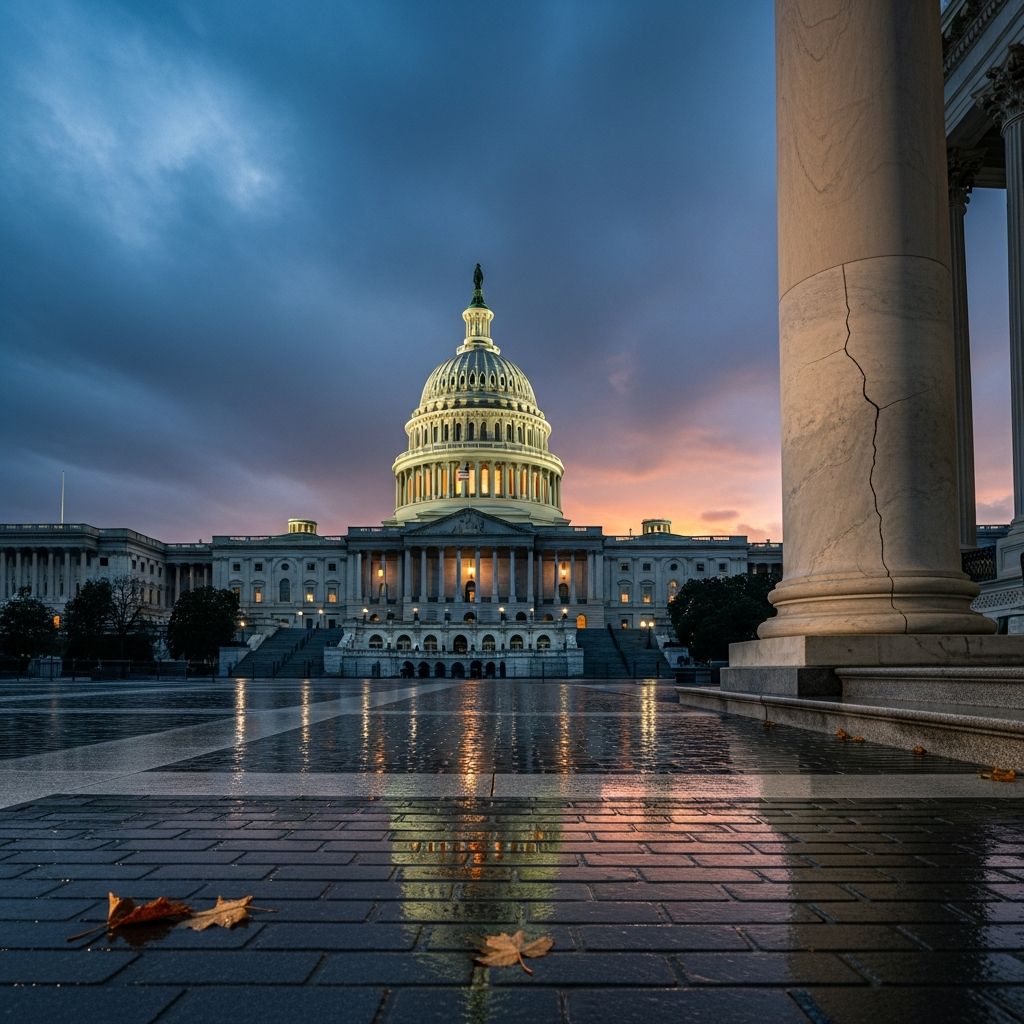
The United States Capitol, a symbol of democratic resilience, became a battleground on January 6, 2021, when thousands stormed its halls to contest the 2020 election certification. Five years later, in 2026, echoes of that day reverberate through new gatherings, pardons, and counter-demonstrations, underscoring persistent national fractures.
Recalling the Chaos of January 6, 2021
The events unfolded after a rally at the Ellipse, where then-President Donald Trump addressed supporters, urging them to march to the Capitol. What began as a protest escalated into violence as crowds breached barriers, clashed with police, and invaded the building, delaying the electoral vote count.
Key casualties marked the tragedy: Ashli Babbitt, a 35-year-old Air Force veteran, was fatally shot by Capitol Police Lieutenant Michael Byrd while attempting to climb through a shattered window near the Speaker’s Lobby. The U.S. Capitol Police investigation cleared Byrd, stating his actions prevented potential harm to lawmakers. Officer Brian Sicknick died the next day from strokes amid the defense efforts, though initial reports varied on the cause.
Over 1,200 individuals faced charges, with groups like the Proud Boys and Oath Keepers central to prosecutions. Convictions ranged from trespassing to seditious conspiracy, resulting in lengthy sentences.
Pardons Reshape Accountability
Upon returning to the White House, President Trump issued sweeping pardons for January 6 defendants, freeing figures like Enrique Tarrio, former Proud Boys leader, and Guy Reffitt of the Texas Three Percenters. Tarrio, sentenced to 22 years for seditious conspiracy, and Reffitt, who served over three years of an 87-month term, now walk free.
These pardons, enacted in early 2025, nullified convictions for most involved, sparking debates on justice and political retribution. Babbitt’s family received a $5 million settlement in a wrongful death suit against the government, closing one chapter amid controversy.
Anniversary March: Honoring the Fallen
On the fifth anniversary, pardoned participants organized a memorial march tracing the original riot path—from the Ellipse to the Capitol—starting at 11:45 a.m. Billed as a tribute to Babbitt and others who died, including Sicknick, it drew a smaller but fervent crowd.
- Route Details: Echoed 2021 path, symbolizing unfinished business for organizers.
- Key Figures: Tarrio and Reffitt promoted the event, framing it as remembrance rather than provocation.
- Timing: Coincided with a House select committee hearing led by Rep. Bennie Thompson, revisiting the attack’s probe.
Video from PBS NewsHour captured the subdued yet resolute atmosphere, noting it as the first post-pardon anniversary.
Rise of Counter-Movements: No Kings Protests
Opposition surged with the ‘No Kings’ protests on March 28, 2026, part of a nationwide series by Indivisible and the 50501 Movement. Over 3,300 events protested Trump administration policies, including foreign conflicts, document suppressions, and ICE actions.
In DC, marches began at Memorial Circle near Arlington Cemetery at 10 a.m., culminating in a 1:30-4 p.m. rally downtown. Speakers like Sen. Chris Murphy and Bill Nye amplified calls against perceived authoritarianism.
| Protest Series | Date | Scale | Focus |
|---|---|---|---|
| No Kings 1 | June 2025 | Millions nationwide | Initial anti-Trump push |
| No Kings 2 | October 2025 | Millions | Policy oppositions |
| No Kings 3 | March 28, 2026 | 3,300+ events | War, rights, immigration |
Other DC Gatherings in 2026
Washington’s streets buzzed with diverse actions. The March for Life on January 24 drew thousands to the National Mall, marching to the Supreme Court with speeches from VP JD Vance and a Trump message, themed ‘Life is a Gift.’
Ongoing protests included ‘Fight Trump’s Corrupt White House’ on April 2 at 401 9th St NW, ‘Dance Against DOGE’ on April 4, and medical advocacy like ‘One Thousand White Coats’ on April 15.
Legal and Societal Ripples
Babbitt’s $30 million lawsuit settled for $5 million, while Byrd’s actions were upheld as lawful. The House January 6 committee’s 2022 recommendations for Trump prosecution faded post-pardons, shifting focus to new tensions.
These events highlight deepening polarization: one side views January 6 as patriotic resistance, the other as insurrection. Pardons fueled accusations of impunity, while protests signal resistance to executive overreach.
Impact on Democracy and Public Safety
Capitol security evolved with fortified barriers and National Guard readiness. Yet, recurring marches test response protocols. Public discourse grapples with free speech versus incitement, especially as pardoned leaders reemerge.
Broader implications include eroded trust in institutions. Polls post-2021 showed partisan divides on the riot’s legitimacy, persisting into 2026 amid fresh conflicts.
Voices from the Divide
- Supporters: Frame marches as honoring ‘victims’ of government overreach.
- Critics: See them as threats to democratic processes, fueling counter-mobilizations.
Rep. Thompson’s hearings aim to document ongoing risks, urging vigilance.
Frequently Asked Questions
What happened on January 6, 2021?
A mob of Trump supporters stormed the Capitol to stop election certification, leading to clashes, breaches, and deaths including Ashli Babbitt and Officer Sicknick.
Who were pardoned after Trump’s return?
Hundreds of January 6 defendants, including Proud Boys leader Enrique Tarrio and Guy Reffitt, received full pardons.
What are No Kings protests?
Nationwide demonstrations against Trump policies, with the March 2026 edition featuring over 3,300 events protesting wars, rights erosions, and more.
Was the shooting of Ashli Babbitt justified?
Capitol Police ruled Lt. Michael Byrd’s actions lawful, preventing entry to the Speaker’s Lobby.
How has DC managed recent protests?
With road closures, enhanced security, and event permits, balancing assembly rights and safety.
Looking Ahead: A Fractured Capital
As 2026 unfolds, DC remains a flashpoint. Memorial marches, anti-administration rallies, and advocacy events illustrate a nation wrestling with its democratic soul. Balancing commemoration, protest, and governance will define the Capitol’s next chapter.
References
- Prominent Jan. 6 defendants plan march to Capitol to mark 5 years — AOL. 2026-01-06. https://www.aol.com/articles/prominent-jan-6-defendants-plan-174732286.html
- What to know about ‘No Kings’ protest in DC this weekend — FOX 5 DC. 2026-03-28. https://www.fox5dc.com/news/what-know-about-no-kings-protest-dc-weekend
- Pardoned Jan. 6 rioters return to Capitol on 5th anniversary — PBS NewsHour (YouTube). 2026-01-06. https://www.youtube.com/watch?v=pvjdvc5Z7kw
- 2026 No Kings protests — Wikipedia. 2026-03-29. https://en.wikipedia.org/wiki/2026_No_Kings_protests
- Movement Calendar — Trumba. 2026-04-02. https://www.trumba.com/events-calendar/eastern-time/reaction
- Thousands attend DC March for Life 2026 — ABC 33/40. 2026-01-24. https://abc3340.com/news/nation-world/march-for-life-2026-washington-dc-parking-restrictions-national-mall-supreme-court-pro-life-choice-rally-winter-storm-cold-advisory-wind-chills-traffic-rally-speakers-vice-president-vance-trump-roe-v-wade
- National March for Life — March for Life. 2026-01-24. https://marchforlife.org/national-march-for-life/