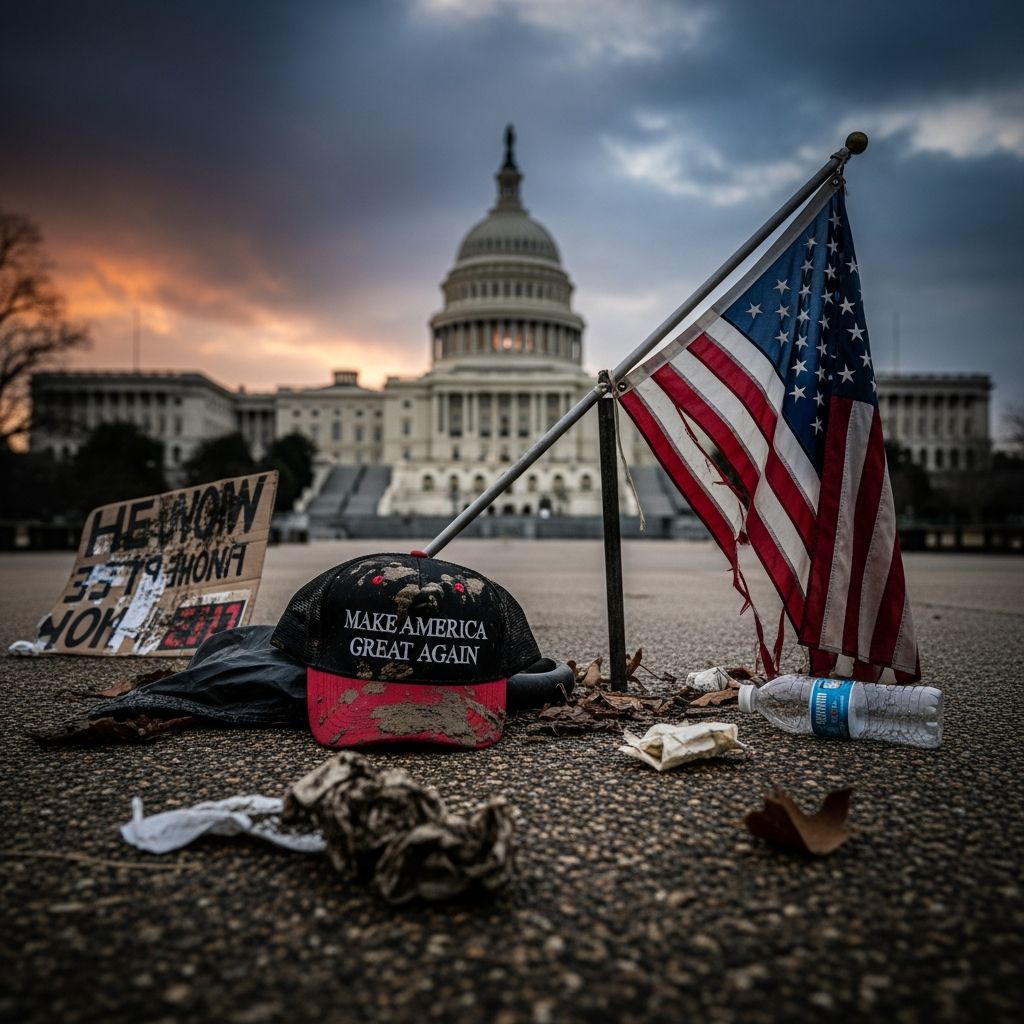
The events of January 6, 2021, marked a dark chapter in American history when a mob stormed the US Capitol, disrupting the certification of the presidential election. This article examines the visual record of the destruction left behind, drawing from high-quality photographic evidence to illustrate the scale of the violence, the human toll, and the broader implications for national security and democratic institutions. Through original analysis and sourced imagery descriptions, we uncover layers of this unprecedented assault.
Timeline of Turmoil: From Rally to Rampage
The day began with a rally near the White House, where thousands gathered amid claims of election fraud. What started as a protest escalated into chaos as crowds surged toward the Capitol during a joint session of Congress. By early afternoon, barriers were breached, and rioters overwhelmed security lines.
- 12:00 PM: Rally speeches energize the crowd with rhetoric challenging the election results.
- 1:00 PM: March to Capitol begins; initial clashes with police.
- 2:00 PM: Rioters breach outer defenses, scaling walls and smashing windows.
- 2:30 PM: Entry into the building; lawmakers evacuate amid tear gas deployment.
- 4:00 PM: National Guard deployment requested; curfew imposed.
- 8:00 PM: Capitol secured, but damage assessment reveals widespread vandalism.
Photographs from this sequence capture the rapid descent into disorder, showing jubilant faces turning to aggressive confrontations.
Scenes of Devastation: Inside the Breach
Once inside, the mob left a trail of shattered glass, overturned furniture, and defaced surfaces. Iconic images depict broken windows draped with Confederate flags, symbolizing deep societal divisions. Offices were ransacked, with personal items strewn across floors.
One striking photo shows a rioter lounging in a ceremonial chair amid scattered papers, embodying the audacity of the intrusion. Hallways, usually pristine, were littered with debris, bear spray canisters, and abandoned gear from overwhelmed officers.
| Location | Damage Description | Visual Impact |
|---|---|---|
| Speaker’s Office | Broken doors, graffiti like ‘We will not back down’ | Stolen mail, overturned desks |
| Senate Wing | Shattered panes, bloodstains on floors | Police in riot gear amid chaos |
| Statuary Hall | Toppled barriers, smeared walls | Crowds pressing against velvet ropes |
| Exterior Scaffolding | Climbed and damaged structures | Flags waving from heights |
These visuals not only document physical harm but also the psychological breach of a sacred democratic space.
Human Cost: Lives Lost and Heroes Fallen
The siege claimed multiple lives, blending direct violence with medical emergencies amid the frenzy. Four rioters perished: one shot by law enforcement while breaching a barricade, others from heart attacks and drug overdoses exacerbated by the melee.
Capitol Police Officer Brian Sicknick succumbed the following day. Initial reports linked his death to injuries from chemical sprays, but autopsy revealed natural causes—strokes—though the stress of the riot contributed significantly. Over 140 officers were injured, some severely beaten with flagpoles and pipes.
- Ashley Babbitt, 35, fatally shot climbing through a broken window near the Speaker’s Lobby.
- Three others died from medical issues during the event.
- Sicknick’s death highlighted officer risks, prompting tributes nationwide.
Photos of bloodied uniforms and exhausted responders underscore the ferocity faced by defenders.
Security Lapses: A System Tested and Broken
Intelligence warnings preceded the event, yet preparations faltered. Capitol Police, outnumbered 58-to-1 at peaks, lacked reinforcements until late. Scaffolding from recent renovations aided climbers, exposing planning gaps.
Post-event reviews by the Government Accountability Office cited poor coordination between federal agencies. The FBI and Secret Service responded post-breach, but delays allowed deep penetration. Mandatory curfews and National Guard calls followed hours of turmoil.
Images of unsecured doors and minimal barriers contrast with the fortified image of the Capitol, fueling debates on vulnerability.
Political Repercussions: Division Deepens
The riot halted electoral certification for hours, with Vice President Pence and lawmakers sheltering in place. Resumed proceedings affirmed Joe Biden’s victory, but trust in institutions eroded further.
Congress impeached President Trump days later for ‘incitement,’ though acquitted. Hundreds faced charges, with over 1,000 arrests by 2023. Photos of zip-tied lawmakers and masked intruders became symbols in partisan battles.
Long-term, the event spurred security overhauls, including higher fences and troop presence, altering the Capitol’s daily visage.
Cultural Echoes: Imagery in Collective Memory
News outlets disseminated thousands of photos, from Getty Images collections exceeding 7,000 shots. These visuals—rioters in tactical gear, police repelling crowds—shaped public perception more than text alone.
Social media amplified select images, some heroicizing the mob, others decrying insurrection. Documentaries and books have since analyzed this visual archive, preserving the event’s raw intensity.
Lessons for Democracy: Safeguarding the Future
January 6 exposed fissures in political discourse, misinformation’s role, and the need for robust civic education. Reforms include expanded Capitol Police funding and election security enhancements.
Yet, anniversaries reignite debates, with visuals serving as stark reminders. Strengthening democratic resilience demands addressing root causes like polarization, beyond mere fortifications.
Frequently Asked Questions (FAQs)
What triggered the January 6 Capitol riot?
The riot stemmed from false claims of 2020 election fraud, fueled by a rally urging supporters to ‘fight like hell.’
How many deaths resulted from the event?
Five deaths: four rioters on the day, one officer the next. Injuries numbered in the hundreds.
Were there arrests and convictions?
Yes, over 1,200 charged, with hundreds convicted of felonies like assault and seditious conspiracy.
How has Capitol security changed?
Perimeter fortifications, increased staffing, and rapid-response protocols were implemented post-riot.
What role did social media play?
Platforms amplified calls to action but suspended accounts amid the violence, sparking free speech debates.
References
- Photos Show the Aftermath of a Siege on the US Capitol Building — Business Insider. 2021-01-07. https://www.businessinsider.com/photos-show-the-aftermath-of-a-siege-on-capitol-building-2021-1
- Capitol Riots Stock Photos — Getty Images. Ongoing collection as of 2021. https://www.gettyimages.com/photos/capitol-riots
- January 6th Committee Final Report — US House Select Committee. 2022-12-22. https://www.govinfo.gov/content/pkg/GPO-J6-REPORT/html/GPO-J6-REPORT.html
- Capitol Attack Casualties — US Capitol Police. 2021-01-08. https://www.uscp.gov/media-center/press-releases/capitol-attack-casualties
- After-Action Review of Jan 6 — Government Accountability Office (GAO). 2021-06-30. https://www.gao.gov/assets/gao-21-652.pdf