The Fundamentals of How Pregnancy Begins Differently
The journey to parenthood can take many different paths, and understanding how these paths diverge is essential for individuals considering fertility treatments. While the end result—a healthy baby—may be the same regardless of conception method, the route taken to reach that destination involves distinct medical processes and considerations. The most fundamental distinction between in vitro fertilization (IVF) and natural pregnancy lies in where and how fertilization occurs.
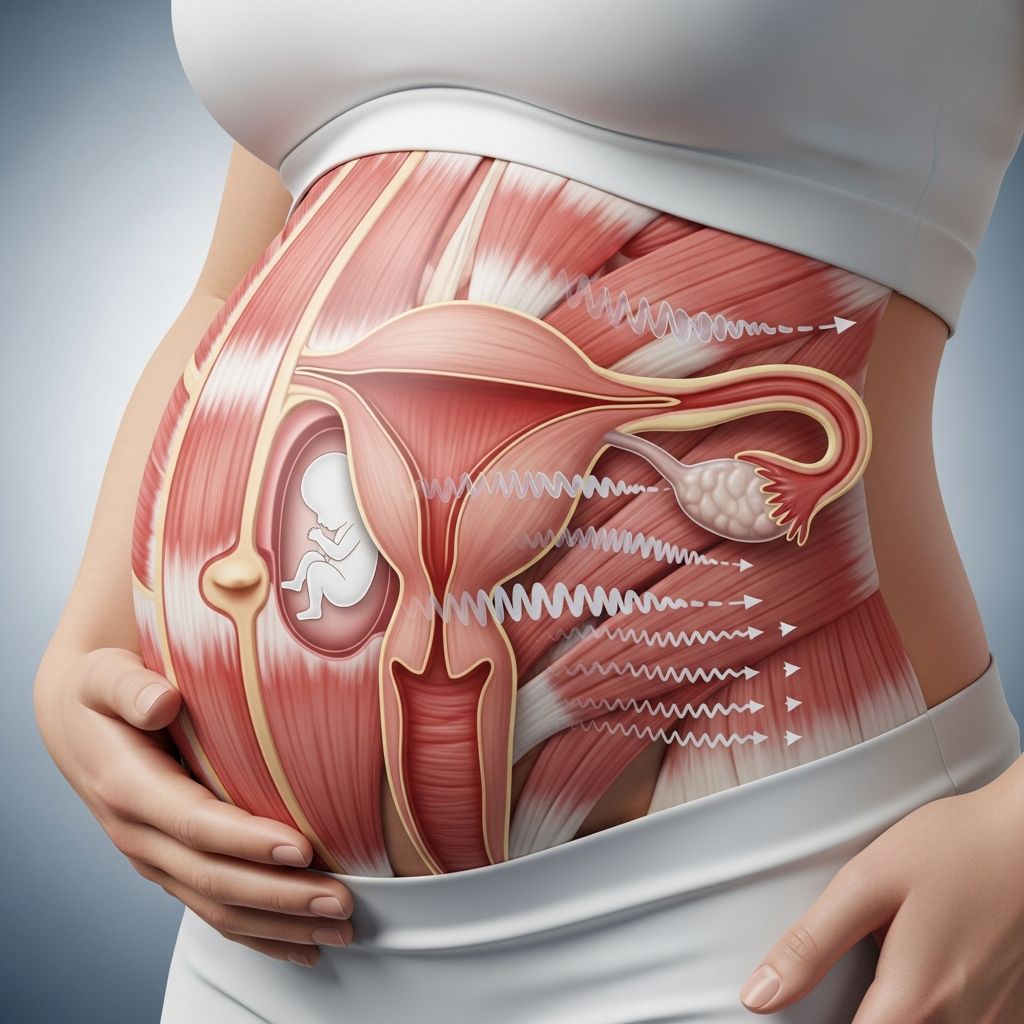
In natural pregnancy, the process begins when sperm encounters an egg within the woman’s fallopian tube. This meeting happens spontaneously after sexual intercourse, following ovulation. The fertilized egg then travels through the fallopian tube over several days before reaching the uterus, where it naturally implants in the uterine lining. This entire sequence occurs within the woman’s body without external medical intervention.
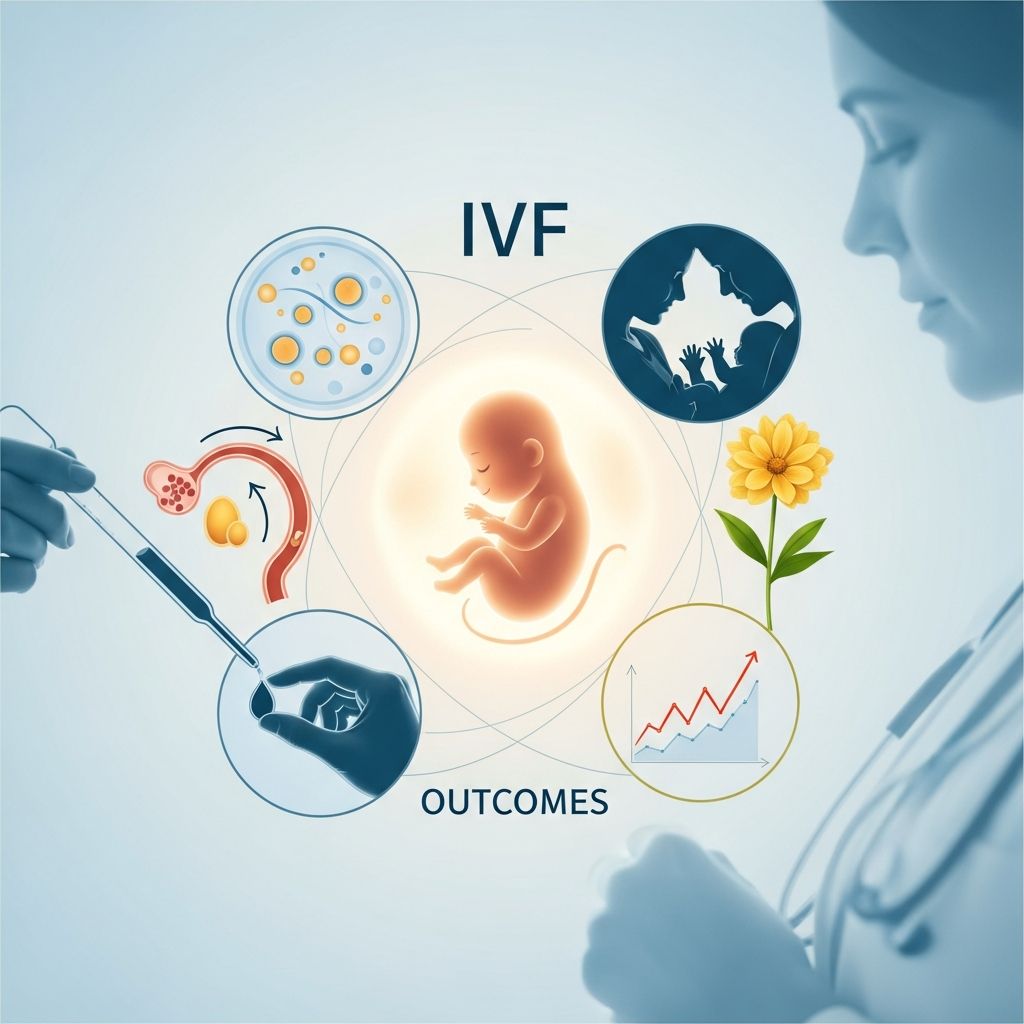
IVF pregnancy, by contrast, involves controlled laboratory conditions. Medical professionals retrieve eggs from the woman’s ovaries through a minimally invasive surgical procedure. These eggs are then combined with sperm in a laboratory dish, where fertilization occurs outside the body. After fertilization, the resulting embryos develop in the laboratory for several days while specialists monitor their progression. Once an embryo reaches the appropriate developmental stage, it is transferred directly into the woman’s uterus, where implantation occurs.
Timing and Control: Planning Conception with Precision
One significant advantage of IVF is the ability to control and schedule the conception timeline precisely. Healthcare providers can determine the exact timing of egg retrieval, laboratory fertilization, and embryo transfer. This controlled timing allows for optimization of all procedural aspects to maximize the likelihood of successful implantation and pregnancy establishment.
Natural pregnancy timing, conversely, is governed by the woman’s menstrual cycle and the unpredictable nature of ovulation. While women can track their ovulation through various methods, the exact timing remains subject to biological variation. This natural variability means that conception timing cannot be predetermined or controlled, making it dependent on factors such as cycle regularity and the timing of sexual intercourse.
The Hormone Management Protocol: Supporting Early Pregnancy
Hormonal differences represent one of the most significant distinctions between IVF and natural pregnancies. The hormone profiles and how they are managed differ substantially between these two conception pathways.
In natural pregnancies, hormone production follows the body’s natural rhythm. After ovulation, the ovarian tissue that previously contained the egg—now called the corpus luteum—produces progesterone naturally. This hormone supports the uterine lining, making it receptive for implantation. Estrogen levels naturally increase as the body prepares for potential pregnancy. Once implantation occurs, the developing placenta gradually assumes responsibility for hormone production, eventually taking over completely by the end of the first trimester.
IVF pregnancies require external hormonal support because the natural hormone production process is bypassed. The IVF cycle begins with fertility medications that stimulate the ovaries to produce multiple eggs rather than the single egg typically released during a natural cycle. These medications, which include follicle-stimulating hormone (FSH) and luteinizing hormone (LH), artificially elevate hormone levels to encourage ovarian response.
After egg retrieval, progesterone and estrogen are typically administered externally through injections, vaginal suppositories, or oral medications. This external hormone support continues through the early weeks of pregnancy to maintain the uterine lining and support implantation and embryonic development. The duration and dosage of these hormonal supplements are carefully managed by fertility specialists to optimize pregnancy success.
Hormonal Support Comparison Table
| Hormone Factor | IVF Pregnancy | Natural Pregnancy |
|---|---|---|
| Ovarian Stimulation | External fertility medications (FSH, LH) trigger multiple egg production | Single egg naturally released during ovulation |
| Progesterone Support | Administered externally via injection or suppository after embryo transfer | Produced naturally by corpus luteum after ovulation |
| Estrogen Supplementation | Often supplemented to prepare uterine lining for embryo transfer | Naturally produced during follicular phase of cycle |
| Human Chorionic Gonadotropin (hCG) | May be administered to support early pregnancy after transfer | Produced naturally by developing placental tissue after implantation |
| Placental Hormone Takeover | Placenta gradually assumes hormone production by end of first trimester | Placenta gradually assumes hormone production by end of first trimester |
Medical Monitoring Intensity and Frequency
The level of medical oversight and monitoring differs substantially between IVF and natural pregnancies, particularly in the early stages. This difference in monitoring can significantly affect the psychological experience of early pregnancy.
IVF patients undergo extensive monitoring beginning immediately after embryo transfer. Blood tests measuring hormone levels and pregnancy markers occur frequently during the first weeks following transfer. Transvaginal ultrasounds allow specialists to visualize the developing pregnancy and confirm proper implantation location. These frequent appointments and testing create an unusual pregnancy experience where women become acutely aware of their pregnancy status from the very moment of transfer, rather than discovering it weeks later as typically occurs in natural pregnancy.
Natural pregnancy monitoring typically begins after a woman suspects she might be pregnant based on missed menstruation or pregnancy symptoms. Initial confirmation usually involves a home pregnancy test or blood test at a healthcare provider’s office. Once pregnancy is confirmed, routine monitoring follows a standard schedule of periodic appointments and ultrasounds spread throughout the pregnancy.
This difference in early monitoring intensity can create psychological differences in the IVF experience. Women undergoing IVF may experience heightened anxiety during the early pregnancy period due to frequent testing and the awareness that pregnancy status can change at each appointment. Natural pregnancy often allows for a more gradual realization and adjustment to pregnancy status.
Risk Profiles and Complication Considerations
While both IVF and natural pregnancies carry inherent risks, the specific risk profiles differ in several important ways.
Multiple Pregnancy Risk
IVF carries a higher risk of multiple pregnancies (twins, triplets, or more) compared to natural conception. When multiple embryos are transferred during an IVF cycle, the likelihood of all implanting increases. Multiple pregnancies present increased risks for both mother and babies, including gestational diabetes, preeclampsia, preterm labor, and low birth weight in newborns. Natural pregnancies result in multiples far less frequently, occurring spontaneously in only a small percentage of cases.
Ovarian Hyperstimulation Syndrome
Ovarian hyperstimulation syndrome (OHSS) is a condition unique to fertility treatment. The hormonal medications used in IVF stimulate the ovaries to produce multiple eggs; however, in some cases, the ovarian response becomes excessive. Affected ovaries become enlarged and may leak fluid into the abdominal cavity, causing abdominal pain, nausea, and in severe cases, serious complications requiring hospitalization. This condition cannot occur in natural pregnancy, as no fertility medications are involved.
Ectopic Pregnancy Considerations
While ectopic pregnancy—where the embryo implants outside the uterus, typically in the fallopian tube—can occur in both IVF and natural pregnancy, IVF carries a slightly elevated risk. The embryo transfer procedure and the way embryos navigate the uterine cavity may contribute to this marginal increase in ectopic pregnancy occurrence. Early monitoring in IVF pregnancies often detects ectopic pregnancies before symptoms develop, allowing for earlier intervention.
Other Pregnancy Complications
Both IVF and natural pregnancies can experience similar complications such as miscarriage, preeclampsia, and gestational diabetes. Research indicates that any slightly elevated complication risks in IVF pregnancies are typically attributable to maternal age or underlying fertility conditions rather than the IVF procedure itself.
Genetic Screening and Embryo Selection
Modern IVF offers an opportunity unavailable in natural conception: the ability to screen embryos for genetic abnormalities before transfer. Preimplantation genetic testing (PGT) examines embryo cells for chromosomal abnormalities and can identify specific genetic disorders. This screening process allows healthcare providers to select embryos with the highest probability of healthy development, potentially reducing the risk of chromosomal conditions such as Down syndrome.
Natural pregnancy does not offer this pre-pregnancy genetic selection capability. Genetic screening in natural pregnancy occurs through prenatal testing during pregnancy or newborn screening after birth. While these testing methods can identify genetic conditions, they do not prevent them from occurring during pregnancy as PGT does in IVF.
The Psychological and Emotional Landscape
Beyond the medical and physiological differences, IVF and natural pregnancy create distinct emotional experiences. The intensive medical nature of IVF, frequent appointments, testing, and the knowledge of exact transfer timing creates a different psychological framework compared to the more gradual discovery of natural pregnancy.
Women undergoing IVF may experience heightened anxiety during early pregnancy due to frequent monitoring and the awareness that pregnancy status can change at each appointment. The early awareness of pregnancy in IVF contrasts sharply with the typical natural pregnancy experience, where a woman may not realize she is pregnant until several weeks into pregnancy. This difference can affect how women experience and process early pregnancy.
Similarities That Unite Both Pathways
Despite the significant differences in conception and early management, IVF and natural pregnancies share many fundamental similarities. Once pregnancy is established and hormone production transitions to placental control, the physiological processes of fetal development become virtually identical. The developing embryo, regardless of conception method, follows the same developmental timeline and milestones.
Importantly, extensive research demonstrates that children born through IVF develop with no significant differences compared to naturally conceived children. Physical development, cognitive abilities, emotional development, and long-term health outcomes show no meaningful differences attributable to the conception method. Any variations observed are typically related to maternal health factors or pregnancy conditions rather than the IVF process itself.
Both pregnancy types require appropriate prenatal care, healthy maternal nutrition, avoidance of harmful substances, and regular medical monitoring. Both can result in healthy, thriving babies when managed appropriately.
Frequently Asked Questions About IVF and Natural Pregnancy
Can an IVF pregnancy be miscarried more easily than a natural pregnancy?
Miscarriage risk is similar between IVF and natural pregnancies. While IVF patients may detect miscarriages earlier due to frequent monitoring, the actual miscarriage rates are comparable. Miscarriage risk is primarily influenced by maternal age, chromosomal abnormalities, and maternal health conditions rather than conception method.
Will I need to take hormones throughout my entire IVF pregnancy?
External hormone supplementation in IVF pregnancy typically continues through the first trimester, after which the placenta assumes hormone production. The exact duration depends on individual circumstances and physician recommendations, but most women discontinue external hormones by week 10-12 of pregnancy.
Are IVF babies less healthy than naturally conceived babies?
No. Extensive research demonstrates that IVF-conceived children show no significant differences in physical health, cognitive development, or long-term outcomes compared to naturally conceived children. Any health differences are typically related to maternal factors rather than the conception method.
How early can pregnancy be detected after IVF embryo transfer?
Pregnancy can typically be detected through blood tests measuring human chorionic gonadotropin (hCG) approximately 10-14 days after embryo transfer. Home pregnancy tests may detect pregnancy around the time of expected menstruation, though blood tests offer earlier and more reliable detection.
Does IVF increase the risk of pregnancy complications like gestational diabetes?
IVF itself does not inherently increase risk for gestational diabetes or preeclampsia. Any increased risk is typically associated with maternal age, pre-existing health conditions, or fertility-related factors rather than the IVF procedure itself.
References
- Is IVF Pregnancy the Same as Normal Pregnancy? Key Differences — Prashanth Fertility Center. 2024. https://prashanthfertility.com/blog/is-ivf-pregnancy-the-same-as-normal-pregnancy/
- IVF Pregnancy vs. Natural Pregnancy: Key Differences You Should Know — Vardaan Medical Center. 2024. https://vardaanmedicalcenter.com/blog/ivf-pregnancy-vs-natural-pregnancy-key-differences-you-should-know
- IVF Babies vs Normal Babies: Myths, Facts & Health Differences — Indira IVF. 2024. https://www.indiraivf.com/blog/ivf-babies-normal-others
- IVF Pregnancy vs. Natural Pregnancy: Is There a Difference? — SCRC IVF. 2024. https://blog.scrcivf.com/ivf-pregnancy-vs.-natural-pregnancy-is-there-a-difference
- Is IVF Pregnancy the Same as Normal Pregnancy? — Sri Ramakrishna Hospital. 2024. https://www.sriramakrishnahospital.com/blog/ivf/is-ivf-pregnancy-the-same-as-normal-pregnancy/