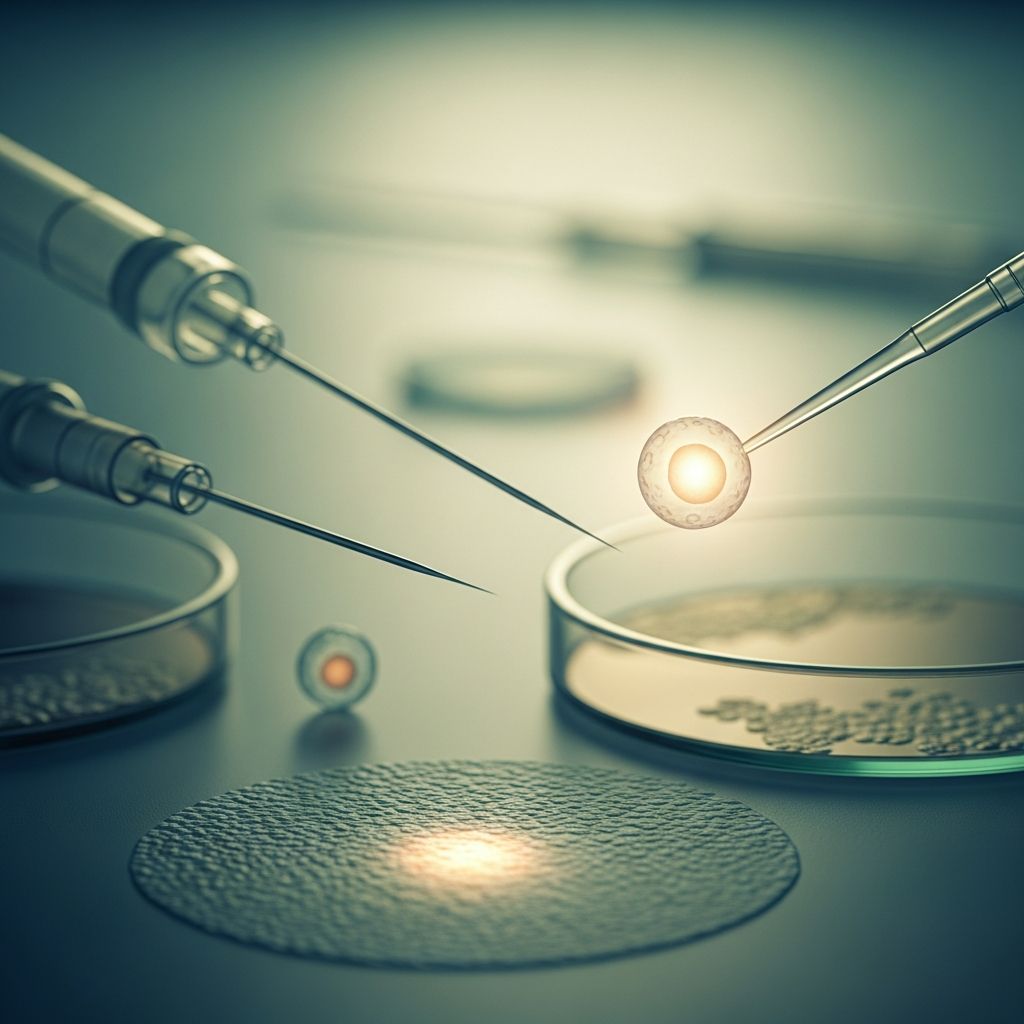
In vitro fertilization (IVF) represents a groundbreaking fertility treatment where eggs are retrieved from the ovaries, fertilized with sperm in a laboratory setting, and the resulting embryos are transferred to the uterus to achieve pregnancy. This method bypasses natural conception challenges, offering hope to millions facing infertility. Understanding the IVF process empowers individuals and couples to approach it with confidence.
Preparing Your Body for IVF Success
The IVF journey begins well before any procedures, with comprehensive medical evaluations to assess reproductive health. Fertility specialists conduct blood tests, ultrasounds, and semen analyses to tailor the protocol. Women typically undergo ovarian reserve testing via AMH levels and antral follicle counts, while men provide sperm samples for motility and count evaluation.
Ovarian stimulation kicks off the cycle, usually on day 2-3 of menstruation. Injectable hormones like gonadotropins stimulate multiple follicle growth, unlike the single egg in a natural cycle. Daily self-injections last 8-14 days, with frequent monitoring via transvaginal ultrasounds and bloodwork to track estrogen levels and follicle sizes.[10] This phase aims to produce 10-30 mature eggs, maximizing options.
- Hormone types: FSH, LH analogs, and GnRH antagonists prevent premature ovulation.
- Monitoring frequency: Every 2-4 days initially, then daily near the end.
- Side effects: Bloating, mood swings, and ovarian hyperstimulation syndrome (OHSS) risk, managed with adjustments.
A “trigger shot” of hCG or Lupron finalizes egg maturation 34-36 hours before retrieval, mimicking the LH surge.
The Egg Retrieval Procedure: Precision and Care
Egg retrieval, or oocyte aspiration, occurs under sedation in a minor surgical setting, lasting 20-40 minutes. A transvaginal ultrasound probe guides a thin needle through the vaginal wall into ovarian follicles. Follicular fluid is aspirated and immediately scanned in the lab for eggs. Typically, 10-30 eggs are collected, though quality matters more than quantity.
Post-procedure, patients rest briefly, experiencing mild cramping or spotting. Most resume light activities within a day. The physician confirms no bleeding via ultrasound. Immature eggs may be cultured separately but rarely fertilize effectively.
| Aspect | Details |
|---|---|
| Anesthesia | Conscious sedation or light general; ensures comfort without full unconsciousness. |
| Recovery Time | 30-60 minutes in clinic; avoid driving for 24 hours. |
| Risks | Infection (<0.5%), bleeding, or OHSS; rare with modern techniques. |
| Success Indicator | Number of mature (MII) eggs retrieved, reported same day. |
Laboratory Magic: Fertilization and Early Embryo Formation
Within 2-4 hours post-retrieval, mature eggs meet sperm in the lab. For partner sperm, a fresh sample is collected or thawed if frozen; donor sperm follows suit. Standard insemination mixes 50,000-100,000 motile sperm per egg for 12-18 hours. In cases of male factor infertility, intracytoplasmic sperm injection (ICSI) injects a single selected sperm directly into the egg cytoplasm, boosting fertilization rates.
The next day, embryologists confirm fertilization by spotting two pronuclei in zygotes. About 70-80% of mature eggs fertilize successfully. Zygotes are cultured in advanced incubators mimicking tubal conditions: precise temperature (37°C), CO2 (5-6%), and nutrients.
Embryo Development: From Zygote to Blastocyst
Embryos grow over 5-6 days. Day 1: zygote (1 cell); Day 2: 2-4 cells; Day 3: cleavage stage (6-8 cells); Day 5: blastocyst (100+ cells with inner cell mass and trophectoderm). Blastocyst culture improves selection of viable embryos, as only half reach this stage.
Time-lapse imaging and AI-assisted morphology grading enhance selection. Preimplantation genetic testing (PGT) biopsies trophectoderm for aneuploidy screening, reducing miscarriage risk. Surplus embryos can be frozen via vitrification for future cycles.
- Day 3 transfer: Earlier option for some protocols.
- Day 5/6 blastocyst: Preferred for higher implantation rates.
- Freezing benefits: Allows recovery from stimulation, PGT results.
Embryo Transfer: The Hopeful Placement
Embryo transfer mirrors a Pap smear: no anesthesia needed. A soft catheter loads 1-2 embryos (euploid if PGT done) and is guided via speculum and ultrasound into the uterine cavity. The syringe releases embryos into the endometrium; ultrasound confirms placement, and the catheter is checked for retention.
Post-transfer, progesterone supplements support implantation. Bed rest is minimal; normal activity is encouraged. Pregnancy testing occurs 9-14 days later via beta-hCG blood draw.[10]
| Transfer Type | Timing | Advantages |
|---|---|---|
| Fresh | Day 3-6 post-retrieval | Shorter wait; suitable if no OHSS risk. |
| Frozen (FET) | Next cycle | Higher success (60-70%); optimal uterus prep. |
After the Transfer: The Two-Week Wait and Beyond
The luteal phase involves progesterone (injections, vaginal gels) to sustain lining. Symptoms like spotting or fatigue mimic PMS but don’t predict outcomes. Beta-hCG >5 mIU/mL confirms pregnancy; levels double every 48 hours initially.
Positive results lead to ultrasound at 6-7 weeks. Multiple pregnancies risk preterm birth, managed closely. IVF success rates: 50-60% per blastocyst transfer in women <35, per CDC data (2023).[10]
Factors Influencing IVF Outcomes
Age is paramount: egg quality declines post-35. Lifestyle (BMI 18.5-24.9, no smoking) boosts chances. Clinic expertise, embryo quality, and endometrial receptivity matter. Cumulative live birth rates reach 70% after 3 cycles.
- Boosters: PGT-A, endometrial scratching, ERA testing.
- Challenges: OHSS (1-5%), ectopic pregnancy (2%).
Emotional and Physical Realities of IVF
IVF demands resilience: daily injections bruise, emotions fluctuate from hope to anxiety. Support groups, counseling, and mindfulness aid coping. Financially, cycles cost $12,000-$20,000; insurance varies.
Many achieve parenthood after 1-3 cycles. Failures prompt protocol tweaks or donor gametes.
Frequently Asked Questions (FAQs)
What is the typical IVF timeline?
A full cycle spans 4-6 weeks: 10-14 days stimulation, retrieval, 5 days culture, transfer, 2-week wait.
Does ICSI increase success rates?
ICSI helps male infertility, achieving 70-80% fertilization vs. 50-60% conventional.
Can I exercise during IVF?
Light walking yes; avoid high-impact until after transfer. Follow clinic guidelines.
What if no embryos develop?
Options: donor eggs/sperm, repeat cycle, or alternatives like IUI/IVM.[10]
Is IVF painful?
Retrieval uses sedation; injections sting mildly. Transfer feels like a speculum exam.
Choosing the Right Fertility Clinic
Seek SART/CDC-reported success rates >50% for your age group. Board-certified REIs, in-house labs, and PGT capabilities signal quality. Consultations clarify protocols.
IVF evolves with frozen transfers surpassing fresh (65% vs. 50% live birth).[10] Emerging tech like AI embryo selection promises further gains.
References
- IVF Process Day by Day – In Vitro Fertilization Steps — CCRM Fertility. 2023. https://www.ccrmivf.com/fertility/ivf-process/
- In vitro fertilisation — Wikipedia (citing primary sources). 2024-01-10. https://en.wikipedia.org/wiki/In_vitro_fertilisation
- In Vitro Fertilization Treatment Journey — ReproductiveFacts.org (ASRM). 2023. https://www.reproductivefacts.org/patient-journeys/in-vitro-fertilization-treatment/
- In vitro fertilization (IVF) — MedlinePlus (NIH). 2024-05-01. https://medlineplus.gov/ency/article/007279.htm
- IVF (In Vitro Fertilization): Procedure & How It Works — Cleveland Clinic. 2024-03-15. https://my.clevelandclinic.org/health/treatments/22457-ivf
- In Vitro Fertilization — StatPearls (NCBI/NIH). 2023-07-17. https://www.ncbi.nlm.nih.gov/books/NBK562266/
- In vitro fertilization (IVF) — Mayo Clinic. 2024-06-20. https://www.mayoclinic.org/tests-procedures/in-vitro-fertilization/about/pac-20384716