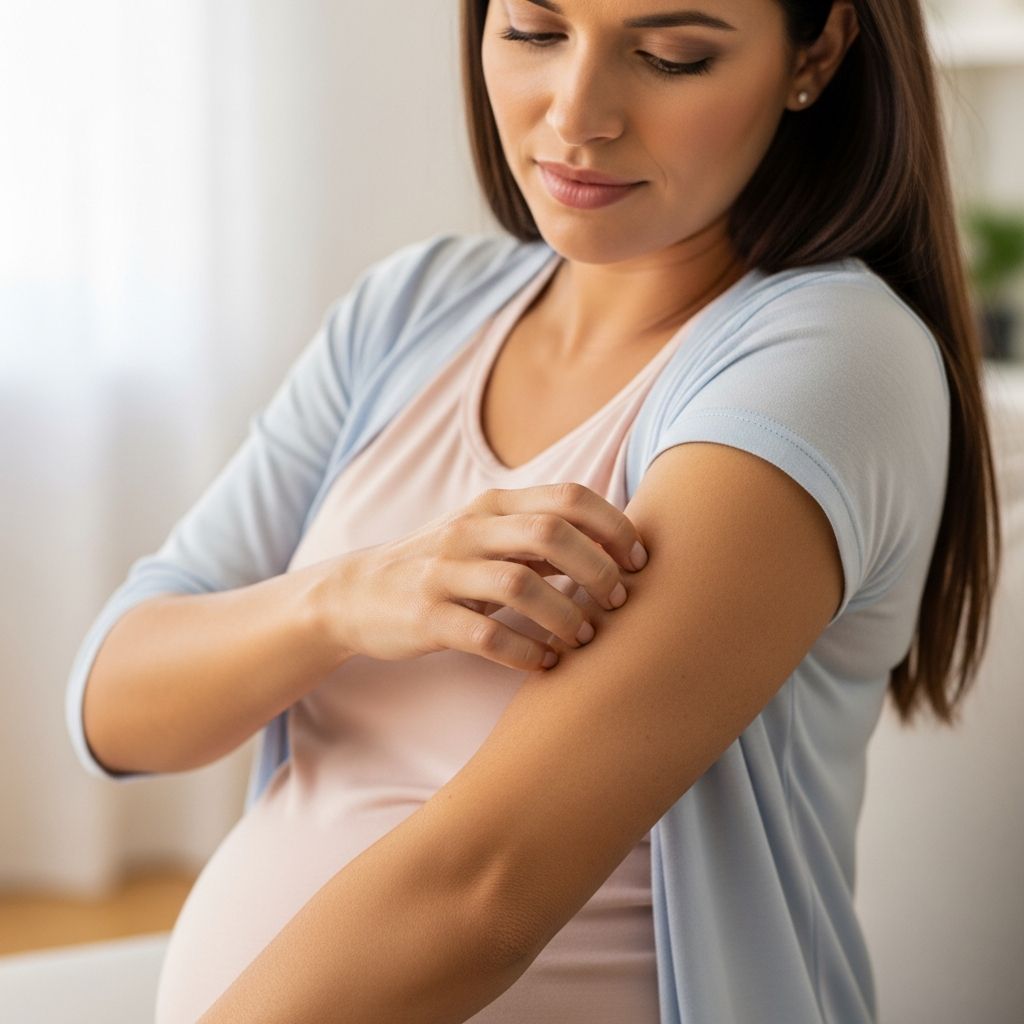
During pregnancy, many women experience uncomfortable itching due to hormonal changes, skin stretching, and increased blood flow. This guide explores the reasons behind pregnancy-related pruritus, safe relief methods, and specific conditions requiring attention, helping expectant mothers find prompt comfort.
Why Skin Itches More During Pregnancy
Pregnancy triggers physiological shifts that make skin more prone to irritation. Hormonal surges, especially estrogen, heighten skin sensitivity and promote dryness by altering oil production. As the uterus expands, abdominal skin stretches significantly, particularly in first pregnancies or multiples, thinning the epidermis and causing micro-tears that itch.
Edema from fluid retention and pressure on blood vessels exacerbate dryness, while a disrupted skin barrier allows moisture loss, activating itch-sensing nerves. Mechanical factors like tight clothing or hot environments worsen symptoms. Most cases are benign, but persistent itching warrants evaluation to rule out serious issues.
Common Skin Conditions Causing Itchiness
Several pregnancy-specific dermatoses contribute to itching. Understanding them aids targeted management.
Atopic Eruption of Pregnancy (AEP)
AEP, encompassing eczema-like flares, affects up to 20% of pregnancies and stems from immune and hormonal changes. It presents as dry, red, itchy patches on flexures or abdomen, often worsening existing atopic conditions. Treatment focuses on hydration and mild anti-inflammatories.
Pruritic Urticarial Papules and Plaques of Pregnancy (PUPPP)
PUPPP is a late-pregnancy rash starting in stretch marks, featuring pink urticarial papules spreading to thighs and buttocks. It itches intensely but resolves post-delivery without fetal risk. Symptoms peak in the third trimester.
Prurigo of Pregnancy
This condition causes excoriated, crusty nodules on limbs and trunk, often mistaken for bites. Linked to immune shifts, it poses no baby threat but may persist postpartum.
Intrahepatic Cholestasis of Pregnancy (ICP)
ICP is a serious liver disorder with elevated bile acids causing severe, palm-and-sole pruritus, worst at night. Onset is typically late second to third trimester, risking preterm birth or stillbirth if unmanaged. Diagnosis requires blood tests excluding other liver issues.
Safe Daily Strategies for Itch Relief
Start with non-medical approaches to break the itch-scratch cycle, which damages skin further.
- Moisturize frequently: Apply fragrance-free emollients like petroleum jelly or ceramide-based lotions post-bath to lock in moisture. Reapply every 2-3 hours.
- Opt for breathable attire: Choose loose, cotton garments to reduce friction and allow airflow, minimizing sweat-induced irritation.
- Stay hydrated: Drink ample water and use a humidifier to combat dry air, supporting skin barrier function.
- Cool your environment: Avoid hot showers; use lukewarm water. Fans or cool compresses soothe inflamed areas.
These steps provide immediate relief for mild cases linked to stretching or dryness.
Natural Home Remedies to Try
Nature offers pregnancy-safe options for symptom easing.
| Remedy | How to Use | Benefits |
|---|---|---|
| Oatmeal Baths | Colloidal oatmeal in lukewarm water, 15-20 min soak | Anti-inflammatory, soothes rashes like PUPPP |
| Coconut or Olive Oil | Massage into damp skin | Deep hydration without chemicals |
| Cool Compresses | Cold cloth on itchy spots, 10 min | Numbs nerves, reduces urge to scratch |
| Aloe Vera Gel | Pure gel from plant, pat on | Cooling, mild anti-itch (patch test first) |
Avoid essential oils or unverified herbal mixes due to absorption risks. Calamine lotion may help rashes but confirm safety with a provider.
Medical Treatments: When to Escalate
If home measures fail, consult your OB-GYN. Treatments vary by cause.
- Topical Corticosteroids: Low- to mid-potency for AEP, PUPPP, prurigo. Apply thinly as prescribed.
- Oral Antihistamines: Second-generation like loratadine or cetirizine for non-ICP itching; safe in pregnancy.
- Emollients with Menthol: Aqueous creams for cooling relief.
For ICP, ursodeoxycholic acid (UDCA/Urso) lowers bile acids, easing itch and fetal risks, though efficacy varies. Severe cases may need early delivery. Phototherapy or short steroid courses address refractory pruritus.
Recognizing Red Flags: When to Seek Urgent Care
Not all itching is harmless. Contact your provider if:
- Itching is severe, widespread, or nocturnal.
- Jaundice, dark urine, or pale stools appear (ICP signs).
- Rash with fever, blistering, or rapid spread develops.
- Symptoms persist despite remedies.
Blood tests for liver enzymes and bile acids are standard for evaluation.
Preventing Itch Flare-Ups
Proactive habits minimize episodes:
- Use gentle, unscented soaps; pat dry.
- Avoid known irritants like wool or perfumes.
- Maintain cool room temps with ventilation.
- Track diet for potential allergens, though evidence is limited.
Weight management reduces excessive stretching, but prioritize nutrition.
Postpartum Itch Resolution
Most conditions fade after delivery: PUPPP within weeks, AEP quickly, prurigo variably. ICP resolves promptly, but monitor if breastfeeding. Continue moisturizing as hormones normalize.
Frequently Asked Questions
Is itchy skin during pregnancy harmful to the baby?
Benign causes like stretching are not, but ICP requires monitoring for complications like preterm labor.
Can I use hydrocortisone cream while pregnant?
Low-potency versions are generally safe short-term; always get doctor approval.
How long does PUPPP last after birth?
Usually 1-2 weeks, fully resolving without scarring.
Does drinking more water help pregnancy itching?
Yes, it combats dryness from within.
What if itching starts early in pregnancy?
Early onset may signal AEP; consult for tailored care.
References
- Pruritus in Pregnancy – StatPearls — NCBI Bookshelf, NIH. 2023. https://www.ncbi.nlm.nih.gov/books/NBK560820/
- How to Treat Itchy Skin Naturally During Pregnancy — American Pregnancy Association. 2023. https://americanpregnancy.org/healthy-pregnancy/pregnancy-concerns/treat-itchy-skin-naturally-pregnancy/
- Understanding and Alleviating Skin Irritations During Pregnancy — Forefront Dermatology. 2023. https://forefrontdermatology.com/understanding-and-alleviating-skin-irritations-during-pregnancy/
- Itching During Pregnancy: Causes, Treatments, When to See Your OB — Healthline. 2023. https://www.healthline.com/health/pregnancy/itching-during-pregnancy
- Itching and intrahepatic cholestasis of pregnancy — NHS. 2023-10-17. https://www.nhs.uk/pregnancy/complications/itching-and-intrahepatic-cholestasis/
- Cholestasis of pregnancy – Symptoms and causes — Mayo Clinic. 2023. https://www.mayoclinic.org/diseases-conditions/cholestasis-of-pregnancy/symptoms-causes/syc-20363257
- Cholestasis Of Pregnancy: Causes, Symptoms & Treatment — Cleveland Clinic. 2023. https://my.clevelandclinic.org/health/diseases/17901-cholestasis-of-pregnancy