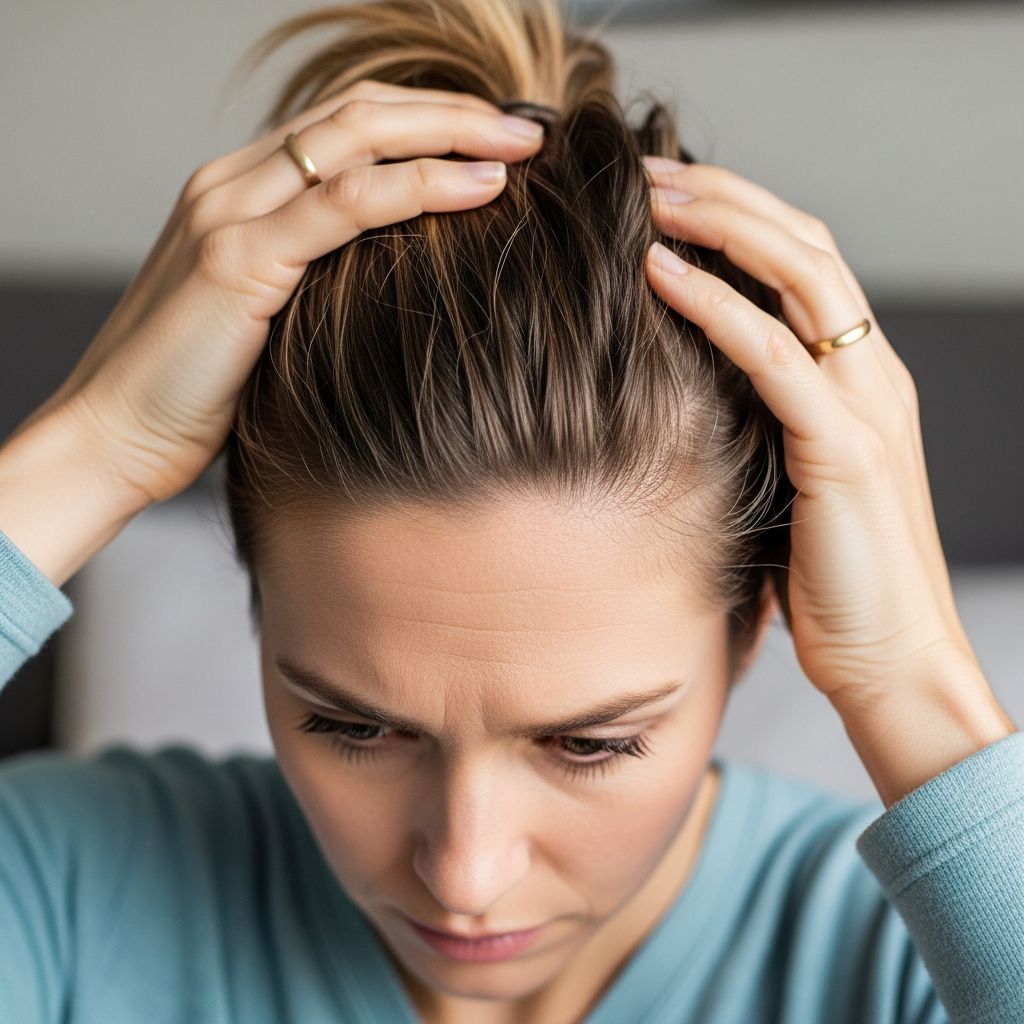
An itchy scalp after giving birth affects many new mothers, often stemming from the body’s adjustment to postpartum changes. This discomfort can disrupt daily routines and sleep, but understanding its roots and applying targeted remedies can bring quick relief.
Understanding Postpartum Scalp Discomfort
The postpartum phase brings profound physiological shifts that extend to skin and hair health. Hormonal surges during pregnancy stabilize after delivery, but the transition can irritate the scalp’s sensitive nerves and glands. This leads to persistent itching, flaking, or tenderness that feels amplified on the scalp compared to other body areas.
New moms report this issue peaking around 2-4 months postpartum, coinciding with other hair changes like shedding. The scalp’s dense network of blood vessels and follicles makes it particularly reactive, turning minor imbalances into noticeable irritation.
Primary Triggers of Itchiness After Delivery
Several interconnected factors contribute to scalp itch in the weeks and months following birth. Recognizing these helps in selecting the right interventions.
- Hormonal Fluctuations: Estrogen levels drop sharply after delivery, altering sebum production. Excess oil clogs follicles, fostering yeast overgrowth and inflammation.
- Dehydration and Nutrient Gaps: Breastfeeding increases fluid needs, and deficiencies in B vitamins—exacerbated by stress—promote oily, itchy scalps.
- Stress and Fatigue: Emotional and physical exhaustion depletes essential nutrients, triggering overproduction of scalp oils and sensitivity.
- Product Buildup and Dryness: Sweat, residues from hair products, or underproduction of oils can dry out the scalp, leading to flakes and itch.
These elements often compound, creating a cycle where itchiness worsens hair loss or dandruff, common companions in postpartum recovery.
Recognizing Related Scalp Conditions
Itchiness rarely occurs in isolation. It may signal underlying issues treatable with specific approaches.
| Condition | Symptoms | Postpartum Link |
|---|---|---|
| Dandruff/Seborrheic Dermatitis | Flakes, redness, scaling | Hormonal oil surges |
| Allergic Contact Dermatitis | Rash, bumps on contact areas | Reactions to dyes/shampoos |
| Atopic Dermatitis (Eczema) | Redness, burning itch | Stress-aggravated flares |
| Scalp Psoriasis | Thick scales, extends to neck | Hormone-triggered |
While most cases resolve naturally, persistent symptoms warrant professional evaluation to rule out infections or allergies.
Daily Habits to Ease Scalp Irritation
Simple lifestyle tweaks provide foundational relief without overwhelming a new mom’s schedule.
- Stay hydrated: Aim for 8-10 glasses of water daily, more if nursing, to counter dryness.
- Nutrient-rich diet: Prioritize iron, protein, B vitamins from leafy greens, nuts, and lean meats to support scalp health.
- Gentle washing: Shower daily to remove buildup, using lukewarm water to avoid stripping natural oils.
- Stress reduction: Short mindfulness sessions or baby naps can lower cortisol, easing oil overproduction.
- Avoid irritants: Skip tight ponytails, headbands, heat tools, and chemical treatments during sensitive periods.
These steps stabilize the scalp environment, often reducing itch within days.
Proven Topical Treatments and Products
Gentle, targeted products soothe inflammation and balance oils effectively.
Natural Oils and Serums: Tea tree oil’s antifungal properties combat yeast, while rosemary and thyme stimulate circulation and reduce flakes. Apply diluted serum 10 minutes pre-shampoo for best results.
Shampoos and Conditioners: Opt for pH-neutral, sulfate-free formulas. Anti-dandruff options with zinc pyrithione control oil; volumizing ones add body amid shedding. For fine hair, focus shampoo on roots and conditioner on ends.
Scalp Massagers: Weekly use exfoliates dead skin, boosts blood flow, and evenly distributes oils, promoting growth and comfort.
Leave-In Therapies: Apple cider vinegar rinses (1:4 dilution) restore pH, curbing itch from imbalances.
Step-by-Step Home Remedy Routine
- Pre-treat: Massage natural oil blend into scalp; wait 10 minutes.
- Shampoo: Use clarifying or medicated formula twice weekly; rinse thoroughly.
- Condition: Apply lightly to lengths, avoiding roots if oily.
- Massage: Gently brush with a silicone scalp tool for 2-3 minutes.
- Air dry: Pat dry; avoid heat to prevent further sensitivity.
Consistency yields visible improvement in 1-2 weeks.
Nutrition’s Role in Scalp Recovery
Postpartum demands strain nutrient reserves, directly impacting scalp vitality. B vitamins (biotin, B6) regulate sebum; deficiencies heighten itch. Iron combats fatigue-related dryness, while omega-3s from fish or flax reduce inflammation.
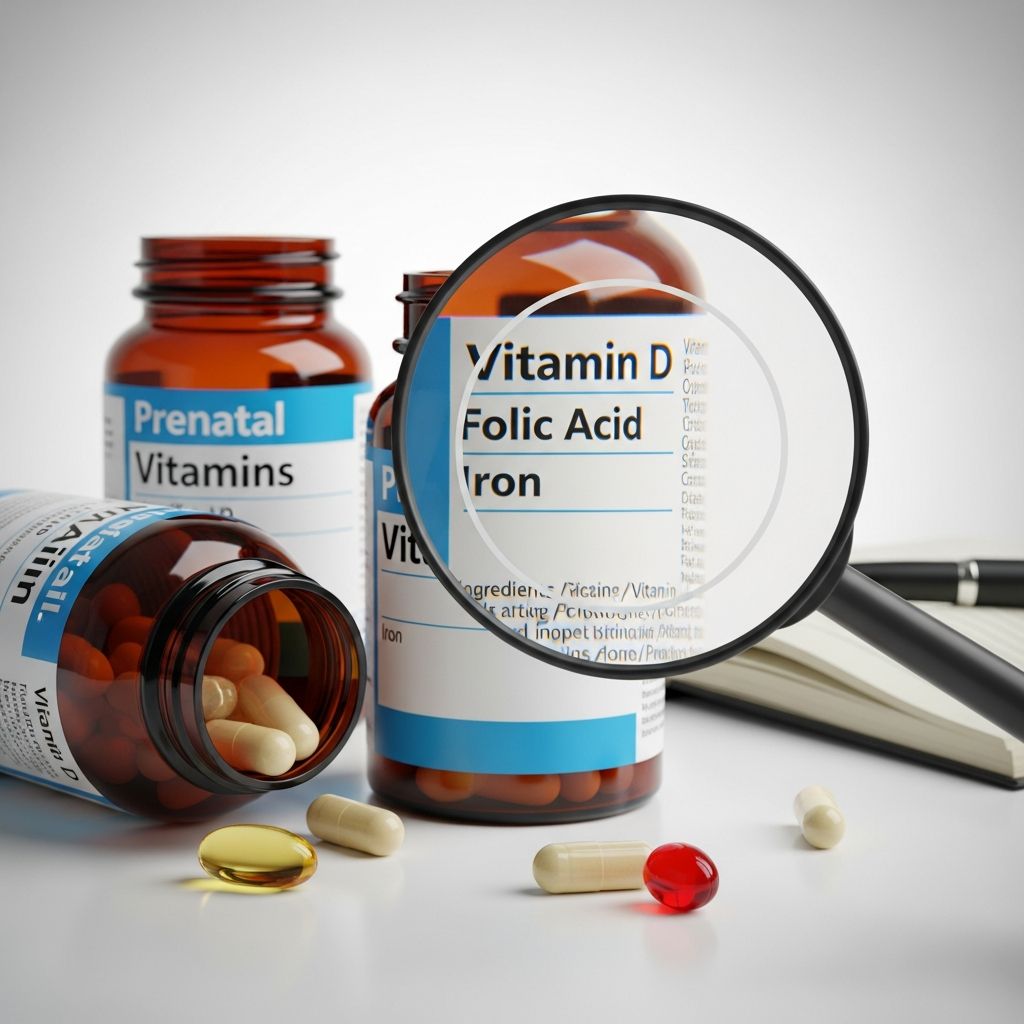
Supplements like postpartum hair vitamins can bridge gaps, especially for breastfeeding moms, but consult a doctor first. A balanced plate with fruits, veggies, and proteins sustains long-term health.
When to Consult a Healthcare Professional
Most itch resolves within 3-6 months as hormones normalize, but seek advice if:
- Itch persists >4 weeks or intensifies.
- Accompanied by severe hair loss, pus, or fever.
- Rash spreads or scars form.
Dermatologists may prescribe medicated shampoos or check for conditions like psoriasis. Early intervention prevents complications.
Long-Term Scalp Care for New Mothers
Beyond acute relief, preventive strategies maintain scalp wellness amid ongoing changes.
- Rotate products to prevent buildup.
- Monthly deep treatments with masks.
- Track triggers via a simple journal.
- Embrace hair evolution: Textural shifts are temporary.
Patience is key; full recovery aligns with hormonal stabilization around 6-12 months.
Frequently Asked Questions
Is postpartum scalp itch linked to hair loss?
Yes, both stem from hormonal drops causing telogen effluvium, where hair sheds and scalp irritates simultaneously.
Can breastfeeding worsen scalp itch?
It can, due to heightened dehydration and nutrient demands depleting B vitamins.
Are essential oils safe postpartum?
Diluted tea tree, rosemary, and peppermint are generally safe; patch-test first and avoid ingestion.
How long does postpartum scalp itch last?
Typically 3-6 months, resolving as hormones balance.
Does stress directly cause itchy scalp?
Yes, it boosts sebum and depletes nutrients, amplifying sensitivity.
References
- Why is my scalp so itchy after having my baby? — BabyBlues.care. 2023. https://babyblues.care/blogs/news/postpartum-itchy-scalp
- Everything You Need to Know About Postpartum Hair Loss — Kavella. 2023. https://kavella.com/blogs/kavella/know-about-postpartum-hair-loss
- 10 reasons your scalp itches and how to get relief — American Academy of Dermatology (AAD). 2024-01-16. https://www.aad.org/public/everyday-care/itchy-skin/itch-relief/relieve-scalp-itch
- Common Reasons for an Itchy Scalp During Pregnancy — Northamptonshire Maternity Services. 2023. https://www.northamptonshirematernityservices.co.uk/news/common-reasons-for-an-itchy-scalp-during-pregnancy
- Postpartum Hair Loss: Causes, Treatment & What to Expect — Cleveland Clinic. 2024. https://my.clevelandclinic.org/health/diseases/23297-postpartum-hair-loss