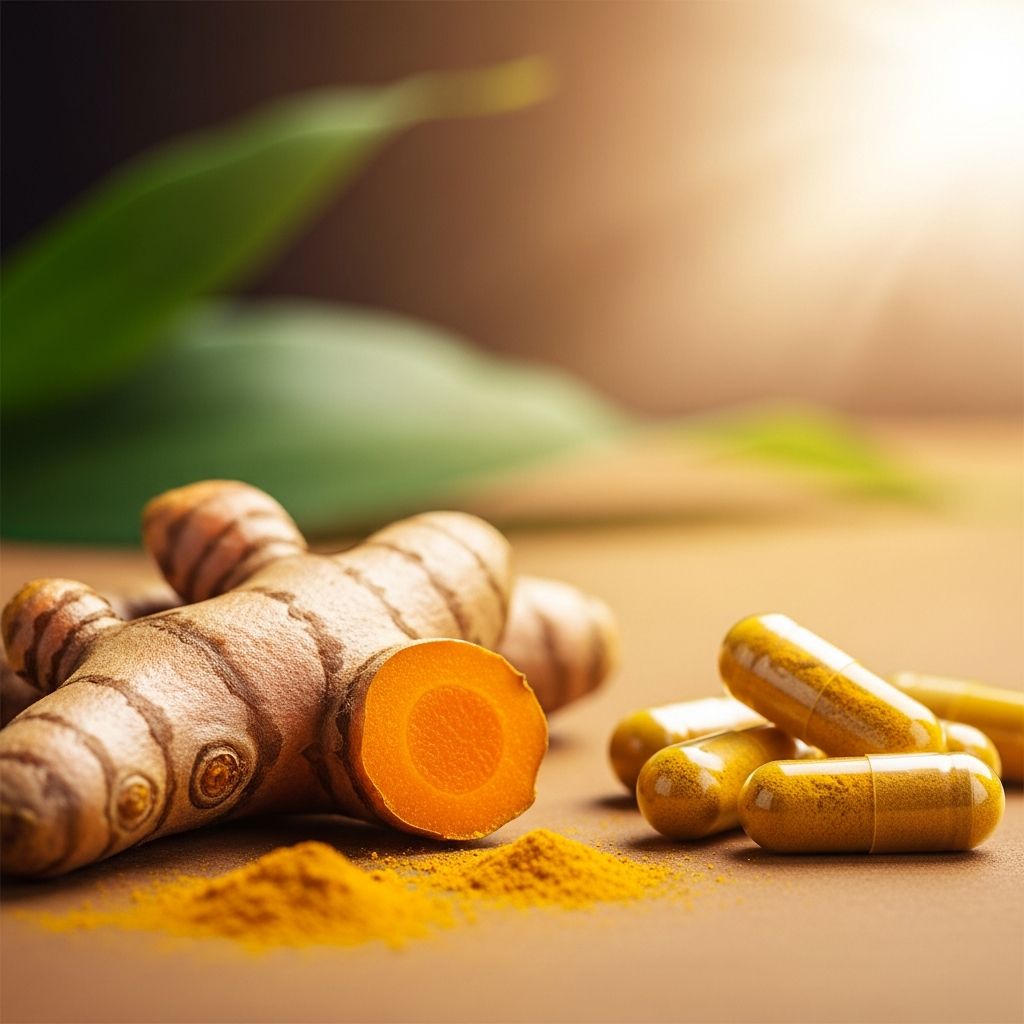
Understanding Turmeric and Pregnancy: A Balanced Perspective
Turmeric, a golden spice derived from the Curcuma longa plant, has gained significant attention in wellness circles for its potential anti-inflammatory and antioxidant properties. During pregnancy, expectant mothers naturally scrutinize every food and supplement they consume, seeking to optimize their health while protecting their developing baby. The question of whether turmeric is safe during pregnancy generates considerable debate among healthcare professionals and researchers, partly because comprehensive human clinical trials remain limited due to ethical considerations.
The uncertainty surrounding turmeric use during pregnancy stems from a gap between traditional use and modern scientific validation. While many cultures have incorporated turmeric into culinary practices for generations, the medical community requires rigorous evidence before recommending supplementation during pregnancy. Current research presents a nuanced picture: culinary amounts of turmeric appear relatively safe, while concentrated supplements warrant caution.
The Chemical Composition and How Turmeric Functions in the Body
Turmeric’s primary active compound is curcumin, which accounts for approximately 2-5% of the spice’s weight. Curcumin interacts with multiple biological pathways in the human body, influencing inflammation, oxidative stress, and cellular signaling mechanisms. This multi-targeted action explains both the potential therapeutic applications researchers have identified and the concerns about its use during pregnancy.
When consumed in food form, turmeric provides relatively modest amounts of curcumin. A typical teaspoon of turmeric powder contains approximately 200 milligrams of curcumin. Supplements, however, often concentrate curcumin to levels far exceeding what dietary consumption provides, sometimes delivering 500 to 2000 milligrams per serving. This distinction becomes critical when evaluating pregnancy safety, as the dose-response relationship differs dramatically between culinary and supplemental use.
Examining the Scientific Evidence on Safety
Research examining turmeric’s safety during human pregnancy remains surprisingly sparse. No published studies have specifically demonstrated that turmeric causes harm to human pregnancies at typical dietary levels. However, this absence of evidence differs importantly from evidence of absence—the lack of harmful findings does not automatically confirm safety, particularly for concentrated supplemental forms.
Animal studies provide mixed signals. Some investigations have shown concerning effects at high concentrations. Laboratory research treating mouse embryos with 24 micromolar concentrations of curcumin demonstrated increased cell death and reduced implantation rates. However, other animal studies involving rats and mice fed curcumin at more moderate levels showed no adverse reproductive effects. These inconsistent findings highlight the challenge of extrapolating animal research to human pregnancy.
One notable human case study documented a pregnant woman who developed liver injury associated with high turmeric consumption during the second trimester. She presented with itching and abnormal liver function tests and improved significantly after eliminating turmeric from her diet. This case suggests that excessive intake may pose risks, though such incidents remain extremely rare.
Potential Mechanisms of Concern During Early Pregnancy
Researchers have identified several biological mechanisms through which high-dose curcumin might theoretically affect pregnancy, though none have been proven to cause problems at dietary levels:
- Hormonal Effects: Studies in non-pregnant women show that curcumin may influence estrogen levels and reduce the proliferation of endometrial cells. While potentially beneficial for conditions like endometriosis outside of pregnancy, altered hormone levels during gestation could theoretically interfere with implantation or placental development.
- Immune System Modulation: Curcumin influences various immune pathways, and while this anti-inflammatory action might seem beneficial, pregnancy requires carefully balanced immune function to maintain the pregnancy while preventing infection.
- Cellular Signaling Pathways: At very high concentrations in laboratory settings, curcumin activates apoptosis—programmed cell death—in embryonic cells. Whether this translates to risk at dietary or even supplemental doses remains uncertain.
- Endometrial Thickness Changes: A 2021 case report documented reduced endometrial thickness in two patients using curcumin supplements who were undergoing fertility treatments. Though limited to a small sample, this finding raises questions about curcumin’s effects on uterine tissue during pregnancy preparation.
The Anti-Inflammatory Hypothesis: Potential Benefits
Beyond safety concerns, turmeric’s established anti-inflammatory properties have prompted researchers to investigate whether curcumin might help prevent or manage pregnancy complications. Inflammation plays a documented role in several serious pregnancy conditions, and theoretically, an anti-inflammatory agent might provide protective effects.
Preeclampsia, a serious condition characterized by high blood pressure and protein in urine, involves significant inflammatory and oxidative stress components. Preliminary research suggests that curcumin’s antioxidant properties might reduce the inflammatory markers associated with preeclampsia development. Similarly, gestational diabetes involves metabolic inflammation that curcumin may influence beneficially. Animal studies have shown that curcumin administration could reduce fetal weight loss associated with inflammatory challenges during pregnancy.
However, these encouraging laboratory findings have not yet translated into rigorous human clinical trials. While the theoretical benefits are intriguing, recommending turmeric supplementation for pregnancy complication prevention would be premature without human evidence.
Practical Guidance: Culinary Versus Supplemental Intake
The distinction between using turmeric as a cooking spice and consuming it as a concentrated supplement guides current medical recommendations. Culinary use—adding turmeric to curries, golden milk, or other dishes—exposes pregnant individuals to small, well-tolerated amounts within a food matrix.
Supplemental turmeric or curcumin presents a different scenario. These concentrated products deliver substantially higher amounts of the active compound, bypassing the natural food-based limitations. Medical professionals generally recommend that pregnant individuals avoid curcumin supplements unless specifically advised by their healthcare provider.
For those considering turmeric mouthwash for pregnancy gingivitis, which affects many expectant mothers due to hormonal changes, discussion with both the obstetrician and dentist is warranted. While turmeric mouthwash demonstrates effectiveness equal to standard antimicrobials in non-pregnant populations, specific safety data during pregnancy remains limited.
Fetal Development and Neurodevelopmental Considerations
Recent research has established that maternal inflammation during pregnancy correlates with increased risk of neurodevelopmental disorders in offspring, including autism spectrum disorder and attention deficit hyperactivity disorder. This connection has generated interest in whether anti-inflammatory substances like turmeric might optimize fetal brain development.
However, the leap from reducing inflammation to improving neurodevelopment remains speculative. While lowering excessive inflammation could theoretically benefit developing neurological systems, whether turmeric supplementation translates these benefits into measurable improvements in brain function has not been established in human studies. Pregnancy already involves carefully orchestrated inflammatory and anti-inflammatory processes essential for normal placental development and immune tolerance, making blanket inflammation reduction potentially problematic.
Dosage Considerations and When Concentration Matters
If turmeric supplementation is being considered during pregnancy, dose represents a critical factor. The typical culinary dose ranges from 1-3 teaspoons daily of turmeric powder in food, providing roughly 200-600 milligrams of curcumin across the day’s intake. Concentrated supplements often deliver 500-2000 milligrams per serving, sometimes taken multiple times daily.
Medical literature describing adverse effects or concerning laboratory findings typically involved concentrations far exceeding standard supplemental doses. Nonetheless, the biological principle that “the dose makes the poison” applies—even safe substances at excessive levels can cause problems. The liver injury case documented in medical literature involved substantial turmeric consumption, suggesting that moderation represents an important safety principle.
Special Considerations for Fertility Treatment
Individuals undergoing assisted reproductive technologies should be particularly cautious about turmeric supplements. The limited evidence linking curcumin to endometrial thickness changes and the theoretical concerns about implantation warrant discussion with fertility specialists. Some reproductive endocrinologists may recommend avoiding curcumin supplements during fertility treatment and pregnancy until more safety data emerges.
Practical Recommendations for Expectant Mothers
- Culinary Use is Generally Acceptable: Using turmeric as a spice in cooking and beverages poses minimal risk and can be continued throughout pregnancy.
- Avoid Concentrated Supplements: Most medical professionals recommend avoiding curcumin or turmeric supplements during pregnancy unless specifically recommended by a healthcare provider for a documented condition.
- Disclose to Healthcare Providers: Inform your obstetrician or midwife about any turmeric or curcumin products being considered, allowing for individualized risk-benefit assessment.
- Consider Timing in Pregnancy: If turmeric use is being contemplated, avoid concentrated forms during the first trimester when organ systems are developing.
- Evaluate Competing Needs: For specific pregnancy conditions, discuss whether alternative, better-studied interventions might be more appropriate.
Addressing Common Misconceptions
Several myths circulate regarding turmeric and pregnancy. Some sources claim turmeric can prevent miscarriage, while others suggest it will definitely cause one. Neither claim has scientific support. No proven causal link exists between moderate turmeric consumption and miscarriage, nor does evidence support protective effects at dietary levels.
Similarly, claims that turmeric “cleanses” the body or “boosts immunity” oversimplify its biological effects. While turmeric influences immune function and oxidative processes, pregnancy requires this delicate immune balance rather than indiscriminate immune stimulation.
Future Research Directions
The field would benefit from rigorous, ethically conducted clinical trials examining turmeric’s safety during pregnancy and potential therapeutic applications for pregnancy complications. Well-designed studies in humans could clarify whether theoretical benefits observed in laboratory and animal research translate to clinical advantages. Until such evidence emerges, recommendations remain appropriately cautious.
Frequently Asked Questions
Q: Is it safe to consume turmeric tea during pregnancy?
A: Turmeric tea made from culinary amounts of turmeric spice appears safe for pregnant individuals. However, concentrated turmeric supplements or very high daily intake should be avoided unless recommended by your healthcare provider. Always discuss any dietary additions with your obstetrician.
Q: Can turmeric help with pregnancy complications like preeclampsia?
A: While laboratory and animal research suggest curcumin might help with preeclampsia through anti-inflammatory mechanisms, human clinical trials have not yet proven this benefit. Do not use turmeric supplements to treat preeclampsia without explicit medical guidance, as standard medical interventions have proven effectiveness.
Q: What dosage of turmeric is considered safe during pregnancy?
A: Culinary doses of turmeric (1-3 teaspoons of powder daily in food) are generally considered safe. Concentrated supplements should be avoided unless specifically recommended by your obstetrician. When in doubt, discuss specific dosages with your healthcare provider.
Q: Does turmeric affect fertility or implantation?
A: Limited evidence suggests high-dose curcumin might affect endometrial tissue, though research is minimal. If you are trying to conceive or undergoing fertility treatment, discuss any turmeric supplements with your fertility specialist before use.
Q: Can I use turmeric for pregnancy gingivitis?
A: Turmeric mouthwash shows effectiveness for gingivitis prevention in non-pregnant populations. However, specific pregnancy safety data is limited. Discuss turmeric mouthwash use with both your obstetrician and dentist before beginning treatment.
Q: Is golden milk safe during pregnancy?
A: Golden milk made with culinary amounts of turmeric spice is generally safe during pregnancy. However, some golden milk products contain additional herbs or high concentrations of turmeric that should be reviewed. Check product labels and discuss with your healthcare provider if you have concerns.
References
- An Unusual Case of Dietary-Induced Liver Injury during Pregnancy Associated with Turmeric Consumption — Hindawi/Wiley Online Library. 2024-02-06. https://onlinelibrary.wiley.com/doi/10.1155/2024/6677960
- The Multifaced Actions of Curcumin in Pregnancy Outcome — National Center for Biotechnology Information (NCBI). 2021. https://pmc.ncbi.nlm.nih.gov/articles/PMC7830020/
- Curcumin: Could This Compound Be Useful in Pregnancy and Lactation? — National Center for Biotechnology Information (NCBI). 2020. https://pmc.ncbi.nlm.nih.gov/articles/PMC7603145/
- A Narrative Review of Curcumin’s Effect on Preeclampsia — Gonabad University of Medical Sciences Journal. 2022. https://jcbr.goums.ac.ir/browse.php?a_id=283&slc_lang=en&sid=1&ftxt=1&html=1
- Herbs and Pregnancy: Which Herbs Are Safe? — American Pregnancy Association. 2024. https://americanpregnancy.org/healthy-pregnancy/is-it-safe/herbs-and-pregnancy/
- What You Should Know About Consuming Turmeric During Pregnancy — Healthline Media. 2024. https://www.healthline.com/health/pregnancy/turmeric-pregnancy