Many parents today wonder whether casual puzzle games like Toy Blast are truly okay for kids, or just another time-sucking app. These colorful, easy-to-learn games can be fun and even educational, but they also come with design tricks that make them hard to put down. The answer isn’t a simple yes or no; instead, it’s about understanding what these games offer, what to watch for, and how to set clear, realistic rules that fit a family’s values.
What Puzzle Games Like Toy Blast Are
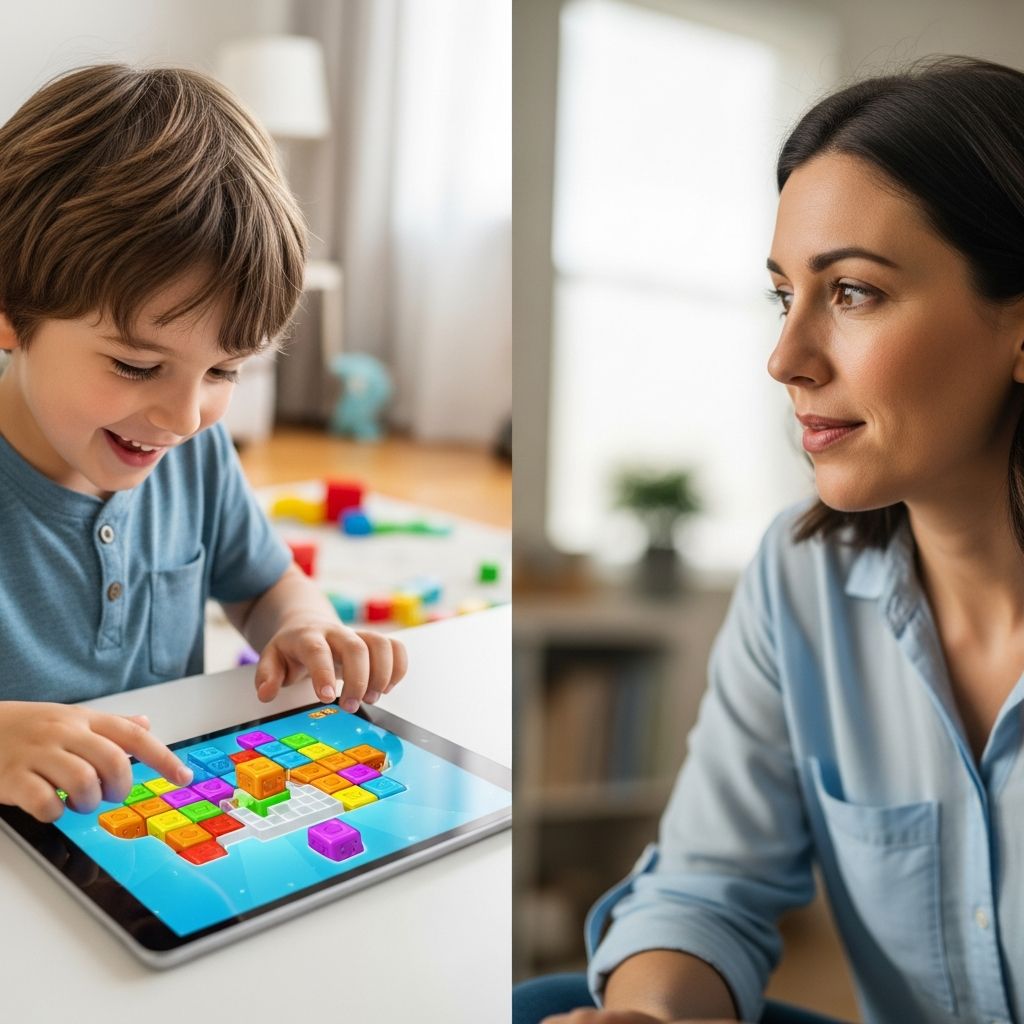
Games like Toy Blast, Candy Crush, and similar match-3 or tile-clearing puzzles are designed to be simple at first: tap or swipe to match colors, clear boards, and reach a target score. They usually have bright graphics, cheerful sounds, and short levels that can be played in just a minute or two. Because they’re easy to start and don’t require complex controls, they appeal to young children as well as older kids and adults.
- They’re often free to download, but use in-app purchases and ads to make money.
- Progress is usually gated by lives or energy, encouraging players to come back frequently.
- Many include social features, like sending lives to friends or competing on leaderboards.
From a child’s perspective, these games feel like a quick, satisfying break between homework or chores. For parents, they can seem harmless compared to fast-paced shooters or online multiplayer games, but their design is still built to keep attention and encourage repeated play.
Potential Benefits for Kids
When played in moderation, puzzle games can support several useful skills that transfer beyond the screen. They’re not a replacement for reading, sports, or face-to-face play, but they can be a constructive part of a balanced routine.
Problem-Solving and Planning
Most puzzle games require more than random tapping; kids learn to look ahead, plan moves, and adapt when things don’t go as expected. For example, in a game like Toy Blast, a child might need to decide whether to clear a row of blocks or save a special item for a later level, which builds basic strategic thinking. Research on video games shows that puzzle and strategy games can improve planning, organization, and flexible thinking in children over time.
Visual-Spatial Skills
Navigating a grid of tiles, matching colors, and predicting how pieces will fall helps strengthen visual-spatial abilities. These skills are important for tasks like reading maps, understanding geometry, and even handwriting. Games that involve rotating, arranging, or building in a 2D or 3D space give kids repeated practice in mentally manipulating objects, which can support learning in math and science.
Focus and Persistence
Puzzle games often require sustained attention to complete a level, especially as difficulty increases. Kids learn to concentrate on a single task, ignore distractions, and keep trying after a failed attempt. This kind of “productive struggle” can build resilience and a growth mindset, as long as frustration doesn’t turn into anger or meltdowns.
Reading and Following Instructions
Even simple puzzle games usually include text: level goals, rules, pop-up tips, and in-game messages. Children who play regularly often read these instructions more carefully to understand how to win, which can give a small boost to reading comprehension and vocabulary. For reluctant readers, this in-game motivation can sometimes carry over into a greater interest in reading outside the game.
Social Connection (When Used Thoughtfully)
Some kids use puzzle games as a shared interest with friends or siblings. They might talk about levels, share tips, or send lives to each other, which can strengthen friendships and give shy children a low-pressure way to connect. However, this only works when the game is a small part of social life, not the only way a child interacts with peers.
Common Concerns and Risks
While puzzle games have benefits, they also come with real risks that parents should be aware of, especially because these games are designed to be habit-forming.
Excessive Screen Time
One of the biggest concerns is that short, “just one more level” sessions can quickly add up to hours of screen time. Too much time on devices can crowd out physical activity, sleep, homework, and family interaction. Studies have found that children who spend very high amounts of time gaming may show differences in brain activity related to attention and impulse control, though it’s not yet clear whether gaming causes these changes or if children with certain traits are simply more drawn to gaming.
Difficulty with Transitions
Many kids struggle to stop playing when it’s time for meals, bedtime, or chores. Puzzle games are especially tricky because they’re designed with “just one more try” mechanics and variable rewards (like surprise power-ups or rare items). This can lead to arguments, meltdowns, or hyperfocus that makes it hard for a child to shift attention to other activities.
In-App Purchases and Ads
Free puzzle games make money through ads and in-app purchases (like extra lives, boosters, or cosmetic items). Young children may not understand that these are optional or that real money is involved, which can lead to accidental spending or constant requests to “buy more lives.” Even if purchases are disabled, frequent ads can be distracting and sometimes inappropriate.
Comparison and FOMO
Leaderboards, daily challenges, and social features can make kids feel pressure to keep up with friends or reach higher levels. For some children, this leads to stress, anxiety, or a sense of failure if they can’t progress as fast as others. Others may feel left out if they don’t play the same games as their peers, creating a cycle where more play feels necessary just to fit in.
Reduced Physical Activity and Sleep
Time spent on puzzle games is time not spent running, playing outside, or engaging in creative offline play. If gaming happens late at night or in bed, it can also interfere with sleep, which affects mood, behavior, and school performance. Blue light from screens and the mental stimulation of gameplay can make it harder for kids to wind down and fall asleep.
How to Decide If It’s Right for Your Child
There’s no universal rule that fits every family or every child. Instead, parents can ask a few key questions to decide whether a puzzle game like Toy Blast is a good fit and how to manage it.
- How old is your child? Younger children (under 6–7) may struggle with the concept of in-app purchases and ads, while older kids can usually understand limits better.
- Does your child already have a balanced routine with enough physical activity, social time, and offline play?
- How does your child react when asked to stop playing? Do they transition calmly, or do they become upset or defiant?
- Is gaming interfering with homework, chores, sleep, or family time?
- Are there signs of frustration, anxiety, or obsession (e.g., constantly thinking about the game, sneaking playtime)?
If the answers suggest that gaming is already causing problems, it may be wise to pause or remove the game temporarily. If things are mostly balanced, puzzle games can likely stay as a small, supervised part of the week.
Practical Tips for Healthy Puzzle Game Play
When a family decides to allow puzzle games, a few simple rules can help keep play positive and prevent it from taking over.
Set Clear Time Limits
- Decide on a daily or weekly screen time budget that includes all devices and apps, not just games.
- Use a timer or a built-in parental control feature so kids know exactly how long they can play.
- Encourage gaming during free time (after homework and chores), not during meals or right before bed.
Use Parental Controls
- Turn off in-app purchases or require a password for any transaction.
- Enable ad-free modes if available, or consider a paid version of the game to reduce ads.
- Review privacy settings and limit social features if your child is young or easily influenced.
Play Together When Possible
- Try the game yourself so you understand how it works and what your child enjoys about it.
- Play a level together and talk about strategies, which can turn gaming into a shared, low-pressure activity.
- Use it as a chance to discuss money, ads, and online behavior in a concrete way.
Encourage Balance
- Make sure puzzle games are just one of many activities, alongside sports, reading, arts, and outdoor play.
- Have regular “screen-free” times, like during meals, family outings, or before bed.
- Help your child find other ways to relax or have fun when they’re bored, so gaming isn’t the only option.
Teach Healthy Habits
- Talk about how games are designed to be fun and hard to stop, so kids understand that it’s normal to want to keep playing.
- Practice transition routines, like a 5-minute warning before screen time ends, to reduce meltdowns.
- Encourage breaks every 20–30 minutes to stretch, drink water, and look away from the screen.
When to Take a Break or Remove the Game
Even well-managed gaming can sometimes tip into unhealthy territory. It’s okay to pause or remove a game if any of the following happen:
- Your child becomes angry, aggressive, or extremely upset when asked to stop playing.
- Gaming regularly interferes with sleep, schoolwork, chores, or family time.
- Your child is sneaking playtime, hiding device use, or lying about how long they’ve been playing.
- They seem anxious, depressed, or overly focused on the game, to the point where it affects their mood or relationships.
- There are repeated issues with in-app purchases or exposure to inappropriate ads.
In these cases, a temporary break can help reset habits and give the family a chance to reassess rules and expectations.
Alternatives to Puzzle Games
If puzzle games aren’t a good fit, or if you want to reduce screen time overall, there are many engaging offline and low-tech alternatives that build similar skills.
- Physical puzzles (jigsaw, logic puzzles, Rubik’s cubes) for problem-solving and focus.
- Board games and card games that involve strategy, memory, and turn-taking.
- Creative activities like drawing, building with LEGO or blocks, or storytelling.
- Outdoor games and sports that combine physical activity with teamwork and rules.
- Educational apps or games that are explicitly designed for learning, with minimal ads and no in-app purchases.
FAQs
Is Toy Blast safe for kids?
Toy Blast is generally considered safe in terms of content (no violence or explicit material), but it does include ads and in-app purchases that can be problematic for younger children. With parental controls enabled and clear time limits, many families find it acceptable as a limited, supervised activity.
How much puzzle game time is too much?
There’s no single “right” number, but most experts recommend limiting recreational screen time to 1–2 hours per day for school-aged children, spread across all devices and apps. If puzzle games are taking up most of that time or spilling into homework, sleep, or family time, it’s likely too much.
Can puzzle games help with learning?
Yes, in moderation. Puzzle games can support skills like problem-solving, visual-spatial reasoning, focus, and reading comprehension. However, they should complement—not replace—traditional learning activities like reading, writing, and hands-on projects.
What if my child is obsessed with a puzzle game?
If a child seems overly focused or distressed when not playing, it may be a sign of overuse. Try setting firmer limits, increasing other enjoyable activities, and talking openly about how games are designed to be fun and hard to stop. If the obsession persists or affects mood and behavior, consider a break and consult a pediatrician or child psychologist.
Should I ban puzzle games completely?
For most families, a complete ban isn’t necessary and can backfire by making the game more appealing. Instead, a balanced approach—clear rules, time limits, and supervision—usually works better. Banning may be appropriate only if the game is clearly causing harm (e.g., severe meltdowns, sleep problems, or financial issues from purchases).