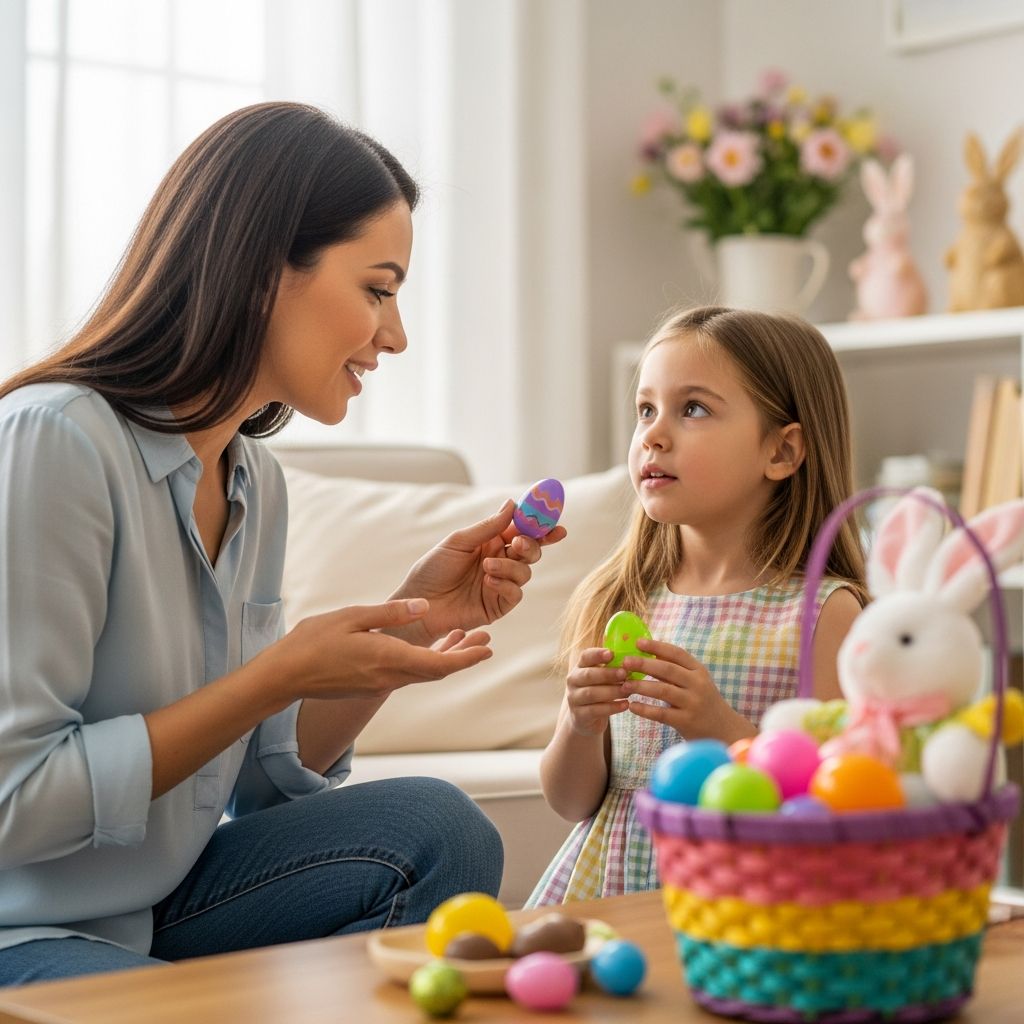
The Easter Bunny captivates children’s imaginations each spring, but inevitable questions arise: “Is the Easter Bunny real?” Parents face a delicate balance between upholding joyful traditions and introducing truth. This guide explores the tradition’s roots, signs kids are ready for answers, conversation strategies, and ways to redirect focus to Easter’s profound meaning of renewal and resurrection.
Understanding the Easter Bunny Tradition’s Origins
Rabbits have long symbolized fertility and new life across cultures due to their rapid reproduction rates. A single mother rabbit can produce hundreds of offspring in a few years, linking them to spring’s themes of rebirth. Eggs, similarly, represent potential life and were historically forbidden during Lent, heightening their appeal at Easter.
These symbols trace back to pre-Christian spring festivals honoring deities like the Germanic Eostre, whose rites involved hares and decorated eggs for fertility celebrations. By the 9th century, these merged with Christian Easter, commemorating Jesus’ resurrection. German immigrants to America in the 1700s popularized the “Osterhase” or Easter Hare, who judged children’s behavior and delivered treats to the good ones in nests or baskets.
Today, the Easter Bunny hides eggs, fills baskets with candy and toys, and stars in hunts worldwide. In the U.S., Canada, UK, Australia, and New Zealand, it’s central to festivities. Unique twists include Australia’s Easter Bilby, promoting conservation of the native marsupial over invasive rabbits. In France, the “lapin de Pâques” hides chocolate eggs. These evolutions highlight how a pagan emblem became a global symbol of joy and abundance.
Age-Appropriate Expectations for Believing in the Bunny
Children’s belief in mythical figures like the Easter Bunny develops predictably. From ages 3-5, they embrace magic wholeheartedly, viewing the bunny as real as family pets. This stage builds wonder and excitement around holidays.
Around 6-8, curiosity sparks questions like “How does the bunny carry all those eggs?” or “Why don’t we see bunny footprints?” They test reality through logic but cling to belief for fun. By 9-11, peers, school talks, or inconsistencies dismantle the myth. Preteens often feel proud discovering “secrets,” marking cognitive growth.
| Age Group | Belief Stage | Common Signs & Parental Tips |
|---|---|---|
| 3-5 years | Full belief | Wide-eyed excitement; encourage imagination with crafts and stories. |
| 6-8 years | Questioning | Probing queries; answer vaguely, emphasize family fun. |
| 9-11 years | Discovery | Logical doubts; guide gentle reveal, celebrate maturity. |
| 12+ years | Non-belief | Focus on deeper meanings; involve in traditions as helpers. |
This progression aligns with psychologist Jean Piaget’s stages of cognitive development, where preoperational thinkers (ages 2-7) blur fantasy and reality, while concrete operational children (7-11) demand evidence.
Recognizing When Your Child is Ready for the Truth
- Direct questions: Persistent inquiries like “Mom, do you think the bunny is real?” signal readiness.
- Logical observations: Noticing no bunny tracks in snow or questioning global delivery logistics.
- Peer influence: School friends admitting disbelief or teasing believers.
- Emotional maturity: Handling small disappointments, like lost toys, without distress.
- Holiday shifts: More interest in Easter’s story over candy hunts.
Observe without prompting; forcing reveals too early can erode trust. If they suspect parents’ involvement, they’re primed for honest dialogue.
Crafting the Perfect Easter Bunny Reveal Conversation
Approach the talk with positivity, framing it as a loving family rite. Choose a calm moment, perhaps post-Easter hunt, away from hype.
- Acknowledge feelings: “I know the Easter Bunny brings so much joy—I’ve loved seeing your excitement!”
- Share history: Explain origins briefly: “Long ago, people used bunnies for new life symbols, and families started pretending to make holidays magical.”
- Reveal gently: “Just like Santa, parents hide treats to create special memories. Now you know our family’s secret!”
- Highlight positives: “This means we get to plan surprises together next year.”
- Reassure continuity: “The fun doesn’t stop—we’ll keep baskets and hunts because tradition matters.”
Use age-tailored responses. For younger skeptics: “The bunny is a fun story our family plays, like pretend play at park.” For older kids: Discuss how myths teach values like generosity. Avoid guilt; emphasize it’s not lying but nurturing imagination, akin to fairy tales fostering empathy.
Preserving Holiday Magic Without Myths
Post-reveal, sustain wonder through alternatives:
- Family egg hunts: Kids hide eggs for siblings or parents, flipping roles.
- Bunny crafts: Make paper rabbits, decorate eggs with natural dyes.
- Storytime: Read books blending folklore with resurrection themes.
- Charity baskets: Assemble treat bags for shelters, teaching giving.
- Personalized notes: Sign as family, listing child’s kind deeds.
These shift focus from myth to shared joy, strengthening bonds.
Aligning Traditions with Easter’s Core Message
While bunnies symbolize new life, Easter celebrates Jesus’ resurrection—eternal life offered to all. Rabbits and eggs echo this: eggs as empty tombs, bunnies as abundant life mirroring Christ’s victory over death.
Integrate by:
- Reading Bible accounts (Matthew 28) alongside hunts.
- Object lessons: Compare bunny fertility to spiritual rebirth (John 3:3).
- Church events emphasizing Gospel over secular fun.
This honors faith without rejecting culture. Surveys show 70% of U.S. parents include both religious and secular elements, finding balance enhances family spirituality.
Common Parental Concerns and Reassurances
Worry: Will they feel betrayed? Most children report fond memories, viewing it as harmless fun. A 2023 study found 85% of adults recall positively.
Worry: Does it undermine faith? Myths don’t inherently; distinguish fantasy from Gospel truths explicitly.
Worry: Peer pressure? Equip with responses: “Our family does it for fun, but Easter’s real star is Jesus.”
Ultimately, transparency builds credibility for bigger truths.
Frequently Asked Questions
What age should I tell my child the Easter Bunny isn’t real?
Follow their lead—usually 7-9 when questions arise. Rushing earlier risks disillusionment; delaying past logic strains trust.
Is participating in Easter Bunny traditions anti-religious?
No—symbols like eggs prefigure resurrection. Use them to teach faith, as early Christians did.
What if my child insists on believing longer?
Respect their pace: “Many families enjoy the story; ours does too until you’re ready.” Avoid pressure.
How do I handle multi-age sibling dynamics?
Reveal privately to older kids, enlist as “helpers” for younger ones, preserving magic.
Should we stop traditions after the reveal?
Absolutely not—adapt to create new memories, focusing on family and meaning.
Building Lifelong Easter Traditions
Beyond bunnies, craft rituals like sunrise services, resurrection gardens (planting seeds in egg cartons symbolizing growth), or service projects. These instill values enduring past childhood. Parents report children who learn balanced views grow into thoughtful adults valuing both wonder and truth.
Embrace queries as growth opportunities. By handling the Easter Bunny talk thoughtfully, you model honesty, deepen faith discussions, and create a legacy of meaningful holidays.
References
- The Easter Bunny: What’s the History Behind This Tradition? — Chase Oaks Church. 2023. https://www.chaseoaks.org/articles/the-easter-bunny-whats-the-history-behind-this-tradition
- Hopping Through History: The Origins of the Easter Bunny — Collin Street Bakery. 2024. https://collinstreet.com/blogs/holidays/the-origins-of-the-easter-bunny
- How to Talk to Kids About the Easter Bunny — Kids Enjoying Jesus. 2023. https://kidsenjoyingjesus.com/what-about-the-easter-bunny/
- Should My Kids Believe In The Easter Bunny? — Sun Valley Community Church. 2024. https://www.sunvalleycc.com/read/articles/should-my-kids-believe-in-the-easter-bunny
- Should I Let My Kids Believe in the Easter Bunny? — Crosswalk.com. 2023-03-28. https://www.crosswalk.com/special-coverage/easter/should-i-let-my-kids-believe-in-the-easter-bunny.html
- 3 Concepts to Teach Children About the Easter Bunny — Be Imitators. 2019-04-20. https://beimitators.com/2019/04/20/3-concepts-to-teach-children-about-the-easter-bunny/