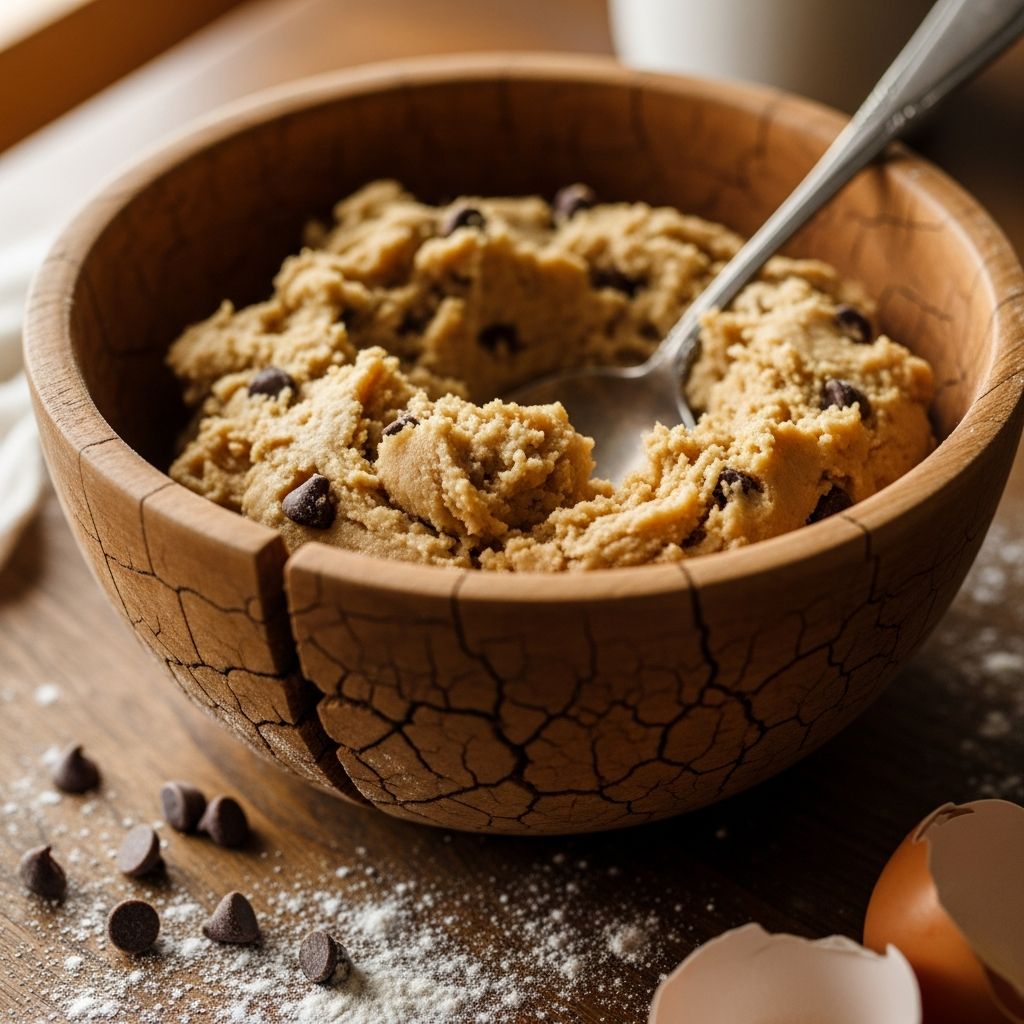
The allure of raw cookie dough is undeniable—creamy, sweet, and packed with chocolate chips, it’s a baker’s guilty pleasure. Yet, this temptation comes with hidden perils that can lead to severe foodborne illness. Health authorities worldwide caution against consuming it due to bacterial contaminants lurking in its key ingredients: uncooked eggs and raw flour.
The Hidden Bacterial Threats in Your Dough
Raw cookie dough isn’t just a harmless snack; it’s a potential breeding ground for dangerous pathogens. Two primary culprits stand out: Salmonella from eggs and E. coli from flour.
Salmonella: The Egg-Linked Menace
Most traditional cookie dough recipes call for raw eggs, which can harbor Salmonella bacteria. These microbes often contaminate eggshells during laying or from infected hens, transferring inside when cracked open. Even pasteurized eggs aren’t foolproof, as bacteria on the exterior can seep in.
Symptoms of Salmonella infection strike 12-72 hours post-consumption, including fever, vomiting, diarrhea, and stomach cramps lasting up to a week. In the U.S., raw or undercooked eggs contribute to about 79,000 illnesses and 30 deaths annually. Severe cases may escalate to hospitalization or sepsis, a life-threatening blood infection.
E. coli: The Surprising Risk from Flour
Flour seems innocuous, but it’s typically raw and untreated to kill bacteria—unlike eggs, which undergo heat sterilization. Contamination occurs in wheat fields from animal feces in soil or water, persisting through harvesting and milling since no cooking step is involved.
Escherichia coli (E. coli) outbreaks tied to flour have sickened dozens; notable U.S. incidents in 2016 and 2019 affected over 80 people from eating or handling contaminated products. Symptoms mirror Salmonella: intense cramps, bloody diarrhea, and vomiting for 5-7 days. Both bacteria can survive in pantry-stored flour for up to a year at room temperature.
| Bacteria | Source in Dough | Common Symptoms | Duration | Annual U.S. Impact (Egg-Related) |
|---|---|---|---|---|
| Salmonella | Raw eggs | Fever, vomiting, diarrhea, cramps | Up to 7 days | 79,000 illnesses, 30 deaths |
| E. coli | Raw flour | Stomach cramps, vomiting, diarrhea | 5-7 days | Outbreaks: 80+ cases (2016-2019) |
Who Faces the Greatest Danger?
Not everyone reacts equally to these pathogens. Certain groups experience amplified risks:
- Pregnant individuals: Salmonella heightens miscarriage or premature birth risks.
- Young children: Immature immune systems make dehydration from diarrhea dangerous; avoid playdough crafts with raw flour.
- Elderly adults: Weaker immunity prolongs recovery and increases hospitalization odds.
- Immunocompromised people: Those with HIV, cancer, or on medications face sepsis or chronic complications.
Even healthy adults aren’t immune—85% of U.S. flour users in one survey were unaware of recalls, and 66% admitted tasting raw dough.
Real-World Outbreaks and Official Warnings
The U.S. Centers for Disease Control and Prevention (CDC) has tracked flour-linked outbreaks in 2016, 2019, 2021, and 2023, prompting recalls of popular brands. The FDA echoes this, advising: “Don’t eat raw dough, and don’t let kids play with it.” Internationally, similar alerts highlight the global issue.
Flour’s long shelf life exacerbates problems; check pantries for recalled items via FDA lists. Commercial cookie dough ice cream uses heat-treated dough, but homemade versions do not—skip adding raw scoops to desserts.
Safe Practices in the Kitchen
Preventing contamination starts with handling:
- Bake dough fully per recipe temperatures to kill germs.
- Wash hands, utensils, bowls, and surfaces with hot, soapy water after touching raw flour or eggs.
- Store raw ingredients away from ready-to-eat foods; flour’s powdery nature spreads easily.
- Avoid tasting any unbaked batters: cookies, cakes, breads, pancakes, or pizza dough.
- For crafts, use cooked or commercial playdough only.
To sterilize flour at home: Spread on a baking sheet, heat at 350°F (175°C) for 5 minutes until it reaches 160°F (70°C) internally. Use pasteurized eggs for lower (but not zero) risk.
Delicious, Risk-Free Alternatives
Craving cookie dough without worry? Opt for edible versions:
- Store-bought edible dough: Brands like Pilikia or Doughp use heat-treated flour and pasteurized eggs—no baking needed.
- DIY egg-free recipe:
- 1 cup heat-treated flour
- ½ cup unsalted butter, softened
- ½ cup sugar
- 2 tbsp milk
- 1 tsp vanilla
- ½ cup chocolate chips
Mix, chill, and enjoy safely.
- Dairy-free twists: Swap butter for coconut oil, milk for almond.
These satisfy the sweet tooth guilt-free, perfect for ice cream mix-ins or straight from the bowl.
Frequently Asked Questions
Can I eat a little raw cookie dough? Isn’t the risk tiny?
No amount is truly safe. Even small tastes can transmit enough bacteria for illness, and vulnerable groups face higher stakes.
Is all-purpose flour safe if organic?
Organic or not, raw flour carries risks—no heat treatment kills field contaminants.
What about vegan cookie dough without eggs?
Vegan skips eggs but not flour risks; always heat-treat flour.
How do stores make safe cookie dough ice cream?
They use specially processed, baked, or irradiated dough safe for raw eating.
Should I throw out my flour after a recall?
Yes—discard recalled products immediately; they have long shelf lives.
Key Takeaways for Safe Baking
Prioritize baking over tasting: Follow recipes precisely, practice hygiene, and choose commercial safe-dough for no-cook fun. Education empowers—share these facts to protect families. While raw dough’s charm endures, health trumps indulgence every time.
References
- Raw Cookie Dough: Is It Safe to Eat? — Healthline. 2023-10-15. https://www.healthline.com/nutrition/raw-cookie-dough
- Raw Flour and Dough | Food Safety — Centers for Disease Control and Prevention (CDC). 2024-05-20. https://www.cdc.gov/food-safety/foods/no-raw-dough.html
- Eating Raw Cookie Dough and Salmonella Infections — WebMD. 2023-08-12. https://www.webmd.com/food-recipes/food-poisoning/eating-raw-cookie-dough-salmonella-infections
- Is the FDA Being Grinch-Like in Raising Concerns about Raw Cookie Dough? — University of Michigan School of Public Health. 2018-12-20. https://sph.umich.edu/pursuit/2018posts/cookiedough-122018.html
- Raw Dough and Batter Concerns — U.S. Food and Drug Administration (FDA). 2023-11-05. https://www.fda.gov/food/buy-store-serve-safe-food/dont-eat-raw-cookie-dough