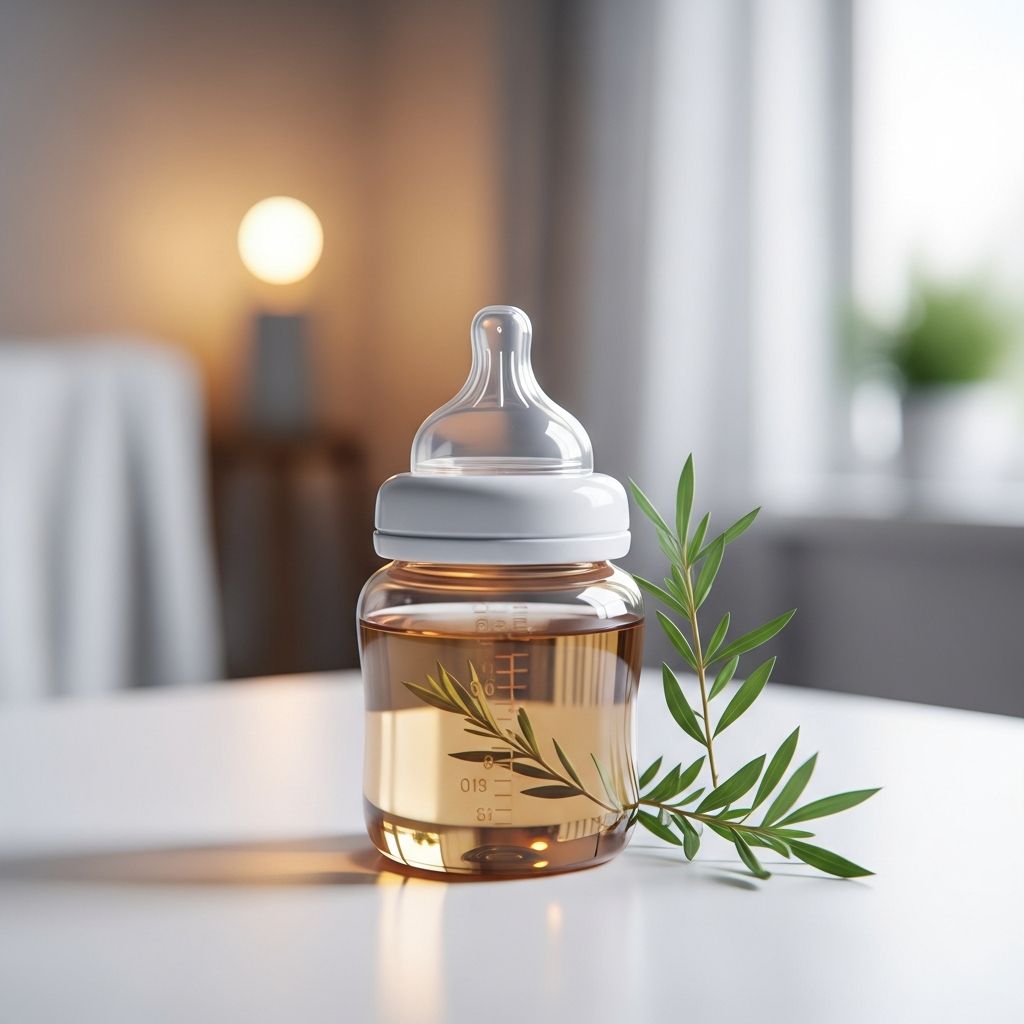
New parents often face the heart-wrenching challenge of a colicky baby, leading many to seek quick relief in over-the-counter remedies like gripe water. Marketed as a natural solution for gas, fussiness, and digestive woes, this herbal tonic has gained popularity despite limited scientific backing. But does it deliver on its promises, or does it pose unnecessary risks to delicate newborn systems? This article delves into the composition, purported advantages, evidence gaps, potential dangers, and expert-endorsed strategies to comfort crying infants safely.
Understanding Infant Colic and Common Discomforts
Colic affects up to one in five newborns, characterized by excessive crying—often more than three hours a day, three days a week—for at least three weeks. Symptoms peak around six weeks and typically resolve by three to four months. While the exact cause remains elusive, theories point to immature digestive systems, gas buildup, food sensitivities, or even overstimulation.
Gas pain manifests as bloating, pulling legs to the chest, and arching the back. Reflux, another frequent culprit, involves stomach contents flowing back up, causing spit-up and irritability. Teething can add to the mix later on. Parents, desperate for calm, turn to gripe water, a liquid blend rooted in 19th-century traditions but reformulated for modern use.
- Key colic signs: Intense, inconsolable crying; facial grimacing; clenched fists.
- Peak periods: Late afternoon to evening, worsening post-feeding.
- Duration: Self-limiting, but exhausting for families.
What Exactly Is in Gripe Water?
Originally containing alcohol and sugar—ingredients now largely phased out—contemporary gripe water features a herbal medley in a sweetened base, usually water or glycerin. Common components include:
| Ingredient | Purported Role | Notes for Infants |
|---|---|---|
| Fennel seed extract | Gas relief, digestion aid | May soothe adult stomachs but unproven in babies |
| Ginger root | Anti-nausea, anti-inflammatory | Limited infant data; potential irritant |
| Chamomile | Calming, anti-spasmodic | Rare allergies possible; not FDA-regulated |
| Lemon balm or licorice | Relaxant, expectorant | Can interact with medications; avoid in excess |
| Baking soda (some brands) | Antacid for reflux | Ineffective for most baby tummy issues |
Sweeteners like agave or sucrose mask the taste, encouraging intake. Brands vary widely; some add peppermint (which may exacerbate reflux) or avoid allergens like dairy and gluten. Unlike medications, gripe water is classified as a dietary supplement, evading strict FDA oversight on purity or efficacy.
Claimed Advantages: Does It Really Work?
Anecdotal reports abound: parents swear by gripe water for quieting fussy babies within minutes. Proponents claim it expels trapped gas, eases teething pain, and promotes better sleep. A sweet dose post-feeding supposedly prevents colic flare-ups.
However, rigorous studies are scarce. No large-scale, randomized trials confirm it alleviates colic or gas. Ingredients like fennel and ginger aid adult digestion via carminative properties—releasing gas—but infants’ gut microbiomes and enzyme levels differ profoundly. One analysis linked gripe water to increased constipation risk, possibly from sweeteners disrupting stool patterns. For reflux, baking soda offers minimal benefit since most cases stem from sphincter immaturity, not excess acid.
“There’s really no scientific evidence that confirms gripe water is safe or effective.” — Pediatric expert, Cleveland Clinic
Placebo effects or natural crying cycles may explain perceived successes. If it calms your baby without harm, some doctors tolerate it—but they prioritize evidence-based alternatives.
Safety Concerns and Hidden Dangers
While alcohol-free versions seem benign, risks loom large for vulnerable newborns. Bacterial contamination has triggered recalls: a cryptosporidium outbreak caused severe diarrhea in a six-week-old, and undissolved particles posed choking hazards. Heavy metals like lead or mercury have tainted herbal supplements, leading to poisoning.
Premature prelacteal feeds—anything but breast milk—can delay lactation, reduce milk supply, and invite allergies or infections. The World Health Organization urges exclusive breastfeeding for six months, yet surveys show 64% of UK mothers and 30% in Nigeria use gripe water routinely. Allergic reactions (hives, swelling, breathing issues) arise from herbs, demanding immediate medical attention.
Other side effects include vomiting, increased fussiness, or worsened constipation. Infants under one month, with underdeveloped immunity and kidneys, face amplified dangers. Pediatricians caution: benefits rarely outweigh these uncertainties.
Expert Recommendations: What Do Pediatricians Say?
Most child health authorities, including the American Academy of Pediatrics, do not endorse gripe water due to insufficient proof and safety lapses. Instead, they advocate the “five S’s” for soothing:
- Swaddle: Secure wrapping mimics the womb.
- Side/stomach position: Holding sideways or tummy-down (never for sleep).
- Shush: White noise louder than crying.
- Swing: Gentle motion via rocking or carriers.
- Suck: Pacifiers or thumb for self-soothing.
Probiotics (Lactobacillus reuteri) show promise for breastfed colic babies in trials. Dietary tweaks for nursing moms—cutting dairy or caffeine—help some. Burping techniques, bicycle legs, and tummy time expel gas effectively. Simethicone drops target bubbles without systemic absorption. Always consult a doctor to rule out underlying issues like intolerances or infections.
Practical Tips for Administering Gripe Water (If You Choose To)
If opting in after pediatrician approval:
- Verify age suitability (typically post-2 weeks; avoid under 1 month).
- Follow dosage precisely: e.g., ½ tsp for under 1 month, 1 tsp up to 6 months.
- Administer 10-15 minutes post-feed via dropper against cheek.
- Shake well; store refrigerated if required.
- Monitor for reactions; discontinue at first sign of distress.
Select reputable brands tested for contaminants. Never mix with milk unless specified.
Proven Alternatives to Gripe Water
| Method | How It Helps | Evidence Level |
|---|---|---|
| Simethicone gas drops | Breaks gas bubbles | Moderate; safe OTC |
| Probiotics | Balances gut flora | Strong for breastfed infants |
| Massage + warm bath | Relaxes muscles, aids digestion | Anecdotal + clinical support |
| Hypoallergenic formula switch | Addresses sensitivities | High if allergies suspected |
| Chiropractic or osteopathy | Improves gut motility | Emerging; use cautiously |
These options prioritize safety and often yield better long-term results.
Frequently Asked Questions About Gripe Water
Is gripe water FDA-approved?
No, it’s a supplement, not a drug, so it lacks federal safety and efficacy testing.
Can gripe water cause constipation?
Yes, studies associate it with higher constipation rates, possibly from sugars.
How quickly does gripe water work?
Anecdotally, 5-15 minutes; no guaranteed timeline due to lack of evidence.
Is it safe for newborns under 1 month?
Generally not recommended; their systems are too immature.
What if my baby has an allergic reaction?
Seek emergency care for swelling, breathing issues, or hives.
Does gripe water help with teething?
Unproven; safer gels or cold teething rings exist.
Navigating infant distress tests parental resilience. While gripe water tempts with tradition and testimonials, scant evidence and real risks urge caution. Empower yourself with proven, gentle methods—your baby’s health depends on informed choices. Consult professionals for tailored advice.
References
- Is gripe water baby-friendly? — PMC – NIH. 2012-05-26. https://pmc.ncbi.nlm.nih.gov/articles/PMC3356971/
- Is Gripe Water Safe for Babies? — Cleveland Clinic Health Essentials. 2023-08-15. https://health.clevelandclinic.org/gripe-water-for-babies
- Gripe Water: Ingredients, Benefits, & Side Effects — WebMD. 2024-02-10. https://www.webmd.com/baby/what-is-gripe-water
- How to Use Gripe Water to Soothe Your Baby — Healthline. 2023-11-05. https://www.healthline.com/health/parenting/gripe-water-for-babies
- WHO Guidelines on Infant Feeding — World Health Organization. 2023-06-01. https://www.who.int/health-topics/breastfeeding#tab=tab_1