Iron stands as a cornerstone mineral essential for transporting oxygen throughout the body, fueling energy production, and maintaining robust immune function. Without sufficient intake, individuals may experience fatigue, weakened immunity, and risks of anemia. This guide explores diverse food sources of iron, distinguishes between easily absorbed heme and plant-based non-heme forms, and offers practical strategies to maximize nutrient uptake through diet.
Understanding Iron’s Vital Role in Daily Wellness
The human body relies on iron to form hemoglobin, the protein in red blood cells that carries oxygen from the lungs to tissues. Iron also supports myoglobin, which stores oxygen in muscles, and participates in DNA synthesis and enzyme functions. Deficiency affects billions worldwide, particularly women, children, and vegetarians, leading to symptoms like tiredness, pale skin, shortness of breath, and cognitive impairments.
Daily requirements vary: adult men need 8 mg, premenopausal women 18 mg, pregnant women 27 mg, and children 7-15 mg depending on age. Lactating women require 9-10 mg. These figures come from health authorities emphasizing consistent dietary sources over supplements unless prescribed.
Heme Iron: The Highly Absorbable Powerhouse from Animal Products
Heme iron, derived from hemoglobin and myoglobin in animal tissues, boasts absorption rates of 15-35%, far surpassing non-heme iron. It remains unaffected by dietary inhibitors, making it ideal for quick replenishment.
Prime sources include:
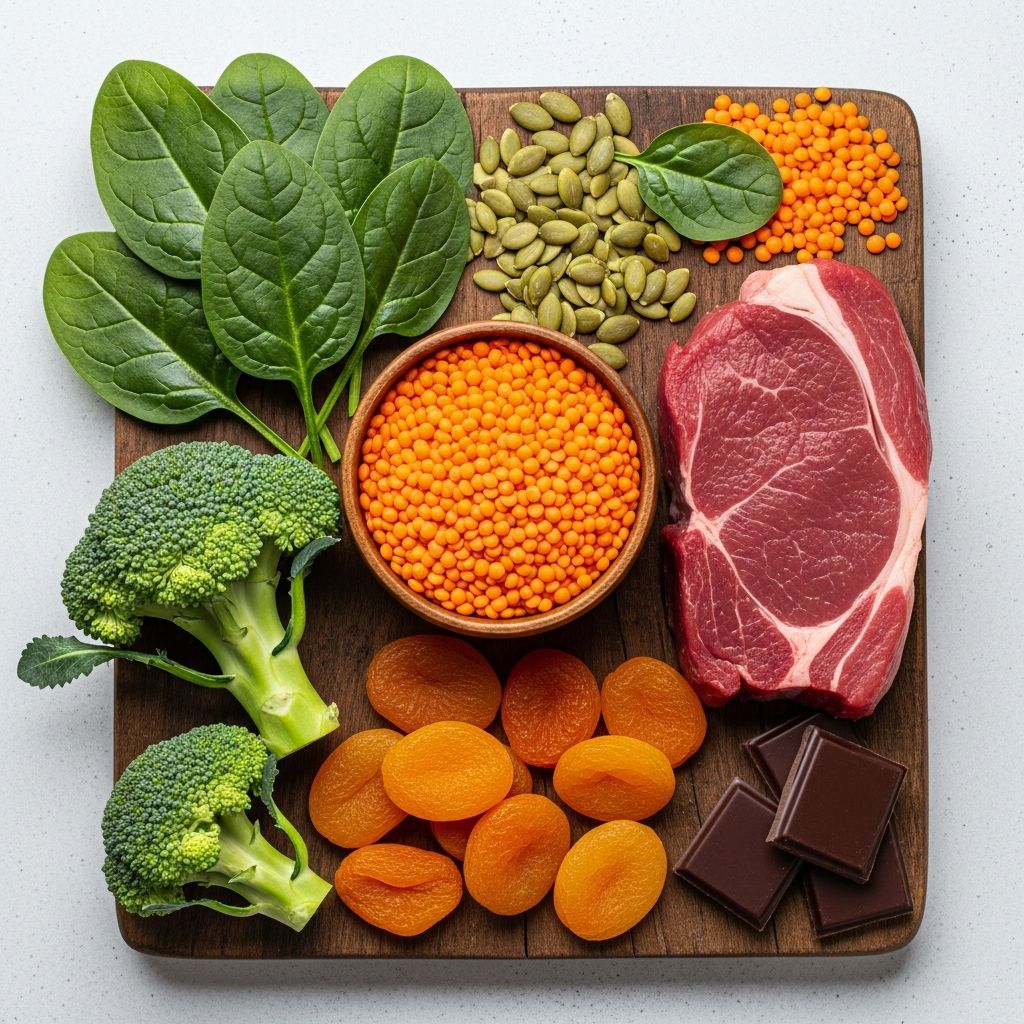
- Red meats like beef, lamb, and pork: A 3 oz serving of lean beef delivers about 2.5-3 mg, with darker cuts offering more.
- Organ meats such as liver: Chicken or beef liver provides up to 10-12 mg per 3 oz, though moderation is advised due to vitamin A content, especially in pregnancy.
- Poultry: Turkey dark meat (2 mg per 3 oz) and chicken (1.1 mg per breast) contribute steadily.
- Seafood: Clams (24 mg per 3 oz), oysters (8-11 mg), tuna (1.3 mg), salmon, sardines, and shrimp pack heme iron alongside omega-3s.
Incorporate these into stir-fries, grilled skewers, or stews for family meals that naturally elevate iron status.
Non-Heme Iron: Plant-Powered Options for Everyone
Non-heme iron from plants absorbs at 2-20% but can meet needs with strategic pairing. It’s prevalent in vegetarian diets and fortified products, supporting sustainable eating.
| Food Category | Examples | Iron per Serving (approx.) |
|---|---|---|
| Legumes | Lentils (3.5 mg/½ cup), chickpeas, kidney beans (2.6-3.9 mg), soybeans, tofu (3.4 mg/½ cup) | High |
| Dark Leafy Greens | Spinach (3 mg/½ cup cooked), kale, collards (1.2 mg), Swiss chard (2 mg) | Moderate |
| Nuts & Seeds | Pumpkin seeds, sesame, flax (1-2 mg/oz), almonds, cashews | Moderate |
| Grains & Fortified | Oatmeal, whole wheat bread, enriched cereals, quinoa | Variable |
| Dried Fruits | Raisins, apricots, prunes, figs (1-2 mg/½ cup) | Good snack |
These foods shine in salads, soups, and smoothies. For instance, lentil curry or spinach smoothies provide substantial non-heme iron.
Maximizing Iron Uptake: Key Pairing and Avoidance Strategies
Absorption hinges on meal composition. Vitamin C dramatically enhances non-heme iron uptake by reducing it to a more absorbable form. Pair spinach salad with bell peppers, strawberries, or citrus; lentil soup with tomatoes or kiwi.
Inhibitors like calcium (dairy), phytates (whole grains), polyphenols (tea, coffee), and oxalates (some greens) block absorption. Space dairy or tea 1-2 hours from iron meals. Cooking in cast-iron pans adds trace iron, especially to acidic foods.
- Enhancers: Vitamin C foods (oranges, broccoli, peppers).
- Avoid: Milk with iron-rich meals; opt for plant milks.
Customizing Iron Intake for Life Stages and Diets
For Growing Children and Teens
Kids aged 4-8 need 10 mg daily; teens up to 15 mg. Favorites like fortified cereals, peanut butter on whole grain, eggs, and bean burritos work well. Sneak spinach into pizzas or smoothies.
Women’s Needs: Pregnancy and Menstruation
High demands during pregnancy (27 mg) and heavy periods necessitate heme sources like lean meats and fortified grains. Prenatal vitamins help, but food-first approach prevents constipation.
Vegetarian and Vegan Approaches
Aim for 1.8 times higher intake due to lower absorption. Combine quinoa with peppers, tofu stir-fry with broccoli, or hummus with veggie sticks. Fortified cereals and nutritional yeast boost totals.
Practical Meal Plans to Hit Iron Targets
Sample daily menu for 18 mg intake:
- Breakfast: Oatmeal with raisins, almonds, and orange slices (4 mg).
- Lunch: Lentil salad with spinach, tomatoes, bell peppers (6 mg).
- Snack: Hummus with carrots and strawberries (2 mg).
- Dinner: Grilled chicken, broccoli, quinoa (6 mg).
Weekly tips: Batch-cook bean chilis, roast root veggies with seeds, make trail mix with dried fruits.
Signs of Deficiency and When to Seek Help
Persistent fatigue, dizziness, cravings for ice (pica), restless legs, or brittle nails signal low iron. Blood tests confirm ferritin and hemoglobin levels. Consult doctors before supplements to avoid overload risks like organ damage.
Frequently Asked Questions (FAQs)
Can cooking in cast iron increase dietary iron?
Yes, especially with acidic foods like tomato sauce, adding 1-2 mg per serving over time.
Is liver safe for everyone?
Rich in iron but high in vitamin A; pregnant women should avoid, others limit to once weekly.
How much vitamin C do I need with iron foods?
Just 25-75 mg (e.g., one orange) can double non-heme absorption.
Are fortified cereals a good iron source?
Yes, providing 18 mg per serving often, but choose low-sugar options and pair with fruit.
Does exercise increase iron needs?
Athletes may require 30% more due to sweat loss and foot-strike hemolysis.
References
- Iron: Food Sources, Benefits, Recommended daily intake — Medpark Hospital. 2023. https://www.medparkhospital.com/en-US/lifestyles/health-benefits-of-iron
- Top Iron-Rich Foods You May Already Have in Your Pantry — San Diego Blood Bank. 2023. https://sandiegobloodbank.org/top-iron-rich-foods-you-may-already-have-your-pantry/
- 52 Foods High In Iron — Cleveland Clinic. 2023-10-12. https://health.clevelandclinic.org/how-to-add-more-iron-to-your-diet
- Foods high in iron — healthdirect.gov.au. 2024. https://www.healthdirect.gov.au/foods-high-in-iron
- Iron-Rich Foods | Red Cross Blood Services — American Red Cross. 2024. https://www.redcrossblood.org/donate-blood/blood-donation-process/before-during-after/iron-blood-donation/iron-rich-foods.html
- Iron – Vitamins and minerals — NHS.uk. 2023-11-02. https://www.nhs.uk/conditions/vitamins-and-minerals/iron/
- Iron Rich Foods — Cedars-Sinai. 2022. https://www.cedars-sinai.org/content/dam/cedars-sinai/programs-and-services/blood-donor/documents/iron-rich-foods.pdf