Irish names carry the soul of a nation steeped in mythology, history, and resilient spirit. Rooted in ancient Gaelic traditions, these names often draw from nature, warriors, saints, and legendary figures, offering parents a way to honor heritage while embracing uniqueness. Whether you’re seeking a bold choice for a boy or a melodic option for a girl, Irish names blend poetic sounds with profound meanings. This guide uncovers their origins, evolutions, and enduring popularity, helping you select a name that resonates across generations.
The Ancient Roots of Irish Naming Traditions
Irish nomenclature traces back over a millennium, with the earliest surnames emerging around 920 AD in Gaelic Ireland. Names like O’Clery (Ó Cléirigh), meaning ‘descendant of the cleric,’ mark the beginning of hereditary identifiers using ‘Ó’ for descendant or ‘Mac’ for son. Ogham inscriptions from the 5th and 6th centuries reveal Primitive Irish names such as Conall (from Conovalos) and Niall, which persist today with minor spelling shifts. These ancient markers, carved on stones around the Irish Sea, linked letters to tree names in the Celtic Tree Alphabet, symbolizing nature’s enduring influence on identity.
During the Early Middle Ages, names like Fergus (‘man of strength’) and Aoife (evolving from Aífe around 1200 AD) gained prominence alongside Saint Patrick’s era. Norse influences introduced names like Lochlainn (‘lakeland’ or ‘fiordland’), adopted by locals from Viking invaders. The English conquest anglicized many, transforming Máirtín Tom Sheáinín (Martin, son of Tom, son of little Seán) into simpler forms, yet Gaelic essence survived in Gaeltacht regions. By 1850, naming shifted from familial repetition to personal choice, incorporating biblical, literary, and adventurous picks, expanding options dramatically.
Why Irish Names Captivate Modern Parents
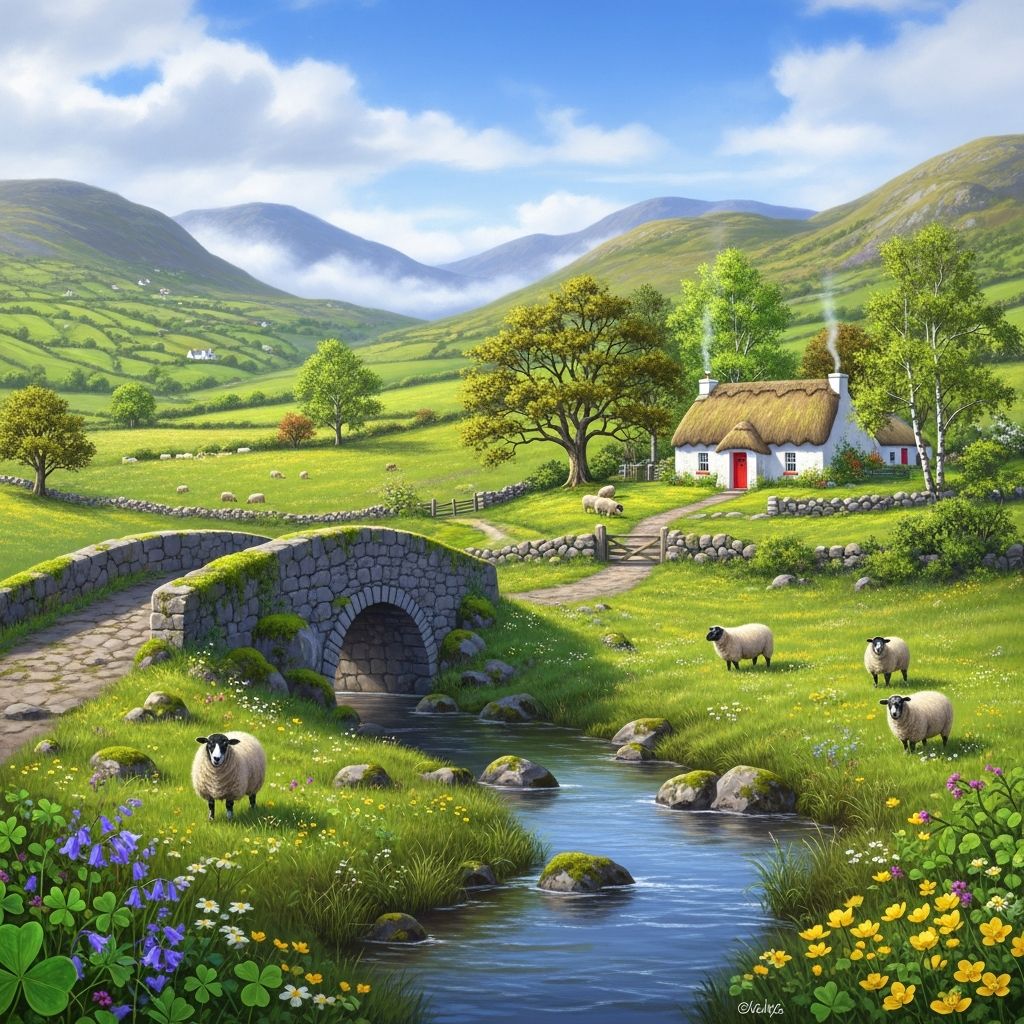
Today, Irish names thrive due to their lyrical quality, strong consonants, and soft vowels that roll off the tongue. They evoke emerald landscapes, Celtic myths, and a sense of adventure. Popularity data shows Gaelic names holding firm in top 100 lists in Ireland, with Conall reviving ancient roots and Polish influences like Patryk emerging alongside Jack and Emily. Globally, names like Finn and Saoirse top charts for their exotic yet accessible appeal. Parents choose them for cultural pride, uniqueness amid common names, and connections to famous bearers in music, sports, and film.
- Heritage Connection: Links to ancestry, especially for diaspora families.
- Sound and Style: Melodic pronunciation suits international use.
- Meaningful Depth: Each name tells a story of strength, beauty, or wisdom.
- Versatility: Short forms like Finn or Roisin work in any era.
Classic Irish Boy Names with Powerful Meanings
Irish boys’ names often celebrate warriors, poets, and nature’s might. Here’s a curated selection of timeless options, each with Gaelic origins and modern relevance.
| Name | Meaning | Pronunciation | Historical Note |
|---|---|---|---|
| Finn | Fair or white-haired (from Fintan) | Fin | Mythical survivor of Ireland’s Great Flood; popular in Scandinavia via Norse adoption. |
| Tadhg | Poet or storyteller | Tig | Thrives in Kerry and Cork; embodies bardic tradition. |
| Eoghan | Well-born or youthful warrior | Oh-an | Ancient, anglicized as Eugene; linked to ‘god of arms’. |
| Conall | Strong wolf | Con-al | Ogham survivor from Conovalos, seeing revival. |
| Pádraig | Noble or patrician | Paw-drig | Patron saint-inspired; enduring classic. |
| Lochlainn | Lakeland warrior | Lock-lan | Norse import, anglicized as Loughlin. |
| Niall | Champion | Neel | High kings’ name, unchanged for centuries. |
| Fergus | Man of strength | Fer-gus | Early medieval favorite. |
These names suit boys destined for leadership, with nicknames like Tad or Finn adding casual charm.
Enchanting Irish Girl Names Inspired by Myth and Nature
Girls’ names in Irish tradition shimmer with floral, radiant, and mythical vibes, perfect for evoking grace and mystery.
| Name | Meaning | Pronunciation | Historical Note |
|---|---|---|---|
| Aoife | Beauty or radiance | Ee-fa | Evolved from Aífe; legendary warrior princess. |
| Róisin | Little rose | Ro-sheen | Gaelic roots; variants include Rosie; borne by musician Róisin Murphy. |
| Siobhán | God is gracious | Shi-vawn | Celtic equivalent of Jeanne; timeless elegance. |
| Saoirse | Freedom | Seer-sha | Modern symbol of independence; rising star. |
| Éibhlín | Sunlight or desired | Ay-leen | Anglo-Norman import; famed in song ‘Eibhlín A Rúin’. |
| Úna | Lamb or famine (debated) | Oo-na | Ancient, linked to Connaught royalty. |
| Fionnuala | Fair-shouldered | Fin-noo-la | Mythical; endures from Ogham era. |
| Étain | Jealousy or shining | Ay-tin | Ancient mythological figure. |
These choices offer femininity with fortitude, ideal for daughters who light up rooms.
Reviving Rare Irish Names for Unique Flair
Beyond top picks, lesser-known gems like Domhnall (‘world ruler,’ pronounced Don-al) for boys or Niamh (‘bright,’ Neev) for girls provide exclusivity. Delgéis and Baothghalach faded post-medieval, but revivals like Conall show trends cycling back. Consider pairings: Finn Éoghan or Saoirse Róisin for rhythmic middle names. Anglicized forms (Eileen for Éibhlín) ease global use, while full Gaelic honors purity.
Trends and Tips for Choosing Your Irish Name
Current surges favor short, punchy names like Jack (Seán) and Chloe (from Caoimhe influences), mirroring UK ties. For 2026, expect more nature-inspired revivals amid eco-awareness. Tips:
- Test pronunciation with family and friends.
- Check initials for acronyms.
- Research surname harmony, e.g., Ó or Mac prefixes.
- Explore myths via primary tales for deeper bonds.
Gender-neutral options like Riley (Raghallaigh, valiant) bridge traditions.
Frequently Asked Questions About Irish Baby Names
What makes Irish names unique?
They stem from Gaelic, Norse, and Celtic roots, featuring poetic meanings tied to nature, myths, and virtues, with resilient history through anglicization.
Are Irish names hard to pronounce?
Many have simple anglicized versions (e.g., Finn, Shay for Séamus), but Gaelic forms like Siobhán add exotic flair with practice.
Which Irish name is most popular now?
Boys: Finn, Jack; Girls: Saoirse, Róisin—blending tradition and modernity in Ireland and abroad.
Can non-Irish families use these names?
Absolutely; their global appeal transcends heritage, embraced worldwide for beauty and strength.
How do Irish surnames connect to first names?
Surnames like Mac/Mc (‘son of’) or Ó (‘descendant’) often derive from ancient first names, creating full lineage stories.
Embracing Irish Names in Your Family Legacy
Selecting an Irish name weaves your child into a tapestry of saints, heroes, and poets. From Ogham stones to today’s playgrounds, these names endure, promising stories for bedtime tales and proud identities. Whether Conall the wolf-strong or Aoife the radiant, each choice celebrates Ireland’s vibrant legacy. As naming evolves, Irish options remain a bridge between past and future, offering timeless elegance for the next generation.
References
- Irish Baby Names: Where Did They Come From? A Short History — Old Moore’s Almanac. N/A. https://oldmooresalmanac.com/irish-baby-names-whats-in-a-name-history-of-irish-names/
- The Great Evolution of Irish Surnames – Where Does Yours Fit — A Letter from Ireland. N/A. https://www.aletterfromireland.com/the-evolution-of-irish-surnames-where-your-irish-surname-fits/
- Irish Names – origins and meanings — Library Ireland. N/A. https://www.libraryireland.com/Names.php
- Irish Names & Surnames — Irish Family History Centre. N/A. https://www.irishfamilyhistorycentre.com/article/irish-names-surnames/
- List of Irish-language given names — Wikipedia (informational). N/A. https://en.wikipedia.org/wiki/List_of_Irish-language_given_names