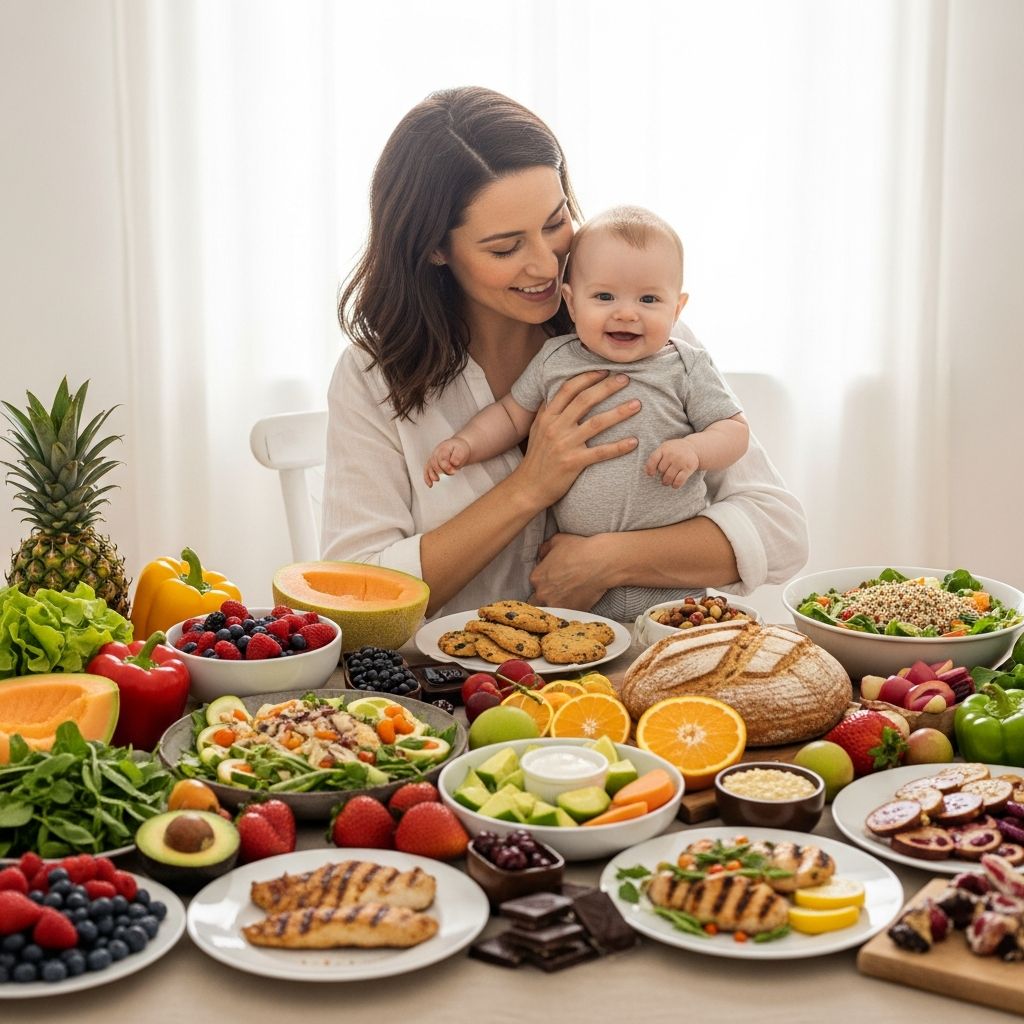
Becoming a mother often brings profound shifts in perspective, especially around food and body image. Many women discover that nurturing a child extends beyond caregiving—it sparks a personal journey toward reconciling long-held tensions with eating. This transformation frequently involves letting go of rigid dieting rules and embracing a more compassionate, intuitive approach to nourishment.
The Shift from Restriction to Nourishment
Pregnancy and postpartum periods demand energy in unprecedented ways. Hormones fluctuate, bodies recover, and lactation requires substantial calories. These realities force a reevaluation of food’s role, moving it from an enemy to be controlled to a vital ally. Women who once obsessed over calorie counts find themselves prioritizing sustenance that supports milk production and emotional stability.
This phase highlights how diets fail under real-life pressures. Restrictive plans crumble when midnight feedings strike hunger pangs or fatigue dulls willpower. Instead, listening to internal cues—hunger, fullness, satisfaction—emerges as a sustainable strategy. Motherhood teaches that food must fuel not just survival, but thriving amid chaos.
Rediscovering Intuitive Eating Principles
Intuitive eating offers a framework that resonates deeply with new mothers. Developed by registered dietitians Evelyn Tribole and Elyse Resch, it counters diet culture’s pitfalls through ten principles. These include rejecting the diet mentality, honoring hunger, and making peace with all foods.
- Reject diet mentality: Ditch the cycle of yo-yo dieting that promises quick fixes but delivers frustration.
- Honor hunger: Eat when your body signals need, preventing overeating from ignored cues.
- Make peace with food: Give yourself unconditional permission to eat, reducing food’s emotional power.
- Challenge the food police: Silence the inner critic labeling foods as good or bad.
- Respect fullness: Pause when satisfied, not stuffed.
Adopting these shifts mindset from punishment to pleasure. New moms report freedom in choosing meals based on craving rather than rules, leading to balanced intake without tracking.
Breaking Generational Patterns
Family dynamics profoundly shape food attitudes. Daughters often inherit mothers’ anxieties—picking low-fat options, voicing weight concerns at meals, or restricting portions prematurely. Recognizing these influences empowers change. A simple exercise involves listing inherited messages in one column and desired alternatives in another.
| Inherited Message | New Choice |
|---|---|
| “No seconds or you’ll gain weight.” | “Eat until comfortably full.” |
| “Carbs are the enemy.” | “All foods fit in moderation.” |
| “Finish everything on your plate.” | “Listen to your body’s signals.” |
This reflection fosters autonomy. Mothers healing their relationships model resilience, showing children that food battles can be overcome. Brene Brown’s insight rings true: owning your story allows crafting a new ending.
Modeling Healthy Habits for Your Children
Children mirror parental behaviors around the table. When moms demonstrate enjoyment of diverse foods without guilt, kids develop adventurous palates. Conversely, visible restriction breeds fear or rebellion.
Key strategies include:
- Serving family-style meals to normalize variety.
- Verbalizing positive experiences: “This apple is so crisp and sweet!”
- Avoiding body comments; focus on function and flavor.
- Offering new foods repeatedly—up to 20 exposures may be needed for acceptance.
By eating mindfully ourselves, we teach kids to tune into appetite cues. Ellyn Satter’s division of responsibility model advises parents handle what, when, and where of eating, while children decide how much and whether. This prevents overriding natural regulators distorted by adult interferences like distraction or pressure.
Pregnancy as a Catalyst for Change
Pregnancy amplifies food’s significance. Cravings signal nutrient needs; aversions protect from harms. Postpartum, breastfeeding moms require 300-500 extra daily calories, underscoring nourishment’s primacy. Many use this time to experiment freely, eating previously forbidden items without repercussion.
One common arc: initial indulgence post-restrictions, followed by natural moderation as satisfaction returns. Weight may fluctuate, but mental liberty endures—no more macro obsession or gym guilt. This freedom extends to outings, where cheeseburgers or salads both feel viable choices.
Overcoming Postpartum Diet Pressures
Society pushes rapid “bounce back,” tempting rebound dieting. Yet evidence shows such efforts harm milk supply, mood, and metabolism. Intuitive approaches yield better long-term health, stabilizing weight through attuned eating.
Mindful practices help: savoring bites amid busyness, even briefly, boosts satisfaction and nutrient absorption. Over time, this rebuilds trust in body wisdom eroded by years of external rules.
Practical Steps to Food Peace
Transitioning requires patience. Start small:
- Track triggers: Note emotions tied to food thoughts.
- Stock neutrally: Fill pantry with favorites sans judgment.
- Practice permission: Eat a “fear food” weekly until neutral.
- Move joyfully: Exercise for energy, not atonement.
- Seek support: Join communities or consult dietitians specializing in intuitive eating.
Progress isn’t linear; slips happen, but compassion accelerates healing. Mothers often find greatest reward in daughters confidently enjoying meals, free from inherited shadows.
The Lasting Impact on Family Well-Being
Healthy food relationships ripple outward. Kids with positive modeling show lower disordered eating risks, better self-esteem, and resilient body images. Families bond over shared, pressure-free meals, strengthening ties.
Moms gain vitality for parenting demands, modeling self-care that inspires children. This legacy—freedom over fear—proves motherhood’s profound gift.
Frequently Asked Questions
What is intuitive eating, and is it safe during postpartum recovery?
Intuitive eating is a non-diet approach emphasizing body cues over rules. It’s safe postpartum, supporting hormone balance and energy needs better than restrictions.
How can I help my picky eater without forcing food?
Offer variety regularly in low-pressure settings, let them decide intake, and model enjoyment. Persistence pays off over repeated exposures.
Will intuitive eating cause weight gain?
Initial fluctuations may occur as restrictions lift, but long-term, attuned eating stabilizes weight naturally without obsession.
How do I discuss food with my own mother who’s diet-focused?
Gently share your journey via the two-column exercise, focusing on choices rather than criticism to honor while evolving.
Can single dads or non-birthing parents apply these principles?
Absolutely—anyone parenting benefits from modeling intuitive habits, breaking cycles for all children regardless of caregiver gender.
References
- Intuitive Eating: A Revolutionary Anti-Diet Approach — Evelyn Tribole and Elyse Resch. 1995 (updated editions through 2020). https://www.intuitiveeating.org/
- Division of Responsibility in Feeding — Ellyn Satter Institute. 2023-10-15. https://www.ellynsatterinstitute.org/
- Mothers and Daughters: Healing Your Relationship with Food — Angie Viets. 2022-05-20. https://www.angieviets.com/articles/mothers-and-daughters-healing-your-relationship-with-food
- Making Peace With Food Like Your Family Depends On It — Crystal Karges. 2023-08-12. https://www.crystalkarges.com/blog/making-peace-with-food-like-your-family-depends-on-it
- How Motherhood Helped Me Make Peace with Food + Diets — Motherly. 2024-02-14. https://www.mother.ly/life/how-motherhood-helped-me-make-peace-with-food-diets/