Becoming a new mother brings immense joy alongside relentless demands that can overwhelm anyone, especially introverts who recharge through solitude. This guide equips introverted moms with tailored strategies to navigate early parenthood, preserve mental energy, and foster deeper family connections without burnout.
Understanding Introversion in the Parenting Landscape
Introverts process the world internally, gaining energy from quiet reflection rather than social interaction. In motherhood, where days fill with feeding, soothing, and constant presence, this trait clashes with expectations of endless engagement. Recognizing this mismatch is foundational: introversion isn’t a flaw but a wiring that, when honored, enhances parenting quality.
Early motherhood amplifies sensory overload—crying babies, unpredictable schedules, and visitor influxes drain introverted reserves quickly. Studies from the American Psychological Association highlight how unmet need for solitude correlates with heightened stress in parents. By contrast, embracing introverted needs leads to more patient, present caregiving.
Recognizing Your Energy Signals
Introverted moms often ignore depletion until irritability or withdrawal surfaces. Common signs include snapping at minor disruptions, craving isolation mid-activity, or feeling mentally foggy during playtime. These aren’t personal failings but biological cues signaling low energy, akin to a device’s low battery warning.
- Physical cues: Tension headaches, exhaustion despite rest, or muscle tightness from overstimulation.
- Emotional cues: Heightened frustration, emotional numbness, or sudden tears over small issues.
- Behavioral cues: Avoiding eye contact, shortening interactions, or zoning out during conversations.
Tune into these early. Journaling daily energy levels for a week reveals patterns, empowering proactive recharging over reactive crashes.
Building Solitude into Daily Routines
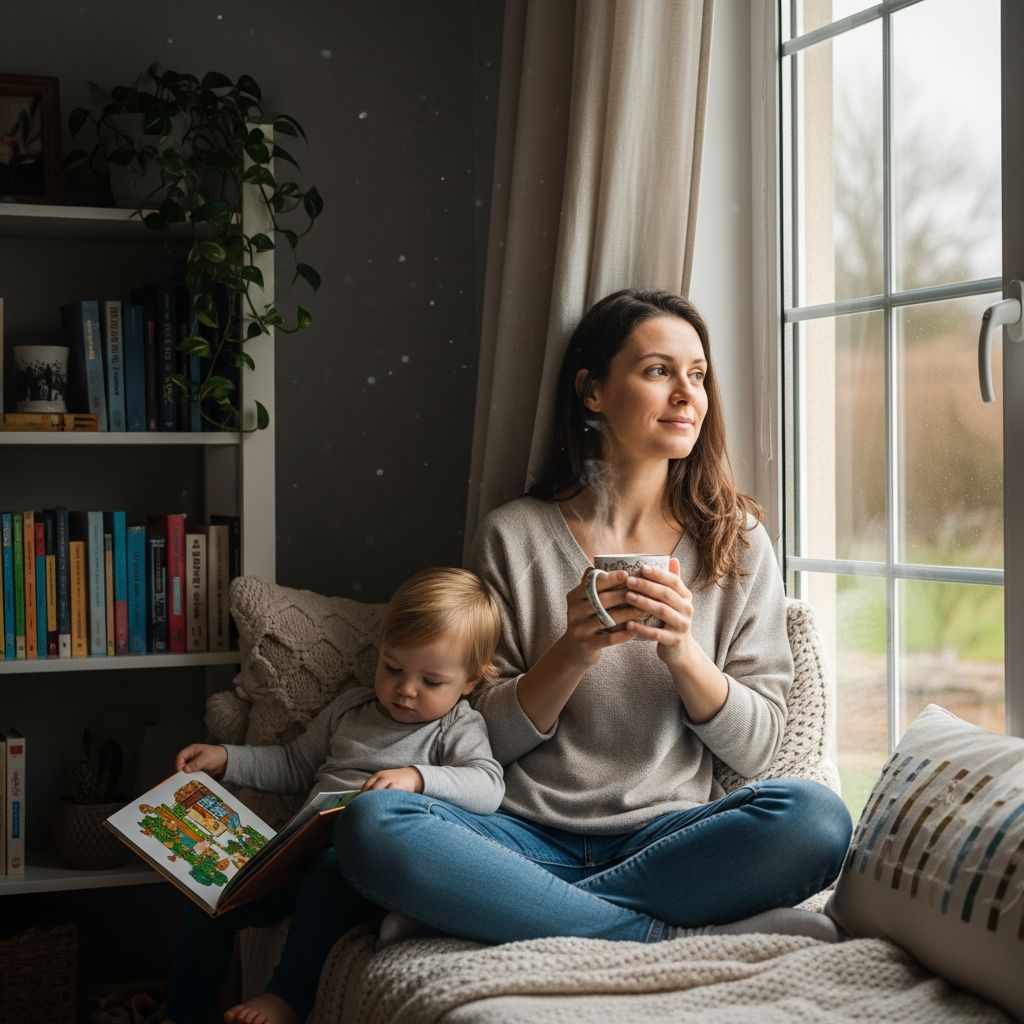
Schedule solitude like medical appointments—non-negotiable amid chaos. Even 15 minutes daily sustains energy for the marathon of motherhood.
| Time Slot | Activity Idea | Benefits |
|---|---|---|
| Early Morning (5-6 AM) | Quiet coffee with journaling | Sets calm tone, processes overnight thoughts |
| Nap Time | Noise-canceling headphones + meditation | Blocks noise, restores mental clarity |
| Evening Wind-Down | Bath or reading post-bedtime | Decompresses from day’s stimuli |
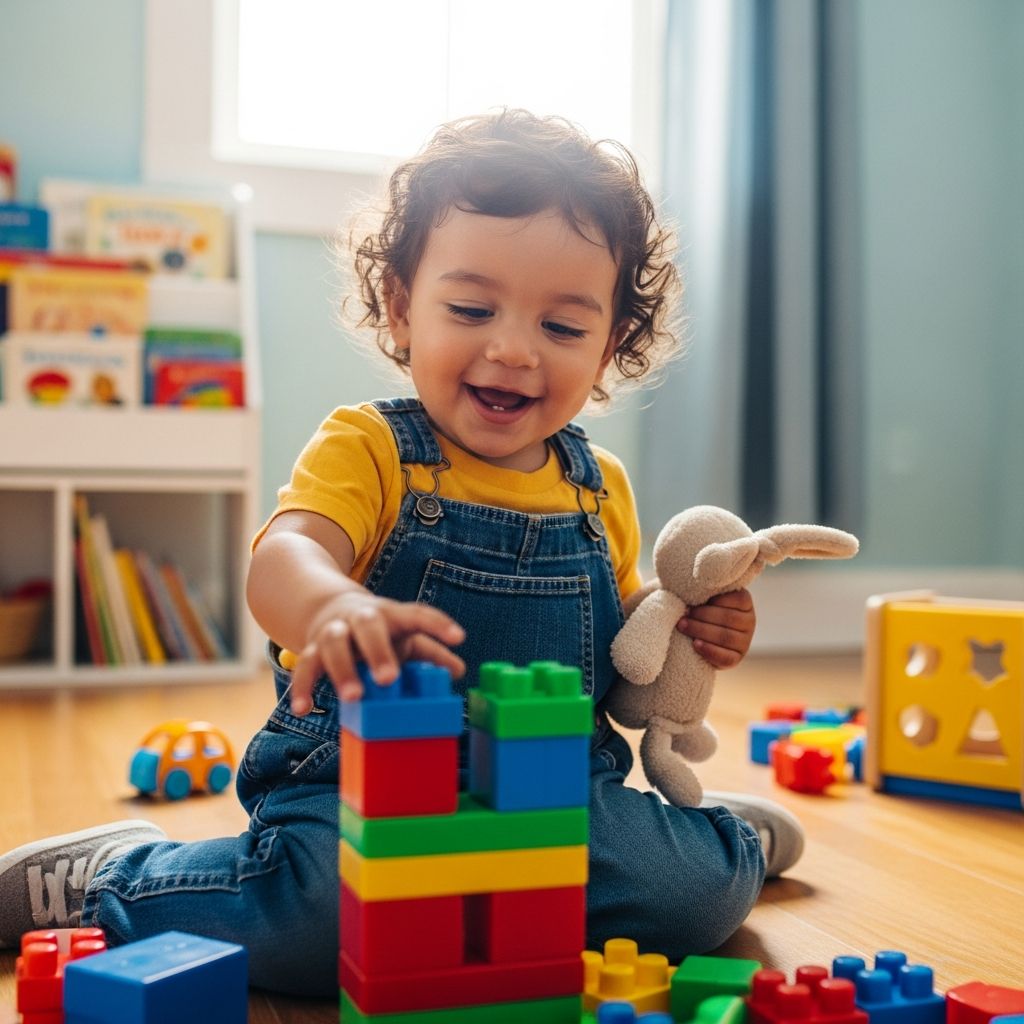
For non-nappers, enforce ‘independent play’ periods: 30-45 minutes where kids engage solo in rooms with books or toys. This isn’t selfish—it’s essential for modeling healthy boundaries to children.
Mastering Boundaries and Communication
Saying ‘no’ feels counterintuitive in motherhood’s giving culture, yet it’s vital for introverts. Communicate needs kindly: ‘I need 20 minutes alone to recharge so I can be fully present later.’ Partners and family respond better to clear, non-apologetic requests.
Strategies include:
- Tag-teaming weekends: Alternate solo outings with partner handling kids.
- Declining non-essential invites: Opt for low-key park visits over crowded playgroups.
- Visitor protocols: Limit guests to short windows, preparing phrase like, ‘Great to see you—baby’s nap starts soon.’
The National Institute of Mental Health notes boundary-setting reduces parental anxiety significantly. Practice scripts aloud to build confidence.
Strategic Socializing for Introverted Moms
Social demands peak in new motherhood—playdates, classes, mom groups. Choose wisely to minimize drain:
- Playdates: One-on-one at home or parks, not group events.
- Classes: Shorter sessions (30 mins) focused on baby-led activities.
- Friendships: Seek fellow introverts via online forums for low-pressure bonds.
Prepare exit strategies: ‘This has been lovely—time for our routine.’ Quality trumps quantity in connections.
Leveraging Strengths of Introverted Parenting
Introverts excel in deep listening, thoughtful guidance, and creating cozy home environments. Channel this: Narrate emotions during calm moments to build kids’ emotional intelligence. Your reflective nature fosters secure attachments through consistent, quality one-on-one time.
Research from the Journal of Personality and Social Psychology shows introverted parents often raise more independent children due to encouraged solo play. Celebrate these gifts amid societal extrovert bias.
Self-Care Rituals Tailored for Moms
Beyond solitude, nurture with simple, accessible rituals:
- Nature walks: Stroller pushes in quiet trails recharge via gentle movement.
- Mindful breathing: 5-minute apps during feeds calm nervous systems.
- Creative outlets: Sketching or podcasts while kids play nearby.
- Nutrition boosts: Energy-sustaining snacks like nuts prevent crashes.
Integrate family rituals too—dim lights for storytime create shared calm without depletion.
Navigating Partner Dynamics
If partnered with an extrovert, differences amplify: They thrive on group fun; you need quiet. Discuss openly: ‘High-energy outings weekly, balanced with home evenings.’ Compromise prevents resentment—your calm balances their enthusiasm, modeling healthy relationships.
Long-Term Resilience Building
Motherhood evolves; adapt strategies as kids grow. Track progress quarterly: What’s working? Adjust for school runs or toddler phases. Join introvert-parent communities online for solidarity—validation combats isolation.
A study by the Centers for Disease Control and Prevention underscores self-care’s role in preventing postpartum mood disorders, particularly for introverts. Prioritizing needs sustains long-term joy.
Frequently Asked Questions (FAQs)
What if my partner doesn’t understand my introversion?
Share articles or analogies like phone batteries. Suggest trial periods: ‘Try covering solo time for a week—notice my improved mood?’
Is it okay to skip mom groups as an introvert?
Absolutely—virtual coffee chats or one friend suffice. Connection matters, not crowds.
How do I handle judgment for needing alone time?
Own it confidently: ‘This keeps me energized for my family.’ True loved ones support.
Can introversion affect bonding with my baby?
No—quality quiet interactions build strong bonds. Your depth shines in one-on-one moments.
What about working introvert moms?
Seek remote roles or quiet offices. Use commutes for podcasts to decompress.
References
- Stress in America: Parenting During the Pandemic — American Psychological Association. 2021-10-27. https://www.apa.org/news/press/releases/stress/2021/parenting-pandemic
- Parenting and Family Support — National Institute of Mental Health. 2023-05-15. https://www.nimh.nih.gov/health/topics/parenting-and-family-support
- Introversion and Parenting Styles — Journal of Personality and Social Psychology (via APA PsycNet). 2020-08-01. https://psycnet.apa.org/doiLanding?doi=10.1037%2Fpspp0000293
- Maternal Mental Health Data — Centers for Disease Control and Prevention. 2024-02-12. https://www.cdc.gov/maternal-infant-health/maternal-mental-health/index.html
- Quiet: The Power of Introverts — Susan Cain (official site excerpt). 2012-01-24. https://quietrev.com/research/