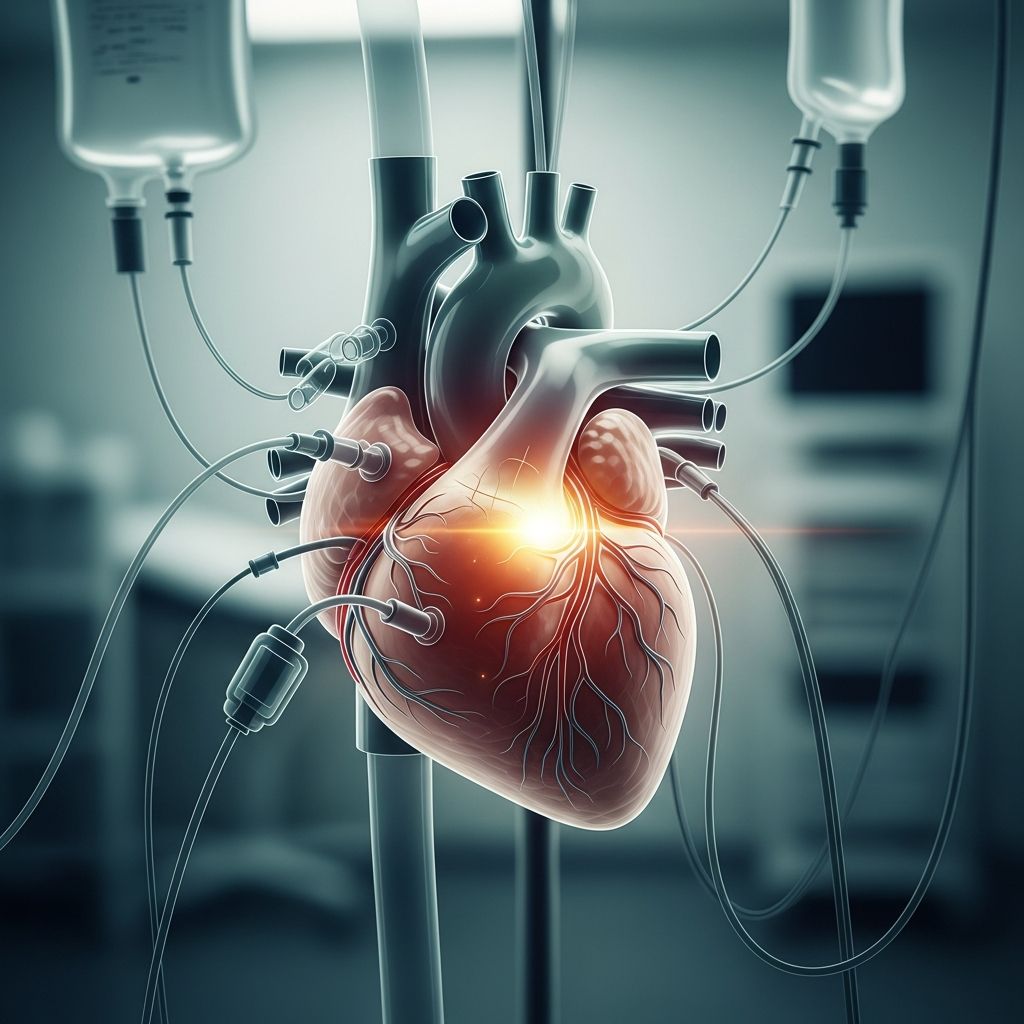
Infants born with single ventricle heart defects face a challenging journey involving multiple surgeries in their first years of life. The period between the initial palliative procedure and the next surgery, known as the interstage phase, is particularly precarious. During this time, dedicated home monitoring initiatives have proven vital in enhancing survival and fostering healthy development.
Understanding Single Ventricle Heart Conditions
Single ventricle defects occur when a baby’s heart has only one functional pumping chamber instead of two. Conditions like hypoplastic left heart syndrome (HLHS) exemplify this, where the left side of the heart is underdeveloped, impairing blood flow to the body. These infants depend on staged surgical interventions to reroute blood flow effectively: the first often within days of birth, such as the Norwood procedure, followed by a second around 3-6 months later, like the bidirectional Glenn shunt.
The goals of these operations include ensuring unobstructed blood delivery to the body, safeguarding the lungs from excess pressure, and establishing distinct pathways for pulmonary and systemic circulation. Despite these advances, the interstage interval—from hospital discharge after the first surgery to admission for the second—carries significant risks, historically linked to mortality rates up to 16%.
The High-Risk Nature of the Interstage Period
This vulnerable window demands meticulous oversight because these babies balance on a delicate physiological edge. Their single ventricle must supply both the lungs and body, often via a temporary shunt, making them susceptible to rapid decline from commonplace issues like infections or feeding difficulties. Poor weight gain and nutritional deficits are prevalent, potentially jeopardizing readiness for subsequent operations.
- Key vulnerabilities: Imbalanced blood oxygenation, inadequate caloric intake, and sensitivity to illnesses.
- Historical context: Before structured programs, interstage death rates hovered around 9-16%, underscoring the urgency for intervention.
Quality improvement networks, such as the National Pediatric Cardiology Quality Improvement Collaborative (NPC-QIC), have tracked progress, noting dramatic declines in these risks through systematic approaches.
Core Components of Home Monitoring Programs
Interstage Home Monitoring (IHM) programs empower families to track vital signs at home, enabling early detection of complications. These initiatives train caregivers in using simple tools like pulse oximeters for oxygen levels, scales for daily weights, and logs for feeding volumes.
| Monitored Parameter | Purpose | Typical Targets |
|---|---|---|
| Oxygen Saturation | Assess lung and heart function | >75%; alert if ≤75% |
| Daily Weight | Track growth and nutrition | Gain ≥20g every 3 days; alert for ≥30g loss |
| Feeding Intake | Ensure adequate calories | >100 ml/kg/day |
| Heart Rate | Monitor cardiac stability | Trends noted for irregularities |
Caregiver training commences in the hospital, often through ‘rooming-in’ simulations where parents manage all aspects of care independently before discharge. Multiple family members receive instruction to ensure continuous coverage.
Recognizing and Responding to Warning Signs
Swift identification of ‘red flags’ can prevent crises. Parents learn to spot subtle changes signaling distress:
- Cyanosis or pallor in skin tone.
- Excessive irritability or fussiness.
- Gastrointestinal issues like diarrhea, vomiting.
- Respiratory symptoms: rapid breathing, distress, or increased sweating.
- Fever exceeding 100.4°F (38°C).
Upon detecting these, families contact their care team immediately, often via telehealth for real-time assessment. This proactive stance has correlated with substantial outcome improvements.
Proven Benefits and Statistical Success
Participation in IHM yields measurable gains. Across 50 NPC-QIC centers from 2008-2016, interstage mortality dropped 40% (from 9.5% to 5.3%), and growth failure improved by 28% (18.6% to 13.1%). Some programs report rates as low as 2%.
Nutritional protocols, including fortified feeds and medications, complement monitoring to optimize weight trajectories essential for surgical success. Enhanced coordination, including discharge planning conferences reviewing medical history, appointments, and emergency protocols, further bolsters these results.
Evolution Through Technology and Telehealth
Modern IHM integrates digital tools, supplanting paper logs with apps for seamless data transmission. Telemedicine enables video check-ins, allowing clinicians to evaluate breathing, color, and alertness remotely. This innovation facilitates timely interventions without frequent clinic visits, vital during respiratory seasons or pandemics.
Programs like those at leading children’s hospitals exemplify this shift, connecting families directly to specialists for around-the-clock support.
Empowering Families: Education and Emotional Support
Beyond metrics, IHM fosters parental confidence. Stories from families, such as one mother’s account of mastering feeds and meds during supervised stays, highlight the ‘safety net’ effect. Themes of striving for normalcy—reclaiming home life while vigilantly caring—emerge in parent experiences.
Support extends to connecting families with groups, neurodevelopmental clinics, and therapy services, addressing holistic needs. Coordinated teams, including cardiologists, nurses, nutritionists, and social workers, form the interstage ‘medical home.’
Nutrition and Medication Management
Adequate nutrition is paramount; many infants require specialized formulas, NG tubes, or meds like diuretics and anticoagulants. ‘Nutrition bundles’ standardize high-calorie regimens, yielding the noted growth benefits. Regular weight checks guide adjustments, ensuring infants arrive at stage two surgeries robust.
Future Directions and Ongoing Research
While triumphs are evident, challenges persist, including readmission rates and long-term neurodevelopment. Research explores hybrid procedures, advanced surveillance, and equitable access to telehealth. Collaborative networks continue refining protocols, promising even better prognoses.
Frequently Asked Questions
What is the interstage period?
The time from hospital discharge after the first heart surgery to readmission for the second surgery in single ventricle infants.
How do I know if my baby is in trouble?
Watch for red flags like low oxygen (<75%), weight loss, poor feeding, cyanosis, fussiness, diarrhea, sweating, fast breathing, or fever >100.4°F. Call your team immediately.
Can I manage this alone at home?
No—IHM programs provide training, equipment, and 24/7 access to experts via phone or telehealth.
Has IHM really improved survival?
Yes, NPC-QIC data shows a 40% mortality reduction and 28% better growth across dozens of centers.
What if we live far from the hospital?
Telehealth bridges distances, with secure data sharing and video consults for prompt care.
How is weight gain monitored?
Daily weigh-ins; aim for 20g+ every 3 days. Losses over 30g trigger alerts.
This comprehensive approach transforms a daunting phase into a manageable one, equipping parents with tools for their baby’s thriving.
References
- Home monitoring program improves survival between surgeries for babies with certain heart defects — American Heart Association Newsroom. 2020-08-11. https://newsroom.heart.org/news/home-monitoring-program-improves-survival-between-surgeries-for-babies-with-certain-heart-defects
- Single Ventricle Program — Texas Children’s Hospital. n.d. https://www.texaschildrens.org/departments/single-ventricle-program
- Interstage Home Monitoring for Infants With Single Ventricle Heart Disease: Ten Points to Remember — American College of Cardiology. 2020-08-18. https://www.acc.org/latest-in-cardiology/ten-points-to-remember/2020/08/18/15/17/interstage-home-monitoring-for-infants-with
- Interstage outcomes in single ventricle patients undergoing hybrid procedure — PubMed (Journal of Thoracic and Cardiovascular Surgery). 2018. https://pubmed.ncbi.nlm.nih.gov/30022622/
- Tele-Interstage Home Monitoring Program — Lurie Children’s Hospital. n.d. https://www.luriechildrens.org/en/specialties-conditions/single-ventricle-center-of-excellence/infants-toddlers/tele-interstage-home-monitoring-program/