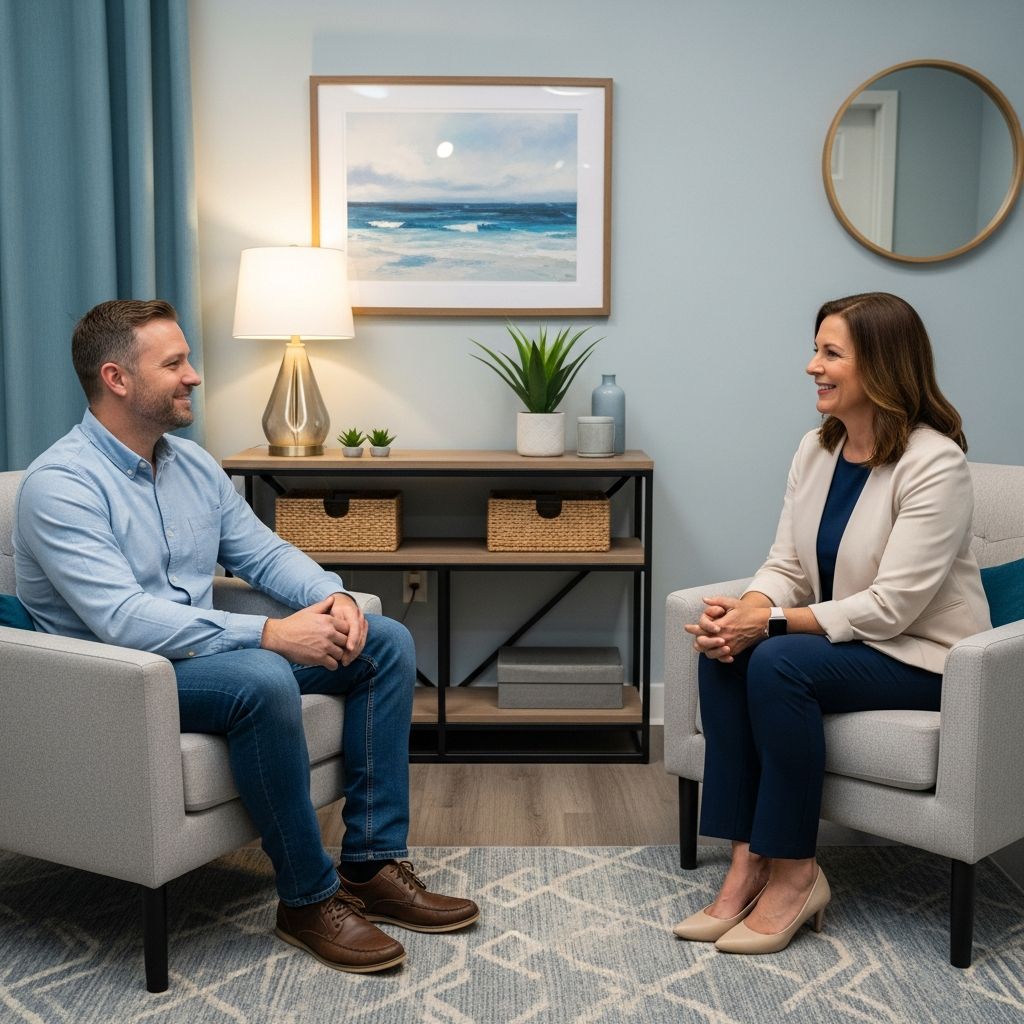
Adopting a lifestyle focused on mindfulness and reduced pace promises peace, yet many find it laced with persistent busyness and tension. This disconnect arises because human existence involves unpredictable elements like family needs, work obligations, and personal rhythms that defy perfect control.
The Myth of Perfect Calm in Simplified Routines
Intentional living, often celebrated as a antidote to modern hustle, involves deliberate choices to prioritize joy, presence, and minimalism. However, real-life application reveals it’s not a guaranteed escape from overwhelm. Parents, in particular, juggle childcare, household tasks, and self-care, creating a cycle where even pared-down schedules feel packed.
Consider the daily reality: mornings start with nurturing little ones, afternoons blend work or errands, and evenings wind down with reflections that highlight unfinished goals. This ebb and flow is natural, yet it challenges the idealized image of serene simplicity.
Recognizing the Human Element in Daily Chaos
People are inherently complex, with emotions, relationships, and biological needs that introduce variability. No amount of planning eliminates the messiness of shared living spaces or the energy demands of parenting. Sleep interruptions, meal preparations, and spontaneous needs from loved ones ensure that calm days alternate with hectic ones.
Embracing this means shifting from rigid expectations to flexible adaptation. A day might begin with meditation but pivot to comforting a crying child—both valid expressions of an intentional path.
Practical Tools for Managing Persistent Busyness
- Prioritize Core Nourishment: Focus on sleep, nutrition, and brief movement sessions to build resilience against stress spikes.
- Curate Commitments Wisely: Regularly audit calendars, declining non-essential invites to protect mental space.
- Incorporate Micro-Pauses: Use 2-5 minute breaths throughout the day to reset the nervous system without derailing momentum.
- Delegate and Accept Help: Share household loads with partners or community to distribute the emotional weight.
- Track Patterns, Not Perfection: Journal weekly to spot recurring stressors and adjust without self-judgment.
Navigating Emotional Waves in a Mindful Life
Feelings of depletion are common even in streamlined routines because emotional labor—anticipating needs, resolving conflicts, fostering connections—consumes unseen energy. Mothers often bear this disproportionately, leading to moments where intentional choices feel counterproductive.
To counter this, cultivate self-compassion through affirmations like ‘Progress over perfection’ and rituals that recharge, such as evening gratitude lists. These anchor you amid fluctuations.
Building Resilience Through Cyclical Acceptance
Life operates in cycles: high-energy phases yield to rest, productivity to reflection. Forcing constant slowness ignores this rhythm, amplifying frustration. Instead, honor seasons—busy weeks balanced by quieter ones—and view stress as a signal for recalibration, not failure.
| Life Cycle Phase | Common Challenges | Adaptive Strategies |
|---|---|---|
| High Demand | Overwhelm from tasks | Batch similar activities, seek support |
| Rest Phase | Guilt over idleness | Affirm rest as productive |
| Transition | Resistance to change | Daily flexibility check-ins |
| Peak Flow | Burnout risk | Proactive boundaries |
Reframing Success in Intentional Parenting
Parenting amplifies these dynamics, as children’s needs eclipse personal agendas. Success here isn’t flawless execution but presence in chaos—laughing through spills, reading one more story. This reframe reduces pressure, allowing joy to emerge organically.
Daily Rituals to Sustain Inner Balance
Integrate small, consistent practices: morning sunlight exposure for circadian alignment, tech-free dinners for connection, bedtime wind-downs sans screens. These compound, fostering a baseline calm that withstands disruptions.
- Wake with intention: 5 minutes of stretching or journaling.
- Mindful meals: Eat without distractions to enhance satisfaction.
- Evening reflection: Note three gratitudes and one lesson.
- Weekly reset: Declutter one space physically and mentally.
Frequently Asked Questions
Why does simplifying my life make me feel more stressed?
Simplification highlights unmet expectations and residual obligations, forcing confrontation with limits. Over time, consistent boundaries alleviate this as habits solidify.
Can busy parents truly embrace intentional living?
Yes, by scaling practices to fit realities—like short family walks instead of solo retreats—and viewing family as the core intention.
How do I stop feeling guilty during restful moments?
Reframe rest as essential fuel. Track energy levels to prove its benefits, building evidence against guilt narratives.
What if my partner doesn’t support a slower pace?
Lead by example, communicate benefits calmly, and start with shared activities like device-free evenings to demonstrate value.
Is intentional living realistic long-term?
Absolutely, when treated as evolving practice. Annual reviews ensure alignment with changing life stages.
Overcoming Common Barriers to Sustainable Simplicity
Societal pressures glorify productivity, making slowness feel indulgent. Counter this by curating inputs—podcasts, books, communities—that validate balanced living. External validation fades against internal peace.
Perfectionism sabotages progress; replace it with ‘good enough’ metrics. Celebrate micro-wins, like a single mindful breath amid frenzy.
Cultivating Community in a Solo Journey
Intentional living thrives in connection. Form or join groups for shared meals, playdates, or discussions. These recharge socially while modeling balance for children.
Long-Term Vision: Thriving Amid Imperfection
Envision a life where busyness serves purpose, stress informs growth, and simplicity enables depth. This holistic view transforms overwhelm into opportunity.
Ultimately, intentional living equips you to dance with life’s unpredictability—bending without breaking, resting without regret.
References
- Slow Living: Why Reclaiming Your Pace Is Essential for Mental Wellness — Kim Egel, Kim Egel Counseling. 2025-07-09. https://www.kimegel.com/blog/2025/7/9/slow-living-building-a-lifestyle-that-supports-mental-wellness
- How to Embrace Slow Living: 5 Simple Ways to Slow Down Your Life — Living with Margins. 2024-01-15. https://www.livingwithmargins.com/blog/how-to-embrace-slow-living
- The Untold Secrets to Slow Living (even when you are Crazy Busy) — JMB Living. 2023-05-20. https://www.jmbliving.com/blogs/blog/the-untold-secrets-to-slow-living-even-when-you-are-crazy-busy
- Life In the Slow Lane: Why Soft and Slow is the new Busy — Be More with Less. 2024-03-10. https://bemorewithless.com/living-slowly/
- How To Slow Down When Your Life Feels Too Busy — Keystone Coaching. 2023-11-28. https://www.keystonecoaching.co.uk/post/how-to-slow-down-when-your-life-feels-too-busy-introducing-slow-living